SGIFF stands by The Assassin(s) as festival opening film despite controversy and calls for withdrawal尽管争议不断,且有人呼吁撤档,新加坡国际电影节仍坚持将《刺客》作为开幕影片。
The historical thriller, starring Yoo Hae-jin, Park Hae-il and Lee Min-ho, has drawn criticism over its fictionalised portrayal of the 1974 assassination attempt that killed South Korea's first lady. It will screen at SGIFF on Oct 21 and 22.
新闻视频
The historical thriller, starring Yoo Hae-jin, Park Hae-il and Lee Min-ho, has drawn criticism over its fictionalised portrayal of the 1974 assassination attempt that killed South Korea's first lady. It will screen at SGIFF on Oct 21 and 22.
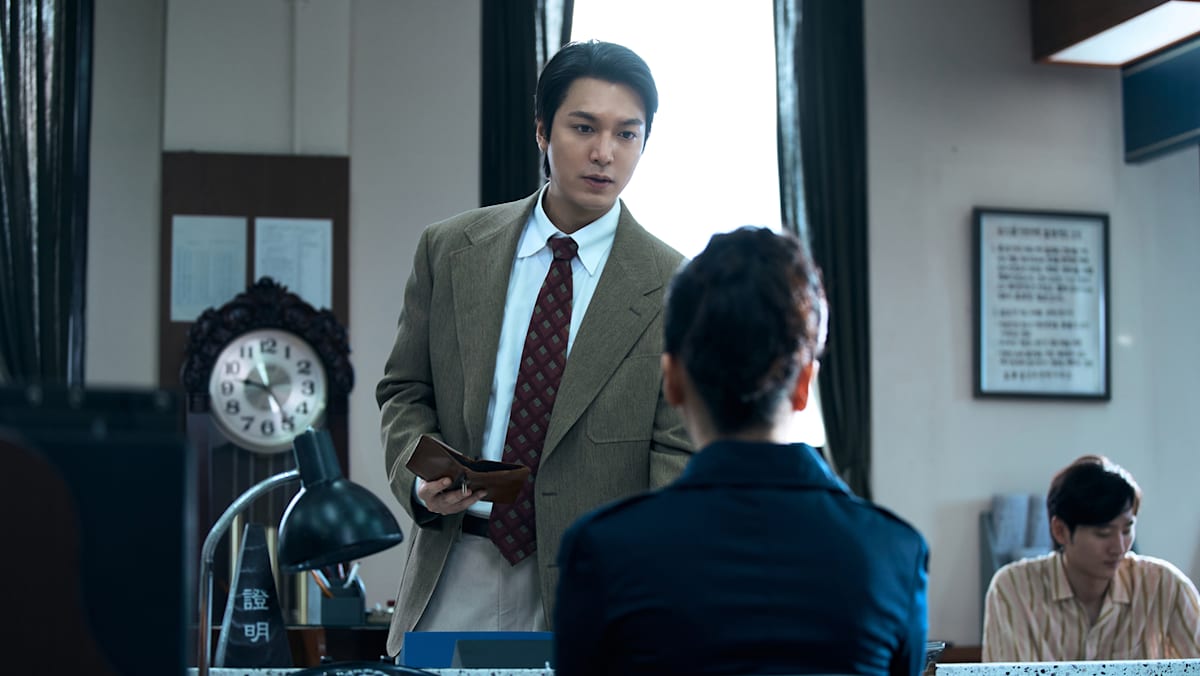
The Assassin(s) is a 2026 South Korean crime political thriller film directed by Hur Jin-ho. (Photo: Hive Media Corp)
This audio is generated by an AI tool.
The Singapore International Film Festival (SGIFF) is standing by its decision to screen South Korean political thriller The Assassin(s) as its opening film, despite calls from South Korea's conservative opposition People Power Party (PPP) to withdraw it over allegations of historical distortion.
The film, directed by Hur Jin-ho and starring Yoo Hae-jin, Park Hae-il and Lee Min-ho, has drawn criticism in South Korea over its fictionalised portrayal of a real-life 1974 assassination attempt on then-president Park Chung-hee, which resulted in the death of his wife, first lady Yuk Young-soo.
In response to CNA Lifestyle's queries, SGIFF said it was aware of the discussions surrounding the film but would retain it as the opening title of its 37th edition, which runs from Oct 21 to Nov 1.
"SGIFF respects the creative vision of the filmmakers behind The Assassin(s), which remains the Festival Opening film of our 37th edition," the festival said.
"The film was selected through SGIFF's independent curatorial process for its artistic merit and contribution to contemporary Asian cinema.
"The filmmakers have described the film as a work of cinematic imagination that combines historical events with fictional characters and situations.
"It was not made to establish historical conclusions, distort facts, or serve any political purpose. SGIFF presents the film in that context, as a creative work."
WHY IS THE FILM CONTROVERSIAL?
Set in South Korea in 1974, The Assassin(s) follows a detective investigating a shooting during a presidential event, after discovering that evidence at the crime scene contradicts the official account.
The film draws on the real assassination attempt against then-president Park Chung-hee on Aug 15, 1974, during a Liberation Day ceremony in Seoul.
Park survived the attack, but his wife, Yuk Young-soo, was fatally shot.
The gunman, Mun Se-gwang, was held responsible for the attack, and South Korean authorities at the time concluded that he had acted under instructions linked to North Korea.
However, the film raises questions about the possible involvement of the former president and South Korean intelligence officials in the incident. The fictional interpretation has angered conservative groups and politicians as they argue that the film unfairly implicates Park in his wife's death and misrepresents an established historical account.
SOUTH KOREAN POLITICAL PARTY URGES SGIFF TO WITHDRAW FILM
The controversy reached Singapore when the PPP sent an open letter to SGIFF executive director Jeremy Chua on Tuesday (Oct 6), urging the festival to reconsider its opening film selection.
According to South Korean media platform Asia Business Daily, the letter was issued in the names of the party's 109 National Assembly members.
"We express deep regret over the choice of The Assassin(s) as the opening film, and urge you to reconsider this decision immediately," the party wrote.
"While we respect artistic freedom and the independence of film festivals, creative freedom does not mean freedom from responsibility regarding historical facts."
The party argued that selecting a film to open an international festival carries particular significance because it reflects the festival's values and editorial judgment.
The objections have extended beyond the film's Singapore screening.
According to South Korean newspaper The Chosun Daily, critics have circulated instructions on social media encouraging people to petition SGIFF, Singapore's embassy in South Korea and the Singapore Tourism Board's Seoul office to withdraw the film.
Conservative groups have also argued that the film's depiction is hurtful to Yuk's surviving family, including her daughter, former South Korean president Park Geun-hye.
Members of conservative groups protest near the home of actor Yoo Hae-jin in Seoul’s Seongbuk-gu on Sunday (Oct 4). (Photo: Yonhap News Agency)
CONTROVERSY ESCALATES TO PROTESTS AND POLICE PROTECTION
In South Korea, the backlash has gone beyond calls for the film's withdrawal.
On Oct 4, The Korea Times reported that about 50 conservative protesters gathered outside lead actor Yoo Hae-jin's home in Seoul, demanding that the film be removed from cinemas and that its cast and production team apologise.
Yoo's agency, Vast Entertainment, said it would take action against conduct that threatened the actor's safety, privacy or reputation.
On Oct 6, South Korean police confirmed that Yoo had been placed under protective measures following the protests and threats.
The measures included providing him with an emergency smartwatch, registering him with the police emergency response system and increasing patrols around his residence.
The controversy has also affected the film's promotional activities.
Its distributor, Hive Media Corp, announced that cast members would withdraw from events at the Busan International Film Festival, citing concerns over the safety of audiences and attendees.
The response has prompted concern within South Korea's film industry. According to Korea JoongAng Daily, a coalition of 19 industry organisations, including groups representing filmmakers, producers and cinematographers, criticised the targeting of actors and other people involved in the production.
South Korea's Culture, Sports and Tourism Minister Chae Hwi-young also condemned threats directed at the cast and crew. Speaking during a parliamentary audit on Oct 7, Chae defended creative freedom and said the government should not intervene in the content of artistic works.
"There should be no restrictions on imagination and creative work," he said, adding that audiences should make their own judgments.
View this post on Instagram
SGIFF TO PROCEED WITH OPENING SCREENING
Despite the controversy, The Assassin(s) has continued its international festival run.
The film premiered at the Toronto International Film Festival in September and has also been selected for screenings at other international film festivals.
In its response to CNA Lifestyle, SGIFF highlighted the film's reception in South Korea, where it had attracted approximately 2.5 million viewers since opening in cinemas on Sep 23.
The festival reiterated that its role was to present films offering different artistic perspectives.
"The role of SGIFF is to provide a platform for meaningful films from Singapore, Asia, and around the world, helping audiences experience diverse stories and perspectives," the festival said.
The Assassin(s) is scheduled to open SGIFF on Oct 21 at the Sands Theatre at Marina Bay Sands, with another screening on Oct 22 at the National Museum of Singapore. Details can be found on the official SGIFF website .
Director Hur Jin-ho and cast members Shim Eun-kyung and Park Sung-hoon are also expected to attend the festival's opening.
CNA Lifestyle has reached out to Singapore Tourism Board for comment.
A single handpicked story that we think you shouldn't miss. Just one a day.
这部由柳海镇、朴海日和李敏镐主演的历史惊悚片,因其对1974年韩国第一夫人遇刺事件的虚构化描写而备受争议。该片将于10月21日和22日在新加坡国际电影节(SGIFF)上映。
《刺客》是一部2026年上映的韩国犯罪政治惊悚片,由许镇浩执导。(图片:Hive Media Corp)
这段音频由人工智能工具生成。
尽管韩国保守反对党国民力量党(PPP)呼吁撤回电影《刺客》,理由是该片歪曲历史,但新加坡国际电影节(SGIFF)仍坚持将韩国政治惊悚片《刺客》作为开幕影片放映。
这部由许镇浩执导,刘海镇、朴海日和李敏镐主演的电影,因其虚构地描绘了1974年针对时任总统朴正熙的真实刺杀事件(导致其妻子、第一夫人柳英秀遇难),在韩国引起了批评。
针对 CNA Lifestyle 的询问,新加坡国际电影节表示,他们已经了解围绕这部电影的讨论,但将保留该片作为其第 37 届电影节的开幕影片,该电影节将于 10 月 21 日至 11 月 1 日举行。
“新加坡国际电影节尊重《刺客》电影制作人的创作理念,该片仍将作为我们第37届电影节的开幕影片,”电影节方面表示。
“该片凭借其艺术价值和对当代亚洲电影的贡献,通过新加坡国际电影节的独立策展流程被选中。”
“电影制作人将这部电影描述为一部电影想象作品,它将历史事件与虚构的人物和情境结合起来。
“这部电影并非旨在确立历史结论、歪曲事实或服务于任何政治目的。SGIFF 正是基于这种理念,将这部电影视为一部创作作品来呈现。”
这部电影为何引发争议?
《刺客》的故事背景设定在 1974 年的韩国,讲述了一名侦探在总统活动期间调查一起枪击案,发现犯罪现场的证据与官方说法相矛盾。
这部电影取材于1974年8月15日发生在首尔光复节庆典上,针对时任总统朴正熙的真实刺杀未遂事件。
朴某在袭击中幸存下来,但他的妻子陆英洙不幸中枪身亡。
枪手文世光被认定对此次袭击负有责任,韩国当局当时得出结论,他是奉朝鲜的指示行事的。
然而,这部电影引发了人们对前总统朴槿惠和韩国情报官员可能参与此事件的质疑。这种虚构的解读激怒了保守派团体和政界人士,他们认为该片不公平地将朴槿惠与妻子的死联系起来,并歪曲了既定的历史事实。
韩国某政党敦促新加坡国际电影节撤回影片
这场争议蔓延到了新加坡,人民进步党(PPP)于周二(10 月 6 日)向新加坡国际电影节(SGIFF)执行董事蔡俊杰发出了一封公开信,敦促电影节重新考虑其开幕影片的选择。
据韩国媒体平台《亚洲商业日报》报道,这封信是以该党109名国会议员的名义发出的。
“我们对选择《刺客》作为开幕影片深表遗憾,并敦促您立即重新考虑这一决定,”该党写道。
“我们尊重艺术自由和电影节的独立性,但创作自由并不意味着可以逃避对历史事实的责任。”
该党认为,选择一部电影作为国际电影节的开幕影片具有特殊的意义,因为它体现了电影节的价值观和编辑判断。
反对意见已经蔓延到该电影在新加坡的放映之外。
据韩国《朝鲜日报》报道,批评人士在社交媒体上散布指示,鼓励人们向新加坡国际电影节、新加坡驻韩国大使馆和新加坡旅游局首尔办事处请愿,要求撤下这部电影。
保守派团体也认为,这部电影的描述伤害了柳的遗属,包括她的女儿、韩国前总统朴槿惠。
10月4日(周日),保守派团体成员在首尔城北区演员柳海镇的住所附近举行抗议活动。(图片:韩联社)
争议升级为抗议和警方保护
在韩国,舆论反弹已经超越了要求撤档的程度。
10 月 4 日,《韩国时报》报道,约 50 名保守派抗议者聚集在首尔主演柳海镇的家门外,要求将该电影从影院下架,并要求其演员和制作团队道歉。
刘德华的经纪公司Vast Entertainment表示,将对威胁演员安全、隐私或名誉的行为采取行动。
10月6日,韩国警方证实,在抗议和威胁事件发生后,柳承敏已被置于保护措施之下。
这些措施包括为他提供紧急智能手表,将他登记到警察紧急响应系统中,并增加他住所周围的巡逻力度。
这场争议也影响了该电影的宣传活动。
其发行商 Hive Media Corp 宣布,由于担心观众和与会者的安全,演员们将退出釜山国际电影节的相关活动。
这一反应引发了韩国电影界的担忧。据《韩国中央日报》报道,由19个行业组织组成的联盟,其中包括代表电影制作人、制片人和摄影师的团体,批评了针对演员和其他制作人员的攻击行为。
韩国文化体育观光部长官蔡辉荣也谴责了针对剧组人员的威胁。10月7日,蔡辉荣在国会听证会上发言,捍卫创作自由,并表示政府不应干预艺术作品的内容。
“想象力和创造力不应该受到任何限制,”他说道,并补充说观众应该做出自己的判断。
在 Instagram 上查看此帖子
新加坡国际电影节将如期举行开幕放映
尽管存在争议,《刺客》仍在继续其国际电影节展映。
该片于9月在多伦多国际电影节首映,并入选其他国际电影节展映。
新加坡国际电影节在回应 CNA Lifestyle 的采访时,重点介绍了该片在韩国的反响,自 9 月 23 日在韩国影院上映以来,已吸引了约 250 万观众。
电影节重申,其宗旨是展映具有不同艺术视角的电影。
“新加坡国际电影节的宗旨是为来自新加坡、亚洲乃至世界各地的优秀电影提供一个平台,帮助观众体验多元化的故事和视角,”电影节方面表示。
《刺客》将于10月21日在滨海湾金沙剧院作为新加坡国际电影节的开幕影片上映,并于10月22日在新加坡国家博物馆举行另一场放映。详情请访问新加坡国际电影节官方网站。
导演许镇浩以及演员沈恩京和朴成勋预计也将出席电影节开幕式。
CNA Lifestyle已联系新加坡旅游局征求意见。
每天一篇,我们精心挑选一篇您不容错过的精彩故事。