Dzulkefly: Food Bill proposes publishing non-compliant food information without court order祖基菲里:《食品法案》提议在没有法院命令的情况下公布不合规的食品信息
KUALA LUMPUR, Oct 8 — The government has proposed expanding the powers of the Director-General of Health to publish information on food that does not comply with the Food Act...
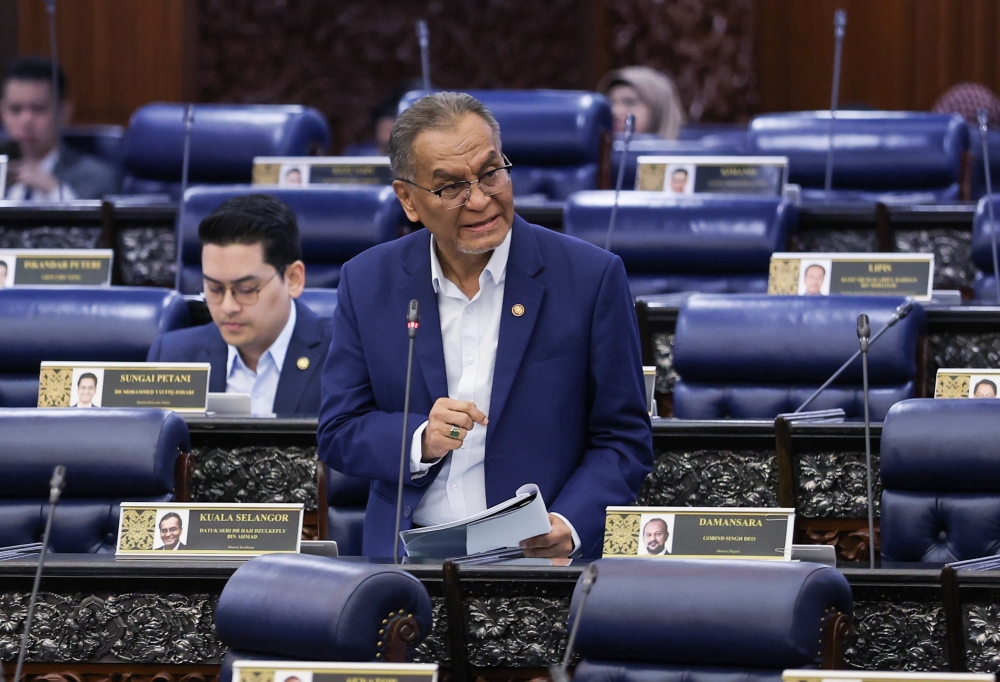
The government proposes expanding the Director-General of Health's powers to publish non-compliant food information without a court order for public safety.
Amendments in the Food (Amendment) Bill 2026 aim to strengthen food safety enforcement, including expanded investigation powers and mandatory food contact material recalls.
Proposed amendments also include increased penalties and controls on imported food, addressing challenges like chemical contamination and enhancing stakeholder engagement.
KUALA LUMPUR, Oct 8 — The government has proposed expanding the powers of the Director-General of Health to publish information on food that does not comply with the Food Act 1983 (Act 281) or regulations made under it, without a court order.
Health Minister Datuk Seri Dr Dzulkefly Ahmad said the proposal under the Food (Amendment) Bill 2026 would allow such information to be published through print or electronic media in the interest of public safety.
“The existing provisions under Act 281 are no longer adequate to address current food safety challenges and protect public health,” he said when tabling the bill for second reading in the Dewan Rakyat today.
He said the 39-clause bill also proposed amendments to Section 12 of Act 281 to allow convictions under the act to be published through print or electronic media.
In addition, he said a new Section 11A was proposed to expand the powers of the Director-General of Health to close premises that prepare or sell food containing substances injurious to health.
Dzulkefly said the amendments would also strengthen enforcement by expanding the powers of authorised officers to conduct investigations, in addition to their existing inspection powers.
He said the officers would also be given access to recorded information, computerised data and digital data to enable thorough investigations to be conducted in line with the development of transactions made online.
He added the amendments would also empower officers to obtain information on food advertising and inspect books, documents or records at relevant premises, including premises involved in producing food advertisements.
On consumer safety, Dzulkefly said the bill would strengthen controls over food contact materials, including making it an offence to prepare or sell materials that contain, or can transfer, poisonous or hazardous substances.
“Operators will also be required to immediately recall, remove or withdraw from sale any food contact materials if they know or have reason to believe that the materials contravene the provisions of Act 281,” he said.
He said the government proposed increasing the fines and maximum prison terms, including a penalty of up to RM25,000 or imprisonment for a maximum of five years, or both, for offences against regulations made under the act.
To strengthen controls on imported food, he said the bill proposed that food brought into Malaysia by land, sea or air in excess of the prescribed limit be deemed to be intended for sale unless proven otherwise.
Dzulkefly said on-site verification of overseas food facilities could also be carried out following prior consultation with the exporting country to ensure that only safe imported food is allowed to enter Malaysia.
Meanwhile, he said the food safety challenges faced by the government included chemical contamination caused by the misuse of pesticide and antibiotic residues, excessive use of food additives, as well as the emergence of new chemicals and pathogens.
He said Act 281 had never undergone a comprehensive review since it was gazetted in 1983, although it had been amended three times, in 2001, 2006 and 2024, involving specific provisions and consequential amendments arising from the enactment of other laws.
He added that engagement sessions with various stakeholders had been held from 2023 to 2026, in addition to public consultations and notification to the World Trade Organisation (WTO) to obtain feedback on the proposed amendments. — Bernama
AGC objects to former Tabung Haji chairman Abdul Azeez’s bid to challenge IRB over RM4.8m tax settlement
Witness tells court he handed RM350,000 in cash to Hamzah Zainudin’s former aide over PDRM tender
Jelutong MP urges govt to provide financial assistance to families of Malaysians missing in Nepal floods
Why Malaysian professionals look to Singapore? Because many can earn more than double, says HR minister
政府提议扩大卫生总监的权力,使其无需法院命令即可公布不合规的食品信息,以维护公共安全。
2026 年《食品(修正)法案》的修正案旨在加强食品安全执法,包括扩大调查权力和强制召回食品接触材料。
拟议的修正案还包括加大对进口食品的处罚力度和管控,以应对化学污染等挑战,并加强利益相关者的参与。
吉隆坡,10 月 8 日讯——政府提议扩大卫生总监的权力,使其无需法院命令即可公布不符合 1983 年食品法(第 281 号法令)或其下属法规的食品信息。
卫生部长拿督斯里祖基菲里·艾哈迈德表示,2026 年食品(修正)法案中的这项提案将允许通过印刷或电子媒体发布此类信息,以维护公共安全。
“第 281 号法令的现有规定已不足以应对当前的食品安全挑战和保护公众健康,”他今天在下议院提交该法案进行二读时表示。
他说,这项包含 39 条条款的法案还提议修改第 281 号法令第 12 条,允许通过印刷或电子媒体公布根据该法令作出的定罪结果。
此外,他还表示,已提议新增第 11A 条,以扩大卫生总监的权力,关闭制备或销售含有对健康有害物质的食品的场所。
祖基菲里表示,这些修正案还将通过扩大授权官员的调查权力来加强执法力度,使其在现有检查权力的基础上进一步扩大执法力度。
他表示,执法人员还将获得记录信息、计算机数据和数字数据的访问权限,以便根据在线交易的发展情况进行彻底调查。
他还补充说,这些修正案还将赋予官员权力,以获取有关食品广告的信息,并检查相关场所(包括与制作食品广告有关的场所)的账簿、文件或记录。
关于消费者安全,祖基菲里表示,该法案将加强对食品接触材料的控制,包括将制备或销售含有或可能转移有毒或有害物质的材料定为违法行为。
“如果经营者知道或有理由相信某些食品接触材料违反了第 281 号法令的规定,则必须立即召回、移除或停止销售这些材料,”他说。
他说,政府提议提高罚款和最高刑期,包括对违反该法案所制定的法规的行为处以最高 25,000 令吉的罚款或最高五年的监禁,或两者并罚。
他表示,为了加强对进口食品的管控,该法案提议,除非另有证明,否则通过陆路、海路或空运进入马来西亚的食品,超过规定限额的,将被视为用于销售。
祖基菲里表示,在事先与出口国协商后,也可以对海外食品设施进行现场核查,以确保只有安全的进口食品才能进入马来西亚。
与此同时,他表示,政府面临的食品安全挑战包括因滥用杀虫剂和抗生素残留物造成的化学污染、过度使用食品添加剂,以及新化学物质和病原体的出现。
他表示,第 281 号法令自 1983 年颁布以来从未进行过全面审查,尽管该法令在 2001 年、2006 年和 2024 年进行了三次修订,涉及具体条款以及因其他法律的颁布而产生的相应修订。
他补充说,除了进行公众咨询和向世界贸易组织(WTO)提交通知以征求对拟议修正案的反馈意见外,2023年至2026年期间还与各利益相关方举行了多次磋商会议。——马新社
总检察署反对前朝圣基金局主席阿卜杜勒·阿齐兹就480万令吉税务和解协议向内陆税收局提起诉讼。
证人向法庭作证称,他曾向哈姆扎·扎伊努丁的前助手支付了35万令吉现金,以换取马来西亚皇家警察的招标项目。
日落洞国会议员敦促政府向在尼泊尔洪灾中失踪的马来西亚公民家属提供经济援助
马来西亚专业人士为何青睐新加坡?人力资源部长表示,因为许多人在新加坡的收入可以翻一番以上。