Budget 2027 draws positive response from ministers over focus on living costs, wages and public services2027年预算案重点关注生活成本、工资和公共服务,部长们对此给予了积极评价。
KUALA LUMPUR, Oct 9 — Budget 2027 has drawn broadly positive reactions from Cabinet ministers, who welcomed its emphasis on easing the cost of living, raising wages and improving...
Budget 2027, tabled by Prime Minister and Finance Minister Datuk Seri Anwar Ibrahim, emphasizes easing the cost of living, boosting wages, and enhancing public services in Malaysia.
Key measures include raising the minimum wage to RM2,000, tax relief for middle-income earners, and significant allocations for technical and vocational education and training (TVET).
The budget has been positively received by various ministers, highlighting its intent to translate economic growth into tangible benefits for ordinary citizens.
Specific sectoral increases include funding for healthcare reforms and infrastructure improvements, alongside initiatives supporting digital infrastructure and the local film industry.
KUALA LUMPUR, Oct 9 — Budget 2027 has drawn broadly positive reactions from Cabinet ministers, who welcomed its emphasis on easing the cost of living, raising wages and improving public services, as the government seeks to ensure that the benefits of economic growth reach ordinary Malaysians.
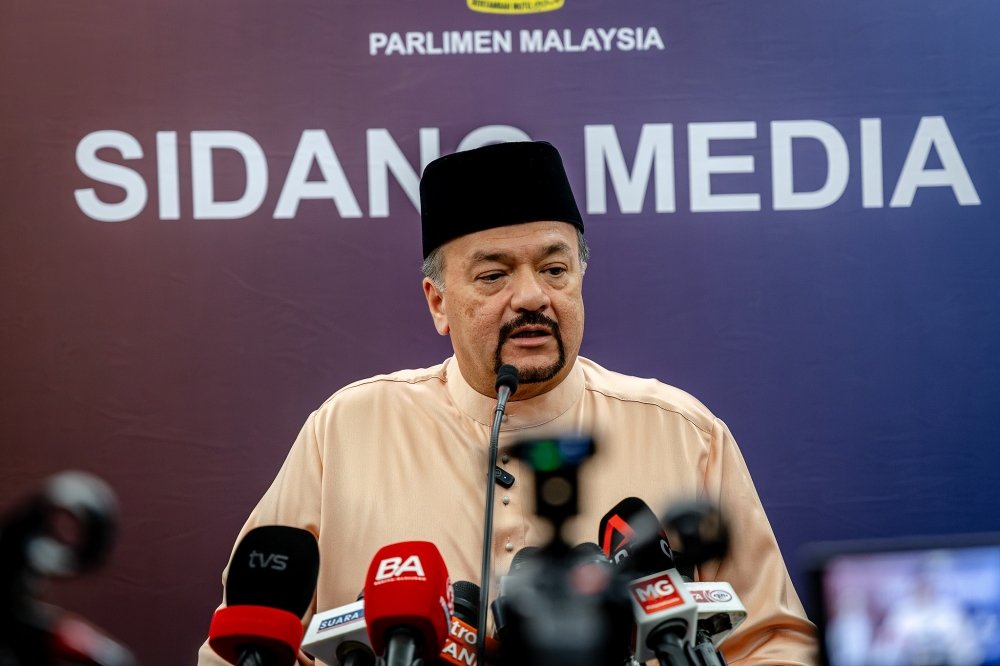
Finance Minister II Datuk Seri Amir Hamzah Azizan said the measures reflected public feedback gathered through nationwide engagement sessions, particularly concerns over rising living costs and the need for better wages.
“Our effort in Budget 2027 is to ensure that the spillover gains from the country successfully becoming a strong trading nation are passed down to the people,” he said at a press conference following the budget's tabling in Parliament today.
“The government has listened to feedback received from various parties, through the budget roadshows, engagement sessions, and the grievances brought to us,” he added.
“Today we can see how we outlined our focus areas during the pre-budget sessions to address cost-of-living issues and improve wage quality across the country.”
Prime Minister Datuk Seri Anwar Ibrahim, who is also Finance Minister, earlier tabled Budget 2027, which places greater emphasis on boosting household disposable income and supporting middle-income earners alongside continued economic reforms.
Among the measures announced were an increase in the minimum wage to RM2,000 per month, higher entry-level pay floors for graduates and semi-skilled workers, tax relief for middle-income earners and expanded direct cash assistance programmes.
Deputy Prime Minister Datuk Seri Ahmad Zahid Hamidi welcomed the budget’s focus on technical and vocational education and training (TVET), saying the measures would help address financial pressures faced by the M40 while improving employment prospects for skilled workers.
“Overall, this budget reflects the government’s strong commitment to addressing the problems faced by the M40 group, whose disposable income and purchasing power have been under pressure because of high financial commitments,” he said in his initial reaction.
Zahid said the RM8 billion allocation for TVET would allow the government to expand training in specialised fields, including robotics, and improve workers’ employability.
“We will expand courses that are appropriate to market demand, so that the skills acquired can lead to better employment prospects,” he said, also welcoming provisions for higher wages for skilled workers.
Zahid, who is also Rural and Regional Development Minister, said his ministry had received a slight increase in its allocation to RM12.68 billion, stressing that the priority was to ensure programmes delivered meaningful benefits to target groups.
Communications Minister Datuk Fahmi Fadzil, meanwhile, welcomed measures to assist the M40 and B40 groups, as well as support for the local film industry and continued investment in digital infrastructure.
“For the first time, the film sector has received interesting support,” he said, expressing hope that Kuala Lumpur and Putrajaya would see more filmmaking activity, which could contribute to economic growth and job creation.
Fahmi also highlighted the government's recognition of National Information Dissemination Centres (NADI) and the importance of continued investment in the Jalinan Digital Negara (JENDELA) initiative and submarine cable connectivity.
Health Minister Datuk Seri Dr Dzulkefly Ahmad described the RM47.7 billion allocation for his ministry as a reasonable basis for continuing healthcare reforms, including addressing longstanding staffing shortages and improving medical facilities.
He welcomed the provision of more than 9,000 permanent positions for contract doctors, as well as increased post-basic incentive payments for 47,000 paramedics and nurses.
Dzulkefly also highlighted RM1.2 billion for maintaining and repairing public hospitals and clinics, saying the additional resources would help the ministry improve healthcare services.
Works Minister Datuk Seri Alexander Nanta Linggi welcomed increased funding for infrastructure and smaller contractors, despite his ministry receiving a relatively modest 1.78 per cent increase in its overall allocation.
“What is important is how we use it. We have many programmes and projects,” he said, pointing to additional opportunities for G1 to G4 contractors and RM800 million for construction, roads and infrastructure, including RM350 million for Sabah and Sarawak contractors.
Nanta said allocations for district engineers had increased from RM30 million to RM40 million, allowing smaller infrastructure problems to be addressed more quickly without further approvals.
He also welcomed provisions for motorcycle shelters, closed-circuit television cameras along PLUS highways and 50 electric vehicle charging points, saying the measures would improve facilities for road users despite government spending constraints.
Beyond the sector-specific allocations, Budget 2027 also increased funding for Sumbangan Tunai Rahmah (STR) and Sumbangan Asas Rahmah (SARA) to RM16 billion, from RM15 billion, while raising individual income tax relief from RM9,000 to RM12,000.
The measures reflect what appears to be a central theme of Anwar’s fifth budget — ensuring that the gains from economic growth and reforms pursued over the past four years translate into higher household incomes, reduced financial pressures and tangible improvements in the daily lives of Malaysians.
E-Commerce Bill to protect small traders, says Anwar
Budget 2027: Home, Defence Ministries each allocated RM22b
Malaysia’s approved investments rise 11.7pc to RM218.5b in first half of 2026, says PM
由首相兼财政部长拿督斯里安华·易卜拉欣提出的2027年财政预算案,重点在于降低马来西亚的生活成本、提高工资和加强公共服务。
关键措施包括将最低工资提高到 2000 令吉,为中等收入者减税,以及为技术和职业教育与培训 (TVET) 拨出大量资金。
该预算案受到了多位部长的积极评价,凸显了其将经济增长转化为普通民众切实利益的意图。
具体增加的行业拨款包括医疗改革和基础设施改善的资金,以及支持数字基础设施和当地电影产业的举措。
吉隆坡,10 月 9 日讯——2027 年财政预算案得到了内阁部长们的普遍积极反响,他们欢迎该预算案强调降低生活成本、提高工资和改善公共服务,因为政府力求确保经济增长的成果惠及普通马来西亚民众。
第二财政部长拿督斯里阿米尔·哈姆扎·阿齐赞表示,这些措施反映了通过全国范围的公众参与会议收集到的反馈意见,特别是对不断上涨的生活成本和提高工资的需求的担忧。
“我们在 2027 年预算案中努力的目标是确保国家成功成为强大的贸易国所带来的溢出效应能够惠及人民,”他在今天向议会提交预算案后举行的新闻发布会上说。
“政府已经听取了各方通过预算巡回宣讲会、交流会以及民众向我们提出的诉求所作出的反馈,”他补充道。
“今天我们可以看到,在预算案制定前的会议上,我们是如何确定重点领域,以解决生活成本问题并提高全国的工资水平的。”
兼任财政部长的首相拿督斯里安华·易卜拉欣早前提交了2027年财政预算案,该预算案更加注重提高家庭可支配收入,并在继续进行经济改革的同时支持中等收入者。
宣布的措施包括将最低工资提高到每月2000令吉,提高毕业生和半熟练工人的入门级工资标准,为中等收入者减税,以及扩大直接现金援助计划。
副首相拿督斯里阿末扎希哈米迪对预算案重点关注技术和职业教育与培训(TVET)表示欢迎,称这些措施将有助于解决M40国家面临的财政压力,同时改善技术工人的就业前景。
“总体而言,这份预算反映了政府致力于解决M40群体面临的问题的坚定决心,由于高额的财务负担,该群体的可支配收入和购买力一直面临压力,”他在最初的反应中说道。
扎希德表示,政府拨款 80 亿令吉用于职业技术教育与培训,这将使政府能够扩大专业领域的培训,包括机器人技术,并提高工人的就业能力。
“我们将扩大符合市场需求的课程,以便学生所获得的技能能够带来更好的就业前景,”他说道,同时他也对提高技术工人工资的规定表示欢迎。
扎希德同时也是乡村及区域发展部长,他表示,该部门的拨款略有增加,达到 126.8 亿令吉,并强调首要任务是确保各项计划能够为目标群体带来切实的好处。
与此同时,通讯部长拿督法米·法兹尔对援助M40和B40群体的措施表示欢迎,同时对支持本地电影业和持续投资数字基础设施表示支持。
“电影行业首次获得了令人欣喜的支持,”他说道,并表示希望吉隆坡和布城能够出现更多电影制作活动,从而促进经济增长和创造就业机会。
法米还强调了政府对国家信息传播中心 (NADI) 的认可,以及继续投资国家数字光缆 (JENDELA) 计划和海底光缆连接的重要性。
卫生部长拿督斯里祖基菲里·阿末表示,卫生部获得的 477 亿令吉拨款是继续推进医疗改革的合理基础,其中包括解决长期存在的医护人员短缺问题和改善医疗设施。
他欢迎为合同医生提供 9000 多个永久职位,以及为 47000 名护理人员增加基本工资后的激励性付款。
祖基菲里还强调了用于维护和修缮公立医院和诊所的12亿令吉拨款,称这笔额外的资源将有助于卫生部改善医疗保健服务。
工程部长拿督斯里亚历山大·南塔·林吉对基础设施和小型承包商的资金增加表示欢迎,尽管他的部门整体拨款仅增长了1.78%,增幅相对较小。
“重要的是我们如何利用它。我们有很多项目和计划,”他说道,并指出G1至G4级承包商将获得更多机会,以及8亿令吉用于建筑、道路和基础设施建设,其中包括3.5亿令吉用于沙巴和砂拉越的承包商。
南塔表示,地区工程师的拨款已从 3000 万令吉增加到 4000 万令吉,这样就可以更快地解决较小的基础设施问题,而无需进一步批准。
他还对在南北大道沿线修建摩托车停放处、安装闭路电视摄像头和设立 50 个电动汽车充电桩表示欢迎,称尽管政府支出有限,但这些措施仍将改善道路使用者的设施。
除了特定行业的拨款外,2027 年财政预算案还将 Sumbangan Tunai Rahmah (STR) 和 Sumbangan Asas Rahmah (SARA) 的拨款从 150 亿令吉增加到 160 亿令吉,同时将个人所得税减免额从 9000 令吉提高到 12000 令吉。
这些措施体现了安华第五份预算案的核心主题——确保过去四年经济增长和改革的成果转化为更高的家庭收入、更少的经济压力以及马来西亚人日常生活的切实改善。
安瓦尔表示,电子商务法案旨在保护小型商户。
2027年财政预算案:内政部和国防部各获拨款220亿令吉
马来西亚总理表示,2026年上半年,马来西亚获批投资额将增长11.7%,达到2185亿令吉。