DPM Zahid wants tahfiz graduates equipped for careers in technology, engineering and medicine副总理扎希德希望接受过伊斯兰教经学院教育的毕业生能够胜任技术、工程和医学领域的工作。
BANGI, Oct 10 — Tahfiz graduates should have wider opportunities to pursue higher education and professional careers in fields such as technology, engineering and medicine to...
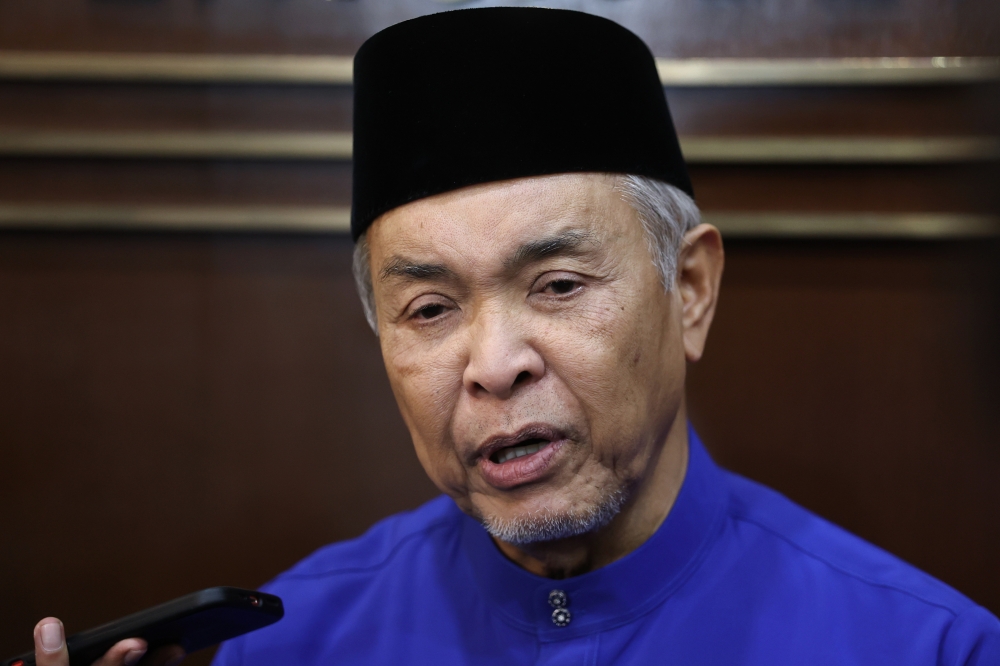
Deputy Prime Minister Datuk Seri Dr Ahmad Zahid Hamidi believes tahfiz graduates should have wider career opportunities in technology, engineering, and medicine to meet evolving workforce needs.
He stressed the importance of equipping tahfiz graduates with skills for various professional fields, aligning tahfiz education with human capital needs and offering pathways to higher education and industries.
Enhancements to the National Tahfiz Education Policy aim to broaden career options for graduates, supported by increased government allocations for Islamic education under Budget 2027.
BANGI, Oct 10 — Tahfiz graduates should have wider opportunities to pursue higher education and professional careers in fields such as technology, engineering and medicine to meet the country’s evolving workforce needs, Deputy Prime Minister Datuk Seri Ahmad Zahid Hamidi said.
He said tahfiz education should go beyond Quran memorisation by equipping graduates with the knowledge, skills and qualifications needed to pursue a broader range of careers.
“My principle is simple. Tahfiz graduates should not have to choose between religion and their ambitions. They should be given the opportunity to deepen their religious knowledge while acquiring the skills and qualifications needed for professional careers,” he said at the 10th Huffaz Nusantara Permata Al-Quran Convocation at the German-Malaysian Institute here today.
Ahmad Zahid, who chairs the National Tahfiz Council, said advances in artificial intelligence (AI), the digital economy and high technology made it increasingly important for tahfiz graduates to develop skills that would enable them to compete across various sectors.
As such, he said tahfiz education must also keep pace with the country’s human capital needs by providing more pathways to universities, technical and vocational education and training (TVET) institutions, industry and professional fields.
Achieving this would require cooperation among the government, tahfiz institutions, universities and industry to ensure graduates had clear opportunities to progress after completing their studies.
“Tahfiz graduates must not be left to find their own way after graduation. The ecosystem must help them move on to the next stage,” he said.
Ahmad Zahid, who is also Rural and Regional Development Minister, said efforts to strengthen tahfiz education included enhancing the National Tahfiz Education Policy, developing the Malaysian Tahfiz Recognition Standard and strengthening pathways through the Malaysian Tahfiz Certificate to broaden graduates’ education and career options.
He also welcomed the increased allocation for Islamic affairs, pondok schools, tahfiz institutions and people’s religious schools under Budget 2027, as well as improved allowances for religious teachers and mosque personnel
“This reflects the government’s commitment to supporting those involved in Islamic religious affairs, and is a positive development that deserves the support of all parties,” he said.
Prime Minister Datuk Seri Anwar Ibrahim, when tabling Budget 2027 in the Dewan Rakyat yesterday, announced that the allocation for Islamic affairs had been increased to RM3.1 billion from RM2.6 billion this year. — Bernama
Lights on: Works Department to extend streetlight operating hours during haze
Air quality acceptable for now, Kedah schools to open as usual tomorrow
Fahmi urges Malaysians to prioritise mental health in World Mental Health Day post
副首相拿督斯里阿末扎希博士认为,为了满足不断变化的劳动力需求,宗教学校毕业生应该在科技、工程和医学领域拥有更广泛的职业机会。
他强调,要让古兰经背诵专业的毕业生掌握各个专业领域的技能,使古兰经背诵教育与人力资本需求相符,并为学生提供进入高等教育和行业的途径。
国家古兰经背诵教育政策的改进旨在拓宽毕业生的职业选择,并得到2027年预算案中政府增加的伊斯兰教育拨款的支持。
万宜,10 月 10 日讯——副首相拿督斯里阿末扎希哈米迪表示,为了满足国家不断变化的劳动力需求,塔赫菲兹(Tahfiz,伊斯兰教经学院)毕业生应该有更广泛的机会在科技、工程和医学等领域追求高等教育和职业发展。
他表示,古兰经背诵教育应该超越古兰经背诵,使毕业生具备追求更广泛职业所需的知识、技能和资格。
“我的原则很简单。古兰经背诵者不应该被迫在宗教和个人抱负之间做出选择。他们应该有机会在加深宗教知识的同时,获得职业生涯所需的技能和资格,”他今天在德马学院举行的第十届努沙登加拉古兰经背诵者协会毕业典礼上说道。
全国古兰经背诵委员会主席艾哈迈德·扎希德表示,人工智能、数字经济和高科技的进步使得古兰经背诵专业的毕业生越来越需要培养能够在各个领域竞争的技能。
因此,他表示,宗教教育也必须与国家的人力资本需求保持同步,提供更多通往大学、技术和职业教育培训机构、行业和专业领域的途径。
要实现这一目标,需要政府、宗教学校、大学和行业之间的合作,以确保毕业生在完成学业后有明确的晋升机会。
他说:“不应让宗教学校毕业生在毕业后自谋出路。整个体系必须帮助他们迈向下一个阶段。”
艾哈迈德·扎希德(Ahmad Zahid)同时也是乡村及区域发展部长,他表示,加强古兰经背诵教育的努力包括完善国家古兰经背诵教育政策、制定马来西亚古兰经背诵认可标准,以及通过马来西亚古兰经背诵证书加强途径,以拓宽毕业生的教育和职业选择。
他还对2027年财政预算案中增加伊斯兰事务、伊斯兰学校、古兰经背诵机构和人民宗教学校的拨款表示欢迎,并赞扬了宗教教师和清真寺工作人员津贴的提高。
他说:“这体现了政府对参与伊斯兰宗教事务人士的支持,这是一个积极的进展,值得各方支持。”
马来西亚首相拿督斯里安华昨日在国会下议院提交2027年财政预算案时宣布,伊斯兰事务拨款已从今年的26亿令吉增至31亿令吉。——马新社
亮灯:工程部门将在雾霾期间延长路灯运行时间
目前空气质量尚可接受,吉打州学校明日照常开学。
法米在世界精神卫生日帖子中敦促马来西亚人优先考虑心理健康