FIA admits human error gave some cars more power in Singapore sprint qualifying国际汽联承认人为失误导致部分赛车在新加坡冲刺赛排位赛中动力过强。
SINGAPORE, Oct 10 — Formula One’s governing body, the FIA, has admitted that human error in race control caused some drivers to have less engine power than others during...
The FIA has acknowledged that a human error in race control led to inconsistent power levels across cars during the Singapore Grand Prix's sprint qualifying session, following a red flag incident.
The issue revolved around the delayed reactivation of the 'overtake mode', affecting drivers differently based on their track positions and lap timings.
This error disadvantaged certain drivers, inciting criticism for undermining fair competition.
Additionally, the session faced an unrelated timing system glitch, although neither issue reportedly altered which drivers were eliminated in the opening session.
SINGAPORE, Oct 10 — Formula One’s governing body, the FIA, has admitted that human error in race control caused some drivers to have less engine power than others during Friday’s sprint qualifying session for the Singapore Grand Prix, reported Xinhua.
The problem occurred after a red flag in the opening session (SQ1), caused by Sergio Perez damaging the front wing of his Cadillac, and affected drivers differently depending on their position on the track and the timing of their flying laps.
The FIA said overtake mode, which allows drivers to use additional electrical energy, was automatically disabled during the stoppage but was not immediately reactivated when the session resumed.
Officials subsequently enabled the mode for 27 seconds before switching it off again, leaving some drivers with a power advantage over their rivals.
“During the first period of sprint qualifying there was a human error in race control unrelated to the timing issue also encountered in SQ1,” the FIA said in a statement.
“The FIA acknowledges that this unfortunate human error had an impact on the performance of certain cars based on the timing of their run and their position around the lap.”
The governing body said the second and third sessions of sprint qualifying were unaffected.
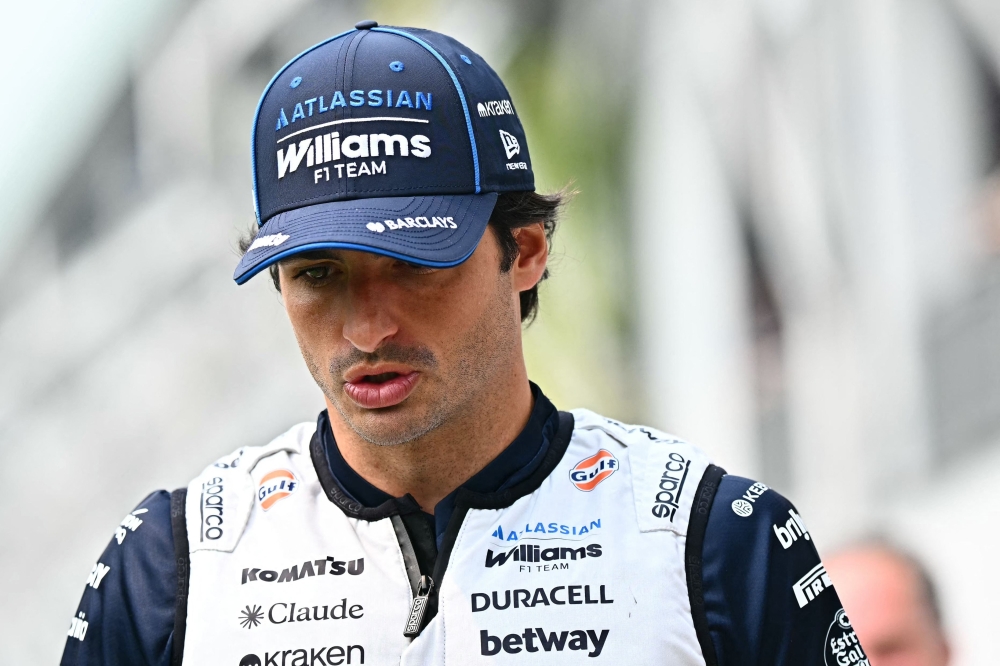
Williams driver Carlos Sainz, who was slowest of all and eliminated in SQ1, criticised the inconsistency and questioned why the FIA had not intervened to ensure equal conditions for all competitors.
“Half the cars did the lap with half a second quicker engine than the others,” Sainz said.
“There was another software issue and we were on the bad end of it, and for whatever reason, the FIA, like in Malaysia, again didn’t decide to do sporting equity.”
Sainz acknowledged that his own performance had been poor and that brake problems had also compromised his session, adding that he did not believe he would have progressed even without the power deployment issue.
Racing Bulls driver Arvid Lindblad and Aston Martin’s Lance Stroll were also among those affected and eliminated in SQ1. Stroll’s teammate Fernando Alonso encountered the problem but advanced to SQ2, eventually qualifying 15th.
Mercedes driver George Russell was told over team radio during the session that the reduced power was caused by an FIA settings issue, while several other drivers complained of unexpectedly limited energy deployment.
The incident came just a week after a separate software malfunction disrupted the initial starting procedure for the Bahrain Grand Prix in Malaysia, prompting further questions about the reliability of the systems governing Formula 1’s new generation of cars.
Friday’s qualifying was also affected by an unrelated timing system glitch that prevented some lap times from being recorded correctly at the end of SQ1.
The problem briefly delayed the start of SQ2 while officials verified the results and established the correct running order.
The FIA said the power deployment error was separate from the timing malfunction, and there was no indication that either problem had directly changed which drivers were eliminated from the opening session. — Bernama-Xinhua
Palmer commits his future to Chelsea with bumper new contract running until 2034
Verstappen breaks Singapore duck in wild sprint after Russell crashes out of the lead
Verstappen takes Singapore sprint pole as resurgence continues
Malaysia has spent decades digitising public healthcare. Why are paper records still in use?
RM10,000 duty-free shopping coming to Langkawi and Labuan: What can you buy?
Unauthorised oil blending could tarnish Malaysia’s global image, experts warn
国际汽联承认,在新加坡大奖赛的冲刺排位赛中,由于红旗事件,比赛控制方面的人为失误导致各赛车的动力水平不一致。
问题在于“超车模式”的重新激活延迟,这会根据车手的赛道位置和圈速而产生不同的影响。
这一错误使某些车手处于不利地位,引发了对破坏公平竞争的批评。
此外,比赛还遇到了一个与此无关的计时系统故障,但据报道,这两个问题都没有改变首场比赛中被淘汰的车手名单。
新加坡,10月10日——据新华社报道,一级方程式赛车管理机构国际汽联承认,由于比赛控制方面的人为失误,导致部分车手在周五新加坡大奖赛的冲刺排位赛中引擎动力不足。
问题发生在第一节排位赛(SQ1)出现红旗之后,原因是塞尔吉奥·佩雷斯损坏了他的凯迪拉克赛车的前翼,并且根据车手在赛道上的位置和他们飞驰圈的时间,对车手的影响也不同。
国际汽联表示,允许车手使用额外电能的超车模式在比赛暂停期间自动关闭,但在比赛恢复后并未立即重新激活。
随后,官方启用该模式 27 秒后又将其关闭,导致一些车手在动力方面比竞争对手更有优势。
国际汽联在一份声明中表示:“在冲刺赛排位赛第一阶段,比赛控制方面出现了一个人为错误,这与SQ1中遇到的计时问题无关。”
“国际汽联承认,这一不幸的人为失误对某些赛车的性能产生了影响,影响程度取决于赛车的行驶时间和它们在赛道上的位置。”
管理机构表示,短距离排位赛的第二和第三轮比赛不受影响。
威廉姆斯车队的卡洛斯·塞恩斯速度最慢,在第一节排位赛中就被淘汰。他批评了这种不一致性,并质疑国际汽联为什么没有介入以确保所有参赛者享有平等的条件。
塞恩斯说:“有一半的赛车比其他赛车快了半秒,跑出了同样的圈速。”
“当时又出现了软件问题,我们成了受害者。不知出于什么原因,国际汽联就像在马来西亚一样,再次没有决定采取体育公平措施。”
塞恩斯承认自己的表现很差,刹车问题也影响了他的练习赛,他还补充说,即使没有动力输出问题,他也不认为自己能够取得进步。
Racing Bulls车队的阿尔维德·林德布拉德和阿斯顿·马丁车队的兰斯·斯特罗尔也受到了影响,在第一节排位赛中被淘汰。斯特罗尔的队友费尔南多·阿隆索也遇到了同样的问题,但他晋级到了第二节排位赛,最终排位赛成绩为第15名。
梅赛德斯车手乔治·拉塞尔在练习赛期间通过车队无线电被告知,动力下降是由国际汽联的设置问题造成的,而其他几位车手则抱怨能量输出意外受限。
就在一周前,另一起软件故障扰乱了马来西亚巴林大奖赛的初始发车程序,引发了人们对一级方程式赛车新一代赛车系统可靠性的进一步质疑。
周五的排位赛也受到了一个无关的计时系统故障的影响,导致一些圈速在 SQ1 结束时无法正确记录。
由于出现问题,SQ2 的开始时间被短暂推迟,工作人员需要核实结果并确定正确的运行顺序。
国际汽联表示,动力输出错误与计时故障无关,也没有迹象表明这两个问题直接影响了哪些车手在首节练习赛中被淘汰。——马新社-新华社
帕尔默与切尔西续签了一份丰厚的新合同,合同期至2034年,他将自己的未来继续留在切尔西。
维斯塔潘在新加坡站的疯狂冲刺中打破了零胜纪录,此前拉塞尔在领先位置摔车退赛。
维斯塔潘在新加坡站夺得冲刺杆位,强势复苏仍在继续
马来西亚几十年来一直在推进公共医疗保健的数字化进程。为什么纸质病历仍然在使用?
兰卡威和纳闽即将推出10000令吉免税购物:你可以买些什么?
专家警告:未经授权的石油混合行为可能损害马来西亚的国际形象