Riding the China wave: Singaporean recruits describe how they fell for the Guangxi scheme搭上中国浪潮:新加坡新兵讲述他们如何落入广西骗局
SINGAPORE, Sept 5 — Singaporeans recruited into a long-running investment scheme in China were promised cheap luxury living and a share of Nanning’s economic boom, but some...
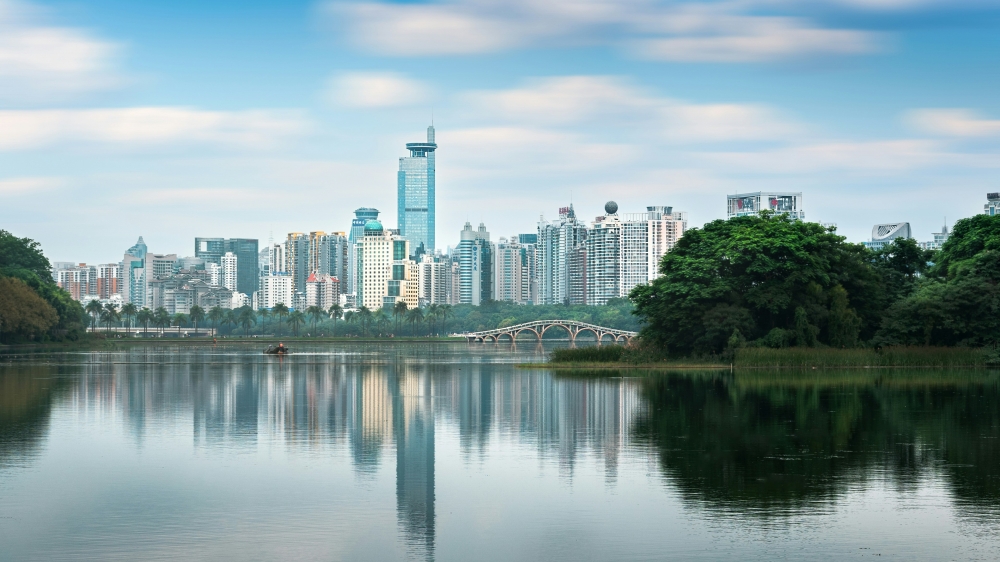
A group of Singaporeans were drawn into a suspected Ponzi scheme in Nanning, China, promising participants luxury living and lucrative returns by recruiting others.
Recruits faced stringent surveillance and pressure to involve friends and relatives, with investments ranging from S$26,000 to S$50,000.
The scheme, linked to the 1040 Sunshine Project, utilized typical Ponzi tactics by using new participants' funds to pay older ones.
Singaporean authorities have advised caution following the detention of 52 citizens in China for suspected involvement in the scheme.
SINGAPORE, Sept 5 — Singaporeans recruited into a long-running investment scheme in China were promised cheap luxury living and a share of Nanning’s economic boom, but some found themselves closely watched and pressured to recruit friends and relatives.
One Singaporean public servant, identified only as Alice, told The Straits Times she was taken on a five-day trip to Nanning in Guangxi back in March after a friend pitched it as an investment opportunity.
She said she was not allowed to explore the city alone, with someone accompanying her everywhere and even following her to the toilet.
During a city tour, she was told: “We cannot get out of the car at all.”
Alice said she was also made to attend mandatory sales sessions in a condominium unit fitted with CCTV cameras, where recruiters promoted the scheme as a way for Singaporeans to “ride the China wave”.
Potential investors were told they could recoup their money by recruiting others, with each new participant said to be worth about S$10,000 (RM31,900).
Participants were expected to pay between S$26,000 and S$50,000 (RM83,000 and RM159,600), although recruiters were vague about what the money was actually being invested in.
Alice said she eventually paid S$70 (RM223) as a “promise fee” after becoming frightened by what she described as a “cult-like” environment, fearing she would not be allowed to leave if she refused.
While earlier news reports referred to the case as suspected pyramid scheme activity, The Straits Times describes the operation as a Ponzi scheme linked to the 1040 Sunshine Project.
A Ponzi scheme typically uses money from newer participants to pay earlier ones, while a pyramid scheme relies primarily on recruiting new participants to generate returns.
Other Singaporeans interviewed by the newspaper described similar recruitment trips dating back to 2014, with promises that Nanning would become the “next Shenzhen” and that developments there would attract major tourism and investment.
The scheme has also ensnared people from Malaysia, Indonesia, Taiwan and China, according to the report.
The accounts emerged after Singapore authorities announced on Thursday that 52 Singaporeans had been detained in Guangxi over suspected involvement in pyramid scheme activities.
Singapore’s Ministry of Foreign Affairs has urged citizens to exercise caution over schemes involving recruitment, large upfront payments or promises of unusually high returns.
Chinese national skips S$560,000 fine for smuggling 30,000 bottles of beer in Singapore, heads to jail instead
Singapore pushes back new flu jab rollout to mid Oct even as infections rise
Where have all the people gone? From restaurants to running tracks, Singapore adjusts outdoor activities as haze bites
History must inspire, not remain a ‘silent witness’, says National Archives chief as Malaysia marks 69 years of independence
Final victim found, four‑day search ends in Kota Tinggi drowning tragedy
‘Round‑the‑clock service’: Puspakom plans 24‑hour operations for vehicle inspections
一群新加坡人卷入了中国南宁的一个疑似庞氏骗局,该骗局承诺参与者可以通过招募其他人获得奢华的生活和丰厚的回报。
招募人员面临严格的监视和压力,需要拉拢朋友和亲戚参与,投资额从 26,000 新元到 50,000 新元不等。
该计划与 1040 阳光计划有关,利用典型的庞氏骗局手法,用新参与者的资金来支付老参与者的钱。
新加坡当局已就52名公民因涉嫌参与该计划在中国被拘留一事发出警告,建议民众保持谨慎。
新加坡,9 月 5 日——一些被招募到中国一项长期投资计划中的新加坡人,被承诺享受廉价的奢华生活,并分享南宁经济繁荣的成果,但有些人却发现自己受到严密监视,并被迫招募朋友和亲戚。
一位化名爱丽丝的新加坡公务员告诉《海峡时报》,今年3月,一位朋友向她推销广西南宁的投资机会,带她进行了为期五天的旅行。
她说她不被允许独自游览这座城市,必须有人陪同她去任何地方,甚至连上厕所都要跟着她。
在一次城市观光中,她被告知:“我们根本不能下车。”
爱丽丝说,她还被迫参加在装有闭路电视摄像头的公寓单元举行的强制性销售会议,招聘人员在会上宣传该计划,称其是新加坡人“搭上中国浪潮”的一种方式。
潜在投资者被告知,他们可以通过招募其他人来收回投资,据说每个新参与者价值约 10,000 新元(31,900 令吉)。
参与者需支付 26,000 至 50,000 新元(83,000 至 159,600 令吉),但招募人员并未明确说明这些钱的实际投资用途。
爱丽丝说,她最终支付了 70 新元(223 令吉)作为“保证金”,因为她害怕自己如果拒绝就会被禁止离开,而她所描述的环境就像邪教一样。
虽然早前的新闻报道称此案疑似为传销活动,但《海峡时报》将其描述为与 1040 阳光计划有关的庞氏骗局。
庞氏骗局通常利用新参与者的资金来支付早期参与者的收益,而金字塔骗局则主要依靠招募新参与者来产生回报。
该报采访的其他新加坡人也描述了类似的招聘之旅,最早可追溯到 2014 年,当时有人承诺南宁将成为“下一个深圳”,那里的发展将吸引大量游客和投资。
报告显示,该骗局也牵连了来自马来西亚、印度尼西亚、台湾和中国的人。
此前,新加坡当局于周四宣布,52名新加坡人在广西因涉嫌参与传销活动而被拘留。
新加坡外交部敦促公民对涉及招募、大额预付款或承诺异常高回报的计划保持警惕。
一名中国公民因在新加坡走私3万瓶啤酒,免于56万新元的罚款,而是入狱服刑。
尽管感染人数上升,新加坡仍将新流感疫苗的推广时间推迟至10月中旬。
人都去哪儿了?随着雾霾肆虐,新加坡调整了户外活动,从餐厅到跑道都受到了影响。
马来西亚国家档案馆馆长表示,历史应该激励人心,而不是做一个“沉默的见证者”。值此马来西亚独立69周年之际,国家档案馆馆长如是说。
哥打丁宜溺水悲剧,最后一名遇难者被找到,四天搜寻结束
“全天候服务”:Puspakom计划24小时开展车辆检测业务