Weekly flu activity highest since 2024; doctors say haze can worsen respiratory conditions流感周活动量达到2024年以来最高水平;医生表示,雾霾会加重呼吸系统疾病。
Doctors say poorer air quality can aggravate respiratory conditions, particularly among older people, young children, pregnant women and those with underlying lung or heart conditions.
新闻视频
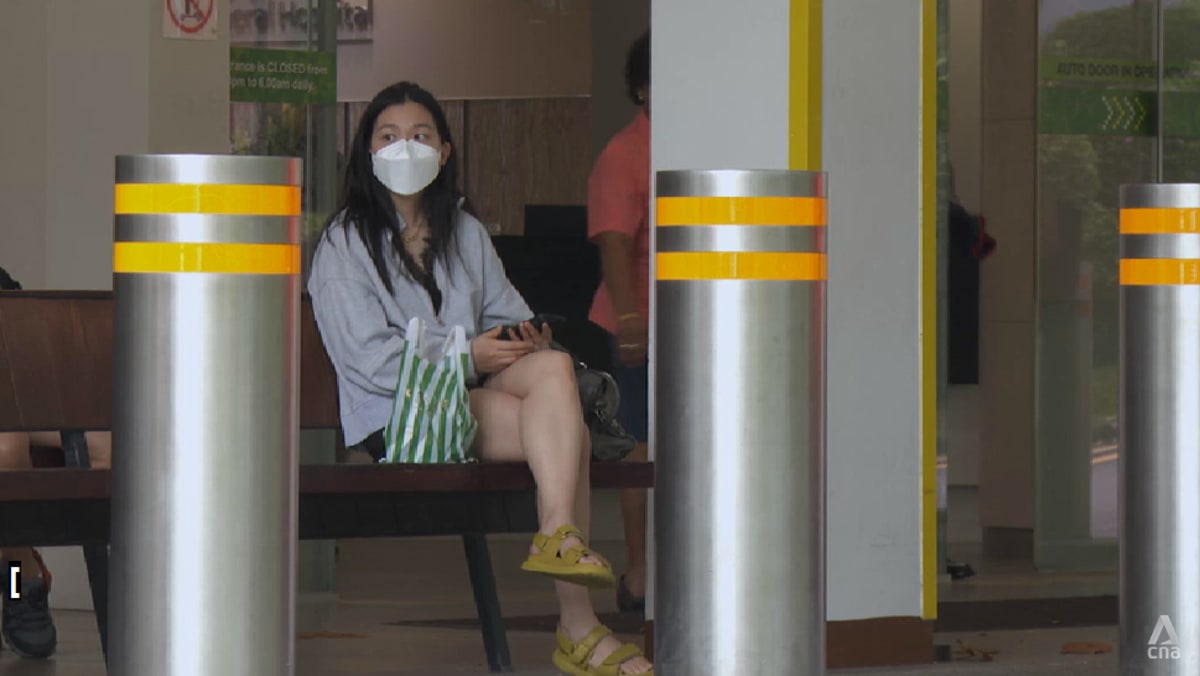
Doctors say poorer air quality can aggravate respiratory conditions, particularly among older people, young children, pregnant women and those with underlying lung or heart conditions.
The Health Ministry says that polyclinics and emergency departments have seen an increase in patients with respiratory issues over the past month.
This audio is generated by an AI tool.
SINGAPORE: Influenza activity has climbed to its highest level in 32 months, with doctors reporting a surge in patients seeking treatment for respiratory issues as Singapore continues to grapple with hazy weather .
Latest weekly statistics from the Communicable Diseases Agency (CDA) show that 44 per cent of respiratory samples tested positive for influenza from Sep 27 to Oct 3.
The figure is more than double the 20 per cent recorded at the start of August, before the haze first crossed into the unhealthy range in early September, and the highest since weekly data began in February 2024.
Health Minister Ong Ye Kung told reporters on Sunday (Oct 11) that emergency departments had seen a week-on-week increase in patients with respiratory issues, with polyclinics also reporting more such cases.
CNA Games Guess Word Crack the word, one row at a time Buzzword Create words using the given letters Mini Sudoku Tiny puzzle, mighty brain teaser Mini Crossword Small grid, big challenge Word Search Spot as many words as you can Show More Show Less The Ministry of Health (MOH) said in a statement to CNA last Thursday that polyclinics and public hospitals have haze response measures in place, which are activated according to prevailing air quality conditions. There are sufficient medical supplies to treat haze-related conditions, MOH said, adding that healthcare institutions routinely monitor their stocks to ensure they can meet increased demand during prolonged haze episodes.
The Ministry of Health (MOH) said in a statement to CNA last Thursday that polyclinics and public hospitals have haze response measures in place, which are activated according to prevailing air quality conditions.
There are sufficient medical supplies to treat haze-related conditions, MOH said, adding that healthcare institutions routinely monitor their stocks to ensure they can meet increased demand during prolonged haze episodes.
At Singapore General Hospital (SGH), Dr Chew Si Yuan, a consultant at the department of respiratory and critical care medicine, said influenza is currently the predominant cause of respiratory infection seen among patients.
“We experience flu cases all year round in Singapore … but certainly in the last one month, we have been seeing more cases than normal. Anecdotally, we have easily seen double or triple the number of cases that we normally would see,” he said.
Dr Chew added that measures have been put in place to cope with the increase in cases.
“All hospitals, including SGH, have surge preparedness plans in place. We are currently managing these cases with dynamic surge staff deployment,” he said.
During periods of haze, SGH uses air purifiers and closes the windows and doors of non-air-conditioned wards. It also steps up monitoring of higher-risk patients and offers home medication delivery to reduce unnecessary trips to the hospital.
HAZE CAN AGGRAVATE RESPIRATORY CONDITIONS
However, there is currently no strong evidence that haze makes influenza itself more severe, according to the CDA.
“If you have more cases, then of course there may be more severe cases overall. But currently, there's no increase in severity compared to (previous periods),” said Professor Lim Poh Lian, group director of CDA’s Communicable Diseases Programmes.
She added that the link between haze and influenza severity has not been well-studied, and there is insufficient evidence to conclude that haze leads to worse outcomes once a person contracts influenza.
“In general, air pollution can irritate the respiratory system, and those with chronic heart and lung disease may have more trouble once there is air pollution,” Prof Lim said.
“But in general, there's very little evidence at this time that it causes worse influenza.”
Dr Esther Pang, a senior consultant at Tan Tock Seng Hospital’s department of respiratory and critical care medicine, described the haze as a “contributing or triggering factor rather than the main cause” of respiratory deterioration.
“Patients with concomitant influenza or other respiratory infection can get more inflammation as a result of both the infection as well as the effects of the haze … but they may not necessarily be more serious than usual,” she said.
MOH says it closely monitoring the situation, and is not aware of any deaths or cases requiring intensive care due to the haze.
PM2.5 LINKED TO RISE IN EMERGENCY VISITS
Still, one concern is PM2.5, or fine particulate matter measuring 2.5 micrometres or less, which is commonly found in haze. Haze is not a single pollutant, but a mixture of particles and gases .
“The PM2.5 particles are very small, small enough to get past our natural filtration systems in our nose and upper airways. When they go deep into the lungs, they cause inflammation, which can affect the whole body,” said Dr Chew.
Research by Duke-NUS Medical School and SGH using national data over a six-year period between 2016 to 2022 found an association between PM2.5 levels and emergency department visits for asthma and chronic lung disease.
For every 10-point increase in PM2.5, emergency department visits for respiratory conditions rose by about 3 per cent, the study found.
However, the impact may only become apparent over the following days, said Professor Marcus Ong, director of Duke-NUS’ health services and systems research programme.
“When there's a spike in air pollution, you may not see an immediate effect,” he said. “But what you do see is that within the next two days, there's an increase in the number of these cases presenting to the emergency department.”
Haze blankets parts of Singapore. (Image: CNA)
Health Minister Ong has urged people with less serious respiratory symptoms to instead seek treatment at public health preparedness clinics, rather than emergency departments, which should be reserved for serious conditions.
VACCINATION, REDUCING EXPOSURE AMONG PRECAUTIONS
MOH said short-term exposure to haze – defined as continuous exposure to unhealthy daily average PSI levels over a few days – may cause irritation of the eyes, nose and throat.
Poor air quality may also worsen symptoms in people with existing respiratory conditions such as asthma and chronic obstructive pulmonary disease.
Doctors and health authorities advised people, particularly those in vulnerable groups, to keep their influenza vaccinations up to date and limit their exposure to poor air quality.
Asthma patients are also advised to use their prescribed preventer medication rather than relying only on reliever inhalers when they become breathless.
People who contract influenza should stay home when unwell, wear a mask and minimise social interactions. They should seek medical attention if their condition worsens or symptoms persist.
People should also reduce prolonged or strenuous outdoor activity when air quality warnings are in place.
Get our pick of top stories and thought-provoking articles in your inbox
Stay updated with notifications for breaking news and our best stories
Join our channel for the top reads for the day on your preferred chat app
医生表示,空气质量变差会加剧呼吸系统疾病,尤其对老年人、幼儿、孕妇以及患有肺部或心脏疾病的人群影响更大。
卫生部表示,过去一个月,综合诊所和急诊科接诊的呼吸系统疾病患者人数有所增加。
这段音频由人工智能工具生成。
新加坡:流感活动已攀升至 32 个月以来的最高水平,医生报告称,由于新加坡持续受到雾霾天气的影响,前来就诊的呼吸道疾病患者人数激增。
传染病机构(CDA)最新每周统计数据显示,9 月 27 日至 10 月 3 日期间,44% 的呼吸道样本流感检测呈阳性。
这一数字是 8 月初记录的 20% 的两倍多,当时雾霾在 9 月初首次进入不健康范围,也是自 2024 年 2 月开始每周统计数据以来的最高值。
卫生部长王乙康周日(10月11日)告诉记者,急诊科接诊的呼吸系统疾病患者人数逐周增加,综合诊所也报告了更多此类病例。
CNA游戏 猜词游戏 逐行破解单词 流行词游戏 用给定的字母组成单词 迷你数独 小小谜题,挑战你的大脑 迷你填字游戏 小方格,大挑战 单词搜索 尽可能多地找出单词 显示更多 显示更少 卫生部上周四在发给CNA的一份声明中表示,综合诊疗所和公立医院已制定雾霾应对措施,并根据当时的空气质量状况启动这些措施。卫生部表示,医疗用品充足,足以治疗与雾霾相关的疾病,并补充说,医疗机构会定期监测库存,以确保在雾霾持续时间较长的情况下能够满足增加的需求。
卫生部上周四在一份发给亚洲新闻台的声明中表示,综合诊疗所和公立医院已制定雾霾应对措施,并根据当时的空气质量状况启动这些措施。
卫生部表示,目前有足够的医疗用品来治疗与雾霾相关的疾病,并补充说,医疗机构会定期监测库存,以确保在雾霾持续时间较长的情况下能够满足不断增长的需求。
新加坡中央医院(SGH)呼吸与重症监护医学科顾问医生周思源表示,流感目前是患者呼吸道感染的主要原因。
“新加坡一年四季都会出现流感病例……但过去一个月,病例数量确实比往常多得多。据我们观察,病例数量很容易达到往常的两到三倍,”他说。
周医生补充说,已采取措施应对病例增加的情况。
他说:“包括新加坡中央医院在内的所有医院都已制定了应对疫情高峰的预案。我们目前正在通过灵活调配应急人员来应对这些病例。”
雾霾期间,新加坡中央医院会使用空气净化器,并关闭没有空调病房的门窗。此外,医院还会加强对高风险患者的监测,并提供送药上门服务,以减少患者不必要的就医次数。
雾霾会加重呼吸系统疾病
然而,据加拿大农业部称,目前尚无强有力的证据表明雾霾会使流感本身更加严重。
“如果病例增多,那么重症病例总体上当然可能会更多。但目前,与(前期)相比,重症病例并没有增加,”新加坡疾病控制署传染病项目组主任林宝莲教授说。
她补充说,雾霾与流感严重程度之间的联系尚未得到充分研究,也没有足够的证据表明雾霾会导致感染流感后病情恶化。
林教授说:“一般来说,空气污染会刺激呼吸系统,患有慢性心脏病和肺病的人一旦遇到空气污染,病情可能会更加严重。”
“但总的来说,目前几乎没有证据表明它会导致更严重的流感。”
陈笃生医院呼吸与重症监护医学科高级顾问彭医生将雾霾描述为呼吸恶化的“促成因素或触发因素,而不是主要原因”。
“同时患有流感或其他呼吸道感染的患者,由于感染和雾霾的影响,可能会出现更严重的炎症……但他们的病情未必比平时更严重,”她说。
卫生部表示,他们正在密切关注情况,目前尚未发现因雾霾造成的死亡或需要重症监护的病例。
PM2.5与急诊就诊量上升有关
然而,PM2.5,即直径小于或等于2.5微米的细颗粒物,仍然令人担忧,它常见于雾霾中。雾霾并非单一污染物,而是颗粒物和气体的混合物。
周医生说:“PM2.5颗粒非常小,小到足以穿过我们鼻子和上呼吸道的天然过滤系统。当它们深入肺部时,会引起炎症,进而影响全身。”
杜克-新加坡国立大学医学院和新加坡中央医院利用 2016 年至 2022 年六年间的国家数据进行的研究发现,PM2.5 水平与因哮喘和慢性肺病而前往急诊室就诊之间存在关联。
研究发现,PM2.5 每增加 10 个单位,因呼吸系统疾病而前往急诊室就诊的人数就会增加约 3%。
杜克-新加坡国立大学健康服务与系统研究项目主任马库斯·翁教授表示,这种影响可能要到接下来的几天才会显现出来。
他说:“当空气污染激增时,你可能不会立即看到影响。但你会发现,在接下来的两天内,前往急诊室就诊的病例数量会增加。”
新加坡部分地区笼罩在雾霾之中。(图片来源:CNA)
卫生部长王毅敦促呼吸道症状较轻的人前往公共卫生应急诊所就诊,而不是去急诊部门,急诊部门应该留给病情严重的患者。
接种疫苗、减少接触是预防措施之一
卫生部表示,短期暴露于雾霾(定义为连续几天暴露于不健康的日均PSI水平)可能会刺激眼睛、鼻子和喉咙。
空气质量差也可能加重患有哮喘和慢性阻塞性肺病等呼吸系统疾病患者的症状。
医生和卫生部门建议人们,特别是弱势群体,及时接种流感疫苗,并减少暴露于空气质量差的环境中。
建议哮喘患者使用医生开具的预防性药物,而不是仅仅在呼吸困难时才使用缓解性吸入器。
感染流感的人如果感到不适,应该待在家中,佩戴口罩,并尽量减少社交活动。如果病情恶化或症状持续,则应及时就医。
当空气质量预警生效时,人们也应该减少长时间或剧烈的户外活动。
订阅我们的邮件,即可获取精选热点新闻和引人深思的文章。
订阅通知,第一时间获取突发新闻和精彩报道。
加入我们的频道,即可在您常用的聊天应用上获取当日热门文章。