Metal bars over nursing home beds: Thai scandal exposes South-east Asia’s care gap泰国养老院床铺上方加装金属栏杆:丑闻暴露东南亚护理缺口
BANGKOK, Oct 12 — Thai officials have found a nursing home where residents could be confined under metal bars fitted over their beds, in a scandal that is shining a light on how...
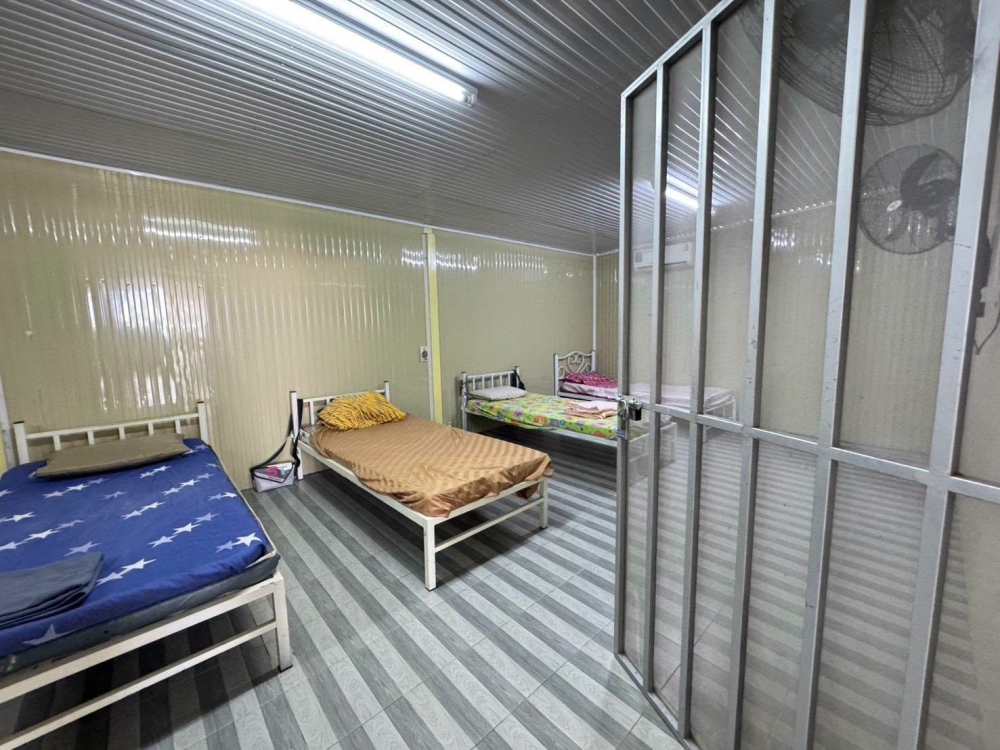
The discovery of a nursing home in Thailand where residents were allegedly confined under metal bars has sparked a scandal highlighting challenges in caring for the region's ageing population.
The Thai Public Health Ministry has initiated legal action and revoked the facility's licence upon finding multiple violations, including overcrowding and inadequate facilities.
This incident underscores the rising demand for elderly care and the strain it puts on existing regulatory frameworks.
The broader issue of ageing populations, notably in South-east Asia, calls for governments to enhance caregiving standards and establish more sustainable long-term care systems.
BANGKOK, Oct 12 — Thai officials have found a nursing home where residents could be confined under metal bars fitted over their beds, in a scandal that is shining a light on how South-east Asia cares for its fast-growing older population.
Sothornchai Nursing Home in Kanchanaburi, western Thailand, came under scrutiny after a 63-year-old woman told a television programme she was held there for more than two years against her will, according to local and regional media reports.
Public Health Minister Pattana Promphat instructed the Department of Health Service Support (DHSS) to take immediate legal action if violations were found, the department said on its official Facebook page on October 6.
DHSS director-general Dr Phuwadet Surakot, who led the inspection, said officials found a room with iron bars and a lock on the outside, razor wire around the service area, and beds fitted with extra metal bars that could be closed over residents.
The home had 129 beds despite approval for only 50, and its service area had grown from the approved 1,600 square metres to 4,641 square metres, according to the DHSS.
Some residents did not fall within the categories the home was licensed to care for, including psychiatric patients taking medication and patients recovering from drug addiction, and their records held no medical certificates documenting their diagnoses, the department said.
Inspectors also reported no wastewater treatment system, cracked bathroom floors and insecticides stored alongside food ingredients, according to the DHSS.
The department said it would investigate the admission of psychiatric patients under the Health Establishment Act 2016 and consider suspending or revoking the home’s licence.
It revoked the licence on October 7, Nation Thailand reported.
The owner defended the bed cages as a way to stop confused residents from falling, telling reporters on October 7 that they were for the residents’ protection, according to Thai media.
She later described the cages as an innovation in the care sector, seemingly unmoved by public anger over images of frail residents inside them.
The owner’s son told a Thai television programme on October 6 that he designed the cages himself as a safety measure after learning from incidents involving patients, Thai news outlet Khaosod English reported.
He said he was prepared to take responsibility for shortcomings in assessing patients and reviewing their medical records, and acknowledged that the cages’ design and appearance also mattered.
Thailand’s Department of Mental Health rejected the claim that the cages were standard psychiatric care, Nation Thailand reported.
Thailand has since ordered checks on about 1,200 registered care centres within two months.
The scandal strikes a nerve in South-east Asia because Thailand is the second-fastest ageing country in the region after Singapore, Hong Kong newspaper South China Morning Post ( SCMP ) reported.
Thirty per cent of Thais are expected to be aged 60 and above by 2035, according to the World Bank, although Thai authorities say that point could come sooner, the SCMP said.
“We have the personnel, but we don’t have the budget,” Thai Opposition MP and palliative care expert Ekkapop Sittiwantana was quoted as saying.
He said no Thai government has dared to fund long-term care through taxes or a dedicated fund for fear of losing votes, leaving families to carry the burden.
The pressure extends well beyond Thailand, with the UN Economic and Social Commission for Asia and the Pacific estimating that 14 per cent of people in Asia and the Pacific were aged 60 or above in 2022, and projecting that the share will reach 26 per cent by 2050.
Singapore has already become a “super-aged” society, with 21.4 per cent of citizens aged 65 and above, according to the National Population and Talent Division’s Population in Brief 2026 report.
Malaysia is following the same path, with the Department of Statistics Malaysia estimating that 2.9 million people, or 8.4 per cent of the population, were aged 65 and above in 2026.
Women, Family and Community Development Minister Datuk Seri Nancy Shukri said on October 4 that Malaysia is expected to become an aged nation by 2036, when people aged 60 and above are projected to make up 15 per cent of the population.
Nancy said her ministry is drawing up a Strategic Framework and Care Action Plan 2026–2030 to set professional caregiving standards.
The Thai case shows what can happen when demand for care outgrows regulated capacity, a test that governments across the region are now facing.
NZ bank in free speech row over 'explicit' sheep memes
From forest gold to bottled fragrance, UTM gives agarwood new life
Italian rice farmer beats heat with biodiversity haven
Malaysia is getting a new e-commerce law, what could change for online shoppers?
Firefly cancels Subang-Singapore flights until October 14 as haze persists
Federal-state cooperation key to inclusive, sustainable development, says Anwar
泰国一家养老院被发现存在将居民囚禁在金属栅栏下的丑闻,引发了一场轩然大波,凸显了该地区在照顾老龄人口方面面临的挑战。
泰国公共卫生部发现该机构存在多项违规行为,包括过度拥挤和设施不足,已提起法律诉讼并吊销了该机构的营业执照。
这一事件凸显了老年护理需求的不断增长以及对现有监管框架带来的压力。
人口老龄化这一更广泛的问题,尤其是在东南亚地区,要求各国政府提高护理标准,并建立更可持续的长期护理体系。
曼谷,10 月 12 日——泰国官员发现一家养老院,院内居民可能被限制在床上的金属栏杆下。这一丑闻揭示了东南亚如何照顾其快速增长的老龄人口。
据当地和区域媒体报道,泰国西部北碧府的索通猜疗养院受到密切关注,此前一名 63 岁的妇女在电视节目中表示,她被非法拘禁在那里两年多。
公共卫生部长帕塔纳·普罗姆帕特指示卫生服务支持部(DHSS)如果发现违规行为,立即采取法律行动。该部门于10月6日在其官方Facebook页面上发布了这一消息。
负责此次检查的卫生和社会保障部总干事普瓦德·苏拉科特博士表示,官员们发现一个房间外面装有铁栅栏和锁,服务区周围有铁丝网,床铺上装有额外的金属栅栏,可以夹住住户。
据卫生和社会保障部称,该养老院虽然只获批了 50 张床位,但实际却有 129 张床位,其服务面积也从获批的 1600 平方米扩大到 4641 平方米。
该部门表示,一些居民不属于该养老院获准照护的类别,包括正在服药的精神病患者和正在戒毒的患者,而且他们的记录中没有医疗证明来记录他们的诊断结果。
据卫生和社会服务部称,检查人员还报告说,没有废水处理系统,浴室地板开裂,杀虫剂与食品原料一起存放。
该部门表示,将根据 2016 年《卫生机构法》调查精神病患者的入院情况,并考虑暂停或吊销该机构的执照。
据《泰国民族报》报道,该机构于10月7日吊销了该许可证。
据泰国媒体报道,业主辩称,床笼是为了防止迷路的居民摔倒,并于 10 月 7 日告诉记者,这是为了保护居民。
她后来将这些笼子描述为护理行业的创新,似乎并未受到公众对笼内体弱居民照片的愤怒情绪的影响。
据泰国新闻媒体 Khaosod English 报道,店主的儿子于 10 月 6 日在泰国一档电视节目中表示,他是在吸取了涉及病人的事故教训后,出于安全考虑,亲自设计了这些笼子。
他表示愿意承担在评估病人和审查病历方面存在的不足,并承认笼子的设计和外观也很重要。
据《泰国民族报》报道,泰国精神卫生部驳斥了笼子是标准精神病护理的说法。
泰国随后下令在两个月内对约 1200 家注册护理中心进行检查。
据香港《南华早报》报道,这起丑闻在东南亚引起了强烈反响,因为泰国是该地区老龄化速度第二快的国家,仅次于新加坡。
世界银行预测,到 2035 年,泰国 30% 的人口将达到 60 岁及以上;但据《南华早报》报道,泰国当局表示,这一数字可能会提前到来。
泰国反对党议员兼临终关怀专家埃卡波·西蒂万塔纳表示:“我们有人员,但我们没有预算。”
他说,泰国历届政府都不敢通过税收或专项基金来资助长期护理,因为害怕失去选票,最终只能让家庭承担负担。
这种压力远不止于泰国,联合国亚洲及太平洋经济社会委员会估计,2022 年亚洲及太平洋地区 60 岁及以上人口占 14%,并预测到 2050 年这一比例将达到 26%。
根据国家人口与人才署发布的《2026 年人口简报》,新加坡已成为一个“超老龄化”社会,65 岁及以上公民占 21.4%。
马来西亚也遵循同样的规律,马来西亚统计局估计,到 2026 年,65 岁及以上的人口将达到 290 万,占总人口的 8.4%。
妇女、家庭及社区发展部长拿督斯里南希·舒克里于10月4日表示,马来西亚预计将在2036年成为一个老龄化国家,届时60岁及以上人口预计将占总人口的15%。
南希表示,她的部门正在制定 2026-2030 年战略框架和护理行动计划,以制定专业护理标准。
泰国的案例表明,当护理需求超过监管能力时会发生什么,这是该地区各国政府目前面临的考验。
新西兰银行因“露骨”绵羊表情包引发言论自由争议
从森林黄金到瓶装香水,UTM赋予沉香新的生命
意大利稻农利用生物多样性避暑胜地
马来西亚即将出台新的电子商务法,这对网上购物者来说会有哪些变化?
由于雾霾持续,萤火虫航空取消梳邦至新加坡的航班,直至10月14日。
安瓦尔表示,联邦与各州合作是实现包容性、可持续发展的关键。