Small uptick in polyclinic, emergency room visits in Singapore due to haze: MOH新加坡卫生部:雾霾导致综合诊所和急诊室就诊量略有上升。
MOH is not aware of any deaths or haze-related cases sent to the ICUs. Read more at straitstimes.com.
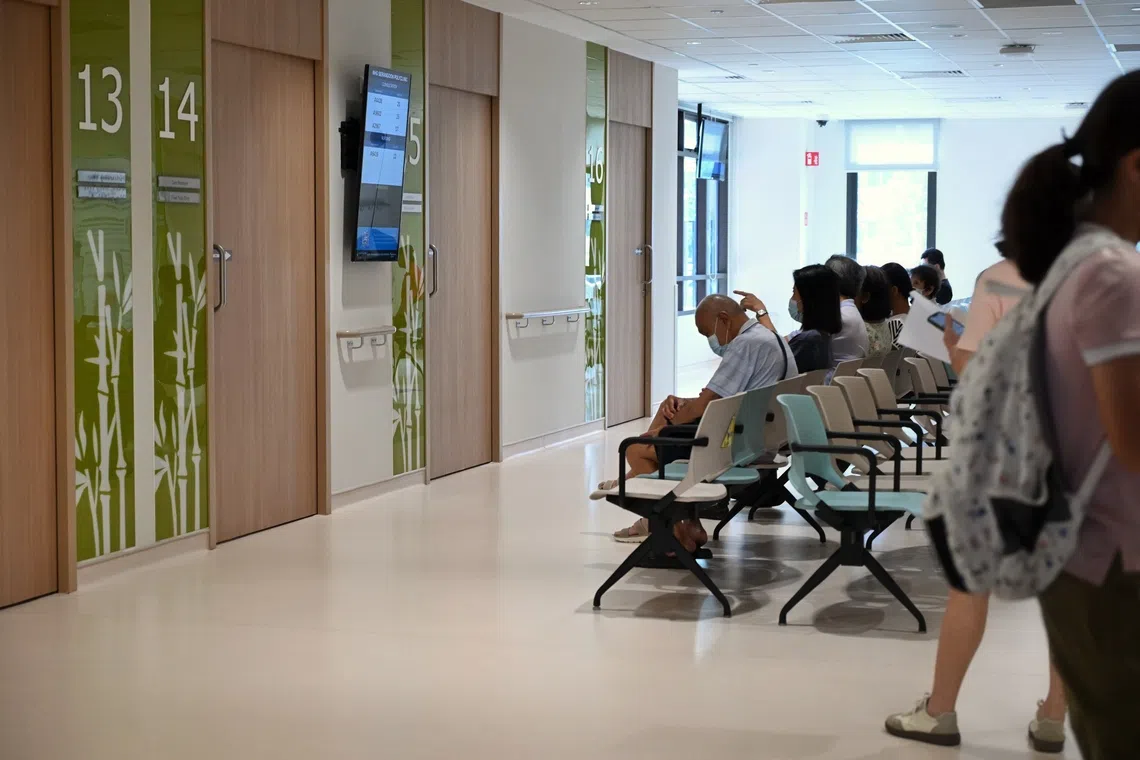
Hazy conditions can cause flare-up of chronic conditions, and could result in the spread of infectious diseases as people congregate indoors.
ST PHOTO: KUA CHEE SIONG
Published Oct 13, 2026, 05:05 PM
Updated Oct 13, 2026, 05:05 PM
Singapore is seeing a small rise in clinic and emergency visits as haze continues, with MOH noting a “slight uptick” and no deaths or ICU cases linked to the haze.
GPs and telemedicine providers report a 20 to 30 per cent rise in patients with runny noses, sore throats, asthma, eye irritation and other haze-related symptoms, with some chronic cases worsening.
The Government will subsidise haze treatment at clinics and polyclinics, while hospitals, nursing homes and caregivers prepare for longer health and daily-life effects, especially for children and seniors.
SINGAPORE - As unhealthy air continues to linger over Singapore , there has been a small spike in visits to clinics and emergency rooms due to haze-related health issues.
Hazy conditions can also cause flare-up of chronic conditions, and could result in the spread of infectious diseases as people congregate indoors, doctors here told The Straits Times.
The Ministry of Health said in a response coordinated with hospitals here that it has observed a “slight uptick” in emergency room and polyclinic visits. It did not cite figures.
“ We are not aware of any cases requiring intensive care unit admission or any mortalities due to the haze,” the MOH spokesperson added .
MOH was responding to queries from ST on whether the haze had led to an increase in the number of patients visiting hospitals’ emergency departments, following the recent publication of a local study that had linked small spikes in haze pollutant concentrations with emergency room visits.
The study published on Sept 28 found that for every 10 microgram per cubic m increase in pollutant PM2.5 above a reference level, emergency visits for asthma and lung disease increased by 3.2 per cent over the following two days .
The dominant air pollutant during haze is PM2.5 - micro-particles that can get lodged deep into the lungs and enter the bloodstream.
GPs and telemedicine providers also say they have seen a 20 to 30 per cent increase in patients with symptoms that are linked to the haze.
These include runny nose, sore throat, sneezing, conjunctivitis and eye irritation, asthma, skin rashes and respiratory issues.
Sharon Ngoh, acting medical director of Parkway Shenton said compared to the modest uptick in cases in mid-September, the picture has become more sustained as the haze has persisted since October.
Air quality in Singapore dipped into unhealthy levels for the first time in three years on Sept 4, and hazy conditions have hung over the country since then.
She has observed a gradual increase in patient visits across Parkway Shenton’s more than 40 clinics islandwide, with haze-related health conditions making up around 30 per cent of all visits, up from 20 per cent before the haze set in.
“Cumulative exposure, rather than any single day of poor air quality, is driving the (health) burden,” she said.
“We are also seeing more patients reporting headaches and fatigue, which they associate with haze exposure,” added Ngoh.
Singapore is currently facing its longest episode of unhealthy air that started on Oct 5 . Air quality is considered unhealthy when PSI levels are 101 and above.
In the afternoon of Oct 13, all regions in Singapore registered unhealthy air quality of between 128 and 174 on the PSI.
The Pollutant Standards Index (PSI) crept close to the “very unhealthy” range of 201 and above on Oct 9. The PSI hit 192 in central Singapore at 6pm that day , the highest so far in 2026.
Patients with pre-existing chronic respiratory conditions, such as asthma and lung disease may also experience worsening symptoms, including increased coughing, wheezing, chest tightness and shortness of breath.
Doctors interviewed say the prolonged haze has caused flare-ups of asthma cases in patients who have had the condition well-controlled for years. At the same time, the spike in haze-related cases is overlapping with the Influenza A season.
Raffles Medical’s family physician Yak Sin Lin said: “Some patients had not had symptoms for a long while and suddenly had to start using their inhalers again.”
She advised asthmatic patients who need to use their inhalers more frequently to visit their GP for evaluation just in case they need to adjust doses and relook their plans to manage symptoms.
Over the past two weeks, Raffles Hospital’s 24 Hour Acute and Critical Care clinic has seen a 10 per cent rise in respiratory cases.
Family physician Mark Sim from Island Family Clinic’s Sengkang branch noticed rising Influenza cases over the past month.
“Haze can irritate inflamed airways, so patients with flu may have more cough and breathlessness and take longer to recover,” he added, reminding people with fever, breathlessness, or chest pain to see the doctor instead of assuming their symptoms are caused by the haze alone.
Sim added that most of his patients with haze-related conditions are preschoolers and primary school students, as well as seniors.
International Medical Clinic’s medical director Lim Hui Ling noted that haze particles can be a carrier for viruses to get deeper into the respiratory system.
As people avoid the outdoors, they may congregate more indoors which can increase the chances of catching respiratory infections, she added.
The recent F1 weekend was another trigger, she noted.
“Just saw a patient with severe asthma who was attending outdoor concerts for three days. She has not had the influenza vaccine. She caught a respiratory infection because she was in a crowded concert situation, plus the haze exacerbated her asthma,” said Lim.
The haze has had an impact even in indoor spaces such as community hospitals and nursing homes.
There were 10 per cent more patients with respiratory conditions at the Ang Mo Kio – Thye Hua Kwan Hospital, and at the two Thye Hua Kwan nursing homes, respiratory ailments affected 17 per cent more residents who are immunocompromised or have lung and heart conditions.
The community hospital is closely managing patients’ symptoms and nutrition, and may consider administering antibiotics and antivirals where necessary, said a spokesperson.
Shravan Verma, chief executive of telemedicine and home medical service Speedoc said another concern beyond the respiratory effects is how the haze disrupts the daily routines of older adults.
“Patients who normally enjoy morning walks have had to stay indoors, reducing opportunities for physical activity and social interaction,” he said.
Verma urged caregivers to encourage seniors to move more indoors and keep them engaged.
He added: “Prolonged inactivity can affect mobility, while reduced social interaction can take a toll on mood and quality of life.”
From Oct 12, Singaporeans seeking treatment for haze-related conditions will be able to receive subsidised care at polyclinics and GP clinics under the Public Health Preparedness Clinic Scheme.
All Singapore citizens will pay no more than $10 when they seek treatment at polyclinics for such ailments under the Haze Subsidy Scheme (HSS).
Pioneer Generation and Merdeka Generation seniors will have their out-of-pocket costs capped at $5, while those on the Public Assistance scheme will enjoy fully subsidised care.
MOH said healthcare institutions conduct routine stock checks to ensure there is sufficient medications available to meet the needs of more patients during prolonged haze episodes.
Shabana Begum is a correspondent, with a focus on environment and science, at The Straits Times.
Respiratory illnesses
雾霾天气会导致慢性疾病复发,并可能因人们聚集在室内而导致传染病传播。
《海峡时报》摄影:郭志雄
发布于 2026 年 10 月 13 日下午 5:05
更新于2026年10月13日下午5:05
随着雾霾持续,新加坡诊所和急诊就诊人数略有上升,卫生部指出就诊人数“略有上升”,但没有死亡或重症监护病例与雾霾有关。
全科医生和远程医疗服务提供商报告称,出现流鼻涕、喉咙痛、哮喘、眼睛刺激和其他雾霾相关症状的患者增加了 20% 到 30%,一些慢性病例病情恶化。
政府将补贴诊所和综合诊所的雾霾治疗,同时医院、疗养院和护理人员要做好准备,应对雾霾对健康和日常生活造成的长期影响,特别是对儿童和老年人的影响。
新加坡——由于空气污染持续笼罩新加坡,因雾霾引起的健康问题而前往诊所和急诊室就诊的人数略有增加。
新加坡医生告诉《海峡时报》,雾霾天气也可能导致慢性疾病复发,并可能因人们聚集在室内而导致传染病传播。
卫生部与当地医院联合发表声明称,已观察到急诊室和门诊就诊量“略有上升”,但未提供具体数字。
卫生部发言人补充说:“我们尚未发现任何因雾霾导致需要入住重症监护室或死亡的病例。”
卫生部正在回应《海峡时报》的询问,即雾霾是否导致前往医院急诊科就诊的患者人数增加。此前,当地一项研究发表,该研究将雾霾污染物浓度的小幅飙升与急诊室就诊人数联系起来。
9 月 28 日发表的研究发现,当污染物 PM2.5 浓度每增加 10 微克/立方米(高于参考水平)时,接下来两天内因哮喘和肺病而急诊就诊的人数就会增加 3.2%。
雾霾期间的主要空气污染物是 PM2.5——一种可以深入肺部并进入血液的微粒。
全科医生和远程医疗服务提供商也表示,他们发现与雾霾相关的症状患者增加了 20% 到 30%。
这些症状包括流鼻涕、喉咙痛、打喷嚏、结膜炎和眼睛刺激、哮喘、皮疹和呼吸系统问题。
百汇珊顿医院代理医疗总监吴莎伦表示,与9月中旬病例略有上升的情况相比,随着10月份雾霾持续,病例数上升的趋势变得更加持续。
9月4日,新加坡空气质量三年来首次降至不健康水平,此后该国一直笼罩在雾霾之中。
她观察到百汇珊顿在全岛 40 多家诊所的就诊人数逐渐增加,与雾霾相关的健康问题约占所有就诊人数的 30%,而雾霾出现之前这一比例为 20%。
她说:“造成(健康)负担的原因是空气质量恶化的累积性暴露,而不是任何一天的空气质量差。”
Ngoh补充道:“我们还发现越来越多的患者报告出现头痛和疲劳症状,他们认为这些症状与雾霾有关。”
新加坡目前正面临自10月5日开始的持续时间最长的空气质量不健康时期。当PSI值达到101及以上时,空气质量即被视为不健康。
10 月 13 日下午,新加坡所有地区的空气质量指数 (PSI) 均在 128 至 174 之间,属于不健康水平。
10 月 9 日,污染物标准指数 (PSI) 逼近 201 及以上的“非常不健康”范围。当天下午 6 点,新加坡中部地区的 PSI 达到 192,为 2026 年迄今为止的最高值。
患有哮喘、肺病等慢性呼吸系统疾病的患者也可能出现症状加重的情况,包括咳嗽加剧、喘息、胸闷和呼吸急促。
接受采访的医生表示,持续的雾霾导致一些多年来病情控制良好的哮喘患者出现哮喘复发。与此同时,雾霾相关病例的激增恰逢甲型流感流行季。
莱佛士医疗中心的家庭医生林耀新表示:“有些患者已经很久没有出现症状了,但突然间又不得不开始使用吸入器。”
她建议需要更频繁使用吸入器的哮喘患者去看全科医生进行评估,以防需要调整剂量并重新审视他们的症状控制方案。
过去两周,莱佛士医院 24 小时急症和重症监护诊所的呼吸道疾病病例增加了 10%。
岛屿家庭诊所盛港分院的家庭医生 Mark Sim 注意到,过去一个月流感病例有所增加。
“雾霾会刺激发炎的气道,因此流感患者可能会出现更严重的咳嗽和呼吸困难,并且需要更长时间才能康复,”他补充道,并提醒出现发烧、呼吸困难或胸痛症状的人去看医生,而不是假设他们的症状仅仅是由雾霾引起的。
Sim补充说,他治疗雾霾相关疾病的患者大多是学龄前儿童、小学生以及老年人。
国际医疗诊所的医疗主任林慧玲指出,雾霾颗粒可能成为病毒的载体,使病毒更深入地进入呼吸系统。
她补充说,由于人们避免外出,他们可能会更多地聚集在室内,这会增加感染呼吸道疾病的几率。
她指出,最近的F1周末赛事是另一个触发因素。
林医生说:“我刚刚接诊了一位患有严重哮喘的病人,她连续三天参加了户外音乐会。她没有接种流感疫苗。由于身处拥挤的音乐会环境,加上雾霾加剧了她的哮喘,她感染了呼吸道疾病。”
雾霾甚至对社区医院和养老院等室内场所都产生了影响。
宏茂桥-泰华馆医院的呼吸系统疾病患者增加了 10%,泰华馆的两家疗养院中,免疫功能低下或患有肺部和心脏疾病的居民中,呼吸系统疾病患者增加了 17%。
一位发言人表示,社区医院正在密切管理患者的症状和营养状况,并可能在必要时考虑使用抗生素和抗病毒药物。
远程医疗和家庭医疗服务公司 Speedoc 的首席执行官 Shravan Verma 表示,除了对呼吸系统的影响外,另一个令人担忧的问题是雾霾如何扰乱老年人的日常生活。
他说:“通常喜欢晨练的患者现在不得不待在室内,这减少了他们进行体育锻炼和社交互动的机会。”
维尔玛敦促护理人员鼓励老年人多在室内活动,并让他们保持活跃。
他补充说:“长期缺乏运动会影响行动能力,而社交互动减少会对情绪和生活质量造成影响。”
从 10 月 12 日起,新加坡人若要治疗与雾霾相关的疾病,将可根据公共卫生防备诊所计划在综合诊疗所和全科诊所获得补贴治疗。
根据雾霾补贴计划(HSS),所有新加坡公民在综合诊所就诊治疗此类疾病时,支付的费用不会超过 10 新元。
建国一代和独立一代的老年人自付费用上限为 5 新元,而领取公共援助计划的老年人将享受全额补贴的护理服务。
卫生部表示,医疗机构会进行例行库存检查,以确保有足够的药品来满足在雾霾持续时间较长期间更多患者的需求。
沙巴娜·贝古姆是《海峡时报》的记者,主要关注环境和科学领域。
呼吸系统疾病