Children without citizenship eligible for school if one parent is Malaysian, says Sarawak minister砂拉越部长表示,如果父母一方是马来西亚公民,没有公民身份的儿童也有资格入学。
KUCHING, Oct 14 — Children who do not yet hold Malaysian citizenship remain eligible for access to education at government or government-aided schools if they have at least one...
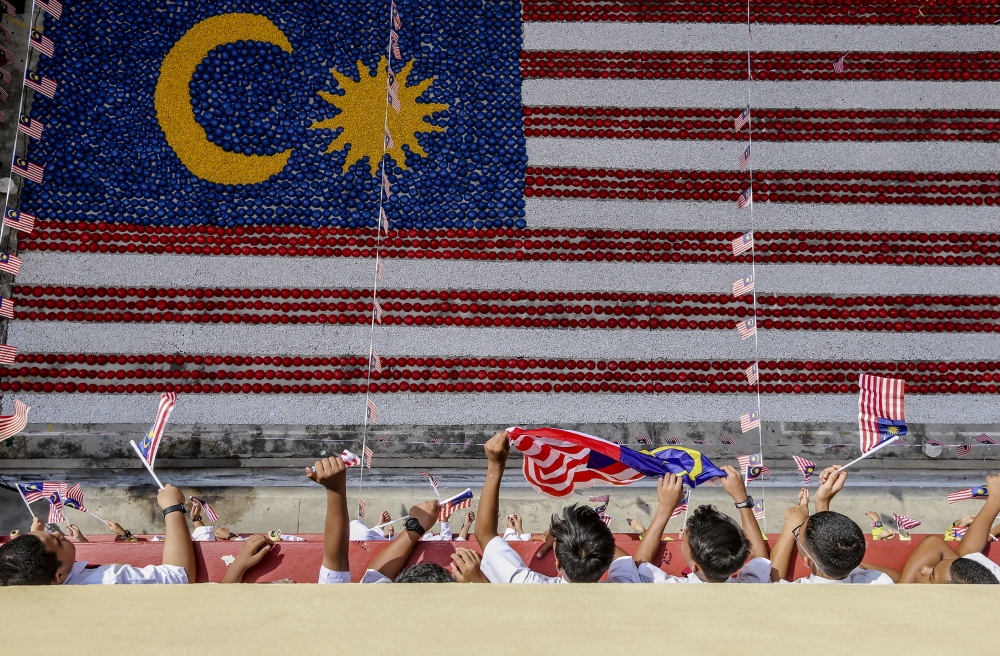
Children without Malaysian citizenship can attend government schools if they have one Malaysian parent, following MOE conditions and procedures.
Education Act 1996 and the Education Regulations 1998 govern eligibility and require the Malaysian parent's details on the child's birth certificate.
Main reasons for children being non-citizens include unregistered marriages and mothers without valid identification, and efforts are underway to address these issues.
KUCHING, Oct 14 — Children who do not yet hold Malaysian citizenship remain eligible for access to education at government or government-aided schools if they have at least one biological parent who is a Malaysian citizen, subject to the conditions and procedures of the Education Ministry (MOE).
Sarawak Minister of Women, Childhood and Community Wellbeing Development Datuk Seri Fatimah Abdullah said this eligibility is governed by the Education Act 1996 (Act 550), the Education Regulations 1998 and MOE procedures currently in force.
“For the purpose of school admission, information on the biological parent who is a Malaysian citizen must be stated in the child’s birth certificate.
“Citizenship status and access to education are two separate matters,” she said during the question-and-answer session at the Sarawak State Legislative Assembly sitting here today.
She was responding to a question from Dr Johnichal Rayong Ngipa (GPS-Engkilili) on the status of children with a non-citizen parent but who were born and raised in Sarawak, as well as their eligibility to attend school.
Meanwhile, she said records from the National Registration Department (JPN) showed that 224 children born in Sarawak were registered as non-citizens between January and August this year.
“Among the main factors causing children to be registered as non-citizens or issued pink birth certificates are their parents’ marriages not registered or not recognised under Malaysian law.
“Other factors include mothers without valid identification documents, as well as cases of children who were found abandoned,” she said in reply to a supplementary question from Dr Rayong.
She said the state government is stepping up efforts to reduce the problem, including holding dialogues with communities and running awareness campaigns to encourage lawful marriage registration.
In addition, assistance will be given to mothers born in Sarawak but lacking identification documents to obtain such documents through the channels and procedures set out under the Sarawak Births and Deaths Registration Ordinance (Chapter 10). — Bernama
King receives courtesy visit from Melaka governor ahead of Conference of Rulers meeting
Thick smoke seen near DUKE Highway traced to burning streetlight
Takiyuddin, Kiandee among four MPs appointed to Parliamentary Service Council
不符合马来西亚国籍的儿童,如果父母一方是马来西亚公民,可以按照教育部规定的条件和程序就读政府学校。
1996 年教育法令及 1998 年教育条例规定了入学资格,并要求在孩子的出生证明上注明马来西亚籍父母的详细信息。
导致儿童不具备公民身份的主要原因包括未登记的婚姻和母亲没有有效身份证件,目前正在努力解决这些问题。
古晋,10 月 14 日讯——根据教育部(MOE)的规定和程序,即使儿童尚未获得马来西亚公民身份,只要其至少有一位亲生父母是马来西亚公民,他们仍然有资格在政府或政府资助的学校接受教育。
砂拉越妇女、儿童及社区福祉发展部长拿督斯里法蒂玛·阿卜杜拉表示,这项资格受1996年教育法令(第550号法令)、1998年教育条例和教育部现行程序的约束。
“就入学而言,孩子的出生证明上必须注明其生父(马来西亚公民)的信息。”
“公民身份和受教育权是两回事,”她在今天于此举行的砂拉越州立法议会问答环节中说道。
她当时正在回答约翰尼查尔·拉永·恩吉帕博士(GPS-Engkilili)提出的问题,该问题涉及父母一方为非公民但在砂拉越出生和长大的儿童的身份,以及他们是否有资格上学。
与此同时,她表示,国民登记局 (JPN) 的记录显示,今年 1 月至 8 月期间,在砂拉越出生的 224 名儿童被登记为非公民。
“导致儿童被登记为非公民或获得粉红色出生证明的主要原因之一是其父母的婚姻未在马来西亚法律下登记或不被承认。
“其他因素包括母亲没有有效的身份证件,以及儿童被遗弃的案例,”她在回答罗勇医生的补充提问时说道。
她说,州政府正在加大力度减少这一问题,包括与社区进行对话,并开展宣传活动,鼓励合法婚姻登记。
此外,对于在砂拉越出生但缺少身份证明文件的母亲,将根据《砂拉越出生及死亡登记条例》(第10章)规定的渠道和程序,协助她们获得此类文件。——马新社
在统治者会议召开前夕,国王会见了马六甲州州长。
DUKE高速公路附近出现浓烟,经查为路灯燃烧所致。
塔基尤丁、基安迪等四名议员被任命为议会服务委员会成员