Is Singapore’s wealth gap the new social divide?新加坡的贫富差距是否已成为新的社会鸿沟?
Singapore wealth gap: why owning assets matters more than income in the debate over social mobility and cohesion. Read more at straitstimes.com.
新闻视频
In Your Opinion Podcast
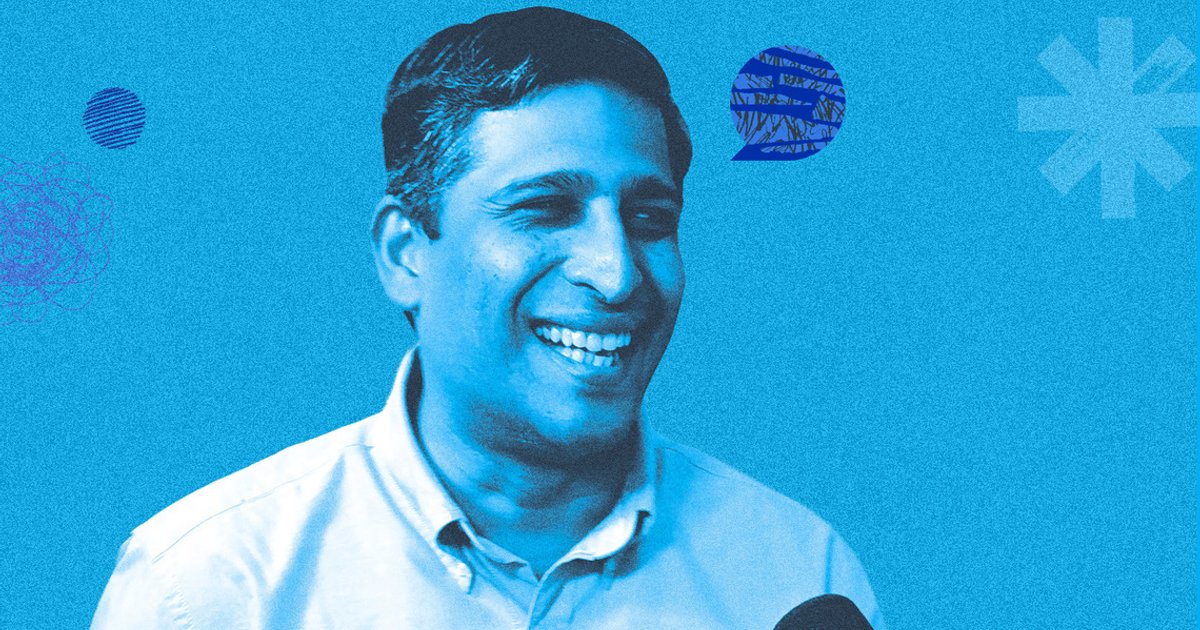
IPS’ Mathew Mathews unpacks why a high salary can’t protect you like a wealth buffer can.
Published Oct 14, 2026, 06:00 PM
Updated Oct 14, 2026, 06:00 PM
Synopsis: Conversations and interviews that give you something to think about. Each Wednesday, In Your Opinion speaks to thinkers, leaders, and the people shaping our lives and the issues of the day.
The average wealth held by the top 20% of households stands at $5.3 million. That is 18 times more than the bottom 20%, whose average wealth sits at $293,000, according to an occasional paper titled Income Growth, Inequality, and Social Mobility Trends in Singapore published by the Ministry of Finance (MOF) in February 2026.
While government policies and wage initiatives have successfully lowered income inequality, MOF’s 2026 occasional paper reveals that Singapore’s wealth Gini coefficient now stands at 0.55.
In this episode of In Your Opinion, host Lynda Hong sits down with Mathew Mathews, principal research fellow at the Institute of Policy Studies, National University of Singapore (NUS), to unpack the critical difference between earning and owning.
They explore why real income growth alone cannot bridge the mobility gap if lower-income families lack the disposable cash needed to invest in property or compounding assets. Mathews explains how accumulated wealth acts as a vital psychological and practical buffer against economic shocks, particularly for lower-income households.
The conversation dives into the future of the Singaporean social fabric, tackling the threat of AI-driven job disruptions, the dangers of retail investing without financial literacy, and the potential for a universal basic capital model. Finally, they discuss whether slowing relative mobility means the traditional status symbols — like car ownership — are irrelevant, or simply being revisioned by a new generation.
Highlights (click/tap above):
00:48 Why did MOF focus on wealth inequality recently
2:16 Income vs wealth: When what you own matters more
3:52 Can two families with the same income but varying wealth withstand economic shocks?
5:05 How wealth protects children’s opportunities for the future
5:35 Impact of AI on widening income inequality
8:49 Why salary growth doesn’t equal social mobility
12:00 How to generate wealth apart from property and CPF
15:12 The hidden risks of retail investing for the lower-income
25:05 Does moving up the economic ladder mean more comforts in life?
29:20 The threat to Singapore’s social cohesion
Read ST’s Opinion section: https://str.sg/w7sH
Host: Lynda Hong ( lyndahong@sph.com.sg )
Produced and edited by: Teo Tong Kai
Executive producers: Danson Cheong & Lynda Hong
Follow In Your Opinion Podcast here and get notified for new episode drops:
Channel: https://str.sg/w7Qt
Apple Podcasts: https://str.sg/wukb
Spotify: https://str.sg/w7sV
YouTube: https://str.sg/GjMT
Feedback to: podcast@sph.com.sg
Follow more ST podcast channels:
All-in-one ST Podcasts channel: https://str.sg/wvz7
Get more updates: http://str.sg/stpodcasts
Get The Straits Times app, which has a dedicated podcast player section:
The App Store: https://str.sg/icyB
Google Play: https://str.sg/icyX
ST Current Affairs Podcast
你的观点播客
IPS 的马修·马修斯分析了为什么高薪不能像财富缓冲那样保护你。
发布于2026年10月14日下午6:00
更新于2026年10月14日下午6:00
简介:引人深思的对话和访谈。每周三,《你的观点》节目都会采访思想家、领袖以及那些影响我们生活和时事热点的人士。
根据新加坡财政部2026年2月发布的题为《新加坡收入增长、不平等和社会流动趋势》的专题报告,收入最高的20%家庭的平均财富为530万美元,是收入最低的20%家庭的18倍,后者的平均财富为29.3万美元。
尽管政府政策和工资举措已成功降低了收入不平等,但财政部 2026 年的临时报告显示,新加坡的财富基尼系数目前为 0.55。
在本期《你的观点》节目中,主持人琳达·洪与新加坡国立大学政策研究所首席研究员马修·马修斯坐下来,探讨赚钱和拥有之间的关键区别。
他们探讨了为什么仅靠实际收入增长无法弥合社会流动性差距,因为低收入家庭缺乏投资房产或增值资产所需的可支配现金。马修斯解释了积累的财富如何成为抵御经济冲击的重要心理和实际缓冲,尤其对低收入家庭而言更是如此。
对话深入探讨了新加坡社会结构的未来,讨论了人工智能带来的就业冲击、缺乏金融知识的零售投资风险,以及普适基本资本模式的可能性。最后,他们探讨了相对流动性的放缓是否意味着传统的身份象征(例如拥有汽车)已经过时,或者仅仅是被新一代人重新定义。
亮点(点击/轻触上方):
00:48 财政部近期为何关注财富不平等问题
2:16 收入与财富:当你拥有的东西更重要时
3:52 收入相同但财富不同的两个家庭能否经受住经济冲击?
5:05 财富如何保障儿童的未来机会
5:35 人工智能对日益扩大的收入不平等的影响
8:49 为什么薪资增长并不等同于社会流动性
12:00 除了房产和公积金之外,如何创造财富
15:12 低收入人群零售投资的潜在风险
25:05 经济地位的提升是否意味着生活更加舒适?
29:20 新加坡社会凝聚力面临的威胁
请阅读《海峡时报》观点版块:https://str.sg/w7sH
主持人:Lynda Hong (lyndahong@sph.com.sg)
制作及剪辑:张同凯
执行制片人:郑丹森和洪琳达
请在此关注“In Your Opinion”播客,并获取新剧集发布的通知:
频道:https://str.sg/w7Qt
Apple Podcasts:https://str.sg/wukb
Spotify:https://str.sg/w7sV
YouTube:https://str.sg/GjMT
请将反馈意见发送至:podcast@sph.com.sg
关注更多ST播客频道:
ST Podcasts综合频道:https://str.sg/wvz7
获取更多更新:http://str.sg/stpodcasts
下载《海峡时报》应用程序,该程序设有专门的播客播放器版块:
App Store:https://str.sg/icyB
Google Play:https://str.sg/icyX
ST时事播客