From Musk to Zuckerberg, films spotlight Silicon Valley moguls as power‑hungry disruptors从马斯克到扎克伯格,电影聚焦硅谷巨头,展现他们作为权力欲熏心的颠覆者的形象。
LOS ANGELES, Oct 18 — Hollywood has found its new favourite villain: the onetime heroes of Silicon Valley.From convicted biotech fraudster Elizabeth Holmes to tech giants Elon...
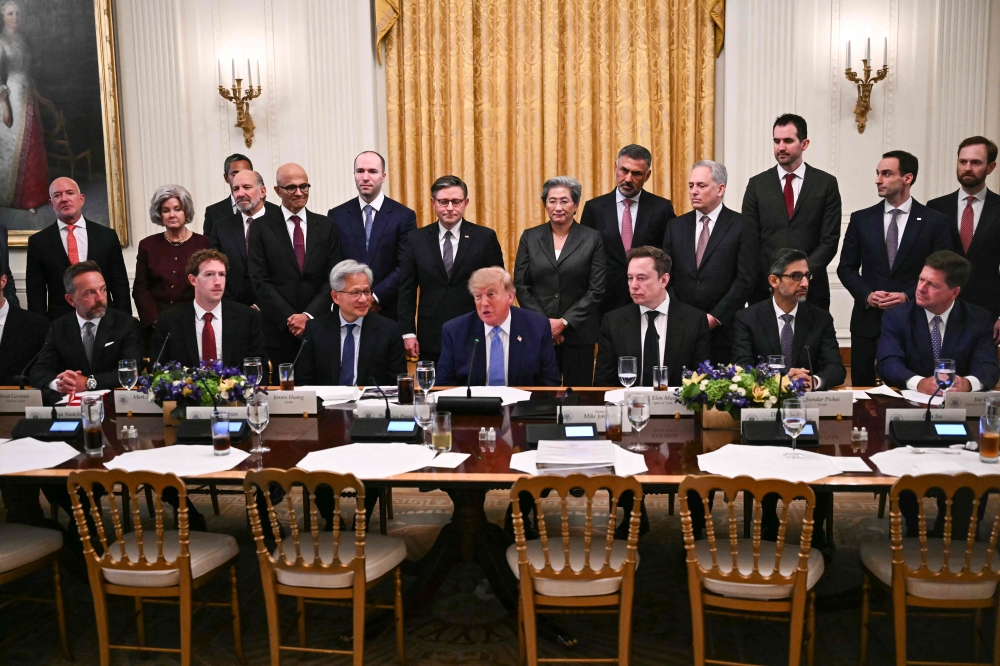
Hollywood has shifted its narrative to scrutinize former Silicon Valley heroes, including figures like Elon Musk, Mark Zuckerberg, and Elizabeth Holmes, by examining their substantial influence and the resulting societal impact.
Recent films and documentaries, such as those by Alex Gibney and Aaron Sorkin, delve into the complexities and ethical questions surrounding these tech leaders, highlighting their transition from aspirational figures to subjects of skepticism.
This cinematic trend reflects broader societal concerns about the concentration of power and the adverse effects of their innovations.
Filmmakers aim to hold these tech moguls accountable for their contributions to present-day challenges while exploring the human stories behind their ascent and impact.
LOS ANGELES, Oct 18 — Hollywood has found its new favourite villain: the onetime heroes of Silicon Valley.
From convicted biotech fraudster Elizabeth Holmes to tech giants Elon Musk, Mark Zuckerberg and Sam Altman, the marquees are dominated by the headline makers who have wowed the world — and the markets — with promises of innovation.
“These figures used to be more on the aspirational side,” Monica Castillo, the film critic for the pop culture website The A.V. Club, told AFP.
“They were larger-than-life figures who bootstrapped their way to multibillion dollar companies, and they were kind of seen as heroes who were like changing the world,” Castillo said.
“Then now... there’s sort of a level of disillusionment.”
Castillo said the world is now asking “harder questions” of its tech heroes, adding: “There’s a little bit more reflection because of what’s happened with this generation.”
Silicon Valley was once seen as a breeding ground for progressive-minded entrepreneurs, their politics running in parallel with their innovative solutions.
But lately, many of the industry’s A-listers have switched allegiance to US President Donald Trump and his “America First” policies.
Musk , Alex Gibney’s searing four-hour documentary about the world’s richest man, dissects the career of the South Africa-born head of SpaceX and Tesla, from his beginnings as a tech genius to his alliance with Trump and the Republican Party.
Also in theatres is The Social Reckoning , Aaron Sorkin’s follow-up to his Oscar-winning 2010 film The Social Network .
This time around, rather than trace the meteoric rise of the Facebook wunderkind, writer-director Sorkin tells the story of company whistleblower Frances Haugen (Oscar winner Mikey Madison) and how she revealed some of its more nefarious practices.
One of those was how its algorithms amplified hate speech by keeping users on the platform for as long as possible, and the dramatic consequences of that decision.
The films highlight how Musk and Zuckerberg amassed so much power that they were affecting US government policy, and how that reverberated around the world.
No one is seen with a more sceptical and critical eye in Big Tech than Holmes, who once upended the biotechnology sector with Theranos, which pledged that it could perform a host of medical tests using only a few drops of blood.
But the now-defunct company couldn’t deliver, Holmes was sentenced to more than 11 years in prison for fraud and conspiracy, and her fall from grace is chronicled in the buzzy documentary You Can See Everything .
Holmes unexpectedly opened her home to co-directors Nathan Fielder and Lance Oppenheim in the 34 days before heading to a Texas prison in a bid to tell her story in her own words. They eventually moved in.
The result — a strange mix of documentary and reality television — is earning serious Oscars buzz.
Back on the fiction side, Italian director Luca Guadagnino’s Artificial stars Andrew Garfield as OpenAI chief Altman, who changed the world with his generative artificial intelligence tool ChatGPT.
Matt Neglia, the editor in chief of the weekly audio and video show Next Best Picture, called the film “as entertaining as it is terrifying”.
“It’s a brilliantly written human story about power, control, ambition and greed that might be the most urgently relevant film of our time,” Neglia said.
For J.M. Tyree, a professor of cinema at Virginia Commonwealth University and the editor in chief of Film Quarterly, “popular movies always are reflecting these social anxieties of the day.”
“Right now, people are really worried about power being concentrated into the hands of just a few individuals at the expense of most of the rest of the citizens,” Tyree told AFP.
People have lost faith in “zillionaire tech moguls,” and are starting to see their flaws, he added.
“That’s maybe a common thread of these films, is that they’re not just holding wealth for themselves, but also their products don’t seem to be very good for society,” Tyree said.
This group of films attempts to showcase the tech titan, not their products.
In the process, Tyree notes, the filmmakers reveal that unlike in the past, when captains of industry launched art museums and libraries, this generation isn’t as interested in philanthropy.
Castillo says the directors appear to be seeking “some sort of accountability for all the damage” that these tech titans have wrought on society.
“The only way that they can punch back is through their movies,” she said. — AFP
‘Baasha’ composer Deva, king of Tamil cinema’s ‘gana’ sound, dies at 75
‘Street Fighter’ packs a nostalgic punch: Malaysian fans embrace the chaos but question the plot
‘We’re getting old’: Coen brothers tease long-awaited filmmaking reunion after eight years apart
Fahmi condemns cyberbullying of UM student Ummi after she questioned Najib fine donations
Kuching, Samarahan and Serian record unhealthy API readings as haze lingers over Sarawak
Thunderstorms, heavy rain and strong winds forecast across KL, Putrajaya and 10 states until 6pm
好莱坞已经转变了叙事方式,开始审视昔日的硅谷英雄人物,包括埃隆·马斯克、马克·扎克伯格和伊丽莎白·霍姆斯等人,通过考察他们的巨大影响力以及由此产生的社会影响。
近期的电影和纪录片,例如亚历克斯·吉布尼和艾伦·索金的作品,深入探讨了这些科技领袖的复杂性和伦理问题,突出了他们从令人向往的人物到备受质疑者的转变。
这种电影趋势反映了更广泛的社会对权力集中及其创新带来的不利影响的担忧。
电影制作人旨在让这些科技巨头对其在当今挑战中所扮演的角色负责,同时探索他们崛起和影响背后的人性故事。
洛杉矶,10 月 18 日——好莱坞找到了它最喜欢的新反派:硅谷曾经的英雄们。
从被定罪的生物技术欺诈者伊丽莎白·霍姆斯到科技巨头埃隆·马斯克、马克·扎克伯格和萨姆·奥特曼,这些新闻人物占据了各大媒体的头条,他们凭借创新承诺震撼了世界和市场。
“这些数字过去更多的是一种理想化的象征,”流行文化网站 AV Club 的影评人莫妮卡·卡斯蒂略告诉法新社。
卡斯蒂略说:“他们都是白手起家、建立起数十亿美元公司的传奇人物,他们被视为改变世界的英雄。”
“而现在……人们多少有些失望。”
卡斯蒂略表示,世界现在正在向科技英雄们提出“更尖锐的问题”,并补充道:“由于这一代人所经历的事情,人们会进行更多的反思。”
硅谷曾被视为进步思想企业家的摇篮,他们的政治理念与他们的创新解决方案齐头并进。
但最近,该行业许多一线明星都转而效忠美国总统唐纳德·特朗普及其“美国优先”政策。
《马斯克》是亚历克斯·吉布尼执导的一部时长四小时的纪录片,深入剖析了这位世界首富的职业生涯。这部纪录片由南非出生的SpaceX和特斯拉掌门人执导,从他作为科技天才的早期经历,到他与特朗普和共和党的结盟。
同时上映的还有《社会清算》,这是艾伦·索金继 2010 年奥斯卡获奖影片《社交网络》之后的又一力作。
这一次,编剧兼导演索尔金并没有追溯 Facebook 天才人物的迅速崛起,而是讲述了公司举报人弗朗西丝·豪根(奥斯卡奖得主米奇·麦迪逊饰)的故事,以及她如何揭露了该公司一些更邪恶的做法。
其中之一是其算法如何通过尽可能长时间地将用户留在平台上来放大仇恨言论,以及这一决定的严重后果。
这些影片着重展现了马斯克和扎克伯格如何积累了如此巨大的权力,以至于影响了美国政府的政策,以及这种影响如何在世界范围内产生反响。
在大型科技公司中,没有人比霍姆斯更受怀疑和批判的目光。他曾凭借 Theranos 公司颠覆了生物技术行业,该公司承诺只需几滴血即可进行一系列医学测试。
但这家现已倒闭的公司未能兑现承诺,霍姆斯因欺诈和共谋罪被判处 11 年多监禁,而她从高位跌落的过程被记录在了热门纪录片《你能看到一切》中。
在前往德克萨斯州监狱讲述自己的故事之前的34天里,霍姆斯出人意料地向联合导演内森·菲尔德和兰斯·奥本海姆敞开了家门。他们最终搬进了她的家。
这部作品——纪录片和真人秀的奇特结合体——获得了奥斯卡奖的有力竞争者。
回到虚构作品方面,意大利导演卢卡·瓜达尼诺执导的《人工智能》由安德鲁·加菲尔德饰演 OpenAI 首席执行官奥特曼,他凭借其生成式人工智能工具 ChatGPT 改变了世界。
每周音频和视频节目《下一部最佳影片》的主编马特·内格利亚称这部电影“既娱乐又恐怖”。
内格利亚说:“这是一部文笔精湛的人性故事,讲述了权力、控制、野心和贪婪,它可能是当今时代最紧迫、最相关的电影。”
弗吉尼亚联邦大学电影学教授、电影季刊主编 JM Tyree 认为,“流行电影总是反映出当时的社会焦虑。”
“现在,人们真的很担心权力会集中在少数人手中,而牺牲其他大多数公民的利益,”泰瑞告诉法新社。
他还补充说,人们已经对“亿万富翁科技巨头”失去了信心,并开始看到他们的缺点。
“这或许是这些电影的一个共同点,那就是他们不仅为自己攫取财富,而且他们的产品似乎对社会也没有什么好处,”泰瑞说道。
这组影片试图展示的是科技巨头本身,而不是他们的产品。
泰瑞指出,在这个过程中,电影制作人揭示出,与过去工业巨头创办艺术博物馆和图书馆不同,这一代人对慈善事业并不那么感兴趣。
卡斯蒂略表示,董事们似乎在寻求对这些科技巨头给社会造成的“所有损害”进行某种形式的问责。
“他们唯一能反击的方式就是通过电影,”她说。——法新社
泰米尔电影“加纳”音乐之王、《巴沙》作曲家德瓦去世,享年75岁。
《街头霸王》唤起人们的怀旧情怀:马来西亚粉丝喜爱游戏中的混乱场面,但对剧情有所质疑。
“我们都老了”:科恩兄弟时隔八年,即将重聚拍摄新片,引发期待。
法米谴责针对马来亚大学学生乌米的网络欺凌,此前乌米质疑纳吉布的罚款捐款。
由于雾霾笼罩砂拉越,古晋、三马拉汉和西连的 API 读数不健康
预计吉隆坡、布城及周边10个州将出现雷暴、暴雨和大风天气,持续至下午6点。