Not sympathy, but opportunity: Push grows for fairer hiring of visually impaired Malaysians不是同情,而是机会:马来西亚视障人士获得更公平就业机会的呼声日益高涨
KUALA LUMPUR, Oct 20 — It is not a lack of talent, but rather stigma and doubts about their capabilities that continue to hinder persons with visual impairments from entering the...
The article discusses the challenges faced by persons with visual impairments in entering the job market, specifically highlighting the misconceptions and stigma that limit their opportunities, despite their capabilities facilitated by technological advances.
Advocacy and awareness programs, such as those organized by the Malaysian Association for the Blind and the Social Security Organisation, aim to change employer perceptions and enhance job placement through proper skill matching and workplace adjustments.
In the creative industry, organizations like the National Film Development Corporation Malaysia are encouraged to recognize talents based on abilities rather than disabilities, advocating for fair assessment and offering inclusive opportunities.
Successful integration into the job market requires collaboration, continuous support, and a focus on meaningful participation and fair remuneration for persons with disabilities.
KUALA LUMPUR, Oct 20 — It is not a lack of talent, but rather stigma and doubts about their capabilities that continue to hinder persons with visual impairments from entering the job market, including the creative arts industry.
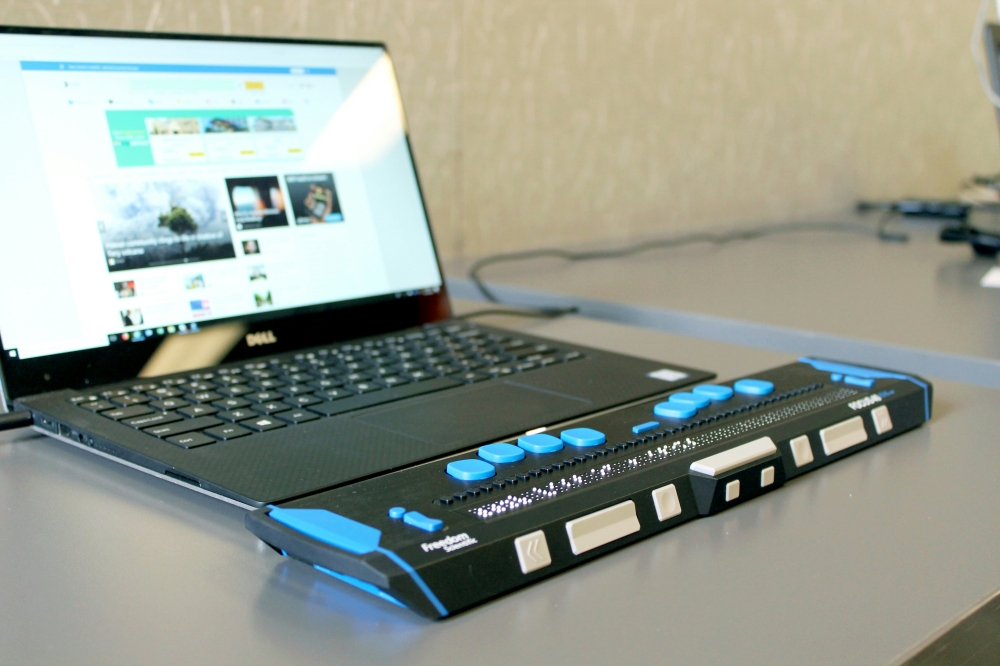
With advances in technology and the availability of assistive facilities, they are capable of using computers and smartphones and carrying out various tasks independently, depending on their skills and the suitability of the job.
Malaysian Association for the Blind (MAB) chief executive officer Datuk George Thomas told Bernama that misconceptions among employers about the capabilities of persons with visual impairments remained prevalent, undermining their chances of securing jobs based on their qualifications and talents.
He said more than half of the 41 employers who attended the Advocacy and Awareness Programme on Employment for Persons with Visual Impairments on June 30 did not know that members of the group could independently use computers and smartphones.
The programme, organised by MAB in collaboration with the Social Security Organisation (Perkeso), aimed to raise employers’ awareness of the actual capabilities of persons with visual impairments.
“Some employers assume that if they hire a person with a visual impairment, they need to provide an assistant to help them, whereas MAB has taught persons with visual impairments to live independently. We do not want them to be given opportunities out of sympathy, but because they are qualified or genuinely talented,” he said.
Perkeso deputy chief executive (Operations) Azirruan Arifin said employers’ doubts about the capabilities of persons with visual impairments remained a challenge in efforts to place them in the job market, even when they possessed the relevant academic qualifications, skills and experience.
He said successful job placement also depended on the suitability of the position and the working environment, including physical accessibility, digital systems, screen-reading software and appropriate communication methods.
“Overall, the main challenge is ensuring a match between jobseekers’ competencies, job requirements, employers’ readiness and the workplace adjustments needed.
“Therefore, Perkeso’s approach is to build employers’ confidence through advocacy programmes that raise awareness and create opportunities for persons with visual impairments based on their capabilities and abilities,” he said.
To ensure more effective job matching, Azirruan said Perkeso conducted profiling to identify jobseekers’ academic qualifications, skills, experience, interests, functional abilities and support requirements before matching them with suitable positions.
Perkeso also recommended workplace adjustments, conducted post-placement monitoring and provided advisory services to employers to support job retention and career development among persons with visual impairments.
In the creative industry, opportunities for persons with visual impairments to develop their talents should be made available based on their abilities and skills, rather than restricted by their physical disabilities.
National Film Development Corporation Malaysia (Finas) chief executive officer Datuk Azmir Saifuddin Mutalib said visual impairment should not be used as a reason to deny someone an opportunity before their talent had been fairly assessed.
He said opportunities could be expanded to include acting, writing, story development, directing and production, depending on individuals’ skills and the support they required.
Finas is also open to considering proposals to expand employment opportunities for persons with disabilities through the Creative Content Fund, including taking into account productions that employ persons with disabilities and the costs of providing suitable facilities.
Azmir Saifuddin said proposals to introduce quotas or additional points for productions involving talent and crew members with disabilities could also be considered through engagement sessions with the disability community, MAB, industry associations and relevant stakeholders.
“In my view, an effective mechanism must take into account the quality of participation. We need to assess whether an individual is given meaningful responsibilities, fair remuneration, the support needed to work and opportunities to build professional experience.
“Simply having their names on a cast or crew list does not reflect the level of inclusivity in a production,” he said.
He said Finas was also open to collaborating with MAB and training institutions to identify talent and provide training for persons with visual impairments according to their skills, interests and industry requirements, including scriptwriting, acting, voice-over work and audio production.
Azmir Saifuddin said Finas played a role in establishing networks and facilitating opportunities, while job placement required cooperation from employers, appropriate skills matching and continuous support to ensure that persons with disabilities secured employment, received fair remuneration and built careers in the industry.
He said Finas had also organised the Creative Workshop for Persons with Disabilities: Vocals and Basic Acting (Radio Drama) in February as part of its talent development initiatives.
“Our measure of success is when persons with disabilities are given opportunities to work, receive fair remuneration and build careers in the industry,” he said.
Meanwhile, Malaysian Film Directors’ Association (FDAM) chairman Datuk Afdlin Shauki said writing and acting offered opportunities for persons with visual impairments to showcase their talents, while directing presented its own challenges because it relied heavily on visual elements.
He said they should be given the space to demonstrate their abilities through their own work, including producing short videos using smartphones to showcase their ideas and creativity.
“Things are different now. Just start with a phone and show what you want to do. If someone with a visual impairment believes they can do it, prove it by making a simple story using a phone. They can then show it to others so that people understand what they are trying to convey,” he said.
Afdlin said talent should remain the primary consideration when selecting actors and that persons with visual impairments should not be restricted to roles that portray their disabilities alone. — Bernama
In haze-hit Johor, staying indoors is a luxury delivery riders cannot afford
Fahmi: Govt to study identity, age checks for Roblox and online gaming platforms
Malaysia, Japan explore defence technology transfer, local industry cooperation
文章探讨了视力障碍人士进入就业市场所面临的挑战,特别强调了尽管科技进步提升了他们的能力,但误解和歧视仍然限制了他们的机会。
马来西亚盲人协会和社会保障组织等机构组织的宣传和意识提升计划旨在改变雇主的看法,并通过适当的技能匹配和工作场所调整来改善就业安置。
在创意产业中,像马来西亚国家电影发展局这样的组织被鼓励根据能力而不是残疾来认可人才,倡导公平评估并提供包容性的机会。
成功融入就业市场需要协作、持续支持,以及注重让残疾人有意义地参与就业并获得公平的报酬。
吉隆坡,10 月 20 日讯——阻碍视障人士进入就业市场(包括创意艺术行业)的,并非缺乏才能,而是社会对他们能力的歧视和质疑。
随着科技进步和辅助设施的普及,他们能够使用电脑和智能手机,并根据自身技能和工作适宜性独立完成各种任务。
马来西亚盲人协会 (MAB) 首席执行官拿督乔治·托马斯告诉马新社,雇主对视障人士能力的误解仍然普遍存在,这削弱了他们凭借自身资历和才能获得工作的机会。
他说,6月30日参加“视障人士就业宣传和意识提升计划”的41位雇主中,超过一半的人不知道该群体成员能够独立使用电脑和智能手机。
该计划由 MAB 与社会保障组织 (Perkeso) 合作组织,旨在提高雇主对视力障碍人士实际能力的认识。
他说:“有些雇主认为,如果雇用视障人士,就需要为他们配备助手,而MAB则致力于教会视障人士独立生活。我们不希望出于同情而给予他们机会,而是因为他们具备相应的资格或真正的才能。”
Perkeso 副首席执行官(运营)Azirruan Arifin 表示,即使视力障碍人士拥有相关的学历、技能和经验,雇主对他们的能力仍然存在疑虑,这仍然是帮助他们进入就业市场的一大挑战。
他表示,成功就业还取决于职位和工作环境的适宜性,包括物理无障碍设施、数字系统、屏幕阅读软件和适当的沟通方式。
“总的来说,主要挑战在于确保求职者的能力、工作要求、雇主的准备情况以及工作场所所需的调整相匹配。
“因此,Perkeso 的做法是通过宣传计划来建立雇主的信心,提高人们对视力障碍人士的认识,并根据他们的能力和才干为他们创造机会,”他说。
阿兹鲁安表示,为了确保更有效的职位匹配,Perkeso 会进行求职者画像,以确定求职者的学历、技能、经验、兴趣、职能能力和支持需求,然后再将他们与合适的职位进行匹配。
Perkeso 还建议对工作场所进行调整,开展安置后监督,并向雇主提供咨询服务,以支持视力障碍人士的就业和职业发展。
在创意产业中,应该根据视障人士的能力和技能,为他们提供发展才能的机会,而不是限制他们的身体残疾。
马来西亚国家电影发展局(Finas)首席执行官拿督阿兹米尔·赛夫丁·穆塔利布表示,在公平评估一个人的才能之前,不应以视力障碍为由剥夺其机会。
他表示,根据个人的技能和他们所需的支持,机会可以扩展到表演、写作、故事创作、导演和制作等领域。
Finas 也愿意考虑通过创意内容基金扩大残疾人就业机会的提案,包括考虑雇用残疾人的制作项目以及提供合适设施的成本。
阿兹米尔·赛义夫丁表示,可以通过与残疾人群体、MAB、行业协会和相关利益攸关方的磋商会议,考虑为有残疾演员和工作人员参与的制作引入配额或额外加分的提议。
我认为,有效的机制必须考虑到参与的质量。我们需要评估个人是否承担了有意义的责任,获得了公平的报酬,得到了工作所需的帮助,以及积累专业经验的机会。
他说:“仅仅把他们的名字列入演员或工作人员名单并不能反映出制作过程中包容性的程度。”
他表示,Finas 也愿意与 MAB 和培训机构合作,根据视障人士的技能、兴趣和行业需求,发掘人才并为他们提供培训,包括剧本创作、表演、配音和音频制作。
阿兹米尔·赛义夫丁表示,Finas 在建立人脉和促进机会方面发挥了作用,而就业安置则需要雇主的合作、适当的技能匹配和持续的支持,以确保残疾人获得就业机会、获得公平的报酬并在该行业建立职业生涯。
他表示,Finas还在2月份组织了残疾人创意工作坊:声乐和基础表演(广播剧),作为其人才培养计划的一部分。
他说:“我们衡量成功的标准是,残疾人能够获得工作机会、获得公平的报酬,并在该行业建立职业生涯。”
与此同时,马来西亚电影导演协会(FDAM)主席拿督阿夫德林·绍基表示,写作和表演为视障人士提供了展示才华的机会,而导演工作则面临着自身的挑战,因为它很大程度上依赖于视觉元素。
他表示,应该给他们空间,让他们通过自己的作品来展示自己的能力,包括使用智能手机制作短视频来展示他们的想法和创造力。
“现在情况不一样了。只要拿起手机,展示你想做的事情就行了。如果视障人士相信自己能做到,那就用手机制作一个简单的故事来证明。然后他们可以把故事展示给其他人,让大家明白他们想表达什么,”他说。
阿夫德林表示,在选择演员时,才华应始终是首要考虑因素,视障人士不应被局限于仅仅展现其残疾的角色。——马新社
在受雾霾影响的柔佛州,待在室内是一种外卖骑手无法承受的奢侈。
法赫米:政府将研究 Roblox 和其他在线游戏平台的身份和年龄验证问题
马来西亚和日本探讨国防技术转让和本地产业合作