KLIA deploys K9 sniffer dog units to tighten airport security and curb smuggling吉隆坡国际机场部署警犬队加强机场安保,打击走私活动
SEPANG, Oct 21 — Trained sniffer dog units will begin patrolling passenger terminals and restricted baggage zones across KL International Airport (KLIA) from Oct 26, Malaysia...
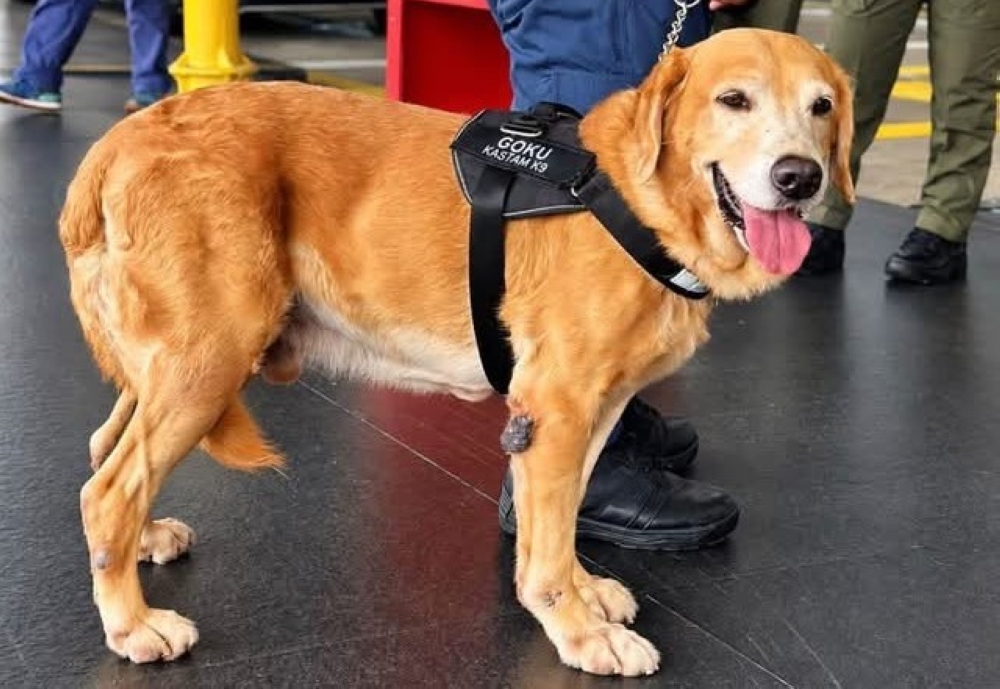
Malaysia Airports announced that starting October 26, trained sniffer dog units will patrol KL International Airport as part of 17 enhanced security measures to combat smuggling and reinforce safety.
These K9 units will operate in key areas, detecting prohibited substances and contraband, and work alongside existing surveillance.
The deployment aims to bolster inter-agency cooperation, allowing security personnel to focus on core duties and ensuring a safe environment for travelers and staff.
The initiative follows recent drug-related incidents linked to departures from Malaysia, although the rollout isn't tied to any specific case.
SEPANG, Oct 21 — Trained sniffer dog units will begin patrolling passenger terminals and restricted baggage zones across KL International Airport (KLIA) from Oct 26, Malaysia Airports announced today.
The units form a cornerstone of 17 enhanced security measures designed to thwart illicit smuggling and shore up national gateways. The K9 sweeps will operate across three critical operational sectors: the Departure Hall, the Arrival Hall, and the subterranean baggage sorting facilities.
The airport operator described the deployment as a multi-layered security strategy that shields public passenger-facing concourses while reinforcing back-of-house operations alongside existing surveillance architecture.
At check-in and departure gates, the canines will assist handlers in sniffing out prohibited substances and identifying security threats tied to high-risk flight profiles. In Customs inspection corridors, the dogs will intercept undeclared contraband, narcotics, and smuggled commercial goods.
Down in the baggage sortation areas, K9 units will inspect checked luggage before ramp crews load bags onto departing aircraft or transfer incoming cargo to passenger reclaim belts. To maintain animal welfare between rigorous operational shifts, dedicated rest stations and handler amenities have been designated across both terminals.
Malaysia Airports managing director Datuk Mohd Izani Ghani said integrating canine units into daily operations strengthens inter-agency vigilance to safeguard international travellers, visitors, and airport staff, while freeing airport Aviation Security (AVSEC) teams to concentrate on their primary protective functions.
“This collaboration also allows our Aviation Security personnel to remain focused on their core responsibility of safeguarding airport users and facilities.
“We will continue to support the Malaysian Border Control and Protection Agency, the Royal Malaysia Police, Royal Malaysian Customs Department and the K9 units in ensuring that KLIA remains a safe, comfortable and clean airport for everyone,” Mohd Izani said.
An initial pilot phase will fine-tune terminal standard operating procedures, secure restricted-area access protocols for handlers and dogs, and adjust patrol intervals to prevent disruptions to peak passenger movements.
The enhanced security perimeter arrives amid intense public scrutiny following several brazen narcotics trafficking cases traced back to Malaysian departure gates in recent months, though Malaysia Airports did not tie the canine rollout to any specific incident.
The deployment follows recent drug arrests abroad involving Malaysians said to have departed from KLIA.
On Oct 10, Japanese customs enforcement detained five young Malaysians aged 19 to 26 upon their arrival at Tokyo's Haneda International Airport after officers discovered five kilograms of cocaine hidden inside the hollowed-out soles of their platform shoes. Bukit Aman Narcotics Crime Investigation Department (NCID) director Datuk Hussein Omar Khan confirmed on Oct 16 that the syndicate couriers, including a married couple travelling under the guise of tourists without prior criminal records, boarded their flight from KLIA Terminal 2.
The Haneda seizure followed an earlier scandal in July, when a 39-year-old Malaysian commercial airline pilot was intercepted at Terminal 3 of Soekarno-Hatta International Airport in Jakarta in possession of 25 kilograms of ecstasy and methamphetamine pills valued at an estimated RM45 million.
No more ‘kindergarten colours’: DBKL opts for neutral tones in RM446m public housing facelift
Malaysians who lend MyKad to foreigners face up to three years’ jail, says Home Ministry
Find another way: Civil servants effectively banned from using Waze app due to Israel ties
马来西亚机场宣布,从 10 月 26 日起,训练有素的缉毒犬队将在吉隆坡国际机场巡逻,这是为打击走私和加强安全而采取的 17 项加强安保措施的一部分。
这些警犬队将在重点区域开展行动,侦测违禁物质和走私品,并与现有的监控系统协同工作。
此次部署旨在加强机构间合作,使安保人员能够专注于核心职责,并确保旅客和工作人员的安全环境。
这项举措是针对近期与马来西亚离境有关的涉毒事件而推出的,尽管该举措的推出与任何具体案件无关。
雪邦,10 月 21 日讯——马来西亚机场管理局今日宣布,训练有素的缉毒犬队将于 10 月 26 日起在吉隆坡国际机场 (KLIA) 的旅客航站楼和行李管制区进行巡逻。
这些警犬巡逻队是旨在打击非法走私和加强国家门户安全的17项强化安保措施的核心组成部分。警犬巡逻队将在三个关键运营区域开展工作:出发大厅、到达大厅和地下行李分拣设施。
机场运营商将此次部署描述为一种多层安全策略,该策略在保护面向公众乘客的候机大厅的同时,加强了后台运营,并结合了现有的监控架构。
在值机和登机口,搜救犬将协助训犬员嗅出违禁品,并识别与高风险航班相关的安全威胁。在海关检查通道,搜救犬将拦截未申报的违禁品、毒品和走私商品。
在行李分拣区,警犬队会在停机坪工作人员将行李装载到即将起飞的飞机上或将抵达的货物转移到旅客提货传送带之前,检查托运行李。为了保障警犬在繁忙的轮班工作间隙的福利,两个航站楼都设有专门的休息站和训犬员设施。
马来西亚机场管理局董事总经理拿督莫哈末伊扎尼·加尼表示,将警犬队纳入日常运营,可以加强各机构间的警惕性,从而保护国际旅客、访客和机场工作人员的安全,同时让机场航空安保 (AVSEC) 团队能够专注于其主要的保护职能。
“此次合作也使我们的航空安保人员能够继续专注于保护机场用户和设施的核心职责。
“我们将继续支持马来西亚边境管制和保护机构、马来西亚皇家警察、马来西亚皇家海关部门和警犬队,以确保吉隆坡国际机场对每个人来说仍然是一个安全、舒适和干净的机场,”莫哈末·伊扎尼说。
初步试点阶段将完善航站楼标准操作程序,确保训犬员和犬只进入限制区域的协议,并调整巡逻间隔,以防止高峰时段旅客流动受到干扰。
在最近几个月发生多起明目张胆的毒品走私案件后,马来西亚机场当局加强了安全警戒线,这些案件的源头都指向马来西亚的出发登机口。尽管如此,马来西亚机场方面并没有将警犬的部署与任何具体事件联系起来。
此次部署是由于近期在海外发生的多起涉及马来西亚人的毒品逮捕事件,据称这些马来西亚人是从吉隆坡国际机场出发的。
10月10日,日本海关执法人员在东京羽田国际机场逮捕了五名年龄介于19岁至26岁的马来西亚青年。执法人员在他们挖空的厚底鞋鞋底内发现了五公斤可卡因。武吉阿曼警察总部毒品犯罪调查部主任拿督侯赛因·奥马尔·汗于10月16日证实,这五名贩毒集团成员中包括一对伪装成游客且无犯罪记录的夫妇,他们从吉隆坡国际机场2号航站楼登机。
在羽田机场查获毒品之前,7 月份曾发生过一起丑闻,当时一名 39 岁的马来西亚商业航空公司飞行员在雅加达苏加诺-哈达国际机场 3 号航站楼被拦截,当时他持有 25 公斤摇头丸和冰毒药丸,估计价值 4500 万令吉。
告别“幼儿园色彩”:吉隆坡市政局斥资4.46亿令吉打造的公共房屋改造项目采用中性色调
马来西亚内政部表示,马来西亚公民若将身份证借给外国人,最高可判处三年监禁。
另寻他法:由于与以色列的关系,公务员实际上被禁止使用Waze应用程序。