Haze or ship fumes? Maritime experts want closer watch on vessel emissions at Malaysian ports是雾霾还是船舶废气?海事专家呼吁加强对马来西亚港口船舶排放的监测
KUALA LUMPUR, Oct 21 — Authorities should examine how much ship emissions contribute to air pollution around major ports, particularly during haze episodes originating from...
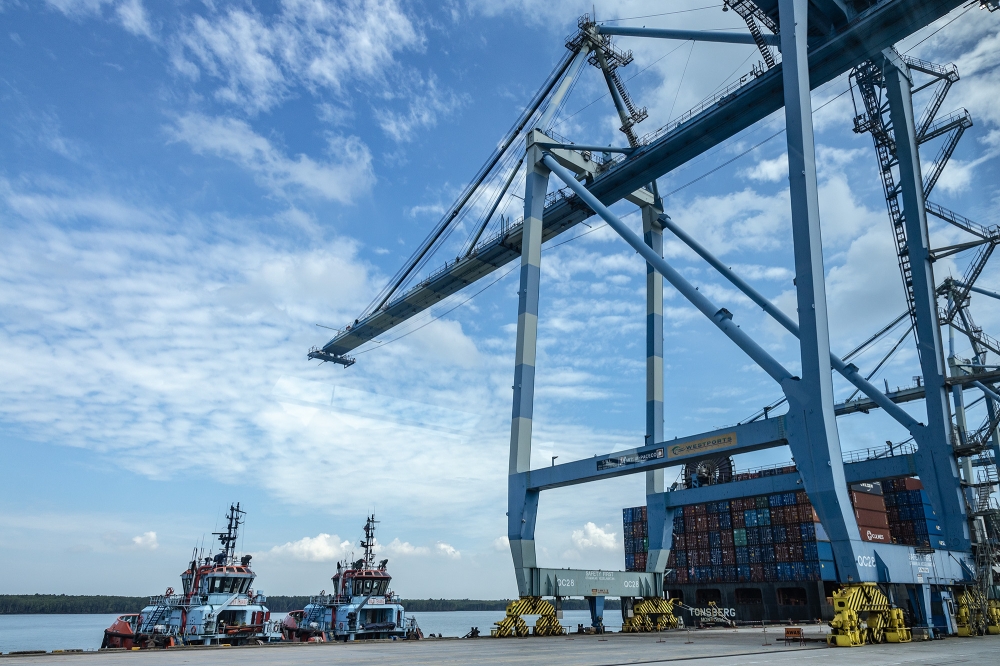
Authorities are urged to assess the contribution of ship emissions to air pollution, particularly during haze episodes from Indonesia, emphasized by maritime expert Datuk Seri Jeyenderan M.
Malaysia's strategic location offers opportunities for marine fuel supply growth, but environmental impacts need thorough monitoring and regulation compliance.
The focus includes ensuring emissions are within international limits and conducting studies to differentiate sources of pollution.
This aligns with Malaysia's commitments to climate goals and net-zero targets by 2050, as it balances maritime industry expansion with environmental protection.
KUALA LUMPUR, Oct 21 — Authorities should examine how much ship emissions contribute to air pollution around major ports, particularly during haze episodes originating from Indonesia, says maritime industry expert Datuk Seri Jeyenderan M. Ramasamy.
Jeyenderan, the chief executive officer of Maritime Network Sdn Bhd, said Malaysia’s strategic location along the Strait of Malacca, one of the world’s busiest shipping lanes, offered significant opportunities to develop its marine fuel supply sector, but environmental considerations should not be overlooked.
“As more vessels pass through our waters, we should ensure that ship emissions are properly monitored and that our ports develop sustainably. The environmental impact of shipping activity deserves closer attention, particularly when transboundary haze affects Malaysia,” he said in a statement.
He said Port Klang and ports in Johor were strategically positioned along international shipping routes, giving Malaysia the opportunity to attract more vessels to bunker locally.
However, ships burning heavy fuel oil, including high-sulphur fuel oil (HSFO), can release air pollutants such as sulphur oxides, particulate matter and other combustion-related pollutants, depending on the fuel used and engine operating conditions.
The International Maritime Organization (IMO) introduced a global sulphur limit of 0.50 per cent by mass for fuel used by ships outside designated emission control areas from January 1, 2020.
Ships may use higher-sulphur fuel if they operate under the applicable rules with an approved exhaust gas cleaning system, commonly called a scrubber. The limit for fuel used on board is separate from the rules governing HSFO carried as cargo.
Jeyenderan said the relevant authorities could consider monitoring air quality around major ports, checking compliance with marine fuel sulphur limits and studying pollution levels during haze episodes to better understand the contribution of different sources.
He stressed that reliable monitoring data would help policymakers distinguish between pollution from transboundary haze and emissions from local sources, including shipping, while supporting efforts to balance the maritime industry’s growth with environmental protection.
Echoing the call, Universiti Malaysia Terengganu adjunct professor Nazery Khalid urged the authorities to closely monitor ship emissions during haze episodes, saying Malaysia’s efforts to attract more vessels and expand seaborne trade should not come at the expense of meeting its emissions targets and its international commitments to combat climate change.
“As a responsible maritime nation and a long-standing member of the International Maritime Organization Council, Malaysia is duty-bound to ensure maritime operations in its waters are carried out in an eco-friendly manner, in full adherence to national laws and international standards.
“By ensuring emissions from shipping activities are closely monitored, even during the haze, Malaysia can also underscore its commitment to meeting its net-zero target by 2050. Shipping, which facilitates close to 90 per cent of its trade, and the maritime industry in general can play a leading role in realising this national agenda by operating sustainably,” said Nazery.
He also urged maritime industry stakeholders to take great care to protect the health and well-being of workers, while ensuring activities are not too severely disrupted amid the worsening haze.
“Workers involved in outdoor activities such as shipping, port operations at berthing areas and dockyards, shipbuilding or ship repair, and offshore operations should ensure their health is not compromised while carrying out their tasks,” he said.
Waze ban: MPs ask if WhatsApp, Instagram pose similar security risks
Sarawak announces two months’ salary aid for state civil servants, RM700 for federal staff
No casualties after ceiling collapses at Tengku Ampuan Rahimah Hospital’s emergency dept in Klang
海事专家 Datuk Seri Jeyenderan M. 敦促有关部门评估船舶排放对空气污染的影响,尤其是在印度尼西亚的雾霾天气期间。
马来西亚的战略位置为船用燃料供应增长提供了机遇,但环境影响需要进行彻底的监测和监管合规。
重点包括确保排放量在国际限值范围内,以及开展研究以区分污染源。
这与马来西亚对气候目标和到 2050 年实现净零排放目标的承诺相一致,因为它在海事产业扩张和环境保护之间取得了平衡。
吉隆坡,10 月 21 日讯——海事行业专家拿督斯里杰延德兰·M·拉马萨米表示,当局应该调查船舶排放物对主要港口周围空气污染的贡献程度,尤其是在源自印度尼西亚的雾霾天气期间。
海事网络有限公司首席执行官杰延德兰表示,马来西亚地处马六甲海峡沿岸,这是世界上最繁忙的航道之一,其战略位置为发展船用燃料供应行业提供了重要机遇,但环境因素不容忽视。
“随着越来越多的船只途经我们的水域,我们应该确保对船舶排放进行妥善监测,并确保我们的港口实现可持续发展。航运活动对环境的影响值得我们更加密切地关注,尤其是在跨境雾霾影响马来西亚的情况下,”他在一份声明中表示。
他表示,巴生港和柔佛州的港口地理位置优越,位于国际航运路线上,使马来西亚有机会吸引更多船舶在当地加油。
然而,燃烧重质燃油(包括高硫燃油)的船舶,会释放出硫氧化物、颗粒物和其他与燃烧相关的污染物等空气污染物,具体取决于所用燃料和发动机运行条件。
国际海事组织(IMO)自 2020 年 1 月 1 日起,对指定排放控制区以外的船舶使用的燃料,规定了全球硫含量限制为 0.50%(质量分数)。
船舶若符合相关规定并配备经批准的废气净化系统(通常称为洗涤器),则可使用高硫燃料。船上使用的燃料限量规定与作为货物运输的高硫燃料油(HSFO)的运输规则不同。
杰延德兰表示,有关部门可以考虑监测主要港口周围的空气质量,检查船用燃料硫含量是否符合限制,并研究雾霾期间的污染水平,以更好地了解不同污染源的影响。
他强调,可靠的监测数据将帮助政策制定者区分跨境雾霾造成的污染和本地来源(包括航运)的排放,同时支持平衡海运业发展与环境保护的努力。
马来西亚登嘉楼大学兼职教授纳泽里·哈立德也响应了这一呼吁,敦促当局密切监测雾霾期间的船舶排放,并表示马来西亚为吸引更多船舶和扩大海上贸易所做的努力不应以牺牲其减排目标和应对气候变化的国际承诺为代价。
“作为一个负责任的海洋国家和国际海事组织理事会的长期成员,马来西亚有义务确保在其水域内进行的海洋作业以环保的方式进行,并完全遵守国家法律和国际标准。
“通过密切监测航运活动的排放,即使在雾霾期间,马来西亚也可以强调其到 2050 年实现净零排放目标的承诺。航运业促进了马来西亚近 90% 的贸易,整个海事行业可以通过可持续运营在实现这一国家目标中发挥领导作用,”纳泽里说。
他还敦促海事行业利益相关者高度重视保护工人的健康和福祉,同时确保在雾霾日益严重的情况下,各项活动不会受到太大干扰。
他说:“从事航运、港口泊位和船坞作业、造船或船舶修理以及海上作业等户外活动的工人,应确保在执行任务时自身健康不受损害。”
Waze被禁:议员质问WhatsApp和Instagram是否构成类似的安全风险
砂拉越宣布向州公务员提供两个月工资援助,向联邦政府工作人员提供700令吉援助。
巴生东姑安潘拉希玛医院急诊室天花板倒塌 无人伤亡