Singapore to streamline community mental health services under new HealthierMind SG network新加坡将在新的“健康心灵SG”(HealthierMind SG)网络框架下简化社区心理健康服务。
The Ministry of Health is also drawing up guidelines to clarify parental consent requirements for young people seeking mental health support.
The Ministry of Health is also drawing up guidelines to clarify parental consent requirements for young people seeking mental health support.
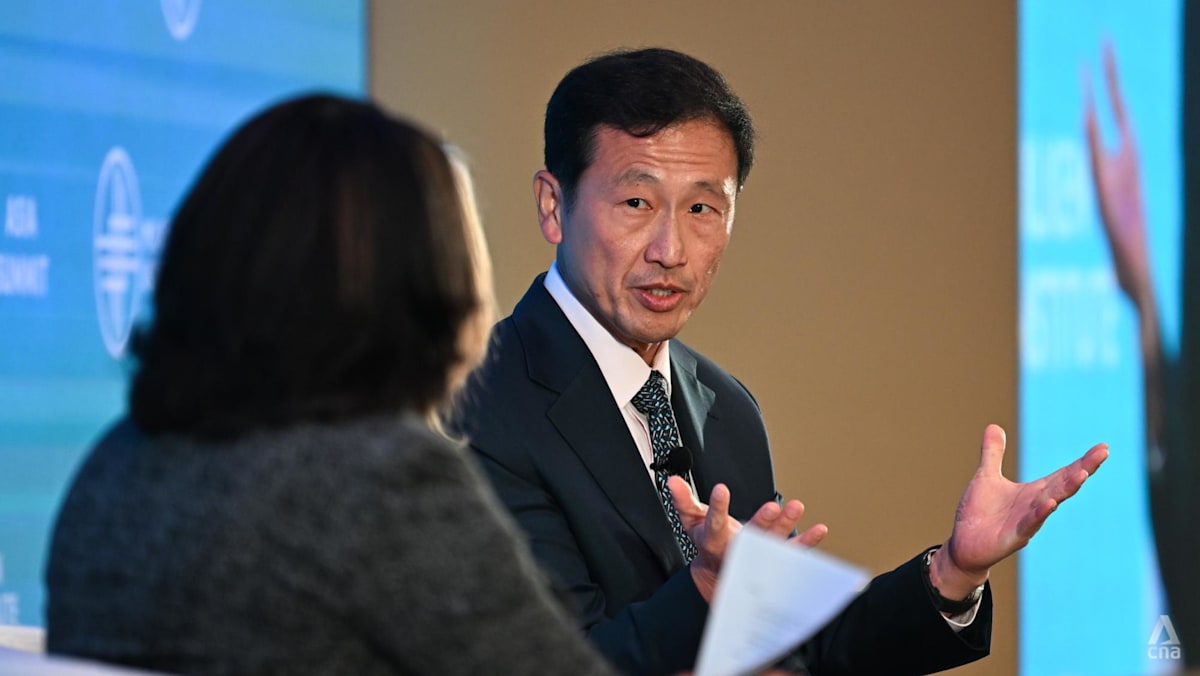
Minister for Health and Coordinating Minister for Social Policies Ong Ye Kung speaking at the Milken Institute Asia Summit on Oct 8, 2026. (File photo: CNA/Syamil Sapari)
This audio is generated by an AI tool.
SINGAPORE: Singapore will bring its community mental health services under a new network called HealthierMind SG, in a move to simplify access to care, improve coordination among providers and provide more stable funding for organisations delivering mental health support.
Health Minister Ong Ye Kung announced on Thursday (Oct 22) that existing community mental health teams will be brought together under a single framework covering funding and key performance indicators (KPIs), replacing current arrangements involving different schemes and requirements.
Speaking at the second Singapore Systemic Family Therapy Conference, Mr Ong, who is also Coordinating Minister for Social Policies, said the move is part of a broader effort to strengthen community-based mental health support, with greater emphasis on prevention and early intervention.
"We must intervene earlier to help people stay mentally well, recognise the problems early, and then support them," he said.
CNA Games Guess Word Crack the word, one row at a time Buzzword Create words using the given letters Mini Sudoku Tiny puzzle, mighty brain teaser Mini Crossword Small grid, big challenge Word Search Spot as many words as you can Show More Show Less Currently, Singapore has several community mental health programmes catering to different groups and levels of need. These include Community Outreach Teams (CREST), which support people with early mental health symptoms, and Community Intervention Teams (COMIT), which serve those with moderate conditions. For young people, similar services are provided through CREST-Youth and Youth Integrated Teams (YIT). Public healthcare institutions, including the Institute of Mental Health (IMH), also offer community mental health services. Mr Ong said that while these services provide different levels of support, the existing arrangements can appear fragmented, with community organisations having to navigate multiple schemes and fulfil different KPIs. The organisations would need to "organise their resources in a sensible way to deliver effective services, while fulfilling all the criteria of the schemes", Mr Ong added. Under HealtherMind SG, funding will become more stable, with a sufficient baseline to give community organisations the confidence to retain staff and build their mental health capabilities. The funding framework will also recognise efforts to improve access to care and mental health outcomes. "A unified framework will ensure that mental health support services are more integrated," Mr Ong said. "It will also help individuals navigate the system more easily and get the appropriate help they require." One potential change involves how schools refer students who require additional mental health support. Currently, schools refer such cases to public healthcare institutions such as IMH. Under a more integrated arrangement, cases could be assessed according to their severity, allowing less severe cases to be referred to community organisations instead, where students could receive more accessible and appropriate support. Mr Ong said this could also create opportunities for closer partnerships between schools and community organisations. The Ministry of Health (MOH) will work with the Agency for Integrated Care (AIC) and community organisations to transition to the HealthierMind SG framework in the coming months.
Currently, Singapore has several community mental health programmes catering to different groups and levels of need.
These include Community Outreach Teams (CREST), which support people with early mental health symptoms, and Community Intervention Teams (COMIT), which serve those with moderate conditions.
For young people, similar services are provided through CREST-Youth and Youth Integrated Teams (YIT). Public healthcare institutions, including the Institute of Mental Health (IMH), also offer community mental health services.
Mr Ong said that while these services provide different levels of support, the existing arrangements can appear fragmented, with community organisations having to navigate multiple schemes and fulfil different KPIs.
The organisations would need to "organise their resources in a sensible way to deliver effective services, while fulfilling all the criteria of the schemes", Mr Ong added.
Under HealtherMind SG, funding will become more stable, with a sufficient baseline to give community organisations the confidence to retain staff and build their mental health capabilities.
The funding framework will also recognise efforts to improve access to care and mental health outcomes.
"A unified framework will ensure that mental health support services are more integrated," Mr Ong said. "It will also help individuals navigate the system more easily and get the appropriate help they require."
One potential change involves how schools refer students who require additional mental health support.
Currently, schools refer such cases to public healthcare institutions such as IMH.
Under a more integrated arrangement, cases could be assessed according to their severity, allowing less severe cases to be referred to community organisations instead, where students could receive more accessible and appropriate support.
Mr Ong said this could also create opportunities for closer partnerships between schools and community organisations.
The Ministry of Health (MOH) will work with the Agency for Integrated Care (AIC) and community organisations to transition to the HealthierMind SG framework in the coming months.
GROW WELL SG TO EXPAND TO SECONDARY SCHOOLS
The restructuring comes amid growing concern over youth mental health, with about one in three young people aged 10 to 18 in Singapore reporting mental health symptoms such as depression and anxiety.
Mr Ong said that while Singapore would expand clinical capacity to manage severe mental health conditions, the longer-term solution lies in prevention and addressing problems before they become more serious.
As part of these efforts, the government will extend Grow Well SG to Secondary 1 and 2 students from 2027, with a stronger focus on building mental resilience.
The initiative will be introduced in 20 secondary schools in early 2027 before expanding to all secondary schools in 2028.
Grow Well SG, which has already been rolled out to preschool and primary school children, focuses on developing healthy habits, including adequate sleep, healthy eating, exercise, managing device use and building relationships with family and friends.
Under the expanded programme, secondary school students will work with healthcare professionals to develop personalised health plans, similar to those introduced for primary school pupils.
However, the plans for secondary school students will place greater emphasis on helping them cope with mental health challenges.
Moving from primary to secondary school "is a significant transition in a young person’s life", Mr Ong noted.
"When they are entering adolescence, when they are building their identities, becoming more independent, and navigating academic, social and digital pressures in a new environment," he said.
The Grow Well SG Health Plan for secondary schools will focus on normalising conversations about mental health and raising awareness of available support services.
Parents and caregivers will also be involved to help young people apply these skills in their everyday lives.
MOH, the Ministry of Education (MOE) and the Ministry of Social and Family Development (MSF) will jointly oversee the expansion. More details will be announced when ready.
NEW GUIDELINES ON PARENTAL CONSENT
MOH is also developing guidelines to provide greater clarity on parental consent for young people seeking mental health support, amid concerns that involving parents too early could discourage some from seeking help.
Mr Ong said current practices surrounding parental consent vary across schools, community services and healthcare settings.
"For some young people, concerns about involving their parents may make them hesitant to seek counselling support," he said.
The proposed guidelines aim to provide young people with a safe way to seek initial assistance while ensuring that their families are involved at an appropriate stage as care progresses.
"A young person stepping forward to seek help should not have to worry that their parents would somehow be automatically and immediately informed," Mr Ong said.
"Our key consideration must always be the well-being of the young person."
MOH will seek public views on the proposed guidelines, including feedback from mental health practitioners, to help strike the right balance between allowing young people to seek help independently and involving their families.
GREATER ROLE FOR FAMILY DOCTORS
The government also plans to expand the role of family doctors in providing mental health support within the community.
Mr Ong said general practitioners (GPs), many of whom already participate in Healthier SG, could play a bigger role in managing mental health conditions, as is common in countries such as Australia and the United Kingdom.
"They can play a bigger role in our community support system for mental health," he said.
Singapore has already taken steps in this direction.
In 2025, Healthier SG care protocols for major depressive disorder and generalised anxiety disorder were introduced to support GPs in caring for patients with these conditions.
Healthier SG GP clinics have also been paired with community mental health service providers to provide more holistic care and follow-up for patients.
Mr Ong said the government plans to build on these efforts and strengthen the involvement of GPs in mental health support over time.
Get our pick of top stories and thought-provoking articles in your inbox
Stay updated with notifications for breaking news and our best stories
Join our channel for the top reads for the day on your preferred chat app
卫生部也在制定指导方针,以明确青少年寻求心理健康支持时需要父母同意的要求。
卫生部长兼社会政策统筹部长王乙康于2026年10月8日在米尔肯研究院亚洲峰会上发表讲话。(资料照片:CNA/Syamil Sapari)
这段音频是由人工智能工具生成的。
新加坡:新加坡将把社区心理健康服务纳入一个名为 HealthierMind SG 的新网络,此举旨在简化就医途径,改善服务提供者之间的协调,并为提供心理健康支持的机构提供更稳定的资金。
卫生部长王乙康于周四(10月22日)宣布,现有的社区心理健康团队将整合到一个涵盖资金和关键绩效指标(KPI)的单一框架下,取代目前涉及不同计划和要求的安排。
在第二届新加坡系统家庭治疗大会上,社会政策统筹部长王乙康表示,此举是加强社区心理健康支持的更广泛努力的一部分,更加注重预防和早期干预。
他说:“我们必须更早地进行干预,帮助人们保持心理健康,及早发现问题,然后为他们提供支持。”
CNA游戏猜词游戏:逐行破解单词;流行词游戏:用给定的字母组成单词;迷你数独:小巧的谜题,强大的脑力挑战;迷你填字游戏:小方格,大挑战;单词搜索:尽可能多地找出单词。显示更多 显示更少 目前,新加坡设有多个社区心理健康项目,服务于不同群体和不同程度的需求。这些项目包括社区外展团队(CREST),为出现早期心理健康症状的人群提供支持;以及社区干预团队(COMIT),为中度心理健康问题患者提供服务。对于年轻人,CREST-Youth和青年综合团队(YIT)提供类似的服务。包括心理卫生学院(IMH)在内的公共医疗机构也提供社区心理健康服务。王先生表示,虽然这些服务提供不同程度的支持,但现有的安排可能显得分散,社区组织需要应对多个项目并完成不同的关键绩效指标(KPI)。王先生补充说,这些组织需要“以合理的方式组织资源,以提供有效的服务,同时满足所有项目的标准”。在“健康心灵新加坡”(HealtherMind SG)计划下,资金将更加稳定,充足的资金储备将使社区组织更有信心留住员工并提升其心理健康服务能力。该资金框架还将认可为改善心理健康服务可及性和提升心理健康效果所做的努力。王乙康先生表示:“统一的框架将确保心理健康支持服务更加整合。它还将帮助个人更轻松地了解和使用相关系统,并获得所需的适当帮助。”一项潜在的变革涉及学校如何转介需要额外心理健康支持的学生。目前,学校会将此类案例转介至心理卫生学院(IMH)等公共医疗机构。在更加整合的安排下,可以根据案例的严重程度进行评估,从而将病情较轻的案例转介至社区组织,学生可以在这些组织获得更便捷、更合适的帮助。王乙康先生表示,这也有助于学校和社区组织之间建立更紧密的合作关系。卫生部将在未来几个月内与综合护理机构(AIC)和社区组织合作,逐步过渡到“健康心灵新加坡”框架。
目前,新加坡有多个社区心理健康项目,以满足不同群体和不同程度的需求。
其中包括为有早期心理健康症状的人提供支持的社区外展团队(CREST),以及为中度心理健康状况的人提供服务的社区干预团队(COMIT)。
对于青少年,可通过 CREST-Youth 和青年综合团队 (YIT) 获得类似服务。包括心理卫生学院 (IMH) 在内的公共医疗机构也提供社区心理健康服务。
王先生表示,虽然这些服务提供不同程度的支持,但现有的安排可能显得支离破碎,社区组织不得不应对多个计划并完成不同的关键绩效指标。
王先生补充说,这些机构需要“以合理的方式组织资源,提供有效的服务,同时满足各项计划的标准”。
在 HealtherMind SG 的推动下,资金将更加稳定,并有足够的资金储备,使社区组织有信心留住员工并提升其心理健康能力。
该资助框架还将认可为改善医疗服务获取和心理健康结果所做的努力。
王先生表示:“统一的框架将确保心理健康支持服务更加整合。它还将帮助个人更容易地了解和使用该系统,并获得他们需要的适当帮助。”
其中一项潜在的改变是学校如何转介需要额外心理健康支持的学生。
目前,学校会将此类病例转介给诸如心理卫生学院(IMH)等公共医疗机构。
在更加一体化的安排下,可以根据案件的严重程度进行评估,将不太严重的案件转介给社区组织,让学生能够获得更便捷、更合适的帮助。
王先生表示,这也可以创造机会,促进学校和社区组织之间更紧密的合作。
卫生部将在未来几个月与综合护理机构和社区组织合作,过渡到 HealthierMind SG 框架。
GROW WELL SG 将拓展至中学
此次重组正值人们越来越关注青少年心理健康之际,新加坡约有三分之一的 10 至 18 岁青少年报告出现抑郁和焦虑等心理健康症状。
王先生表示,虽然新加坡将扩大临床能力来应对严重的精神健康问题,但更长远的解决方案在于预防和解决问题,以免问题变得更加严重。
作为这些努力的一部分,政府将从 2027 年起把 Grow Well SG 计划扩展到中学一年级和二年级的学生,更加注重培养学生的心理韧性。
该计划将于 2027 年初在 20 所中学推行,然后于 2028 年推广到所有中学。
Grow Well SG 已在学前班和小学儿童中推广,重点培养健康习惯,包括充足的睡眠、健康的饮食、运动、管理电子设备的使用以及与家人和朋友建立关系。
在扩大后的计划下,中学生将与医疗保健专业人员合作制定个性化的健康计划,类似于为小学生推出的健康计划。
然而,针对中学生的计划将更加注重帮助他们应对心理健康方面的挑战。
王先生指出,从小学升入中学“是年轻人生活中的一次重大转变”。
他说:“当他们进入青春期,建立自己的身份认同,变得更加独立,并在新的环境中应对学业、社交和数字方面的压力时。”
新加坡中学健康成长计划将着重于使有关心理健康的对话正常化,并提高人们对现有支持服务的认识。
家长和监护人也将参与其中,帮助年轻人将这些技能运用到日常生活中。
卫生部、教育部和社会及家庭发展部将共同负责此次扩建工作。更多详情将在准备就绪后公布。
关于父母同意的新准则
卫生部也在制定指导方针,以更明确地说明年轻人寻求心理健康支持时需要获得父母的同意,因为人们担心过早让父母参与可能会阻碍一些人寻求帮助。
Ong先生表示,目前学校、社区服务机构和医疗保健机构在家长同意方面的做法各不相同。
他说:“对于一些年轻人来说,担心牵连父母可能会让他们犹豫是否寻求心理咨询帮助。”
拟议的指导方针旨在为年轻人提供安全的方式寻求初步帮助,同时确保他们的家人在护理进展的适当阶段参与其中。
“年轻人主动寻求帮助时,不应该担心他们的父母会以某种方式自动且立即被告知,”翁先生说。
“我们始终必须将青少年的福祉放在首位。”
卫生部将就拟议的指导方针征求公众意见,包括心理健康从业人员的反馈,以帮助在允许年轻人独立寻求帮助和让他们的家人参与之间取得适当的平衡。
家庭医生发挥更大作用
政府还计划扩大家庭医生在社区内提供心理健康支持方面的作用。
王先生表示,许多全科医生(GP)已经参与了“更健康的新加坡”计划,他们可以在管理心理健康问题方面发挥更大的作用,就像澳大利亚和英国等国家那样。
他说:“他们可以在我们的社区心理健康支持系统中发挥更大的作用。”
新加坡已经朝着这个方向迈出了步伐。
2025 年,新加坡推出了针对重度抑郁症和广泛性焦虑症的“更健康新加坡”护理方案,以支持全科医生照顾患有这些疾病的患者。
新加坡全科诊所也与社区心理健康服务提供者合作,为患者提供更全面的护理和后续服务。
王先生表示,政府计划在此基础上,逐步加强全科医生在心理健康支持方面的参与。
订阅我们的邮件,即可获取精选热点新闻和引人深思的文章。
订阅通知,第一时间获取突发新闻和精彩报道。
加入我们的频道,即可在您常用的聊天应用上获取当日热门文章。