Malaysia can’t bank on a favourable gas market, says economy minister马来西亚经济部长表示,马来西亚不能指望天然气市场行情有利。
KUALA LUMPUR, Oct 22 — The government is finalising the Natural Gas Roadmap (NGR) to guide the coordinated development of Malaysia’s gas sector in line with national policies...
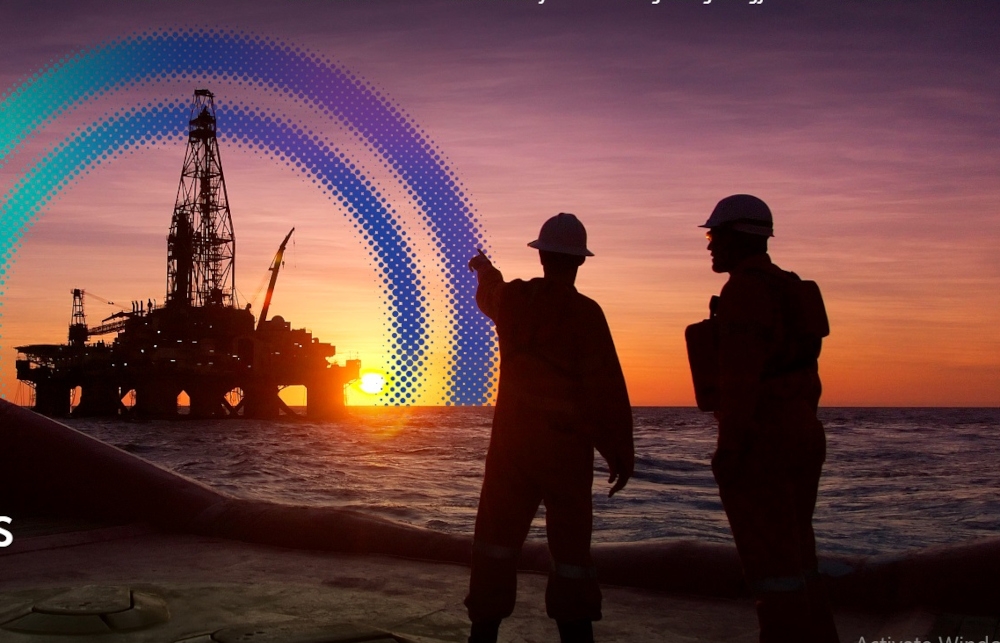
The Malaysian government is finalizing the Natural Gas Roadmap (NGR) to strategically develop the country's gas sector, ensuring energy security, affordability, and environmental sustainability aligned with the 13th Malaysia Plan.
Economy Minister Akmal Nasrullah emphasizes the need to bolster gas supply resilience amid global market uncertainties and rising demand, with initiatives like developing domestic resources, diversifying LNG imports, and enhancing infrastructure such as the Third Regasification Terminal (RGT3) in Lumut.
The roadmap aims to address regional needs in Peninsular Malaysia, Sabah, and Sarawak while promoting efficiency and competitiveness through collaboration among stakeholders.
The theme of this year's Malaysian Gas Symposium (MyGAS) 2026 is "Powering Confidence: Practical Pathways for a Resilient Energy Future.".
KUALA LUMPUR, Oct 22 — The government is finalising the Natural Gas Roadmap (NGR) to guide the coordinated development of Malaysia’s gas sector in line with national policies and the 13th Malaysia Plan, said Economy Minister Akmal Nasrullah Mohd Nasir.
“I wish to thank all stakeholders who have contributed to this process.
“A roadmap will matter only if it translates into projects, reforms and measurable outcomes,” he said in his pre-recorded video for the Malaysian Gas Symposium (MyGAS) 2026 today.
He said Malaysia must strengthen its gas supply resilience amid global market uncertainty and rising energy demand from advanced manufacturing, data centres and digital industries.
“We have seen how quickly global conditions can change.
“Disruptions to international liquefied natural gas (LNG) trade this year have affected availability and heightened price volatility across our region.
“The lesson is straightforward: Malaysia must not depend on favourable global market conditions.
“We must strengthen our own resilience — through diversified supply, sound procurement, infrastructure readiness and effective market arrangements.
“This means supporting the development of domestic gas resources, diversifying sources of imported LNG to complement domestic supply, and ensuring that infrastructure is available to deliver gas to consumers,” he said.
He said the development of domestic gas resources must account for the differing resource positions and development needs of peninsular Malaysia, Sabah and Sarawak, in collaboration with the respective state governments and relevant industry players.
As a country that both produces and imports gas, he said Malaysia must also continue to strengthen relationships with supplying countries and regional partners, while maintaining its standing as a reliable participant in international gas trade.
Akmal Nasrullah said natural gas would remain important for electricity system flexibility, industrial production and high-value economic activities.
Under the National Energy Transition Roadmap’s Responsible Transition pathway, natural gas is projected to account for 56 per cent of Malaysia’s total primary energy supply by 2050, supporting reliable electricity supply as renewable energy expands.
The government has agreed to the development of the Third Regasification Terminal (RGT3) in Lumut, Perak, to strengthen Malaysia’s long-term gas supply security.
Targeted to commence commercial operations in the second quarter of 2029, RGT3 is expected to enhance the resilience and flexibility of the country’s gas supply infrastructure, support growing domestic energy demand and reinforce investor confidence in Malaysia’s energy security.
He said technologies such as carbon capture, utilisation and storage as well as biomethane offer further opportunities where they are technically suitable and commercially viable.
“I encourage the industry to demonstrate progress through measurable reductions in emissions.
“We must create more economic value from every unit of gas, while reducing its environmental footprint,” he said.
Meanwhile, Ministry of Economy secretary-general Datuk Seri Nor Azmie Diron said the NGR aims to balance energy security, affordability and environmental sustainability, while also addressing the differing gas development needs in peninsular Malaysia, Sabah and Sarawak.
On new gas infrastructure for peninsular Malaysia, he said the development of the regasification terminal in Lumut, Perak and Yan, Kedah will add more than 1,000 million standard cubic feet per day of capacity, strengthening energy security, particularly across northern peninsular Malaysia.
In Sabah, further investments will focus on developing virtual pipeline systems as well as exploring offshore gas sources on the East Coast and future regasification terminals, in line with the Sabah Energy Roadmap and Master Plan 2040.
“As for Sarawak, the NGR recognises the four gas hubs in Kuching, Bintulu, Samalaju and Miri that have been identified in the Sarawak Gas Roadmap,” he said.
He said the roadmap would also improve gas market efficiency through third-party access and digital systems to facilitate gas trading and capacity booking.
Meanwhile, Malaysian Gas Association (MGA) president Abang Yusuf Abang Puteh said that amid growing global uncertainty and changing energy markets, the focus must now shift from identifying challenges to finding practical solutions that strengthen Malaysia’s energy security, resilience and long-term competitiveness.
He said one key lesson from our experience is that every part of the energy system is interconnected, and our efforts must be equally collaborative.
“Gas supply must reach the people and industries that need it.
“Infrastructure must be reliable and ready for changing demand.
“Projects need investment, and investment depends on confidence.
“Each of us holds part of the solution; progress comes when we bring those parts together,” he said.
MyGAS 2026 is a half-day event organised by MGA, with this year’s theme, “Powering Confidence: Practical Pathways for a Resilient Energy Future”. — Bernama
Why your air quality app and the official API don’t match, environment minister explains in Parliament
On track? Malaysia’s 2030 SDG projection climbs from 49pc to 58pc
Kuching school attack: Sarawak police ask media to refrain calling commissioner, press conference on Oct 27
马来西亚政府正在敲定天然气发展路线图(NGR),以战略性地发展该国的天然气行业,确保能源安全、价格合理和环境可持续性,与马来西亚第十三个计划保持一致。
经济部长阿克马尔·纳斯鲁拉强调,在全球市场不确定性和需求不断增长的情况下,需要加强天然气供应的韧性,采取的措施包括开发国内资源、使液化天然气进口多样化以及加强基础设施,例如位于卢穆特的第三再气化终端(RGT3)。
该路线图旨在满足马来西亚半岛、沙巴和砂拉越的区域需求,同时通过利益相关者之间的合作来提高效率和竞争力。
今年的马来西亚天然气研讨会(MyGAS)2026 的主题是“增强信心:构建具有韧性的能源未来的切实途径”。
吉隆坡,10 月 22 日——经济部长阿克马尔·纳斯鲁拉·莫哈末·纳西尔表示,政府正在敲定天然气路线图(NGR),以指导马来西亚天然气行业的协调发展,使其符合国家政策和第十三个马来西亚计划。
“我要感谢所有为这一过程做出贡献的利益相关者。”
“只有当路线图能够转化为项目、改革和可衡量的成果时,它才有意义,”他在今天为2026年马来西亚天然气研讨会(MyGAS)预先录制的视频中说道。
他表示,在全球市场不确定性以及先进制造业、数据中心和数字产业能源需求不断增长的背景下,马来西亚必须加强天然气供应的韧性。
我们已经看到全球形势变化有多么迅速。
“今年国际液化天然气(LNG)贸易中断,影响了我们地区的供应,并加剧了价格波动。
“教训很简单:马来西亚绝不能依赖有利的全球市场条件。”
“我们必须增强自身的韧性——通过多元化的供应、合理的采购、完善的基础设施和有效的市场安排。
“这意味着要支持国内天然气资源的开发,使进口液化天然气的来源多样化以补充国内供应,并确保有基础设施向消费者输送天然气,”他说。
他表示,国内天然气资源的开发必须考虑到马来西亚半岛、沙巴和砂拉越不同的资源状况和发展需求,并与各州政府和相关行业参与者合作。
他表示,马来西亚既是天然气生产国又是天然气进口国,因此必须继续加强与供应国和区域伙伴的关系,同时保持其作为国际天然气贸易可靠参与者的地位。
阿克马尔·纳斯鲁拉表示,天然气对于电力系统的灵活性、工业生产和高价值经济活动仍然至关重要。
根据国家能源转型路线图的负责任转型路径,预计到 2050 年,天然气将占马来西亚一次能源供应总量的 56%,在可再生能源扩张的同时,为可靠的电力供应提供支持。
政府已同意在霹雳州卢穆特开发第三天然气再气化终端(RGT3),以加强马来西亚的长期天然气供应安全。
RGT3 计划于 2029 年第二季度开始商业运营,预计将增强该国天然气供应基础设施的韧性和灵活性,支持不断增长的国内能源需求,并增强投资者对马来西亚能源安全的信心。
他表示,碳捕获、利用和储存以及生物甲烷等技术,在技术上适用且商业上可行的情况下,将提供更多机会。
“我鼓励业界通过可衡量的减排措施来证明取得的进展。”
他说:“我们必须从每一单位天然气中创造更多经济价值,同时减少其对环境的影响。”
与此同时,马来西亚经济部秘书长拿督斯里诺阿兹米·迪隆表示,国家天然气储备计划旨在平衡能源安全、可负担性和环境可持续性,同时满足马来西亚半岛、沙巴和砂拉越不同的天然气开发需求。
关于马来西亚半岛的新天然气基础设施,他表示,霹雳州卢穆特和吉打州延的再气化终端的开发将每天增加超过 10 亿标准立方英尺的产能,从而加强能源安全,尤其是在马来西亚半岛北部地区。
在沙巴,进一步的投资将集中于开发虚拟管道系统,以及勘探东海岸的近海天然气资源和未来的再气化终端,这符合沙巴能源路线图和 2040 年总体规划。
他说:“至于砂拉越,国家天然气储备计划认可了砂拉越天然气路线图中确定的古晋、民都鲁、三马拉朱和美里的四个天然气枢纽。”
他表示,该路线图还将通过第三方准入和数字系统来提高天然气市场效率,从而促进天然气交易和容量预订。
与此同时,马来西亚天然气协会(MGA)主席阿邦·尤素夫·阿邦·普特表示,在全球不确定性日益加剧和能源市场不断变化的背景下,现在的重点必须从识别挑战转向寻找切实可行的解决方案,以加强马来西亚的能源安全、韧性和长期竞争力。
他表示,我们从经验中得到的一个重要教训是,能源系统的每个部分都是相互关联的,我们的努力必须同样具有协作性。
“天然气供应必须惠及需要它的人民和行业。”
“基础设施必须可靠,并能适应不断变化的需求。”
“项目需要投资,而投资取决于信心。”
他说:“我们每个人都掌握着解决方案的一部分;当我们把这些部分结合起来时,就会取得进步。”
MyGAS 2026是由马来西亚天然气协会(MGA)主办的半日活动,今年的主题是“增强信心:构建韧性能源未来的切实途径”。——马来西亚国家通讯社(Bernama)
环境部长在议会解释为何空气质量应用程序与官方API不匹配
进展顺利吗?马来西亚2030年可持续发展目标预测值从49%上升至58%。
古晋学校袭击事件:砂拉越警方要求媒体不要致电警务专员,将于10月27日召开新闻发布会