S’pore expects all parties to honour commitments, says PM Wong after Indonesia cuts gas exports印尼削减天然气出口后,新加坡总理黄循财表示,希望各方履行承诺。
Singapore’s gas importer will take necessary steps to protect its rights and interests, he said. Read more at straitstimes.com.
新闻视频
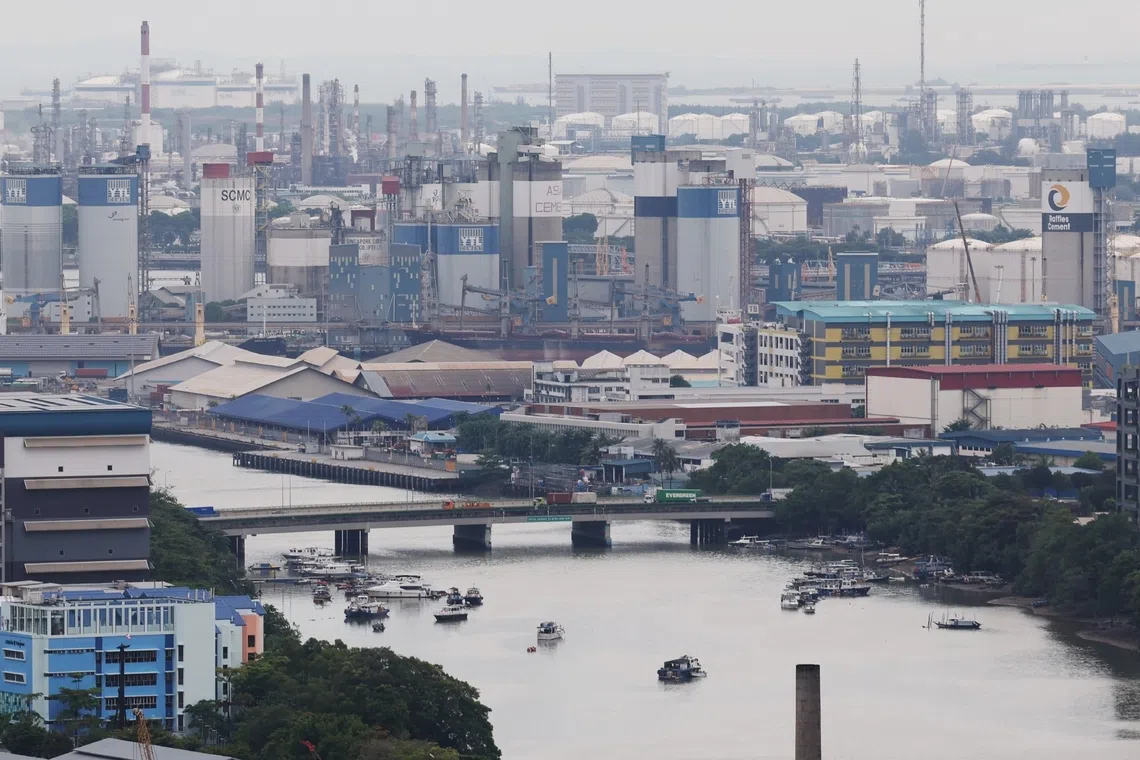
Most of Singapore’s electricity is currently generated using natural gas, and a significant amount of gas is imported through pipelines from Indonesia, he added.
Published Oct 25, 2026, 10:42 AM
Updated Oct 25, 2026, 10:43 AM
Singapore expects Indonesia and other partners to honour gas contracts after export cuts, said PM Lawrence Wong. The cut affects less than 2% of daily gas demand, and Singapore is protecting its rights.
Singapore has prepared for supply risks by investing in liquefied natural gas terminals. This gives more import options if pipeline supplies are disrupted.
PM Wong said Singapore must also seek cleaner, reliable power. The Government is studying nuclear energy, while keeping safety first and weighing risks carefully.
SINGAPORE - Singapore expects all parties to honour their commitments made under commercial contracts, and the country’s gas importer will take necessary steps to protect its rights and interests , said Prime Minister Lawrence Wong.
Speaking at the PAP conference on Oct 25, he noted that Indonesia announced cuts to its gas exports to Singapore the day before.
“We expect all parties to honour their commitments, and Singapore’s gas importer will take the necessary steps to protect its rights and interests under these contracts,” PM Wong said.
Indonesia said it would cut natural gas exports to Singapore by 31 billion British thermal units per day (BBTUD) from Oct 24. This was framed in Indonesian media reports as part of President Prabowo Subianto’s government moves to prioritise domestic energy needs amid growing concerns over energy security.
The reduction affects gas supplied through pipelines from Natuna and Sumatra, and Indonesia’s upstream oil and gas regulator SKK Migas said the cuts would affect only Singapore because the relevant export pipelines were connected directly to the city-state.
The Energy Market Authority said in response that the reduction in the gas supply from Indonesia will make up less than 2% of Singapore’s total daily gas demand.
EMA spokesman’s said that based on the information from Singapore’s natural gas importers, the total reduction amounts to 17 BBTUD over a period of 18 days.
Singapore’s total daily gas demand amounts to more than 1,000 BBTUD.
In his speech, PM Wong said Singapore has been preparing for such risks and has invested in liquefied natural gas terminals to import natural gas from different countries, without having to rely on pipelines.
“This gives us more options to manage any disruptions to our gas supply,” he added.
PM Wong said the country also has to look beyond natural gas, and needs “cleaner sources of power that can provide reliable electricity around the clock”.
That is why it is seriously studying the potential of nuclear energy, he said.
The Prime Minister acknowledged concerns over the safety of nuclear power, given Singapore’s small size and dense population.
“We take the concerns very seriously. Safety must come first. But we should not rule out an option simply because it is difficult or controversial,” he said.
“We must assess the risks and trade-offs carefully, engage Singaporeans, and eventually make the right decision to secure our energy future.”
Singapore will undergo an assessment by the International Atomic Energy Agency in 2027 to determine if the country is ready to make an informed decision on whether to deploy nuclear energy.
This will include an evaluation across 19 critical areas such as nuclear safety, managing radioactive waste and emergency planning.
Outlining the Government’s priorities in his speech, PM Wong said some challenges are harder to tackle as they cross national borders.
He cited online scams and haze, which has been affecting Singapore for a few weeks.
“We cannot solve these problems through our own efforts alone. We need cooperation from other countries. But that does not mean we stand by and do nothing,” PM Wong said.
“We are doing everything we can within our power to protect Singaporeans, strengthen our own response, and work with our partners to tackle these problems at source.”
他还补充说,新加坡目前大部分电力都是用天然气发电的,而且大量天然气是通过管道从印度尼西亚进口的。
发布于 2026 年 10 月 25 日上午 10:42
更新于2026年10月25日上午10:43
新加坡总理黄循财表示,新加坡希望印尼和其他合作伙伴在减产后履行天然气合同。此次减产影响不到每日天然气需求的2%,新加坡正在维护自身权益。
新加坡已通过投资液化天然气接收站来应对供应风险。如果管道供应中断,这将为新加坡提供更多进口选择。
黄循财总理表示,新加坡也必须寻求更清洁、更可靠的能源。政府正在研究核能,同时将安全放在首位,并仔细权衡各种风险。
新加坡——新加坡总理黄循财表示,新加坡希望各方履行其在商业合同下作出的承诺,该国天然气进口商将采取必要措施保护其权利和利益。
他在 10 月 25 日的 PAP 会议上发言时指出,印尼在前一天宣布削减对新加坡的天然气出口。
黄循财总理表示:“我们希望各方都能履行承诺,新加坡天然气进口商也将采取必要措施,保护其在这些合同下的权利和利益。”
印尼表示,将从10月24日起每天削减对新加坡310亿英热单位(BGTUD)的天然气出口。印尼媒体报道称,这是普拉博沃·苏比安托总统领导的政府为优先满足国内能源需求而采取的措施之一,旨在应对日益增长的能源安全担忧。
此次减产影响了从纳土纳和苏门答腊通过管道输送的天然气,印尼上游油气监管机构 SKK Migas 表示,此次减产只会影响新加坡,因为相关的出口管道直接连接到这个城邦国家。
能源市场管理局回应称,印尼天然气供应减少将占新加坡每日天然气总需求的不到2%。
EMA发言人表示,根据新加坡天然气进口商提供的信息,18天内总减量达到17 BBTUD。
新加坡每日天然气总需求量超过 1000 BBTUD。
黄循财总理在讲话中表示,新加坡一直在为应对此类风险做准备,并投资建设液化天然气终端,以便从不同国家进口天然气,而无需依赖管道。
“这让我们有更多选择来应对天然气供应中断的情况,”他补充道。
黄之锋总理表示,国家也必须将目光投向天然气以外的能源,需要“更清洁的能源,能够全天候提供可靠的电力”。
他说,正因如此,该公司才认真研究核能的潜力。
鉴于新加坡国土面积小、人口密度高,总理承认对核电安全存在担忧。
“我们非常重视这些担忧。安全必须放在首位。但我们不应该仅仅因为某个方案困难或有争议就将其排除在外,”他说。
“我们必须认真评估风险和权衡利弊,让新加坡人参与进来,最终做出正确的决定,以确保我们的能源未来。”
新加坡将于 2027 年接受国际原子能机构的评估,以确定该国是否已做好准备,就部署核能做出明智的决定。
这将包括对核安全、放射性废物管理和应急计划等 19 个关键领域的评估。
黄循财总理在讲话中概述了政府的优先事项,并表示有些挑战由于跨越国界,因此更难应对。
他提到了网络诈骗和雾霾,雾霾已经影响新加坡数周了。
黄循财总理表示:“仅靠我们自身的力量无法解决这些问题。我们需要其他国家的合作。但这并不意味着我们会袖手旁观,无所作为。”
“我们正在竭尽所能保护新加坡人,加强自身的应对措施,并与合作伙伴共同努力,从源头上解决这些问题。”