CNA Explains: How Singapore reviews and benchmarks political salaries中央社解读:新加坡如何审查和评估政治人物薪酬
The salaries of Singapore’s political office holders and parliamentarians have remained unchanged since 2011.
The salaries of Singapore’s political office holders and parliamentarians have remained unchanged since 2011.
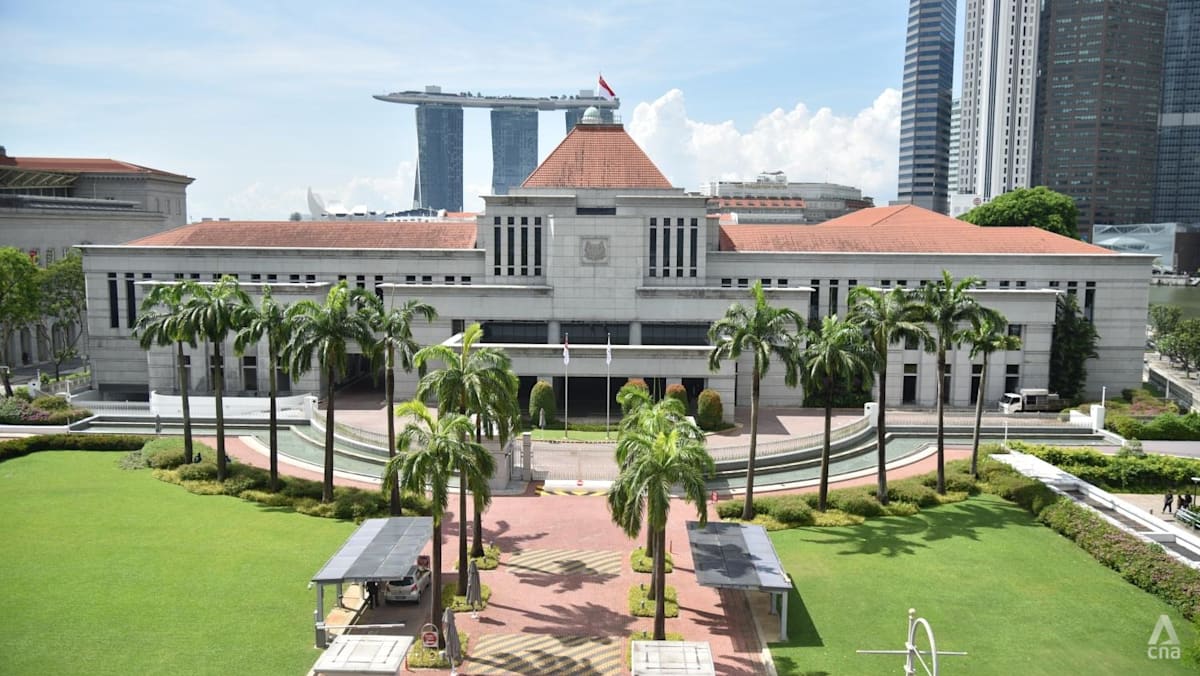
A view of Parliament House in Singapore. (File photo: CNA/Syamil Sapari)
This audio is generated by an AI tool.
SINGAPORE: The review of Singapore’s political salaries will be addressed in parliament on Tuesday (Sep 8), with Prime Minister Lawrence Wong and Coordinating Minister for Public Services Chan Chun Sing delivering the government's response on the matter.
Political salaries are reviewed by an independent committee that is appointed once every five years, but there has been no change to how much ministers and parliamentarians are paid since 2011.
The last review was completed in 2017 with the government deciding not to implement any changes, while a review slated for 2023 was deferred due to prevailing global circumstances .
The political salaries framework covers the salaries of the president, prime minister, speaker of parliament, deputy speaker of parliament, members of parliament (MPs), non-constituency MPs, nominated MPs and political appointment holders.
CNA Games Guess Word Crack the word, one row at a time Buzzword Create words using the given letters Mini Sudoku Tiny puzzle, mighty brain teaser Mini Crossword Small grid, big challenge Word Search Spot as many words as you can Show More Show Less CNA looks at how the salaries are calculated and benchmarked against the private sector, and why past recommendations to raise them were not taken up. How are political salaries calculated? The political salary formula contains both fixed and variable pay components: A fixed component of 13 months An annual variable component, typically set at one month An individual performance bonus, set at three months for good performance A national bonus, set at three months if targets are met. If all the boxes are ticked, the political appointment holder could receive an annual salary of 20 months. The benchmark for an entry-level minister is based on the median income of the top 1,000 Singaporean income earners. A 40 per cent discount is applied to reflect the ethos of sacrifice that political service involves. An entry level minister is appointed at a grade of MR4, and can also be appointed to more senior grades of MR3, MR2 and MR1 subsequently. A minister may start out at the lower end of the MR4 range with a monthly salary of S$46,750. This works out to an annual salary of S$935,000, of which the fixed component is S$607,750 and the rest is variable. The monthly salary at the benchmark level is S$55,000, which comes up to an annual salary of S$1.1 million. The fixed component is S$715,000 and the rest is variable. Meanwhile, the national bonus is based on four socio-economic indicators, weighted equally: The real median income growth rate of the average Singaporean, the real income growth rate of the lowest 20th percentile of Singaporean income earners, the unemployment rate of Singaporeans and the real gross domestic product (GDP) growth rate. How much do the prime minister and president earn? The president, prime minister, parliamentary speaker and deputy speakers are on fixed salary points which are set at pre-determined ratios to the MR4 salary, reflecting their roles and responsibilities. For instance, the prime minister earns twice the salary of an MR4 minister, or S$2.2 million. There is no one to decide on the performance bonus for the prime minister, so his bonus is based only on the national bonus. The president receives the same monthly salary as the prime minister, including the 13th month fixed component, as well as the annual variable component but without the performance and national bonuses. This works out to S$1.54 million. While the president is the head of state and has significant custodial powers, he or she does not set national policies and does not have direct executive responsibility for governing the country unless in relation to the custodial role. Political appointment holders receive only one pay package regardless of the number of appointments they hold. Guiding principles for the salary framework also include the view that salaries must be competitive so that people of the right calibre are not deterred from stepping forward to lead the country, and that there should be a “clean wage” with no hidden perks. How has the formula changed over the years? There were no formal ministerial salary benchmarks before 1994, and they were decided through informal comparisons with the private sector. The benchmarks took the average of the top four earners in six professions or sectors – bankers, accountants, engineers, lawyers, local manufacturers and multinational corporations – and targeted two-thirds of that amount. The formula was revised in 2000, expanding the reference pool to the top eight earners from the six professions. Following economic downturns in November 2001 and July 2003, ministers took wage cuts, which were restored later in July 2004 and January 2005, alongside those for civil servants. A salary revision was made in 2007 to narrow the gap between the benchmark and actual salaries, and to also include the imputed value of pensions. During the 2009 recession from the global financial crisis, ministerial salaries were reduced by 22 per cent, in accordance with the formula. Following the May 2011 General Election, Prime Minister Lee Hsien Loong appointed a committee to review the salaries for the president, prime minister, political appointment holders and Members of Parliament, to ensure that the salary framework remains relevant for the future. In its public consultations, the committee received over 500 emails and letters from MPs and the public, including young people, CEOs, small and medium enterprise owners, retirees, overseas Singaporeans, professionals, academics and non-governmental organisations. It completed and submitted its report on Dec 30, 2011, with the government accepting all recommendations and applying it as the new basis retrospectively from May 21 that year. The white paper titled “Salaries for a Capable and Committed Government” was later endorsed in parliament in January 2012, after a debate lasting two and a half days, with 29 MPs speaking on the matter, including seven from the opposition. It expanded the benchmark pool to the current number of 1,000 individuals, and limited it to only Singaporeans working in Singapore. The new benchmark meant cuts to political salaries. Including the removal of pension, a minister's annual salary dropped 37 per cent to S$1.1 million and the prime minister's annual salary fell by 36 per cent. Why were there no changes to salaries since 2011? One recommendation from the 2011 report was for the prime minister to appoint a committee every five years to review the salary framework. In 2017, the review committee recommended adjusting salary levels to match updated benchmarks, but the government decided against any changes as the economy was still in transition. A review slated for 2023 was deferred due to the uncertain external environment and the downside risks in the global economy at that time. “In 2023, the global geopolitical situation has become more uncertain, with conflicts in the Middle East and Ukraine and continuing heightened geopolitical contestation,” said Mr Chan in parliament in January 2024. “On the economic front, significant uncertainties and downside risks in the global economy remain, impacting our local economy and our wage and inflation outlooks. “Hence, we decided to focus on dealing with these key challenges at hand and defer the review of political salaries for now.” In January this year, Mr Chan said that the deferred review of political salaries will be carried out, in response to a parliamentary question. “The salary structure and benchmark have not been updated since they were introduced in 2012. It is therefore timely to undertake a review,” he said in a written reply. The committee was chaired by Mr Gan Seow Kee, chairman of Singapore LNG Corporation and alternate member of the Council of Presidential Advisers, Mr Chan had said. Later in May, Mr Chan said the independent committee had completed its work, but the government decided to defer consideration of its recommendations due to the geopolitical situation. In a written reply to a parliamentary question, he said that the government recognises that the Middle East conflict is still ongoing and causing major economic uncertainties for Singapore. “Against this backdrop, the government has decided to defer consideration of the committee’s recommendations, until the impact of the conflict on Singapore is clearer.” He added then that the government will release the committee’s report together with its response “at the appropriate time”.
CNA looks at how the salaries are calculated and benchmarked against the private sector, and why past recommendations to raise them were not taken up.
How are political salaries calculated?
The political salary formula contains both fixed and variable pay components:
A fixed component of 13 months
An annual variable component, typically set at one month
An individual performance bonus, set at three months for good performance
A national bonus, set at three months if targets are met.
If all the boxes are ticked, the political appointment holder could receive an annual salary of 20 months.
The benchmark for an entry-level minister is based on the median income of the top 1,000 Singaporean income earners. A 40 per cent discount is applied to reflect the ethos of sacrifice that political service involves.
An entry level minister is appointed at a grade of MR4, and can also be appointed to more senior grades of MR3, MR2 and MR1 subsequently.
A minister may start out at the lower end of the MR4 range with a monthly salary of S$46,750. This works out to an annual salary of S$935,000, of which the fixed component is S$607,750 and the rest is variable.
The monthly salary at the benchmark level is S$55,000, which comes up to an annual salary of S$1.1 million. The fixed component is S$715,000 and the rest is variable.
Meanwhile, the national bonus is based on four socio-economic indicators, weighted equally: The real median income growth rate of the average Singaporean, the real income growth rate of the lowest 20th percentile of Singaporean income earners, the unemployment rate of Singaporeans and the real gross domestic product (GDP) growth rate.
How much do the prime minister and president earn?
The president, prime minister, parliamentary speaker and deputy speakers are on fixed salary points which are set at pre-determined ratios to the MR4 salary, reflecting their roles and responsibilities.
For instance, the prime minister earns twice the salary of an MR4 minister, or S$2.2 million. There is no one to decide on the performance bonus for the prime minister, so his bonus is based only on the national bonus.
The president receives the same monthly salary as the prime minister, including the 13th month fixed component, as well as the annual variable component but without the performance and national bonuses. This works out to S$1.54 million.
While the president is the head of state and has significant custodial powers, he or she does not set national policies and does not have direct executive responsibility for governing the country unless in relation to the custodial role.
Political appointment holders receive only one pay package regardless of the number of appointments they hold.
Guiding principles for the salary framework also include the view that salaries must be competitive so that people of the right calibre are not deterred from stepping forward to lead the country, and that there should be a “clean wage” with no hidden perks.
How has the formula changed over the years?
There were no formal ministerial salary benchmarks before 1994, and they were decided through informal comparisons with the private sector.
The benchmarks took the average of the top four earners in six professions or sectors – bankers, accountants, engineers, lawyers, local manufacturers and multinational corporations – and targeted two-thirds of that amount.
The formula was revised in 2000, expanding the reference pool to the top eight earners from the six professions.
Following economic downturns in November 2001 and July 2003, ministers took wage cuts, which were restored later in July 2004 and January 2005, alongside those for civil servants.
A salary revision was made in 2007 to narrow the gap between the benchmark and actual salaries, and to also include the imputed value of pensions.
During the 2009 recession from the global financial crisis, ministerial salaries were reduced by 22 per cent, in accordance with the formula.
Following the May 2011 General Election, Prime Minister Lee Hsien Loong appointed a committee to review the salaries for the president, prime minister, political appointment holders and Members of Parliament, to ensure that the salary framework remains relevant for the future.
In its public consultations, the committee received over 500 emails and letters from MPs and the public, including young people, CEOs, small and medium enterprise owners, retirees, overseas Singaporeans, professionals, academics and non-governmental organisations.
It completed and submitted its report on Dec 30, 2011, with the government accepting all recommendations and applying it as the new basis retrospectively from May 21 that year.
The white paper titled “Salaries for a Capable and Committed Government” was later endorsed in parliament in January 2012, after a debate lasting two and a half days, with 29 MPs speaking on the matter, including seven from the opposition.
It expanded the benchmark pool to the current number of 1,000 individuals, and limited it to only Singaporeans working in Singapore.
The new benchmark meant cuts to political salaries. Including the removal of pension, a minister's annual salary dropped 37 per cent to S$1.1 million and the prime minister's annual salary fell by 36 per cent.
Why were there no changes to salaries since 2011?
One recommendation from the 2011 report was for the prime minister to appoint a committee every five years to review the salary framework.
In 2017, the review committee recommended adjusting salary levels to match updated benchmarks, but the government decided against any changes as the economy was still in transition.
A review slated for 2023 was deferred due to the uncertain external environment and the downside risks in the global economy at that time.
“In 2023, the global geopolitical situation has become more uncertain, with conflicts in the Middle East and Ukraine and continuing heightened geopolitical contestation,” said Mr Chan in parliament in January 2024.
“On the economic front, significant uncertainties and downside risks in the global economy remain, impacting our local economy and our wage and inflation outlooks.
“Hence, we decided to focus on dealing with these key challenges at hand and defer the review of political salaries for now.”
In January this year, Mr Chan said that the deferred review of political salaries will be carried out, in response to a parliamentary question.
“The salary structure and benchmark have not been updated since they were introduced in 2012. It is therefore timely to undertake a review,” he said in a written reply.
The committee was chaired by Mr Gan Seow Kee, chairman of Singapore LNG Corporation and alternate member of the Council of Presidential Advisers, Mr Chan had said.
Later in May, Mr Chan said the independent committee had completed its work, but the government decided to defer consideration of its recommendations due to the geopolitical situation.
In a written reply to a parliamentary question, he said that the government recognises that the Middle East conflict is still ongoing and causing major economic uncertainties for Singapore.
“Against this backdrop, the government has decided to defer consideration of the committee’s recommendations, until the impact of the conflict on Singapore is clearer.”
He added then that the government will release the committee’s report together with its response “at the appropriate time”.
Want an issue or topic explained? Email us at digitalnews [at] mediacorp.com.sg . Your question might become a story on our site.
Get our pick of top stories and thought-provoking articles in your inbox
Stay updated with notifications for breaking news and our best stories
Join our channel for the top reads for the day on your preferred chat app
自 2011 年以来,新加坡政治官员和国会议员的薪水一直保持不变。
新加坡国会大厦一景。(资料照片:CNA/Syamil Sapari)
这段音频由人工智能工具生成。
新加坡:新加坡国会将于周二(9月8日)讨论政治薪酬审查事宜,总理黄循财和公共服务统筹部长陈振声将就此事发表政府回应。
政治人物的薪酬由一个每五年任命一次的独立委员会进行审查,但自 2011 年以来,部长和议员的薪酬水平没有任何变化。
上一次审查于 2017 年完成,政府决定不进行任何改革,而原定于 2023 年进行的审查由于当时的全球形势而被推迟。
政治薪酬框架涵盖总统、总理、议长、副议长、议员、非选区议员、委任议员和政治任命人员的薪酬。
CNA游戏 猜词游戏 逐行破解单词 流行词游戏 用给定的字母组成单词 迷你数独 小谜题,脑力挑战 迷你填字游戏 小方格,大挑战 单词搜索 尽可能多地找出单词 显示更多 显示更少 CNA探讨了政治薪酬的计算方法以及与私营部门的基准比较,并解释了为什么过去提高薪酬的建议没有被采纳。政治薪酬是如何计算的?政治薪酬公式包含固定薪酬和浮动薪酬两部分:13个月的固定薪酬部分;通常为一个月薪酬的年度浮动薪酬部分;表现优异者可获得三个月薪酬的个人绩效奖金;达到目标者可获得三个月薪酬的国家奖金。如果所有项目都完成,政治任命人员的年薪可达20个月薪酬。初级部长的基准薪酬以新加坡收入最高的1000人的收入中位数为基础。为了体现政治服务所蕴含的奉献精神,实际薪酬会打40%的折扣。初级部长的职级为MR4,之后可晋升至MR3、MR2和MR1等更高职级。部长起薪可能处于MR4职级的较低水平,月薪为46,750新元。这相当于年薪935,000新元,其中固定部分为607,750新元,其余为浮动部分。基准级别的月薪为55,000新元,相当于年薪110万新元。其中固定部分为715,000新元,其余为浮动部分。同时,国家奖金基于四个社会经济指标,权重相同:新加坡人均实际收入中位数增长率、新加坡收入最低的20%人群的实际收入增长率、新加坡人的失业率以及实际国内生产总值(GDP)增长率。总理和总统的收入是多少?总统、总理、国会议长和副议长的薪酬是固定的,其与MR4级部长薪酬的比例是预先设定的,反映了他们各自的角色和职责。例如,总理的薪酬是MR4级部长的两倍,即220万新元。总理的绩效奖金没有单独的决定机构,因此他的奖金仅基于国家奖金。总统的月薪与总理相同,包括第13个月的固定部分以及年度浮动部分,但不包括绩效奖金和国家奖金。总统的月薪为154万新元。虽然总统是国家元首,拥有重要的监护权,但他/她不制定国家政策,也不直接负责国家治理,除非与监护权相关。政治任命人员无论担任多少个职务,都只领取一份薪酬方案。薪酬框架的指导原则还包括:薪酬必须具有竞争力,以免优秀人才因薪酬不足而不敢挺身而出领导国家;以及薪酬必须“透明”,不得有任何隐性福利。多年来,薪酬计算公式发生了哪些变化?1994年以前,部长级官员的薪酬没有正式的基准,而是通过与私营部门的非正式比较来确定。基准取自六个行业或领域(银行家、会计师、工程师、律师、本地制造商和跨国公司)中收入最高的四位人士的平均收入,并以该金额的三分之二为目标。2000年,薪酬计算公式进行了修订,将参考范围扩大到这六个行业中收入最高的八位人士。在2001年11月和2003年7月的经济衰退之后,部长们接受了减薪,这些减薪措施分别于2004年7月和2005年1月恢复,公务员的减薪措施也随之恢复。 2007年,政府对薪酬体系进行了调整,以缩小基准薪酬与实际薪酬之间的差距,并将养老金的估算值纳入其中。在2009年全球金融危机引发的经济衰退期间,部长级官员的薪酬根据既定公式削减了22%。2011年5月大选后,李显龙总理任命了一个委员会,负责审查总统、总理、政治任命官员和国会议员的薪酬,以确保薪酬体系在未来仍然适用。在公开咨询过程中,该委员会收到了来自国会议员和公众的500多封电子邮件和信件,其中包括年轻人、首席执行官、中小企业主、退休人员、海外新加坡人、专业人士、学者和非政府组织。委员会于2011年12月30日完成并提交了报告,政府接受了所有建议,并追溯至当年5月21日将其作为新的薪酬基准。这份题为《为高效尽责的政府制定薪酬方案》的白皮书,在经过两天半的辩论后,于2012年1月在国会获得通过。共有29名议员就此议题发言,其中包括7名反对党议员。白皮书将基准人数扩大到目前的1000人,并限定为在新加坡工作的新加坡公民。新的基准意味着政治人物薪酬的削减。包括取消养老金在内,部长年薪下降了37%,至110万新元,总理年薪下降了36%。为什么自2011年以来薪酬没有变化?2011年报告的一项建议是,总理应每五年任命一个委员会来审查薪酬框架。2017年,审查委员会建议调整薪酬水平以符合更新后的基准,但由于经济仍在转型期,政府决定不做任何调整。原定于2023年进行的薪酬检讨因当时外部环境的不确定性和全球经济的下行风险而被推迟。陈先生于2024年1月在国会表示:“2023年,全球地缘政治局势更加不明朗,中东和乌克兰冲突持续,地缘政治对抗不断加剧。经济方面,全球经济仍存在诸多不确定性和下行风险,影响本地经济以及工资和通胀前景。因此,我们决定集中精力应对这些关键挑战,暂缓对政治人物薪酬的检讨。”今年1月,陈先生在回复国会质询时表示,推迟进行的政治薪酬检讨将会进行。他在书面答复中指出:“薪酬结构和基准自2012年引入以来一直未更新,因此现在正是进行检讨的时机。”陈先生还表示,该委员会由新加坡液化天然气公司主席兼总统顾问委员会候补委员颜绍基先生担任主席。5月,陈先生表示,独立委员会已完成工作,但鉴于地缘政治局势,政府决定推迟审议其建议。他在回复国会质询的书面答复中表示,政府认识到中东冲突仍在持续,并给新加坡经济带来重大不确定性。“在此背景下,政府决定推迟审议委员会的建议,直至冲突对新加坡的影响更加明朗。”他当时补充说,政府将在“适当的时候”公布委员会的报告及其回应。
CNA 调查了薪资的计算方式以及与私营部门的基准比较,并解释了为什么过去提高薪资的建议没有被采纳。
政治人物的薪酬是如何计算的?
政治人物薪酬计算公式包含固定薪酬部分和浮动薪酬部分:
固定部分为 13 个月
年度可变部分,通常设定为一个月
个人绩效奖金,表现良好者可获得三个月的奖金。
如果达到目标,将发放国家奖金,奖金期限为三个月。
如果所有条件都满足,政治任命持有者可获得相当于 20 个月的年薪。
初级部长的薪酬基准以新加坡收入最高的1000人的收入中位数为准。为了体现政治服务所蕴含的奉献精神,薪酬标准会降低40%。
初级部长的任命级别为 MR4,之后还可以晋升为更高级别的 MR3、MR2 和 MR1。
部长起薪可能处于 MR4 级别较低水平,月薪为 46,750 新元。这折合年薪为 935,000 新元,其中固定部分为 607,750 新元,其余部分为浮动部分。
基准水平的月薪为55,000新元,折合年薪为110万新元。其中固定部分为715,000新元,其余为浮动部分。
同时,国家奖金是根据四个社会经济指标计算得出的,权重相同:新加坡普通民众的实际收入中位数增长率、新加坡收入最低的 20% 人群的实际收入增长率、新加坡失业率和实际国内生产总值 (GDP) 增长率。
总理和总统的薪水是多少?
总统、总理、议长和副议长的薪级是固定的,按照预先确定的比例与 MR4 薪级挂钩,反映了他们的角色和职责。
例如,总理的薪水是MR4部长的两倍,即220万新元。总理的绩效奖金没有单独的决定机构,因此他的奖金仅取决于国家奖金。
总统的月薪与总理相同,包括第13个月的固定薪酬部分以及年度浮动薪酬部分,但不包括绩效奖金和国家奖金。总计约为154万新元。
虽然总统是国家元首,拥有重要的监护权,但总统不制定国家政策,也不直接承担治理国家的行政责任,除非与监护权有关。
政治任命人员无论担任多少个职务,都只领取一份薪酬方案。
薪酬框架的指导原则还包括:薪酬必须具有竞争力,这样才不会阻碍优秀人才挺身而出领导国家;以及应该实行“干净工资”,没有任何隐性福利。
这些年来,配方发生了哪些变化?
1994 年之前没有正式的部长级薪酬基准,部长级薪酬是通过与私营部门的非正式比较来确定的。
基准取六个职业或行业(银行家、会计师、工程师、律师、本地制造商和跨国公司)中收入最高的四名员工的平均收入,并以该金额的三分之二为目标。
该公式在 2000 年进行了修订,将参考范围扩大到六个职业中收入最高的八位人士。
在 2001 年 11 月和 2003 年 7 月经济衰退之后,部长们接受了减薪,这些减薪后来在 2004 年 7 月和 2005 年 1 月恢复,公务员的减薪也随之恢复。
2007 年进行了薪资调整,以缩小基准薪资与实际薪资之间的差距,并将养老金的估算值也纳入其中。
在 2009 年全球金融危机引发的经济衰退期间,部长级官员的薪水按照规定减少了 22%。
2011 年 5 月大选后,李显龙总理任命了一个委员会审查总统、总理、政治任命官员和国会议员的薪酬,以确保薪酬框架在未来仍然适用。
在公开咨询过程中,委员会收到了来自国会议员和公众的 500 多封电子邮件和信件,其中包括年轻人、首席执行官、中小企业主、退休人员、海外新加坡人、专业人士、学者和非政府组织。
该机构于 2011 年 12 月 30 日完成并提交了报告,政府接受了所有建议,并从当年 5 月 21 日起追溯性地将其作为新的依据。
这份题为《为有能力且尽职尽责的政府提供薪酬》的白皮书,在经过两天半的辩论后,于 2012 年 1 月在议会获得通过。共有 29 名议员就此事发言,其中包括 7 名反对党议员。
它将基准池扩大到目前的 1,000 人,并且仅限于在新加坡工作的新加坡人。
新的薪酬标准意味着政治人物薪资的削减。包括取消养老金在内,部长年薪下降37%至110万新元,总理年薪下降36%。
为什么自 2011 年以来工资没有变化?
2011 年的报告建议首相每五年任命一个委员会来审查薪酬框架。
2017 年,审查委员会建议调整工资水平以符合更新后的基准,但政府决定不做任何改变,因为当时的经济仍处于转型期。
原定于 2023 年进行的审查因当时外部环境的不确定性和全球经济的下行风险而被推迟。
“2023年,全球地缘政治形势变得更加不确定,中东和乌克兰的冲突以及持续加剧的地缘政治竞争,”陈先生在2024年1月于国会表示。
“在经济方面,全球经济仍然存在重大的不确定性和下行风险,影响着我们当地的经济以及我们的工资和通胀前景。
“因此,我们决定集中精力应对眼前的这些关键挑战,暂时推迟对政治人物薪酬的审查。”
今年1月,陈先生在回应议会质询时表示,推迟进行的政治人物薪酬检讨将会进行。
他在书面答复中表示:“薪酬结构和基准自2012年推出以来一直没有更新。因此,现在是时候进行审查了。”
陈先生曾表示,该委员会由新加坡液化天然气公司主席兼总统顾问委员会候补委员颜绍基先生担任主席。
5月下旬,陈先生表示,独立委员会已经完成了工作,但由于地缘政治形势,政府决定推迟考虑其建议。
他在对议会质询的书面答复中表示,政府认识到中东冲突仍在持续,并给新加坡的经济造成了重大不确定性。
“在此背景下,政府决定推迟审议委员会的建议,直到冲突对新加坡的影响更加明朗为止。”
他随后补充说,政府将在“适当的时候”公布委员会的报告及其回应。
想了解某个问题或话题?请发送邮件至 digitalnews [at] mediacorp.com.sg。您的提问可能会成为我们网站上的报道内容。
订阅我们的邮件,即可获取精选热点新闻和引人深思的文章。
订阅通知,第一时间获取突发新闻和精彩报道。
加入我们的频道,即可在您常用的聊天应用上获取当日热门文章。