Singapore sets new retirement age at 65, re-employment at 70 from 2029新加坡将退休年龄定为65岁,2029年起重新就业年龄为70岁。
SINGAPORE, Oct 26 — Singapore will raise retirement age to 65 and re-employment age to 70 from Jan 1, 2029, a year ahead of the 2030 timeline, as part of six recommendations to...
SINGAPORE, Oct 26 — Singapore will raise retirement age to 65 and re-employment age to 70 from Jan 1, 2029, a year ahead of the 2030 timeline, as part of six recommendations to help seniors remain in the workforce longer.
Announced today by the Tripartite Workgroup on Senior Employment (TWG-SE), the recommendations aim to help more seniors remain in meaningful, sustainable employment, while promoting age-diverse, multi-generational workplaces.
This comes amid an ageing workforce, with the proportion of Singapore's resident labour force aged 50 and above rising from 34 per cent to 40 per cent over the past decade, according to the Ministry of Manpower.
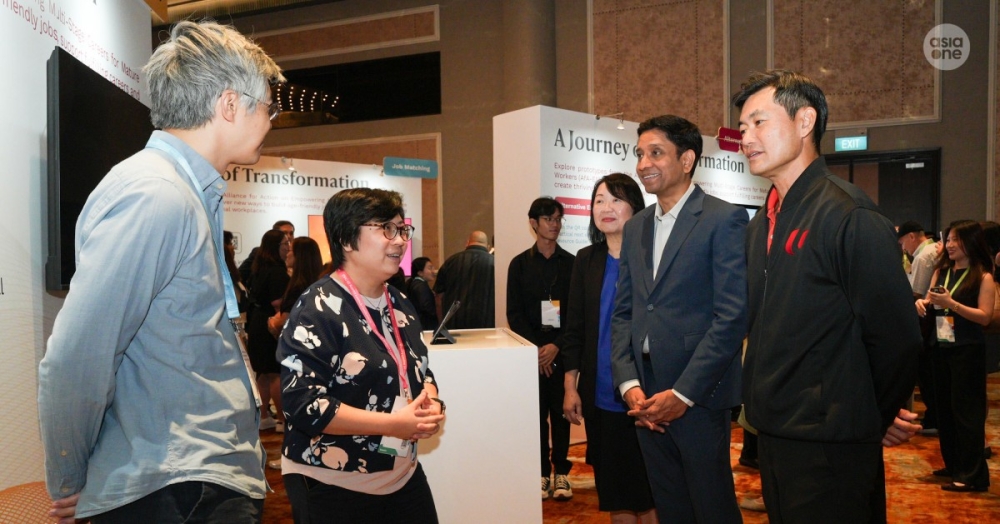
Speaking at the launch conference today, Minister of State for Manpower Dinesh Vasu Dash said employers should adapt jobs and workplaces to give older workers more options to remain in the workforce.
"We hope for our seniors to also upskill themselves to be able to deal with jobs and look at careers as a multi-staged perspective," said Dinesh, adding that creating age-inclusive workplaces would benefit both employers and workers.
"Ultimately, we want to create age inclusive workplaces in Singapore where we are able to then extract the maximum we can for our business and at the same time to support our workers.”
The event was also attended by NTUC deputy secretary-general Desmond Tan, and other guests, who were invited to a walkthrough of the digital booths and NTUC's e2i career pulse workshop.
To expand flexible employment opportunities for older workers, the workgroup recommended introducing a new Flexi-Load Programme (FLP) to help employers create and expand part-time and fractional roles.
The programme will help employers defray the transitional costs of introducing such arrangements, including redesigning jobs, systems and policies traditionally structured around full-time work.
The FLP will also replace the existing part-time re-employment grant when it expires at the end of 2027.
While the current grant is available only to employees aged 60 and above, the FLP will be open to those aged 50 and above.
The workgroup also proposed setting up a programme office for career longevity under the skills and workforce development agency, in collaboration with NTUC and Singapore National Employers Federation, to support career transitions and promote age-inclusive hiring practices.
Greater financial support and tax relief
To provide greater financial support to seniors who are unable to secure re-employment, the workgroup also recommended raising the minimum and maximum employment assistance payment amounts.
The revised amounts will take into account wage growth since the last update in 2022, helping affected workers manage their expenses while seeking new employment opportunities.
Additionally, it also proposed enhancing earned income relief for seniors working beyond the statutory retirement and re-employment ages to reduce their tax burden, boost take-home pay.
Separately, a new re-employment credit will replace the senior employment credit when it expires from 2028 to provide wage support to employers who retain older workers, helping to offset employment costs.
Uplifting lower-wage seniors
The last recommendation focuses on improving wages and retirement adequacy for lower-wage seniors through enhancements to the Workfare Income Supplement (WIS) and updates to the Progressive Wage Credit Scheme (PWCS).
Enhancements to WIS will help improve the wages and retirement savings of lower-wage senior workers, while updates to PWCS will provide employers with greater support to raise wages sustainably.
The TWG-SE was convened in July 2025 to review and refresh Singapore's senior employment strategy and has since consulted more than 1,000 stakeholders.
The workgroup also drew on insights from pilot initiatives by 30 organisations in training, career guidance and flexible work arrangements, which have benefited more than 1,600 senior workers. — AsiaOne
Singapore gives conditional approval for Vietnam-Malaysia renewable power project
Saudi Arabia to store crude oil in Singapore from 2027
Singapore, Malaysia renew energy partnership covering power, gas and renewables
Nepal turns to SMART’s drones, detection gear after declining two Malaysian rescue offers
Abang Johari confirms AI data centre plan in Sarawak under US$50b investment
Live pig imports from Sarawak to Selangor subject to strict controls since July 2025, says deputy minister
新加坡,10 月 26 日——新加坡将从 2029 年 1 月 1 日起将退休年龄提高到 65 岁,将再就业年龄提高到 70 岁,比原定的 2030 年计划提前一年。这是新加坡为帮助老年人延长工作年限而提出的六项建议之一。
今天,由老年人就业三方工作组 (TWG-SE) 宣布的这些建议旨在帮助更多老年人保持有意义、可持续的就业,同时促进年龄多元化、多代际的工作场所。
据新加坡人力部统计,在劳动力老龄化加剧的背景下,过去十年间,新加坡50岁及以上居民劳动力的比例从34%上升至40%。
在今天的启动大会上,人力部国务部长迪内什·瓦苏·达什表示,雇主应该调整工作岗位和工作场所,为老年工人提供更多留在劳动力市场的选择。
“我们希望老年人也能提升自身技能,以便能够胜任工作,并以多阶段的视角看待职业生涯,”迪内什说道,并补充说,创建包容年龄的工作场所将使雇主和员工都受益。
“最终,我们希望在新加坡打造包容各个年龄段的工作场所,这样我们既能最大限度地发挥业务潜力,又能支持我们的员工。”
全国职工总会副秘书长陈德明及其他嘉宾也出席了此次活动,并受邀参观了数字展位和全国职工总会的 e2i 职业脉搏研讨会。
为了扩大老年劳动者的灵活就业机会,工作组建议引入新的灵活工作安排计划 (FLP),以帮助雇主创造和扩大兼职和临时岗位。
该计划将帮助雇主支付引入此类安排的过渡成本,包括重新设计传统上围绕全职工作构建的工作岗位、系统和政策。
FLP 还将取代现有的兼职再就业补助金,该补助金将于 2027 年底到期。
虽然目前的补助金只提供给 60 岁及以上的员工,但 FLP 将向 50 岁及以上的员工开放。
工作组还建议在技能和劳动力发展机构下设立一个职业长寿计划办公室,与全国职工总会和新加坡全国雇主联合会合作,以支持职业转型并促进包容年龄的招聘做法。
加大财政支持和税收减免
为了向无法再就业的老年人提供更多经济支持,工作组还建议提高就业援助金的最低和最高金额。
修订后的金额将考虑自 2022 年上次更新以来的工资增长情况,帮助受影响的工人管理开支,同时寻找新的就业机会。
此外,该法案还提议加强对超过法定退休年龄和再就业年龄仍在工作的老年人的收入减免,以减轻他们的税收负担,增加他们的实际收入。
此外,一项新的再就业补贴将在 2028 年老年人就业补贴到期后取代该补贴,为留住老年员工的雇主提供工资支持,帮助抵消用工成本。
提升低收入老年人的生活水平
最后一项建议侧重于通过加强就业收入补助 (WIS) 和更新渐进式工资补贴计划 (PWCS) 来提高低收入老年人的工资和退休保障。
WIS 的改进将有助于提高低收入老年工人的工资和退休储蓄,而 PWCS 的更新将为雇主提供更大的支持,以可持续地提高工资。
TWG-SE 于 2025 年 7 月召开,旨在审查和更新新加坡的高级人才就业战略,此后已咨询了 1000 多名利益相关者。
该工作组还借鉴了30个机构在培训、职业指导和灵活工作安排方面开展的试点项目的经验,这些项目已使1600多名资深员工受益。——亚洲新闻网
新加坡有条件批准越南-马来西亚可再生能源项目
沙特阿拉伯将从2027年起在新加坡储存原油
新加坡和马来西亚建立涵盖电力、天然气和可再生能源的可再生能源合作伙伴关系
尼泊尔拒绝了马来西亚的两项救援提议后,转而寻求SMART公司的无人机和探测设备。
阿邦佐哈里确认砂拉越人工智能数据中心计划投资 500 亿美元
副部长表示,自2025年7月起,从砂拉越进口活猪到雪兰莪将受到严格管制。