Uncertainties in approvals and laws can significantly delay subsea cables for ASEAN power grid审批和法律方面的不确定性可能会严重延误东盟电网海底电缆的建设。
Streamlining regulatory frameworks that build on existing international laws can help reduce friction or disputes: US expert Read more at straitstimes.com.
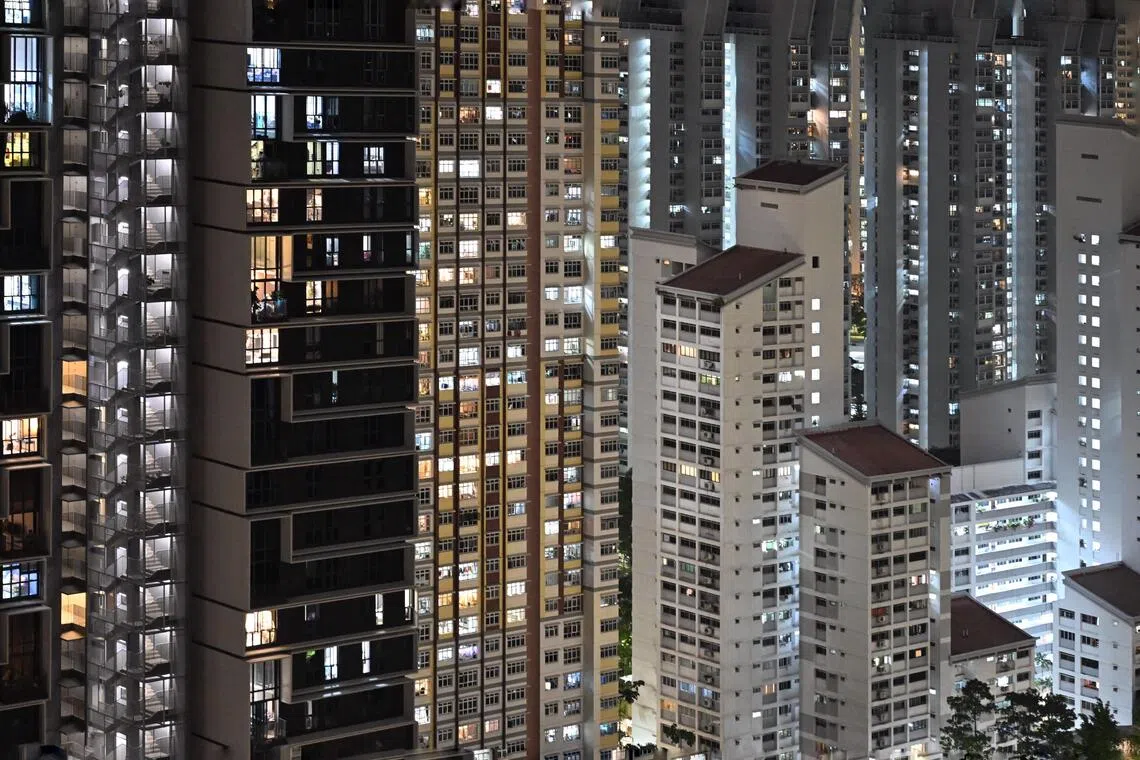
For Singapore, importing greener electricity from the region is crucial for the country to reducing carbon emissions from its power sector.
Published Oct 28, 2026, 09:10 PM
Updated Oct 28, 2026, 09:10 PM
SINGAPORE - Complex approval processes and regulatory uncertainty can significantly delay the building of undersea cables crucial for electricity trading within South-east Asia.
Uncertainty over regulatory requirements can also deter investments in such expensive cross-border connections, said Frank A. Putzu, a senior advisor to a national laboratory under the US Department of Energy, on Oct 28.
He urged ASEAN nations to standardise regulatory frameworks that build on existing international laws – such as the UN Convention on the Law of the Sea – to reduce any friction or disputes over infrastructure built for the regional power grid, known as the ASEAN Power Grid.
Putzu shared these insights from the second phase of a joint study between Singapore and the United States on strengthening energy connectivity within ASEAN. He presented the preliminary findings at the Singapore International Energy Week on Oct 28.
The first phase of the study, completed in 2025, analysed the existing grid infrastructure and energy landscape of ASEAN nations. It found that the regional power grid can bring significant socio-economic benefits, including economic growth and annual research investments of US$2 billion (S$2.5 billion).
If solar or hydropower plants form the heart of the regional grid, long networks of subsea cables will serve as the veins and arteries, sending greener electricity to countries that need it.
Building these subsea cables will be a massive and novel undertaking over the next decades. The region currently has only one undersea cross-border interconnector – a 2km link between Woodlands in Singapore and Plentong in Johor. No long-distance regional subsea cables exists.
The aim is to make the ASEAN Power Grid a reality by 2045.
The second phase of the US-Singapore study, which started in 2025, analysed the legal frameworks and financing models to support the deployment of subsea cables in ASEAN.
And under Singapore’s ASEAN chairmanship in 2027, one priority will be to finalise a regional blueprint on building submarine cables across the region.
“Many of the ASEAN Power Grid subsea cables are (planned to be) multilateral, which introduces more complication and more risk,” noted Putzu, who is from the Pacific Northwest National Laboratory in Washington.
“Each nation will have its own approval systems. Sometimes that can get complicated. That can cause project development delay. It can also create some uncertainty, which can deter investment,” he said.
For example, as cables go across the territorial waters of different South-east Asian nations, repair and maintenance vessels would need quick access to do their work. Otherwise, significant delays could happen, which can affect electricity flow.
And if a dispute arises, it should be resolved at the “lowest possible level before it advances into something that can threaten schedule or cost”, Putzu said.
Tensions over fossil fuels have already surfaced, as Indonesia cut natural gas export to Singapore from Oct 24, redirecting supplies to meet domestic electricity needs in Batam, Bintan and Sumatra.
To prevent delays or disputes as the region prepares to build long undersea power cables, the study recommended that electricity-exporting and importing countries familiarise themselves with one another’s agencies responsible for energy, environmental regulation, security and licensing.
This is because responsibilities for a single infrastructure project are typically spread across departments and ministries.
The study also suggested integrating international maritime law into national regulations.
A dedicated group with representatives across ASEAN nations can also be set up to strengthen coordination and resolve issues related to subsea cables, Putzu added.
For Singapore, importing greener electricity from the region is crucial for the country to reducing carbon emissions from its power sector, which is reliant on around 95 per cent of natural gas.
The country is helping to lay the groundwork for the regional grid, with 14 electricity import projects in the works and a combined capacity of more than 10 gigawatts.
The projects cover solar, wind and hydropower from Malaysia, Indonesia, Cambodia, Vietnam and Australia.
According to the International Energy Agency, around US$27 billion is needed between 2025 and 2040 to deliver the subsea connectors.
Putzu noted that while certainty in laws and regulations is needed to make the energy projects financially viable, subsea cables face distinct financing challenges that cannot be addressed solely by legal certainty.
The risk comes from long development timelines, complicated approval processes across countries, marine and technical risks and revenue uncertainty, he said.
The study identified several ways to finance the cables. One option is a blended financing model anchored by grants and loans from multilateral development banks to cover project risks. This will give commercial investors more confidence to come onboard.
He also urged countries to agree on a regional method for pricing tariffs and fees paid to transit countries that will transmit electricity through their national grids to buying countries.
Another recommendation is that countries share ownership of an entire interconnector instead of financing and owning just the section that lies within their territory, which is currently the practice.
Putzu pointed out that splitting ownership is difficult to implement in multi-country projects or long-distance routes.
Shared ownership like joint ventures between two countries would enable states to share the cost and revenue of a single interconnector, he said.
The final report will be completed by early 2027.
Laying the groundwork for subsea cables is one thing, but having the experience and infrastructure to build them is another. Sharad Somani, head of infrastructure advisory at KPMG Singapore, noted that there are only a few reputable manufacturers of such interconnectors, and most of them are in the US and Europe. “And their order book is full. We have to start thinking about the broader supply chain issues, and it’s a good idea for countries to start thinking of having those facilities based in the region,” added Somani, who is also a council member of the Sustainable Energy Association of Singapore.
Having cable manufacturing hubs in countries that transmit the electricity could also spur economic growth for them.
Shabana Begum is a correspondent, with a focus on environment and science, at The Straits Times.
Electricity and power
对新加坡而言,从该地区进口更环保的电力对于该国减少电力行业的碳排放至关重要。
发布于2026年10月28日晚上9:10
更新于2026年10月28日晚上9:10
新加坡——复杂的审批流程和监管的不确定性可能会严重延误对东南亚电力交易至关重要的海底电缆的建设。
美国能源部下属国家实验室高级顾问弗兰克·A·普图兹 (Frank A. Putzu) 于 10 月 28 日表示,监管要求的不确定性也会阻碍对这种昂贵的跨境连接的投资。
他敦促东盟各国在现有国际法(如《联合国海洋法公约》)的基础上,制定标准化的监管框架,以减少为区域电网(即东盟电网)建设的基础设施可能引发的任何摩擦或争端。
普祖分享了新加坡和美国就加强东盟能源互联互通开展的联合研究第二阶段的成果。他于10月28日在新加坡国际能源周上介绍了初步研究结果。
该研究的第一阶段于2025年完成,分析了东盟各国现有的电网基础设施和能源格局。研究发现,区域电网可以带来显著的社会经济效益,包括经济增长和每年20亿美元(25亿新元)的研发投资。
如果说太阳能或水力发电厂构成了区域电网的核心,那么绵延的海底电缆网络将充当电网的血管和动脉,将更环保的电力输送到需要的国家。
未来几十年,建设这些海底电缆将是一项规模庞大且前所未有的工程。目前,该地区仅有一条跨境海底互联线路——连接新加坡兀兰和柔佛州普伦通的2公里长线路。尚无长距离区域海底电缆。
目标是到 2045 年建成东盟电网。
美国和新加坡联合开展的第二阶段研究于 2025 年启动,分析了支持东盟海底电缆部署的法律框架和融资模式。
在新加坡担任2027年东盟轮值主席国期间,一项优先事项是最终确定在整个区域建设海底电缆的区域蓝图。
来自华盛顿太平洋西北国家实验室的普图祖指出:“东盟电网的许多海底电缆(计划)都是多边的,这带来了更多的复杂性和风险。”
“每个国家都有自己的审批流程。有时候这会变得很复杂,导致项目开发延误,也会造成一些不确定性,从而阻碍投资,”他说道。
例如,由于电缆横跨东南亚各国领海,维修保养船只需要快速进入作业区域。否则,可能会出现严重的延误,从而影响电力传输。
普图祖表示,如果出现争议,应该在“尽可能低的层级解决,以免事态发展到可能威胁进度或成本的地步”。
围绕化石燃料的紧张局势已经显现,印尼从 10 月 24 日起停止向新加坡出口天然气,并将供应转向满足巴淡岛、民丹岛和苏门答腊岛的国内电力需求。
为防止该地区在准备建设长距离海底电力电缆时出现延误或纠纷,该研究建议电力出口国和进口国熟悉对方负责能源、环境监管、安全和许可的机构。
这是因为单个基础设施项目的责任通常分散在多个部门和部委中。
该研究还建议将国际海事法纳入国家法规。
普祖补充说,还可以成立一个由东盟各国代表组成的专门小组,以加强协调并解决与海底电缆相关的问题。
对于新加坡而言,从该地区进口更环保的电力对于减少其电力行业的碳排放至关重要,因为新加坡的电力行业约 95% 依赖于天然气。
该国正在帮助奠定区域电网的基础,目前正在进行 14 个电力进口项目,总装机容量超过 10 吉瓦。
这些项目涵盖来自马来西亚、印度尼西亚、柬埔寨、越南和澳大利亚的太阳能、风能和水力发电。
根据国际能源署的数据,2025 年至 2040 年间,大约需要 270 亿美元用于建造海底连接器。
普图祖指出,虽然法律法规的确定性对于使能源项目在经济上可行至关重要,但海底电缆面临着独特的融资挑战,这些挑战不能仅仅通过法律确定性来解决。
他表示,风险来自漫长的开发周期、复杂的跨国审批流程、海洋和技术风险以及收入的不确定性。
该研究确定了几种海底电缆的融资方式。其中一种方案是采用混合融资模式,以赠款和多边开发银行的贷款为基础,以覆盖项目风险。这将增强商业投资者参与项目的信心。
他还敦促各国就向过境国支付的关税和费用达成区域性定价方法,这些过境国将通过其国家电网向购电国输送电力。
另一项建议是,各国应共同拥有整个互联线路的所有权,而不是像目前这样,只为位于本国境内的部分提供资金和所有权。
普祖指出,在多国项目或长途路线中,所有权分割很难实施。
他表示,像两国合资企业这样的共同所有权模式,可以让各国分担单一互联线路的成本和收益。
最终报告将于2027年初完成。
为海底电缆奠定基础是一回事,但拥有建造这些电缆所需的经验和基础设施则是另一回事。毕马威新加坡基础设施咨询主管沙拉德·索马尼指出,目前信誉良好的互连器制造商寥寥无几,而且大多数都位于美国和欧洲。“他们的订单已经排满了。我们必须开始考虑更广泛的供应链问题,各国最好开始考虑在区域内建立这些设施,”索马尼补充道。他同时也是新加坡可持续能源协会的理事会成员。
在输电国家建立电缆制造中心,也可以刺激这些国家的经济增长。
沙巴娜·贝古姆是《海峡时报》的记者,主要关注环境和科学领域。
电力