GLP-1 weight-loss pills vs injections: How do they compare and why you shouldn't get the pills onlineGLP-1减肥药片与注射剂:它们有何区别?为什么你不应该在网上购买药片?
Wegovy, a GLP-1 weight-loss drug, is already available in Singapore as a once-weekly weight-loss injection. Now offered as a daily pill in several countries but not Singapore, how does it compare with the jab? Doctors explain its effectiveness, dosing, side effects and why it isn’t meant for casual weight los
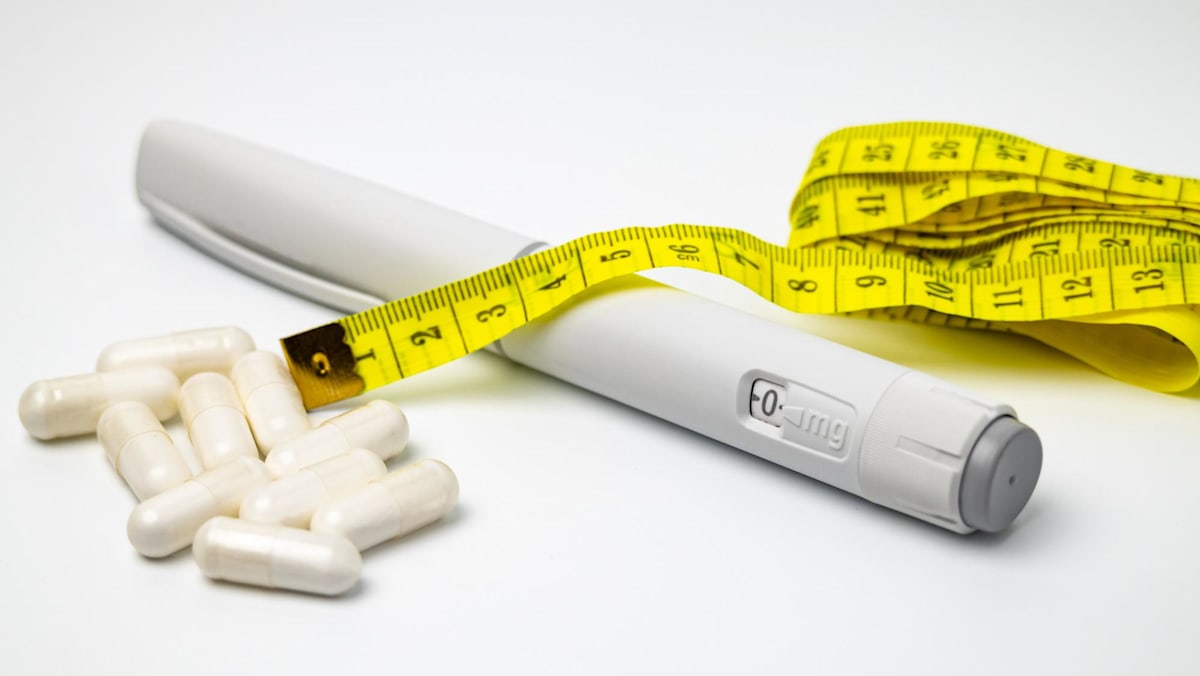
Wegovy, a GLP-1 weight-loss drug, is already available in Singapore as a once-weekly weight-loss injection. Now offered as a daily pill in several countries but not Singapore, how does it compare with the jab? Doctors explain its effectiveness, dosing, side effects and why it isn’t meant for casual weight loss.
For a patient to be prescribed weight-loss medications, he or she must have a body mass index (BMI) of 30 and above, or a BMI of 27 to 30 with at least one weight-related issue, such as high blood pressure, Type 2 diabetes, high cholesterol, or obstructive sleep apnoea. (Photo: iStock/OMaltseva)
This audio is generated by an AI tool.
If you’ve been Googling weight-loss medications, you might have come across the news that Wegovy oral tablets have now been approved in the US, UK, UAE and EU. The US green-lit the pills in December 2025, followed by the UK and UAE in June 2026, and the EU in September 2026.
And while Singapore’s Health Sciences Authority (HSA) has not approved, nor has a launch date been announced for the Wegovy weight-loss pills here, their existence has stirred up interest. Wegovy, a GLP-1 weight-loss drug, is already available in Singapore as a once-weekly injection for weight management. How do the new tablets compare with the jabs? What exactly is GLP-1?
WHO IS ELIGIBLE FOR WEIGHT-LOSS MEDICATIONS IN THE FIRST PLACE?
In Singapore, such medications are prescribed at hospitals and clinics to help those with serious health issues – and not for dropping a jean size or two.
Generally, eligible adults should have a BMI of 30 or above, or a BMI of 27 to below 30 with at least one weight-related condition such as high blood pressure, Type 2 diabetes, high cholesterol, or obstructive sleep apnoea, said Adjunct Associate Professor Khoo Chin Meng, who is the head and a senior consultant at National University Hospital’s Division of Endocrinology, Department of Medicine. For context, obesity is defined as having a BMI of 27.5 or higher.
Other than the body mass index (BMI), the waist circumference, body composition, family history, existing medical conditions, and whether the excess weight is already affecting the person’s health would also be considered when treating patients. (Photo: iStock/Chanakon Laorob)
In adolescents ages 12 years old and above, such medications are meant “as an adjunct to a reduced-calorie diet and increased physical activity” for treating obesity in teens with a body weight above 60kg, said Dr Zac Yeo, the founder of telehealth clinic Trimly.
However, prescribing should not be based on BMI alone, highlighted Dr Ben Ng, a senior consultant endocrinologist and the director of Arden Endocrinology Specialist Clinic. “ Asians can develop metabolic problems at a lower BMI, so we also look at things like waist circumference, body composition, family history, existing medical conditions and whether the excess weight is already affecting the person’s health.”
Still, these medications can’t be the be-all and end-all of one's obesity journey. “The foundation of obesity management and obesity prevention remains lifestyle modification through a healthy diet and regular physical activity”, said Dr Lee Phong Ching, the director of Singapore General Hospital’s (SGH) Obesity Centre, and a senior consultant with SGH’s Department of Endocrinology.
“For dietary changes, there is a need to aim for a calorie deficit whilst maintaining a balanced diet, and a consultation with a dietitian is recommended for individualised meal planning,” advised Dr Emily Ho, a senior consultant from SGH’s Department of Endocrinology. “For physical activity, the goal is to achieve at least 150 minutes of moderate-intensity activity per week.”
However, for those struggling with obesity, “adjunctive measures such as weight-loss medication” can be considered for suitable patients, said Dr Lee. They can also be “effective for weight loss and diabetes control, even after bariatric surgery”.
If you fit the profile – and the once-a-day tablets sound more appealing to you than the once-a-week injections, here’s some background to consider, while waiting for further news on the new pills:
While offering a needle-less option, the pills have their requirements that have to be adhered to daily. (Photo: iStock/zimmytws)
HOW ARE THE NEW TABLETS SUPPOSED TO BE TAKEN?
The advantage of taking pills is obvious; no need to deal with needles. But the pills have their requirements: take first thing in the morning – and ensure you had at least eight hours of fasting beforehand. Swallow the tablet whole with up to 4oz (about 120ml) of plain water – not coffee, tea or any other beverage. Then, wait 30 minutes before eating or drinking. So, if you can’t commit to this daily routine, the injections may suit your lifestyle better.
Those specifications are for a reason, explained Assoc Adj Prof Khoo. “Food or a large volume of fluid can reduce the absorption of the medication.”
As for the weekly injectables, done in the abdomen, thigh or upper arm, there are no food or water restrictions – although there may be the usual mild redness, itching or swelling associated with any injection.
WHAT DO THE JABS AND TABLETS CONTAIN? HOW DO THEY WORK?
The key ingredient is semaglutide, which belongs to a class of drugs known as glucagon-like peptide-1 receptor agonist or GLP-1 RA for short. It is also written as “GLP-1” in other articles but may be confusing when we discuss the GLP-1 hormone that your gut produces after you’ve had a meal. (We'll refer to the drug as "GLP-1 RA" from here on.)
GLP-1 RAs mimic the GLP-1 hormone to signal that food has arrived, explained Dr Jean-Paul Kovalik, a consultant with SGH’s Department of Endocrinology. “For some reason, people with obesity do not receive these signals clearly, so they tend to keep on eating.”
Glucagon-like peptide-1 receptor agonist (GLP-1 RA) medications reactivate the signals that tell the intestine, stomach and brain that there is already enough food. (Photo: iStock/Debjit Chakraborty)
What GLP-1 RA drugs do is reactivate the signals that tell the intestine, stomach and brain that there is already enough food, said Dr Kovalik. “People with obesity who take this medication feel full after eating small meals. The reduced food intake then leads to weight loss.”
Furthermore, “GLP-1 RAs are potent in reducing food noise”, said Adj Assoc Prof Khoo. Food noise refers to the thoughts about food, eating and meals even when you’re not hungry. “It is like an internal food chatter; thinking about dinner before finishing breakfast,” he said. “GLP-1 RAs can significantly reduce food noise and dampen food cravings.”
ANY DIFFERENCE IN THE DOSE?
GLP-1 RA shots start at 0.25mg once per week and increase every four weeks to meet the required dose of 2.4mg per week. The older oral counterpart, Rybelsus, starts at 3mg once daily for the first 30 days. It is then increased to 7mg once daily after the first month for maintenance.
The new Wegovy pill starts at 1.5mg once a day – and is upped every 30 days to a maximum maintenance dose of 25mg daily. Both the injections and tablets can take a few months before you start to reap the full benefits.
Why the big difference in dose between jabs and pills? When semaglutide is taken orally, only a small fraction – roughly 1 per cent – actually makes it into the bloodstream, explained Adj Assoc Prof Khoo. “Thus, the dose needed is higher.”
Only about 1 per cent of the oral medication makes it into the bloodstream and that is why the tablets come in a higher dose than the injectables. (Photo: iStock/Hailshadow)
Regardless of formulations, Dr Ng said that patients typically start with a low dose, which gets increased gradually based on three things: weight loss, appetite control and side effects. “I don't automatically increase the dose simply because the next dose is available. Likewise, I don't automatically reduce it just because someone has started losing weight.”
Generally, “if someone is losing weight well, has good appetite control and is tolerating the medication, it's reasonable to remain at that dose”, said Dr Ng. “Once the target weight has been reached and maintained, we can sometimes reduce the dose gradually and find the lowest dose that maintains the result.”
The exception to the “start low” rule is perhaps when you’re switching from the injections to pills. “It is recommended that the starting dose for the tablet correspond to your prior injection dose, rather than restarting from the lowest dose,” said Adj Assoc Prof Khoo. “This avoids losing ground on appetite suppression and weight maintenance.”
WEIGHT-LOSS MEDICINES IN SINGAPORE
Note that the medications below require a formal medical assessment and prescription from a doctor who is licenced by the Ministry of Health.
1988: Phentermine, available as oral capsules, is approved for suppressing appetite through the central nervous system.
1999: Orlistat, another oral pill for chronic weight management, is approved for use. This fat blocker is to be taken three times a day during meals or up to an hour after eating a main meal.
2017: Liraglutide gets approved for use for Type 2 diabetes and chronic weight management. This injectable is also a GLP-1 RA (glucagon-like peptide-1 receptor agonist) medication like semaglutide. Liraglutide is administered once a day, unlike the once-weekly semaglutide.
2021: Ozempic injections and Rybelsus oral tablets are cleared for use in Singapore, primarily for diabetes control. However, doctors may prescribe their off-label use for weight management under specific medical conditions and the patient's consent.
2022: Naltrexone-bupropion is a combination medication in tablet form that targets the hunger centre and the reward system in the brain to reduce appetite and control food cravings.
February 2023: Wegovy injections are approved specifically for chronic weight management. This GLP-1 RA medication is still not available at some hospitals in Singapore, although it is already prescribed by some private general practitioners and specialists. During this period, tirzepatide, a weekly injection, also gets approved for managing Type 2 diabetes.
Jun 2025 : Tirzepatide gets the green light for its additional role in chronic weight management, on top of managing diabetes. Unlike the single agonist, semaglutide, tirzepatide is a dual agonist that targets GLP-1 receptors to slow digestion and signal fullness as well as GIP (glucose-dependent insulinotropic polypeptide) receptors to modulate fat metabolism.
HOW EFFECTIVE ARE THE NEW TABLETS OR GLP-1 RA MEDICATIONS IN GENERAL?
It takes time to lose weight. The OASIS 4 trial , which evaluated the safety and effectiveness of the daily Wegovy oral pills (they are yet to be approved in Singapore), found about 14-per-cent weight loss over 64 weeks. Wegovy's weekly injectable counterpart elicited about 15-per-cent weight loss over 68 weeks . Ozempic weekly shots, on the other hand, were found to help lose 6kg at the 40-week mark . Mounjaro produced weight loss of up to 26 per cent over 72 weeks .
However, those numbers may not apply to everyone. “ Unfortunately, it's very difficult to predict the duration and dose,” said Dr Ng. “Some individuals do very well with a relatively short term, such as six or 12 months. But there is a good proportion who find it difficult to stop the medication or reduce the dose.”
Moreover, t he amount of weight lost varies considerably, continued Dr Ng. “Some patients lose relatively modest amounts, while others lose 15 per cent or more of their starting body weight. The important outcome isn't simply the number on the scale but improvements in blood pressure, glucose, cholesterol, sleep apnoea and overall metabolic health.”
For obese patients, the important outcome isn't simply the number on the scale but improvements in blood pressure, glucose, cholesterol, sleep apnoea and overall metabolic health. (Photo: iStock/Ake Ngiamsanguan)
SHOULD YOU GET THE NEW GLP-1 RA TABLETS FROM OVERSEAS?
Although the new pills aren’t approved for use in Singapore, people have reportedly obtained them online or from overseas. “I have encountered maybe two or three patients who have acquired these medications through online platforms and have used them,” said Dr Kovalik.
He has two concerns for these users: one, the medications have specific side effects. “We find that patients do better when they are properly counselled on the potential side effects and learn to mitigate the impact on their experiences,” he said. Two, the tablets affect those with Type 2 diabetes. “Such patients’ diabetes condition and medication list need to be reviewed."
In fact, HSA was warned against obtaining GLP-1 RA medications, such as semaglutide, liraglutide and tirzepatide, as quick fixes for weight loss. In an article , HSA highlighted that "when used without medical supervision, these medicines can cause serious harm", including "low blood sugar, liver diseases, eye disorders potentially leading to blindness, and inflammation of organs such as the pancreas".
HSA has also received reports of individuals who had to be hospitalised after consuming GLP-1 RA medicines obtained overseas or online without a prescription and medical supervision.
CAN GLP-1 RA MEDICATIONS BE USED WITH WEIGHT-LOSS SURGERY OR OTHER MEDICATIONS?
Yes, although both medications and surgery are not routinely used for every patient, said Dr Ng. “GLP-1 RA medicines can be useful if weight loss is inadequate post-surgery, or if significant weight regain occurs later.”
For selected patients with extreme surgical or anaesthetic risk, and can’t be operated on, GLP-1 RA medications offer another option, highlighted Adj Assoc Prof Khoo. Incidentally, patients who undergo only bariatric surgery to alter their digestive system to aid in weight loss may shed about 25 per cent to 35 per cent of their baseline weight within a year, said Dr Ho.
A stomach model showing how some forms of bariatric surgery is done. (Photo: iStock/Capifrutta)
As for stacking a GLP-1 RA with other weight-loss medications, it is done at some obesity clinics in Singapore but there is no large, randomised trial to support the practice, according to Dr Yeo. “Combination therapy is used in a few narrow situations, after a proper trial of one drug, but not at the first visit.”
Such situations may include a p artial response, where the patient has lost some weight on a tolerated GLP-1 RA dose but is short of the target. “And the dose cannot be pushed higher because of the side effects or cost,” explained Dr Yeo.
Another scenario for combination therapy is weight-loss plateau. “The patient’s weight has been stable for about three months on a maximal tolerated dose,” listed Dr Yeo. “Adherence and diet have been checked, and surgery has been declined.”
Conversely, there are also patients who haven’t opted for GLP-1 RA medications, he said. “The patient’s target weight as well as usage duration are considerations. If it is just for short term use, phentermines or orlistat can be considered instead.” Another factor is cost “because GLP-1 RA tend to be more expensive”, said Dr Yeo. A month's supply of Ozempic shots, for instance, can cost around S$400 or more.
WHAT ABOUT THE SIDE EFFECTS?
Whether injected or ingested, GLP-1 RAs can cause side effects, mainly gastrointestinal symptoms such as nausea, vomiting, bloating, constipation or diarrhoea, said Dr Ho. “These side effects are common. But they can be mitigated by gradual dose escalation and they usually improve over time."
Even with those measures in place, Dr Ng highlighted that GLP-1 RA medications are not for everyone. “W e are particularly cautious with people with previous pancreatitis, significant gastrointestinal disease, severe kidney or liver problems, pregnancy, and certain other medical conditions. The decision should, therefore, be made after a proper medical assessment.”
Whether injected or ingested, glucagon-like peptide-1 receptor agonists (GLP-1 RAs) can cause side effects, mainly gastrointestinal symptoms such as nausea, vomiting, bloating, constipation or diarrhoea. (Photo: iStock/SARINYAPINNGAM)
DO YOU HAVE TO BE ON MEDICATION FOR LIFE TO KEEP THE WEIGHT OFF?
Anecdotally, patients often manage to keep the weight off for six to 12 months after stopping their medications, said Adj Assoc Prof Khoo . Does that mean you can’t stop medicating?
“ I don't think so,” said Dr Ng. “But we should think about obesity in the same way we think about hypertension or high cholesterol; for some patients, treatment may need to be long term.”
Dr Lee explained that “our body has a certain weight set point”. “When we lose weight, certain hormonal changes occur that make us hungrier and our metabolic rate drops. This is the body’s mechanism to defend its body weight, which is the reason why weight loss through lifestyle changes is often modest at best.”
While weight regain can be held off by maintaining a healthy lifestyle, in some individuals, anti-obesity medications may be required, said Dr Lee. “These medications require ongoing use and there is reported weight regain after discontinuation.”
At the end of the day, said Dr Ng, “ the goal is to use the lowest effective treatment necessary to maintain health and weight, rather than insisting either that everyone must stay on it forever or that everybody must eventually stop”.
A single handpicked story that we think you shouldn't miss. Just one a day.
Wegovy是一种GLP-1类减肥药,目前已在新加坡以每周一次的注射剂形式上市。现在,在一些国家(但新加坡除外)推出了每日口服片剂,那么它与注射剂相比如何呢?医生们将解释其疗效、剂量、副作用以及为何它不适用于随意减肥。
患者若要获得减肥药物处方,其体重指数(BMI)必须达到30及以上,或者BMI在27至30之间,且至少伴有一种与体重相关的疾病,例如高血压、2型糖尿病、高胆固醇或阻塞性睡眠呼吸暂停。(图片:iStock/OMaltseva)
这段音频由人工智能工具生成。
如果你一直在搜索减肥药,你可能已经看到新闻说,Wegovy口服片剂已在美国、英国、阿联酋和欧盟获得批准。美国于2025年12月批准了该药,英国和阿联酋随后于2026年6月批准,欧盟则于2026年9月批准。
尽管新加坡卫生科学局 (HSA) 尚未批准 Wegovy 减肥药在新加坡上市,也未公布上市日期,但其出现已引起广泛关注。Wegovy 是一种 GLP-1 类减肥药,目前已在新加坡以每周一次注射的方式用于体重管理。那么,新推出的片剂与注射剂相比有何不同?GLP-1 究竟是什么?
首先,哪些人符合服用减肥药的条件?
在新加坡,医院和诊所会开具此类药物,以帮助那些患有严重健康问题的人,而不是为了让人瘦一两个尺码。
新加坡国立大学医院内分泌科主任兼高级顾问、兼职副教授邱振明表示,一般来说,符合条件的成年人体重指数(BMI)应为30或以上,或BMI在27至30之间但至少患有一种与体重相关的疾病,例如高血压、2型糖尿病、高胆固醇或阻塞性睡眠呼吸暂停。作为参考,肥胖的定义是BMI为27.5或以上。
除了体重指数(BMI)之外,腰围、身体成分、家族病史、既往病史以及超重是否已经影响到患者的健康,也是治疗患者时需要考虑的因素。(图片:iStock/Chanakon Laorob)
远程医疗诊所 Trimly 的创始人 Zac Yeo 医生表示,对于 12 岁及以上的青少年,此类药物旨在“作为减少卡路里饮食和增加体育活动的辅助手段”,用于治疗体重超过 60 公斤的青少年肥胖症。
然而,高级内分泌顾问医师、阿登内分泌专科诊所主任吴医生强调,不应仅凭体重指数(BMI)来决定用药。“亚洲人在较低的BMI下也可能出现代谢问题,因此我们还会考虑腰围、身体成分、家族病史、既往病史以及超重是否已经影响到患者的健康等因素。”
然而,这些药物并不能解决肥胖问题。“肥胖管理和预防的基础仍然是通过健康饮食和规律运动来改变生活方式,”新加坡中央医院(SGH)肥胖中心主任兼内分泌科高级顾问李峰清医生说。
“在饮食调整方面,需要在保持均衡饮食的同时,努力制造热量缺口,建议咨询营养师制定个性化的膳食计划,”新加坡中央医院内分泌科高级顾问医生何艾米莉博士建议道。“在运动方面,目标是每周至少进行150分钟的中等强度运动。”
然而,李医生表示,对于那些受肥胖困扰的人来说,“可以考虑对合适的患者采取辅助措施,例如服用减肥药物”。这些措施“即使在接受减肥手术后,也能有效帮助减轻体重和控制糖尿病”。
如果您符合上述情况——而且您觉得每天服用一次的药片比每周注射一次更有吸引力,那么在等待有关新药片的更多消息的同时,以下是一些需要考虑的背景信息:
虽然这种药丸无需注射,但必须每天严格按照说明服用。(图片:iStock/zimmytws)
这些新药片应该如何服用?
服用药片的优势显而易见:无需注射。但药片也有一些要求:必须在清晨空腹服用,并且确保之前至少空腹八小时。用最多 120 毫升(4 盎司)的白开水整片吞服,切勿用咖啡、茶或其他任何饮料送服。服药后,等待 30 分钟再进食或饮水。因此,如果您无法坚持每天服药,注射疗法可能更适合您的生活方式。
副教授邱解释说,这些规定是有原因的。“食物或大量液体会降低药物的吸收。”
至于每周一次的注射,注射部位可以是腹部、大腿或上臂,没有饮食或饮水限制——尽管任何注射都可能出现轻微的红肿或瘙痒。
注射剂和药片中含有哪些成分?它们是如何起作用的?
该药物的关键成分是司美格鲁肽,它属于一类被称为胰高血糖素样肽-1受体激动剂(简称GLP-1 RA)的药物。在其他文章中,它也被写作“GLP-1”,但当我们讨论餐后肠道产生的GLP-1激素时,这种写法可能会造成混淆。(以下我们将统一使用“GLP-1 RA”来指代该药物。)
新加坡中央医院内分泌科顾问医生让-保罗·科瓦利克解释说,GLP-1受体激动剂模拟GLP-1激素,发出食物到来的信号。“不知何故,肥胖患者无法清晰地接收到这些信号,所以他们往往会持续进食。”
胰高血糖素样肽-1受体激动剂(GLP-1 RA)药物能够重新激活肠道、胃和大脑接收到的“食物已充足”的信号。(图片:iStock/Debjit Chakraborty)
科瓦利克博士说,GLP-1受体激动剂的作用是重新激活肠道、胃和大脑中“食物已满”的信号。“肥胖患者服用这种药物后,少量进食后就会感到饱腹。食物摄入量的减少最终会导致体重减轻。”
此外,邱副教授表示,“GLP-1受体激动剂能有效减少食物噪音”。食物噪音指的是即使不饿,脑海中仍然萦绕着关于食物、进食和用餐的想法。“这就像内心在喋喋不休地谈论食物;比如早餐还没吃完就开始想晚餐,”他说道。“GLP-1受体激动剂可以显著减少食物噪音,抑制对食物的渴望。”
剂量有区别吗?
GLP-1受体激动剂注射剂起始剂量为每周一次0.25毫克,每四周增加一次,直至达到每周2.4毫克的所需剂量。其口服制剂Rybelsus,起始剂量为每日一次3毫克,持续30天。一个月后,剂量增加至每日一次7毫克,作为维持剂量。
新型 Wegovy 片剂起始剂量为每日一次,每次 1.5 毫克,每 30 天增加一次剂量,直至达到每日最大维持剂量 25 毫克。无论是注射剂还是片剂,都需要几个月的时间才能开始充分发挥疗效。
为什么注射剂和口服剂的剂量差别这么大?邱副教授解释说,口服司美格鲁肽时,只有一小部分——大约1%——能真正进入血液。“因此,所需的剂量更高。”
口服药物只有大约1%能进入血液,这就是为什么片剂的剂量比注射剂高的原因。(图片:iStock/Hailshadow)
吴医生表示,无论采用何种配方,患者通常都会从低剂量开始服用,然后根据三个因素逐步增加剂量:体重减轻、食欲控制和副作用。“我不会仅仅因为下一剂药到了就自动增加剂量。同样,我也不会仅仅因为有人开始减肥就自动减少剂量。”
吴医生说:“一般来说,如果患者体重下降顺利,食欲控制良好,并且能够耐受药物,那么维持目前的剂量是合理的。一旦达到并保持了目标体重,我们有时可以逐渐减少剂量,找到能够维持效果的最低剂量。”
“从小剂量开始”原则的例外情况可能是从注射剂换成口服药片的时候。“建议口服药片的起始剂量应与您之前的注射剂量相同,而不是从最低剂量重新开始,”副教授邱先生说。“这样可以避免在抑制食欲和维持体重方面失去效果。”
新加坡的减肥药
请注意,以下药物需要经过正式的医疗评估,并由获得卫生部许可的医生开具处方。
1988 年:芬特明(Phentermine)以口服胶囊的形式获准用于通过中枢神经系统抑制食欲。
1999年:奥利司他,另一种用于慢性体重管理的口服药物,获准上市。这种脂肪阻断剂需每日服用三次,随餐服用或餐后一小时内服用。
2017年:利拉鲁肽获批用于治疗2型糖尿病和慢性体重管理。这种注射剂与索玛鲁肽一样,也是一种GLP-1受体激动剂(GLP-1 RA)。利拉鲁肽每日注射一次,而索玛鲁肽则每周注射一次。
2021年:Ozempic注射剂和Rybelsus口服片剂获准在新加坡使用,主要用于控制糖尿病。但是,在特定医疗条件下,经患者同意,医生可以将其用于体重管理,属于超适应症用药。
2022 年:纳曲酮-安非他酮是一种片剂形式的复方药物,它作用于大脑中的饥饿中枢和奖赏系统,以减少食欲和控制对食物的渴望。
2023年2月:Wegovy注射剂获批用于慢性体重管理。这种GLP-1受体激动剂在新加坡部分医院仍无法使用,但一些私人全科医生和专科医生已经开始开具该药。在此期间,每周注射一次的替泽帕肽也获批用于治疗2型糖尿病。
2025年6月:替泽帕肽获准用于慢性体重管理,除用于治疗糖尿病外,还能用于其他用途。与单一激动剂索玛鲁肽不同,替泽帕肽是一种双重激动剂,它既能靶向GLP-1受体以减缓消化并产生饱腹感,又能靶向GIP(葡萄糖依赖性促胰岛素多肽)受体以调节脂肪代谢。
新型片剂或 GLP-1 RA 药物总体疗效如何?
减肥需要时间。OASIS 4 试验评估了每日口服 Wegovy 药片(尚未在新加坡获批)的安全性和有效性,结果发现 64 周后体重减轻约 14%。Wegovy 的每周注射剂型在 68 周内体重减轻约 15%。另一方面,每周注射一次 Ozempic 则在 40 周时帮助减重 6 公斤。Mounjaro 在 72 周内可使体重减轻高达 26%。
然而,这些数据可能并不适用于所有人。“遗憾的是,疗程和剂量很难预测,”吴医生说。“有些人服用相对较短的疗程,比如六个月或十二个月,效果就很好。但也有相当一部分人发现停药或减量很困难。”
此外,吴医生继续说道,减重的幅度差异很大。“有些患者减重幅度相对较小,而有些患者则减掉了初始体重的15%甚至更多。重要的结果不仅仅是体重秤上的数字,而是血压、血糖、胆固醇、睡眠呼吸暂停以及整体代谢健康的改善。”
对于肥胖患者而言,重要的结果不仅仅是体重秤上的数字,而是血压、血糖、胆固醇、睡眠呼吸暂停以及整体代谢健康的改善。(图片:iStock/Ake Ngiamsanguan)
你应该从海外购买新的 GLP-1 RA 片剂吗?
尽管这些新药尚未获准在新加坡使用,但据报道,有人已通过网络或海外渠道获得。“我遇到过两三位通过网络平台购买并使用过这些药物的患者,”科瓦利克医生说。
他对这些用户有两点担忧:第一,这些药物有特定的副作用。“我们发现,如果患者能够得到关于潜在副作用的充分咨询,并学会减轻副作用对自身的影响,他们的病情会好转很多。”他说。第二,这些药片会影响2型糖尿病患者。“这类患者的糖尿病病情和用药清单需要重新评估。”
事实上,新加坡卫生科学局(HSA)曾被警告不要将索玛鲁肽、利拉鲁肽和替拉肽等GLP-1受体激动剂作为快速减肥的捷径。HSA在一篇文章中强调,“在没有医疗监督的情况下使用这些药物可能会造成严重危害”,包括“低血糖、肝病、可能导致失明的眼部疾病以及胰腺等器官的炎症”。
新加坡卫生科学局 (HSA) 还收到报告称,有人在没有处方和医疗监督的情况下,服用从海外或网上获得的 GLP-1 RA 药物后不得不住院治疗。
GLP-1 RA 药物可以与减肥手术或其他药物一起使用吗?
吴医生表示,虽然药物和手术并非对所有患者都常规使用,但“如果术后体重减轻不足,或者之后出现明显的体重反弹,GLP-1受体激动剂类药物可能有效。”
邱副教授强调,对于部分手术或麻醉风险极高、无法接受手术的患者,GLP-1受体激动剂药物提供了另一种选择。何医生指出,仅接受减肥手术以改变消化系统从而帮助减轻体重的患者,一年内体重可减轻约25%至35%。
一个胃部模型,展示了某些类型的减肥手术是如何进行的。(图片:iStock/Capifrutta)
至于将GLP-1受体激动剂与其他减肥药物联合使用,新加坡的一些肥胖症诊所会这样做,但据杨医生说,目前还没有大型随机对照试验支持这种做法。“联合疗法只在少数特定情况下使用,而且是在对单一药物进行充分试验之后,而不是在第一次就诊时就使用。”
这种情况可能包括部分缓解,即患者服用耐受剂量的GLP-1受体激动剂后体重有所减轻,但尚未达到目标值。“而且由于副作用或费用问题,剂量无法进一步增加,”叶医生解释道。
联合疗法的另一种适用情况是体重下降停滞期。“患者在服用最大耐受剂量后,体重已稳定约三个月,”叶医生列举道。“我们检查了患者的用药依从性和饮食情况,并已决定不进行手术。”
相反,他也提到,有些患者并没有选择使用GLP-1受体激动剂。“患者的目标体重以及用药时长都是需要考虑的因素。如果只是短期使用,可以考虑芬特明或奥利司他。” 叶医生说,另一个因素是费用,“因为GLP-1受体激动剂往往更贵”。例如,一个月的Ozempic注射剂可能要花费400新元或更多。
副作用方面呢?
何医生表示,无论是注射还是口服,GLP-1受体激动剂都可能引起副作用,主要表现为恶心、呕吐、腹胀、便秘或腹泻等胃肠道症状。“这些副作用很常见,但可以通过逐步增加剂量来减轻,而且通常会随着时间的推移而改善。”
即使采取了这些措施,吴医生也强调,GLP-1受体激动剂并非适用于所有人。“我们尤其谨慎对待既往有胰腺炎病史、严重胃肠道疾病、严重肾脏或肝脏问题、怀孕以及某些其他疾病的患者。因此,是否使用此类药物应在经过适当的医学评估后做出决定。”
无论是注射还是口服,胰高血糖素样肽-1受体激动剂(GLP-1 RAs)都可能引起副作用,主要表现为恶心、呕吐、腹胀、便秘或腹泻等胃肠道症状。(图片:iStock/SARINYAPINNGAM)
减肥一定要终身服药才能保持体重吗?
据Khoo副教授称,根据一些病例,患者停药后通常能保持体重6到12个月。但这是否意味着不能停止服药呢?
“我不这么认为,”吴医生说。“但我们应该像看待高血压或高胆固醇一样看待肥胖症;对某些患者来说,治疗可能需要长期进行。”
李医生解释说:“我们的身体有一个体重设定点。” “当我们减肥时,会发生一些激素变化,使我们更容易感到饥饿,新陈代谢率也会下降。这是身体为了维持体重而采取的机制,这也是为什么通过改变生活方式来减肥往往效果甚微的原因。”
李医生表示,虽然保持健康的生活方式可以延缓体重反弹,但有些人可能需要服用抗肥胖药物。“这些药物需要长期服用,而且据报道,停药后会出现体重反弹。”
吴医生说,归根结底,“目标是使用维持健康和体重所需的最低有效剂量的治疗,而不是坚持要求每个人永远坚持治疗,或者最终要求每个人停止治疗”。
每天一篇,我们精心挑选一篇您不容错过的精彩故事。