ECRL: The journey has just begun but its destination is far greater than we imagine — Darwis Abdul Razak东海岸铁路:征程才刚刚开始,但它的终点远超我们的想象——达尔维斯·阿卜杜勒·拉扎克
OCTOBER 29 — The East Coast Rail Link (ECRL) is approaching a defining moment in Malaysia’s infrastructure development.On December 12, 2026, the country is scheduled to witness...
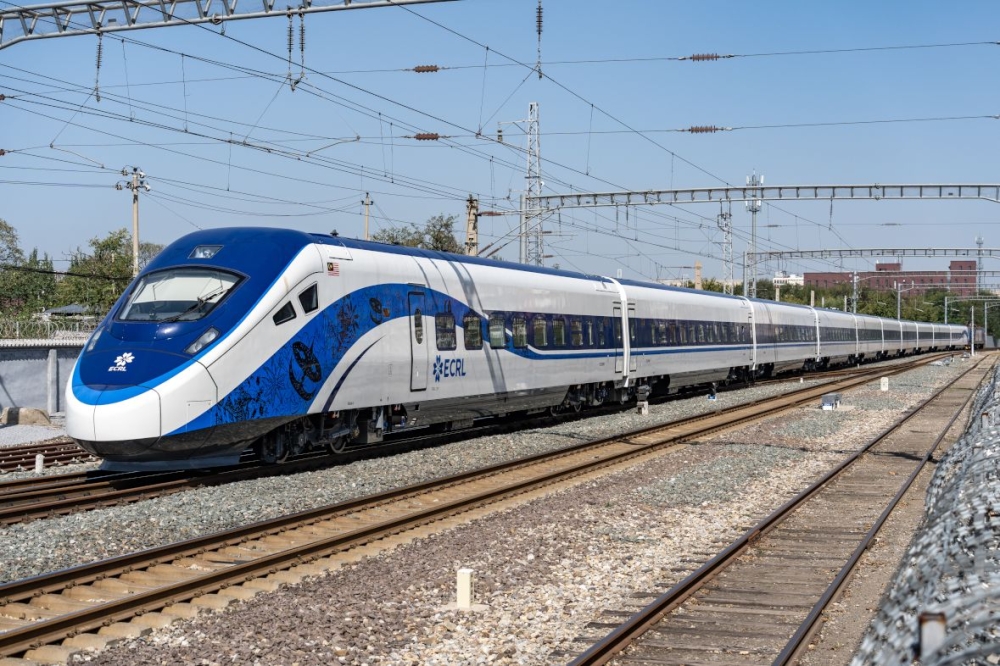
OCTOBER 29 — The East Coast Rail Link (ECRL) is approaching a defining moment in Malaysia’s infrastructure development.
On December 12, 2026, the country is scheduled to witness the commencement of a new chapter in rail connectivity, linking the East Coast with the Klang Valley through a modern, electrified railway system.
For many Malaysians, the immediate question is understandably straightforward: How much will a ticket cost, how long will the journey take, and will travelling by train be more worthwhile than driving?
This is accompanied by a much larger question.
What kind of economic, social and logistical transformation can a railway of this scale deliver over the next 30, 50 or even 100 years?
That is where the real story of the ECRL begins.
The ECRL is not simply another passenger railway. It is a strategic national infrastructure investment designed to reshape connectivity, strengthen economic integration and create opportunities that extend well beyond the railway tracks.
And its success should ultimately be measured not merely by the number of tickets sold, but by the lasting value it creates for Malaysia.
The true value of time
For passengers, the benefits of the ECRL are much more immediate.
A journey between Gombak and Kota Bharu that may take seven or eight hours by road under favourable conditions is expected to take approximately four hours through the ECRL express service.
During festive seasons, when major highways experience severe congestion, the difference can become substantially greater.
But the value of a railway journey should not be measured by travel time alone.
While driving requires constant attention on the road, travelling by train allows passengers to rest, read, work or simply enjoy the journey. For business travellers, those hours may become productive time, while families, students and senior citizens can enjoy a more comfortable and less physically demanding journey. These benefits do not always appear in a simple comparison of petrol expenses against ticket prices.
Transport affordability should not be confused with the lowest possible monetary cost. Value also includes time, safety, comfort, reliability and convenience.
This does not mean that rail will always be the cheapest option for every traveller.
A family of six or seven travelling together may reasonably find that driving costs less than purchasing individual train tickets.
The ECRL is not intended to eliminate private car travel or replace every existing transport option, but to introduce another choice into Malaysia’s transportation system.
The objective is to give Malaysians the freedom to choose a better way to travel when rail meets their needs.
Understanding the economics of dynamic pricing
The recent announcement of ECRL passenger fares has generated considerable public interest.
Economy-class fares for the Gombak-Kota Bharu journey will start from RM125 for transit services and RM147 for express services, while the Gombak-Kuantan journey will start from RM60.
These are starting fares under a dynamic pricing mechanism approved by the government.
Dynamic pricing is not an unfamiliar concept. It has been used extensively in the airline industry and other transport-related services to manage demand, capacity and revenue.
Rail transport serves as an essential public mobility option. Therefore, pricing must be managed with due consideration for accessibility, affordability and public confidence.
The dynamic pricing mechanism is designed to encourage early booking, improve capacity utilisation, distribute passenger demand and provide opportunities for travellers to obtain more affordable fares.
Government-approved concessions for eligible children, senior citizens and persons with disabilities, alongside the special 30 per cent introductory discount for eligible Malaysian economy-class passengers during the first month of operations enables more Malaysians to experience the service.
However, discounts will not determine the ECRL’s long-term success.
Building public confidence requires a transparent pricing system that is predictable enough for journey planning and responsive to the needs of different passenger groups.
Over time, actual passenger demand and travel patterns should inform further improvements to the fare structure.
Our commitment is to balance commercial realities with our wider public service responsibilities, ensuring the ECRL’s long-term sustainability.
The last mile is as important as the first 600 kilometres
A railway journey does not begin when a passenger boards the train.
Nor does it end when the train reaches its destination station.
It begins at home and ends at the traveller’s actual destination.
This is one of the most important principles in developing an effective public transportation system.
A four-hour train journey may lose much of its advantage if passengers subsequently face long waiting times, inconvenient transfers or expensive onward transportation.
That is why station accessibility and first- and last-mile connectivity deserve serious attention.
The ECRL must ultimately function as part of a wider transportation ecosystem.
This requires coordination among railway operators, local authorities, bus operators, e-hailing providers, taxi services and other transport stakeholders.
At major stations, integration with existing public transportation networks will be particularly important.
At smaller stations, practical solutions may differ according to local population density, passenger demand and surrounding development.
Not every station requires the same model.
Some may benefit from scheduled feeder buses.
Others may require demand-responsive transport, better taxi facilities, e-hailing pickup areas or improved pedestrian access.
The objective is straightforward: passengers must be able to complete their journeys with reasonable convenience and cost.
This is also an area where state governments and local authorities have an important role, to strengthen the surrounding transport network and urban environment.
A railway built for more than passengers
While passenger services will be the most visible aspect of the ECRL, its economic purpose extends well beyond moving people.
The ECRL is a freight-led railway that also provides modern intercity passenger services. This distinction is fundamental to understanding its economic purpose.
By connecting the East Coast to the Klang Valley and ultimately Port Klang, the railway will provide an alternative logistics corridor for businesses moving goods between production centres, industrial areas and international markets.
Its potential is particularly significant for industries involving containerised cargo, manufacturing, petrochemicals, minerals and agricultural products. The connection between Kuantan Port and Port Klang also creates opportunities for a landbridge linking Malaysia’s eastern and western maritime gateways.
A single freight train can transport a substantial volume of goods, potentially reducing the number of heavy vehicles required for equivalent cargo movements along major highways.
For example, a train carrying 90 TEUs represents the equivalent of 90 twenty-foot containers.
The potential benefits include improved logistics efficiency, reduced highway congestion, lower road maintenance pressures and reduced transport-related emissions where freight shifts effectively from road to electrified rail.
For manufacturers and logistics providers, reliability can be just as important as transportation cost. Through efficient cargo handling, reliable schedules and effective terminal operations,I envision ECRL to provide logistics solutions that support businesses and build sustainable freight demand.
This is why the ECRL should not be assessed solely through the economics of passenger ticket sales. Its wider economic contribution may ultimately be found in factories established, investments attracted, logistics efficiencies achieved, employment generated and regional economic activities stimulated.
A catalyst for regional economic rebalancing
Perhaps the most transformative contribution of the ECRL will be its potential to support more inclusive regional development.
Improved connectivity may make industrial locations along the East Coast more attractive to investors, supporting the expansion of existing industrial parks and creating opportunities for new manufacturing and logistics activities.
Tourism destinations and local businesses may benefit from improved accessibility, while communities can enjoy greater mobility for employment, education, healthcare and family connections.
To maximise these opportunities, continued collaboration with state governments, investment agencies, businesses and local communities will be important in encouraging complementary investment, industrial development and local entrepreneurship along the ECRL corridor.
The greatest economic value of the railway may not be what happens inside the train, but what happens outside it because the railway exists.
A new industrial investment, a logistics hub, a tourism business or an employment opportunity created along the corridor may generate benefits extending far beyond the railway operator’s financial statements.
That is the broader national development perspective through which the ECRL should be understood.
The journey is only beginning
As Malaysia prepares for the ECRL’s commencement of operations, public discussion about fares, affordability, accessibility and service quality should be welcomed.
We are committed to earning public confidence by delivering value to passengers, reliability to freight customers and meaningful economic benefits to communities along the ECRL corridor.
But we must also recognise that its purpose is considerably greater than reducing a journey between Gombak and Kota Bharu to approximately four hours.
It is about bringing regions closer together.
It is about connecting businesses to markets.
It is about creating new possibilities for investment and employment.
It is about strengthening Malaysia’s logistics competitiveness.
And ultimately, it is about building infrastructure that future generations can continue to benefit from.
The first ECRL passenger journey will mark an important milestone. But the railway’s greatest achievement will not be the distance it covers or the speed at which it travels.
It will be the opportunities it creates, the communities it connects and the economic future it helps Malaysia build.
The ECRL journey is indeed only just beginning.
And its destination is far greater than any station on the map.
* Datuk Seri Darwis Abdul Razak is the Chief Executive Officer of Malaysia Rail Link Sdn Bhd (MRL), the project owner of the East Coast Rail Link (ECRL). The views expressed are intended to contribute to public understanding of the ECRL’s strategic, economic and social significance.
* This is the personal opinion of the writer or publication and does not necessarily represent the views of Malay Mail .
Putting people at the centre with homes that protect, connect and enable — Srinivasa Popuri
Students are warned against AI but who is checking their lecturers? — Hasniza Nordin and Muhammad Noor Abdul Aziz
When politics meets entertainment: Malaysia’s new political stage — Nurizah Md Ngadiran, Safra Liyana Sukiman and Hazila Kadir
Budget 2027: How much could pet owners save under the new pet tax relief?
Johor DOE probes Sungai Kim Kim after river turns white again, cable excavation suspected
Govt increases allocations to all states, Sabah and Sarawak receive highest sums, says Amir Hamzah
10 月 29 日——东海岸铁路 (ECRL) 即将迎来马来西亚基础设施发展的一个决定性时刻。
2026 年 12 月 12 日,该国将迎来铁路连接新篇章的开启,通过现代化的电气化铁路系统将东海岸与巴生谷连接起来。
对于许多马来西亚人来说,最直接的问题自然是:车票多少钱?旅程需要多长时间?乘坐火车是否比开车更划算?
这引出了一个更大的问题。
未来 30 年、50 年甚至 100 年,如此规模的铁路能够带来怎样的经济、社会和物流变革?
这才是东海岸铁路真正故事的开始。
东海岸铁路并非普通的客运铁路,而是一项旨在重塑互联互通、加强经济一体化并创造远超铁路轨道范围的机遇的国家战略基础设施投资。
最终衡量其成功与否的标准,不应仅仅局限于售出的门票数量,而应是它为马来西亚创造的持久价值。
时间的真正价值
对于乘客而言,东海岸铁路带来的好处则更为直接。
在条件允许的情况下,从贡巴克到哥打巴鲁的公路行程可能需要七到八个小时,而乘坐东海岸铁路快线预计只需大约四个小时即可到达。
在节假日期间,当主要公路出现严重拥堵时,这种差异可能会变得更加显著。
但是,衡量铁路旅行的价值不应仅仅以旅行时间来衡量。
驾车需要时刻集中注意力在路上,而乘坐火车则可以让乘客休息、阅读、工作或只是享受旅程。对于商务旅客来说,这些时间可以转化为高效的工作时间;而对于家庭、学生和老年人来说,则可以享受更舒适、更轻松的旅程。这些优势并非总能通过简单地比较汽油费用和火车票价来体现。
交通运输的经济性不应与最低的货币成本混淆。它的价值还包括时间、安全、舒适、可靠性和便利性。
但这并不意味着铁路对所有旅客来说永远都是最便宜的选择。
六七口之家一起旅行可能会发现,开车比单独购买火车票更划算。
东海岸铁路并非旨在消除私家车出行或取代所有现有的交通方式,而是为马来西亚的交通系统引入另一种选择。
目标是让马来西亚人在铁路能够满足出行需求时,拥有选择更佳出行方式的自由。
了解动态定价的经济学原理
最近公布的东海岸铁路(ECRL)乘客票价引起了公众的极大关注。
从贡巴克到哥打巴鲁的经济舱票价,中转服务起价为 125 马币,快车服务起价为 147 马币;从贡巴克到关丹的票价起价为 60 马币。
这些是政府批准的动态定价机制下的起始票价。
动态定价并非一个陌生的概念。它已被广泛应用于航空业和其他运输相关服务领域,用于管理需求、运力和收入。
铁路运输是重要的公共交通选择。因此,定价必须充分考虑可达性、可负担性和公众信任度。
动态定价机制旨在鼓励提前预订、提高运力利用率、分散乘客需求,并为旅客提供获得更实惠票价的机会。
政府批准的优惠政策,包括为符合条件的儿童、老年人和残疾人提供的优惠,以及在运营首月为符合条件的马来西亚经济舱乘客提供的 30% 特别优惠,使得更多马来西亚人能够体验到这项服务。
然而,折扣并不能决定东海岸铁路的长期成功。
建立公众信心需要一个透明的定价系统,该系统应具有足够的可预测性,以便进行行程规划,并能响应不同乘客群体的需求。
随着时间的推移,实际的乘客需求和出行模式将为票价结构的进一步改进提供依据。
我们致力于在商业现实与我们更广泛的公共服务责任之间取得平衡,以确保东海岸铁路的长期可持续发展。
最后一段路程与前600公里同样重要。
铁路旅程并非从乘客登上火车的那一刻开始。
即使列车到达目的地车站,故事也不会结束。
旅程从家开始,到旅行者的实际目的地结束。
这是发展高效公共交通系统最重要的原则之一。
如果乘客随后面临长时间的等待、不方便的换乘或昂贵的后续交通费用,那么四个小时的火车旅程可能会失去很多优势。
因此,车站的可达性和最后一公里的交通连接值得我们高度重视。
东海岸铁路最终必须成为更广泛的交通生态系统的一部分。
这需要铁路运营商、地方当局、公交运营商、网约车服务提供商、出租车服务商和其他交通运输利益相关者之间的协调。
在主要车站,与现有公共交通网络的整合尤为重要。
对于较小的车站,实际解决方案可能会因当地人口密度、乘客需求和周边发展情况而异。
并非每个站点都需要相同的型号。
部分乘客可能会受益于定时接驳巴士。
其他人可能需要按需响应式交通、更好的出租车设施、网约车接客区或改善行人通道。
目标很明确:乘客必须能够以合理的便利性和成本完成旅程。
这也是州政府和地方当局发挥重要作用的领域,他们需要加强周边交通网络和城市环境。
一条为乘客而非其他用途而建造的铁路
虽然客运服务将是东海岸铁路最引人注目的方面,但其经济目的远不止于运送乘客。
东海岸铁路(ECRL)是一条以货运为主的铁路,同时也提供现代化的城际客运服务。这种区别对于理解其经济目的至关重要。
通过连接东海岸和巴生谷,最终到达巴生港,这条铁路将为在生产中心、工业区和国际市场之间运输货物的企业提供一条替代物流走廊。
其潜力对于涉及集装箱货物、制造业、石化产品、矿产和农产品等行业尤为显著。关丹港与巴生港之间的连接也为构建连接马来西亚东西部海上门户的陆桥创造了机遇。
一列货运列车可以运输大量的货物,从而有可能减少主要公路上同等货物运输所需的重型车辆数量。
例如,一列载有 90 个标准集装箱的火车相当于 90 个 20 英尺集装箱。
潜在的益处包括提高物流效率、减少公路拥堵、降低道路维护压力以及减少与运输相关的排放,因为货物运输可以有效地从公路转移到电气化铁路。
对于制造商和物流供应商而言,可靠性与运输成本同等重要。我设想,通过高效的货物装卸、可靠的班次安排和有效的码头运营,东海岸铁路(ECRL)能够提供支持企业发展并构建可持续货运需求的物流解决方案。
因此,不应仅以客票销售的经济效益来评估东海岸铁路。其更广泛的经济贡献最终可能体现在以下方面:新建工厂、吸引投资、提高物流效率、创造就业机会以及刺激区域经济活动。
区域经济再平衡的催化剂
东海岸铁路最具变革性的贡献或许在于它有可能促进更具包容性的区域发展。
改善的交通连接可能会使东海岸的工业区对投资者更具吸引力,从而支持现有工业园区的扩张,并为新的制造和物流活动创造机会。
旅游目的地和当地企业可能会受益于交通便利性的提高,而社区居民则可以享受更大的就业、教育、医疗保健和家庭联系方面的流动性。
为了最大限度地利用这些机会,继续与州政府、投资机构、企业和当地社区合作,对于鼓励东海岸铁路沿线的配套投资、工业发展和当地创业至关重要。
铁路最大的经济价值或许不在于火车内部发生的事情,而在于铁路存在所带来的外部效益。
沿铁路走廊新建的工业投资、物流中心、旅游企业或就业机会,其带来的益处可能远远超出铁路运营商的财务报表。
这是理解东海岸铁路应遵循的更广泛的国家发展视角。
旅程才刚刚开始。
马来西亚正准备开通东海岸铁路,因此,我们应该欢迎公众就票价、可负担性、便利性和服务质量等问题展开讨论。
我们致力于通过为乘客提供价值、为货运客户提供可靠性以及为东海岸铁路沿线社区带来有意义的经济效益来赢得公众的信任。
但我们也必须认识到,它的目的远不止是将贡巴克和哥打巴鲁之间的旅程缩短到大约四个小时。
它的目的是拉近不同地区之间的距离。
它旨在将企业与市场连接起来。
它旨在创造新的投资和就业机会。
这是为了增强马来西亚的物流竞争力。
归根结底,这关乎建设能够让子孙后代继续受益的基础设施。
东海岸铁路的首次客运之旅将是一个重要的里程碑。但这条铁路最大的成就并非在于它覆盖的距离或行驶速度。
它将创造机遇,连接社区,并帮助马来西亚建设经济未来。
东海岸铁路的建设之旅才刚刚开始。
它的目的地远比地图上的任何站点都要远大。
* 拿督斯里达尔维斯·阿卜杜勒·拉扎克是马来西亚铁路连接有限公司(MRL)的首席执行官,该公司是东海岸铁路(ECRL)的项目业主。本文旨在帮助公众了解东海岸铁路的战略、经济和社会意义。
* 这是作者或刊物的个人观点,并不一定代表《马来邮报》的观点。
以人为本,打造能够保护、连接和赋能的家园——斯里尼瓦萨·波普里
学生们被警告要警惕人工智能,但谁来监督他们的讲师呢?——哈斯尼扎·诺丁和穆罕默德·努尔·阿卜杜勒·阿齐兹
当政治遇上娱乐:马来西亚的新政治舞台 — Nurizah Md Ngadiran、Safra Liyana Sukiman 和 Hazila Kadir
2027年预算案:新的宠物税收减免政策能为宠物主人节省多少钱?
柔佛州环境厅对金金河河水再次变白展开调查,怀疑系电缆挖掘所致。
阿米尔·哈姆扎表示,政府增加了对所有州属的拨款,沙巴和砂拉越获得的拨款最多。