‘With Trump, we’ve shot ourselves in the foot’: US border calm masks economic strain in Arizona“特朗普上台,我们真是搬起石头砸了自己的脚”:美国边境的平静掩盖了亚利桑那州的经济压力
SAN LUIS (Arizona), Oct 30 — Between the hundreds of migrants arriving every day to seek asylum, chases of those fleeing, and the encounters with drug traffickers, Jason Mercado...
SAN LUIS (Arizona), Oct 30 — Between the hundreds of migrants arriving every day to seek asylum, chases of those fleeing, and the encounters with drug traffickers, Jason Mercado was overwhelmed during his time working for the US Border Patrol under Joe Biden.
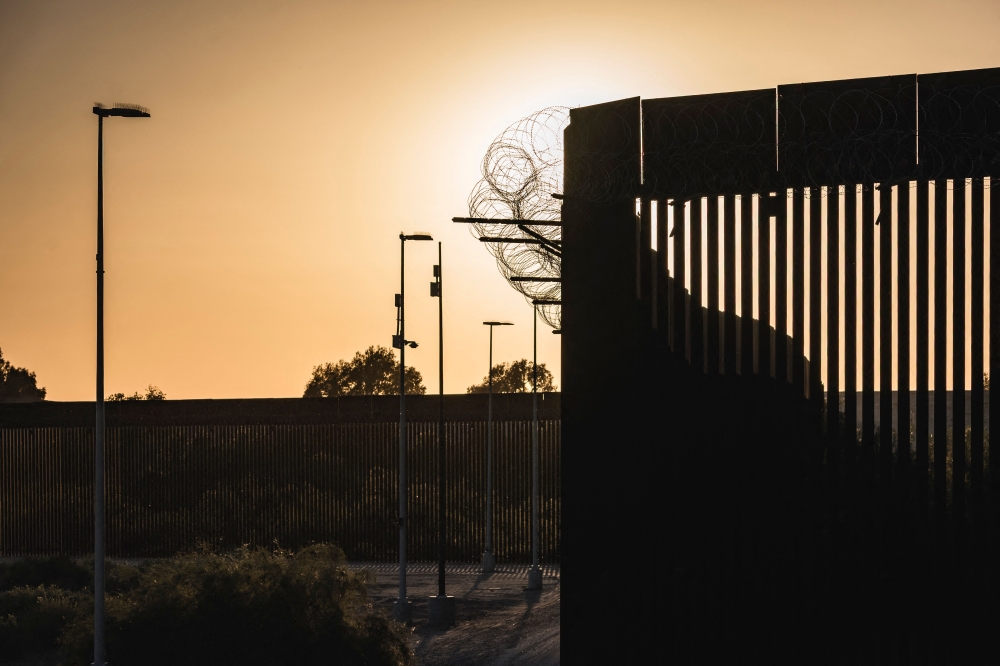
“It’s peaceful now,” the retired agent says as he stands in front of the enormous wall that separates the United States from Mexico, near the town of San Luis, Arizona.
On the eve of the midterm elections, this arid region in the Southwest serves as proof that Donald Trump kept his central campaign promise: to restore order at the border.
In the sector around San Luis, the Border Patrol now apprehends fewer than 10 people per day — a sharp decline from the up to 2,000 per day under the last administration.
This drop, which began during the final months of the Biden presidency, accelerated under the Republican billionaire’s aggressive anti-immigration offensive.
Now filing an asylum claim at the border has become extremely difficult; migrants apprehended near the wall are almost never released while awaiting a hearing; and high-profile, forceful operations targeting undocumented immigrants across the United States have served as a deterrent.
Mercado’s former colleagues tell him that during their patrols, things are “very quiet.”
“One or two of them said the word ‘boring,’” says the 56-year-old, a Republican voter, with a smile.
In the small town of San Luis, the sense of relief is palpable, even among Democrats, who sometimes struggled with the scope of the humanitarian crisis.
Churches and community organisations provided food and shelter for thousands of people in transit, while the hospital in Yuma, the county seat, was completely overwhelmed, and the federal government still owes it millions.
“Our tax dollars were going toward all of that,” says Georgina Escamilla, speaking in Spanish in her Mexican restaurant.
“They were giving money to people coming from other countries, while those who live here receive no help,” adds the 63-year-old, who leans to the left politically.
Yet, the return of calm masks a new sense of unease among the residents of this agricultural region — one of the country’s primary producers of lettuce and other vegetables.
“With Trump, we’ve shot ourselves in the foot,” complains Ricardo Vasquez.
The 58-year-old farmworker is frustrated that he now has to pay more than 20 per cent more for diesel, a cost he attributes to the conflict in Iran initiated by the president.
“The country wasn’t doing so badly before he arrived, and now, with fuel prices, it feels like we’re being slapped in the face, because everything is going up,” he grumbles.
In his fields of lettuce and broccoli, Mike Pasquinelli no longer has to worry about the destruction caused by migrants fleeing the police — incidents that previously wiped out portions of his harvest.
However, the surge in the cost of diesel and fertilisers, driven by the conflict in the Middle East, is eating into his bottom line.
“We’re probably gonna have about a 20 per cent reduction in profits... compared to last year,” sighs the farmer, who serves as president of the Yuma Fresh Vegetables Association.
He has also had to contend with a drop in orders, stemming from tensions linked to the trade war with Canada, a major destination for his vegetable exports.
“There’s been a lot of uncertainty on the foreign market, especially with the tariffs and retaliation between countries,” he says.
“Most of the market has stabilised, but we’ve had some ups and downs.”
This instability has also taken a toll on the logistics sector, another key employer in the region.
In his refrigerated warehouses, located right up against the border wall — in an area through which dozens of trucks pass — Mario Jauregui is fed up with “always playing the guessing game.”
Tariffs, which have been repeatedly imposed and then lifted, have cut the volume of fruit his clients ship between Mexico and the United States by a fifth.
His industry is also facing setbacks because the Trump administration has stopped issuing commercial vehicle permits to certain foreign drivers.
“It’s become so uncertain... nowadays that when we wake up the first thing that we do is look at the news,” the conservative business owner grumbles.
“I don’t think that that’s a way to manage a country.”
At 66, he has always voted Republican.
But with the November 3 election approaching, he finds himself hoping that Trump’s Republican Party loses its congressional majority.
“I would much rather have a Democratic Congress and a Republican president,” he says with a sigh. “We need to learn our lesson.” — AFP
‘Are we going to be the next one?’: Rural US hospitals fear Trump health cuts
Deal still eludes nations on final day of UN nature summit
Four tankers ablaze in Strait of Hormuz as Iran disputes US claim that sea lanes are mine-free
Five-day Negeri Sembilan assembly set for Nov 26, subject to Tuanku Muhriz’s consent, says MB
Flood-prone gravel road in Baram serving 3,000 residents needs urgent upgrade, say locals
Beeping leads woman to find dashcam hidden under sink in Bau food court toilet; police probe privacy intrusion
圣路易斯(亚利桑那州),10 月 30 日——每天有数百名移民抵达寻求庇护,追捕逃亡者,还要与毒贩遭遇,杰森·梅尔卡多在乔·拜登执政期间为美国边境巡逻队工作时,感到不堪重负。
“现在很平静,”这位退休特工站在分隔美国和墨西哥的巨大隔离墙前说道,隔离墙位于亚利桑那州圣路易斯镇附近。
在中期选举前夕,美国西南部的这片干旱地区证明了唐纳德·特朗普兑现了他竞选时的核心承诺:恢复边境秩序。
在圣路易斯周边地区,边境巡逻队现在每天逮捕的人数不到 10 人——与上届政府时期每天多达 2000 人相比,逮捕人数大幅下降。
这一跌势始于拜登总统任期的最后几个月,并在这位共和党亿万富翁咄咄逼人的反移民攻势下加速恶化。
现在,在边境提出庇护申请变得极其困难;在边境墙附近被抓获的移民在等待听证会期间几乎从未被释放;而针对美国各地无证移民的高调强力行动也起到了威慑作用。
梅尔卡多的前同事告诉他,在他们巡逻期间,情况“非常安静”。
“他们当中有一两个人说‘无聊’这个词,”这位56岁的共和党选民笑着说。
在圣路易斯这个小镇,人们的如释重负之感显而易见,就连民主党人也如此,他们有时难以理解这场人道主义危机的规模。
教堂和社区组织为数千名过境人员提供了食物和住所,而县城尤马的医院完全不堪重负,联邦政府仍然欠它数百万美元。
“我们缴纳的税款都用在了这些事情上,”乔治娜·埃斯卡米拉在她的墨西哥餐厅里用西班牙语说道。
“他们给来自其他国家的人提供资金,而居住在这里的人却得不到任何帮助,”这位63岁的老人补充道,他的政治立场偏左。
然而,平静的回归掩盖了这个农业地区居民心中新的不安感——该地区是该国生菜和其他蔬菜的主要产地之一。
“有了特朗普,我们真是搬起石头砸了自己的脚,”里卡多·瓦斯奎兹抱怨道。
这位 58 岁的农场工人很沮丧,因为他现在不得不为柴油支付超过 20% 的费用,他认为这是总统发起的伊朗冲突造成的。
“在他来之前,国家的情况还不算太糟,现在油价上涨,感觉就像被人狠狠扇了一巴掌,因为所有东西都在涨价,”他抱怨道。
迈克·帕斯奎内利的生菜和西兰花田里,再也不用担心逃避警察的移民造成的破坏了——这些事件以前曾摧毁了他部分收成。
然而,受中东冲突影响,柴油和化肥价格飙升,正在蚕食他的利润。
“与去年相比,我们的利润可能会减少大约 20%……”这位农民叹了口气说道,他同时也是尤马新鲜蔬菜协会的主席。
他还不得不应对订单下降的问题,这源于与加拿大(他的蔬菜出口的主要目的地)的贸易战所引发的紧张局势。
他说:“国外市场存在很多不确定性,尤其是各国之间的关税和报复措施。”
“大部分市场已经趋于稳定,但我们也经历了一些波动。”
这种不稳定也对物流业造成了影响,而物流业是该地区的另一个重要就业部门。
马里奥·豪雷吉的冷藏仓库紧挨着边境墙——数十辆卡车从这里经过——他已经厌倦了“总是玩猜谜游戏”。
关税一再征收又一再取消,导致他的客户在墨西哥和美国之间运输的水果数量减少了五分之一。
由于特朗普政府停止向某些外国司机发放商用车辆许可证,他的行业也面临挫折。
“现在的情况太不确定了……我们每天早上醒来第一件事就是看新闻,”这位保守派企业主抱怨道。
“我不认为这是治理国家的方式。”
他今年66岁,一直以来都投票给共和党。
但随着 11 月 3 日大选临近,他发现自己竟然希望特朗普的共和党失去国会多数席位。
“我宁愿国会由民主党掌控,总统由共和党人担任,”他叹了口气说。“我们需要吸取教训。”——法新社
“我们会是下一个吗?”:美国农村医院担忧特朗普削减医疗预算
在联合国自然峰会的最后一天,各国仍未能达成协议。
四艘油轮在霍尔木兹海峡起火,伊朗对美国关于该海域无雷的说法提出异议。
MB表示,为期五天的森美兰州议会将于11月26日举行,但须得到端姑慕力兹的同意
巴拉姆镇一条易受洪水侵袭的砂石路亟需升级改造,当地居民表示,这条路服务于3000名居民。
蜂鸣声引出女子,发现宝湖美食广场洗手间水槽下藏有行车记录仪;警方调查这起侵犯隐私事件。