Fresh grads, no experience, no job: Malaysia’s catch-22 in the AI age应届毕业生,没有经验,找不到工作:马来西亚在人工智能时代面临的困境
KUALA LUMPUR, Nov 1 — With the national jobless rate at just 2.9 per cent, Malaysia’s labour market looks healthy on paper, yet fresh graduates say artificial intelligence (AI)...
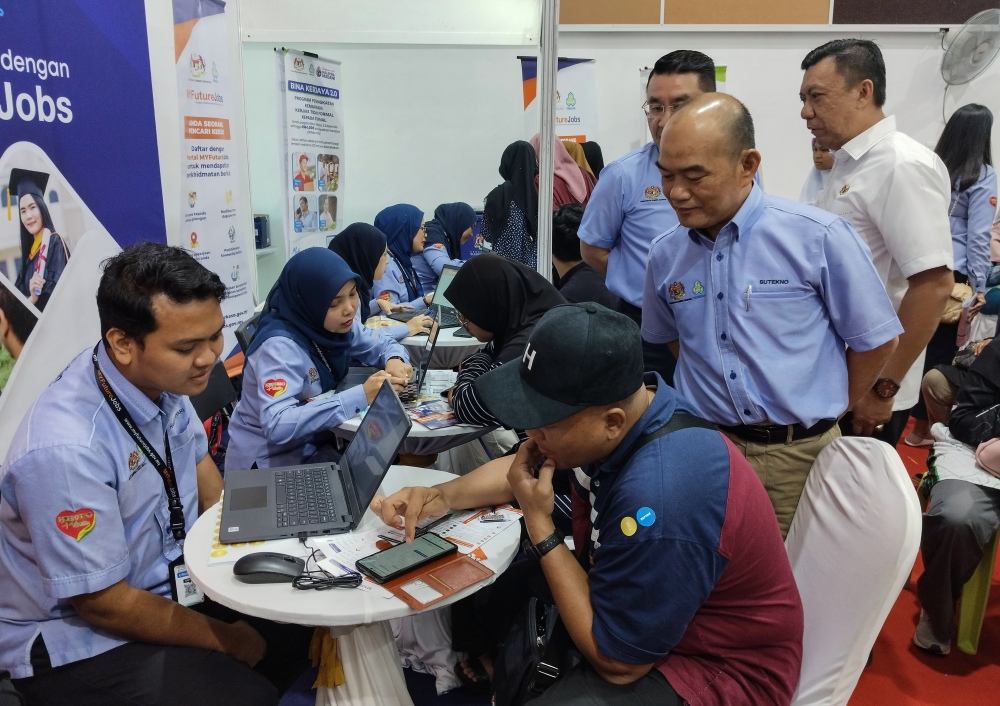
KUALA LUMPUR, Nov 1 — With the national jobless rate at just 2.9 per cent, Malaysia’s labour market looks healthy on paper, yet fresh graduates say artificial intelligence (AI) is making the first rung of the career ladder harder to reach.
Andy Iskandar Baharudin, 23, a finance graduate from a public university, has applied to more than 100 companies since an internship ended in July, the South China Morning Post ( SCMP ) reported today.
“How are we supposed to gain experience as fresh graduates if even getting an opportunity to work is difficult?” he asked.
Marketing graduate Nafeesa Azman, 24, says she has sent out 200 to 300 applications since finishing an internship about two months ago.
She blames AI for thinning out copywriting and visual-content work, and says employers armed with the tools are lowballing on pay.
Nafeesa wants at least RM3,000 a month, she said, but many offers fall short.
The routine tasks that once trained newcomers, such as taking notes, preparing slides and compiling data, can now be done faster and more cheaply by AI, SCMP noted.
The Department of Statistics Malaysia (DOSM) put unemployment among those aged 15 to 24 at 10.1 per cent in August, or 291,300 people.
Among those with jobs, DOSM found that 35.2 per cent of employed tertiary-educated workers were in semi-skilled or low-skilled roles in the second quarter.
The Human Resource Ministry told Parliament back in June that 1.6 million graduates, or 32.2 per cent of the graduate workforce, were underemployed in 2024, and that then government was accelerating labour market reforms.
A study commissioned by the Human Resources Ministry found last year that 600,000 existing jobs were “at risk” from AI, though then minister Steven Sim said up to 60 per cent of employers across 10 key sectors expected AI to create jobs.
The International Labour Organization estimates that nearly 80 million South-east Asian workers will be affected by AI, and 11.7 million could lose their jobs or see their tasks reworked.
Its July report, however, found no evidence yet of large-scale AI-driven job losses in the region.
A similar situation appears to be developing to Malaysia’s south, in Singapore.
Singapore Prime Minister Lawrence Wong said on October 12 that AI may have already broken the “bottom rung” of the career ladder.
Singapore will subsidise firms that take on interns, and has unveiled a S$1 billion (RM3.19 billion) plan covering worker upskilling, infrastructure, hardware and research.
International Monetary Fund managing director Kristalina Georgieva warned on October 16 that young people who would once have taken professional routine jobs are now serving coffee in Starbucks.
“That is not what I think young people in the world aspire for,” she said during the IMF and World Bank annual meetings in Bangkok.
For Andy, the wish is simple: “We do want to work, gain experience and build our own careers.”
Chinese EV carmakers bring their own parts, and Malaysian suppliers are watching from the kerb
Penang’s Deepavali carnival puts young entrepreneurs and small traders centre stage
Binance resumes Bitcoin withdrawals following record US$6.3b crypto hack
Teenage girl falls from second floor of Tampoi flat after suffering seizure
Inmates taken from Klang rehab centre: Police open criminal trespass probe
Man smashes five bank machines after failed ATM withdrawal in Sarikei, injures one person
吉隆坡,11月1日讯——尽管马来西亚全国失业率仅为2.9%,从表面上看,马来西亚的劳动力市场状况良好,但应届毕业生表示,人工智能(AI)使得职业生涯的第一步更加难以迈出。
据《南华早报》今日报道,23岁的安迪·伊斯坎达尔·巴哈鲁丁(Andy Iskandar Baharudin)毕业于一所公立大学,主修金融,自7月份实习结束后,他已向100多家公司投递了简历。
他问道:“如果连工作机会都很难获得,我们这些应届毕业生又该如何积累经验呢?”
24岁的市场营销专业毕业生纳菲莎·阿兹曼表示,自从大约两个月前结束实习以来,她已经投出了200到300份申请。
她指责人工智能导致文案撰写和视觉内容工作减少,并表示掌握了这些工具的雇主在支付薪酬方面压低了标准。
娜菲莎说,她希望每月至少能挣到3000令吉,但很多工作机会都达不到这个标准。
《南华早报》指出,以前需要新人完成的日常任务,例如记笔记、准备幻灯片和整理数据,现在人工智能可以更快、更便宜地完成。
马来西亚统计局(DOSM)的数据显示,8月份15至24岁人群的失业率为10.1%,即291300人。
菲律宾统计局 (DOSM) 发现,在第二季度,有工作的受过高等教育的劳动者中有 35.2% 从事半熟练或低技能工作。
人力资源部在六月份向议会表示,到 2024 年,将有 160 万毕业生(占毕业生劳动力的 32.2%)处于就业不足状态,当时政府正在加快劳动力市场改革。
去年,人力资源部委托进行的一项研究发现,人工智能将使 60 万个现有工作岗位面临“风险”,但当时的部长史蒂文·沈表示,在 10 个关键行业中,高达 60% 的雇主预计人工智能将创造就业机会。
国际劳工组织估计,近 8000 万东南亚工人将受到人工智能的影响,其中 1170 万人可能会失业或工作内容被重新安排。
然而,其7月份的报告尚未发现该地区出现大规模人工智能驱动的失业现象。
类似的情况似乎正在马来西亚南部的新加坡出现。
新加坡总理黄循财于10月12日表示,人工智能可能已经突破了职业阶梯的“最底层”。
新加坡将补贴招收实习生的公司,并公布了一项10亿新元(31.9亿令吉)的计划,涵盖员工技能提升、基础设施、硬件和研究。
国际货币基金组织总裁克里斯塔利娜·格奥尔基耶娃10月16日警告说,曾经从事专业性日常工作的年轻人现在却在星巴克端咖啡。
“我认为这不是全世界年轻人所追求的,”她在曼谷举行的国际货币基金组织和世界银行年会上说。
安迪的愿望很简单:“我们想工作,积累经验,建立自己的事业。”
中国电动汽车制造商自行生产零部件,马来西亚供应商只能在路边观望。
槟城屠妖节嘉年华将年轻企业家和小商贩推向舞台中心
币安在遭遇创纪录的63亿美元加密货币黑客攻击后恢复比特币提现。
一名少女癫痫发作后从淡杯公寓二楼坠落
从巴生康复中心带走的囚犯:警方展开非法侵入调查
男子在沙里基自动取款机取款失败后砸毁五台取款机,造成一人受伤