Early arrivals contributing to hospital congestion, says Perak health exco霹雳州卫生行政议员表示,提前到达医院的人员加剧了医院的拥堵。
IPOH, Sept 8 — Congestion at government hospitals in Perak is partly caused by elderly patients arriving with family members and coming earlier than their scheduled appointments,...
Congestion at government hospitals in Perak is caused by elderly patients arriving early with family members, hoping to see doctors sooner.
Patients remain satisfied with the treatment despite longer waiting times, which are partly due to doctors' other duties.
The state has about 6,000 hospital beds, with ongoing measures to improve healthcare services and reduce congestion.
IPOH, Sept 8 — Congestion at government hospitals in Perak is partly caused by elderly patients arriving with family members and coming earlier than their scheduled appointments, the State Legislative Assembly told today.
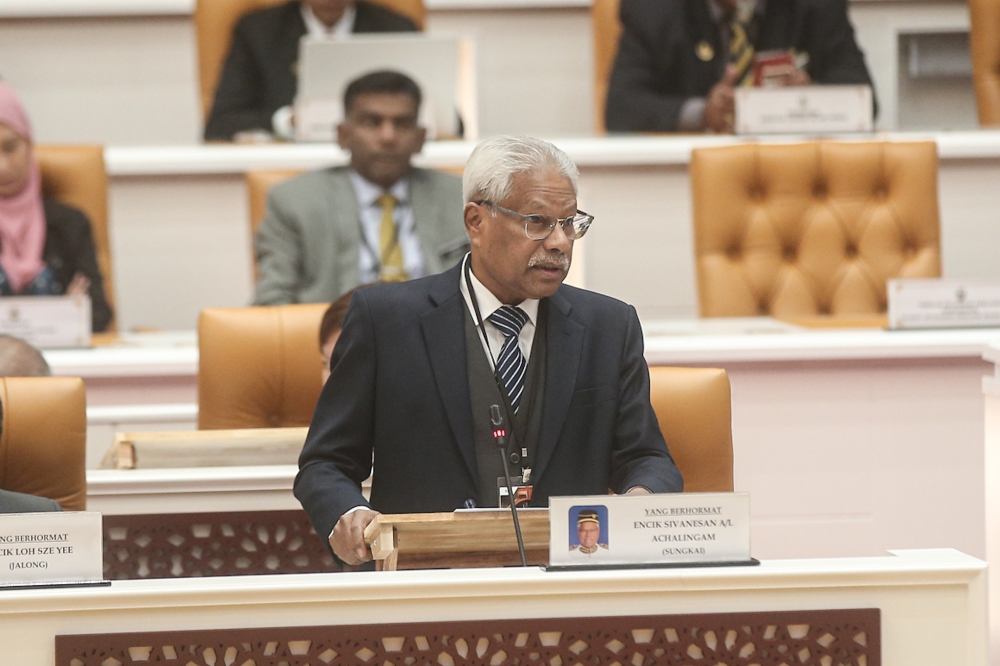
Perak Health, Human Resources, Indian Affairs and National Integration Committee chairman A. Sivanesan said elderly patients were usually accompanied by their children or other family members, while some also arrived early in the belief that they could see doctors sooner.
“Sometimes when we give them appointments, they do not come alone. When elderly parents or senior citizens come, they usually come with their children or someone to accompany them.
“They also tend to arrive early because they think that if they come early, they can see the doctor earlier. This cause congestion inside the hospitals as well at the parking area,” he said.
Sivanesan was replying to additional questions by Selinsing assemblyman Sallehuddin Abdullah who asked on issues of patient need to wait longer at government hospital and also whether government hospital bed capacity was sufficient to meet the state’s growing population and increasing chronic diseases.
Sivanesan said doctors also had other duties, including ward rounds, before attending to patients, which could contribute to longer waiting times as patients arrive early than the scheduled time.
However, he said patients generally remained satisfied with the treatment provided by doctors despite having to wait.
Sivanesan also contrasted the situation with private hospitals, where patients using medical insurance may sometimes have to wait longer for approval from their insurance companies before being discharged.
He said negotiations between private hospitals and insurance companies over treatment charges could sometimes take several hours, while patients could leave government hospitals immediately after being discharged.
“We don’t have such issues in the government hospitals. When discharge, patients can leave immediately,” he said.
He said the state Health Department had taken several measures to reduce congestion, including allowing patients to make appointments by telephone to collect their medication directly from the pharmacy.
“We are also implementing a service where, for a certain charge, medication can be delivered directly to the patient’s home,” he said.
On bed capacity, Sivanesan said Perak had 15 government hospitals with about 6,000 beds, of which approximately 5,600 were operational, leaving around 400 beds vacant.
He said there were also 96 intensive care unit (ICU) beds, with about 75 currently operational.
Sivanesan acknowledged that there could be temporary shortages during unexpected disease outbreaks or major emergencies, such as accidents involving schoolchildren, which could require patients to be transferred to other hospitals.
“Sometimes we may face such problems, but so far, we have not received complaints from hospitals or health facilities regarding a lack of beds,” he said.
He added that the state also had 89 health clinics and more than 180 other health facilities, with the government continuing to prioritise patients’ needs and improve healthcare services.
Anwar warns ministries against blank cheque approach while Malaysia grapples with subsidy burden
Anwar demands tangible impact from government spending
No private land acquisition for Ipoh Sentral so far, says Perak MB
霹雳州政府医院人满为患的原因是老年患者和家人早早抵达,希望能尽快见到医生。
尽管等待时间较长(部分原因是医生还有其他工作),但患者对治疗仍然感到满意。
该州拥有约 6000 张医院床位,并持续采取措施改善医疗服务,减少拥堵。
怡保,9月8日讯——霹雳州立法议会今日表示,霹雳州政府医院拥挤的部分原因是老年患者携家属前来就诊,且比预约时间提前到达。
霹雳州卫生、人力资源、印第安事务和国家融合委员会主席 A. Sivanesan 表示,老年患者通常会由子女或其他家庭成员陪同,有些患者也会提前到达,因为他们认为这样可以更快地见到医生。
“有时候我们给他们预约的时候,他们不会独自前来。年迈的父母或老年人来的时候,通常会带着孩子或其他人陪同。
“他们往往会提前到达,因为他们认为如果来得早,就能早点见到医生。这导致医院内部以及停车场都出现拥堵,”他说。
西瓦内桑是在回答塞林辛州议员萨利赫丁·阿卜杜拉提出的其他问题时做出上述表态的。萨利赫丁·阿卜杜拉询问了政府医院病人等待时间过长的问题,以及政府医院的床位容量是否足以满足该州不断增长的人口和日益增多的慢性病患者的需求。
西瓦内桑表示,医生在接诊病人之前还有其他职责,包括查房,这可能会导致病人比预定时间提前到达,从而造成更长的等待时间。
但他表示,尽管需要等待,但患者总体上对医生提供的治疗仍然感到满意。
Sivanesan 还将这种情况与私立医院进行了对比,在私立医院,使用医疗保险的患者有时可能需要等待保险公司更长时间的批准才能出院。
他表示,私立医院和保险公司之间就治疗费用进行的谈判有时可能需要几个小时,而病人出院后就可以立即离开公立医院。
他说:“公立医院不存在这类问题。病人出院时可以立即离开。”
他说,州卫生部门已采取多项措施来减少拥堵,包括允许患者通过电话预约,直接从药房领取药物。
“我们还在推行一项服务,只需支付一定的费用,药物就可以直接送到患者家中,”他说。
关于床位容量,西瓦内桑表示,霹雳州有 15 家政府医院,约有 6000 张床位,其中约有 5600 张床位正在运营,还有约 400 张床位空置。
他还表示,医院共有 96 张重症监护病床 (ICU),目前约有 75 张病床正在使用。
西瓦内桑承认,在发生意外疾病爆发或重大紧急情况(例如涉及学童的事故)时,可能会出现暂时的短缺,这可能需要将病人转移到其他医院。
他说:“我们有时可能会遇到这类问题,但到目前为止,我们还没有收到医院或医疗机构关于床位不足的投诉。”
他还补充说,该州还有 89 家诊所和 180 多家其他医疗机构,政府将继续优先考虑患者的需求并改善医疗保健服务。
安华警告各部委不要采取空白支票的做法,与此同时,马来西亚正努力应对补贴负担。
安华要求政府支出产生切实的影响。
霹雳州务大臣表示,怡保中央车站目前尚未征用任何私人土地。