Birdwatcher found human skull near cemetery, coroner's court returns open verdict观鸟者在墓地附近发现人类头骨,验尸官法庭做出开放式裁决
The birdwatcher initially thought the skull he found in a forested area behind the Hindu cemetery belonged to an animal.
The birdwatcher initially thought the skull he found in a forested area behind the Hindu cemetery belonged to an animal.
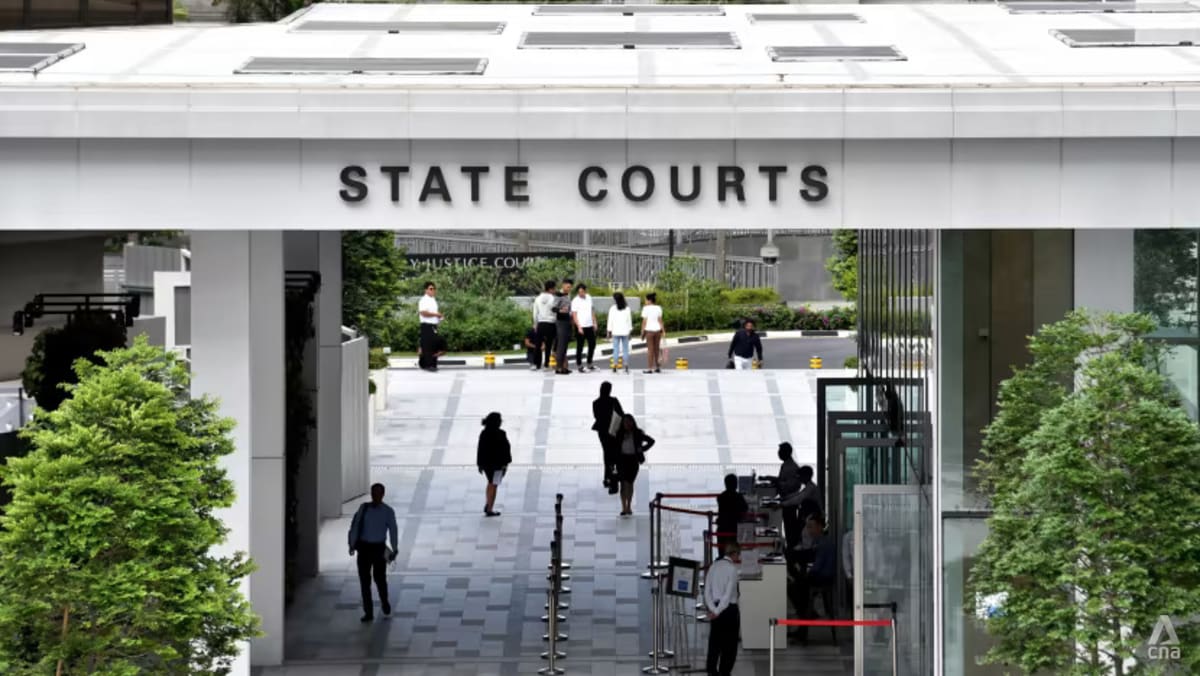
File photo of the State Courts in Singapore.
This audio is generated by an AI tool.
SINGAPORE: A human skull and other bones found by a birdwatcher in a forested area near a cemetery are still unidentified, with a coroner on Tuesday (Nov 3) returning an open verdict on how the person died.
The precise date and location of the death could not be determined, and there was a substantial number of missing bones, with the cause of death unascertained, said Coroner Chay Yuen Fatt.
However, the available skeletal features indicated that the deceased was a man in his late 70s or 80s, the court heard.
The remains were discovered on Mar 8 this year in a forested area behind the Hindu cemetery in Choa Chu Kang, which is managed by the National Environment Agency (NEA).
CNA Games Guess Word Crack the word, one row at a time Buzzword Create words using the given letters Mini Sudoku Tiny puzzle, mighty brain teaser Mini Crossword Small grid, big challenge Word Search Spot as many words as you can Show More Show Less A member of the public who said he cycled regularly to the cemetery to birdwatch saw the skull and initially thought it belonged to an animal. However, on closer inspection, he believed it was human. The man went to NEA's office and told the staff members there that he had found a human skull. An NEA senior executive went to the incident location and found other bones that he believed to be human remains. He called the police and an investigation officer surveyed the area. It was on a forested slope adjacent to the Hindu cemetery, with no direct footpath access, the court heard. A thorough combing of the area revealed no tents or other items to suggest human habitation. A pathologist who attended the scene said that there was wildlife in the area and that animals typically consume smaller bone fragments. She told the police to obtain the bones that were found within a certain radius. These remains were transferred to the Health Sciences Authority's mortuary. An autopsy found that the bones were believed to belong to a man in his late 70s to his 80s. However, large sets of bones were missing, including his ribs and leg bones. Thus, no comment could be made on ancestry or race. There was also no sign of injury. The remains were estimated to have been exposed for more than six months and up to two years before the autopsy was conducted in March. Based on the above, the cause of death was recorded as "unascertained". The police do not suspect foul play, the court heard. On questioning by the coroner, the investigation officer said other items were recovered from the scene, such as clothing, a bag, glasses, a speaker and a power bank. However, no DNA profile was found on the tested items. The items were also waterlogged, due to consistent rainfall in that area. The coroner returned an open verdict, saying there were no injuries or open signs of disease that could explain the death, given the extensive decomposition and the number of missing bones.
A member of the public who said he cycled regularly to the cemetery to birdwatch saw the skull and initially thought it belonged to an animal.
However, on closer inspection, he believed it was human.
The man went to NEA's office and told the staff members there that he had found a human skull.
An NEA senior executive went to the incident location and found other bones that he believed to be human remains.
He called the police and an investigation officer surveyed the area.
It was on a forested slope adjacent to the Hindu cemetery, with no direct footpath access, the court heard.
A thorough combing of the area revealed no tents or other items to suggest human habitation.
A pathologist who attended the scene said that there was wildlife in the area and that animals typically consume smaller bone fragments.
She told the police to obtain the bones that were found within a certain radius. These remains were transferred to the Health Sciences Authority's mortuary.
An autopsy found that the bones were believed to belong to a man in his late 70s to his 80s.
However, large sets of bones were missing, including his ribs and leg bones. Thus, no comment could be made on ancestry or race.
There was also no sign of injury. The remains were estimated to have been exposed for more than six months and up to two years before the autopsy was conducted in March.
Based on the above, the cause of death was recorded as "unascertained".
The police do not suspect foul play, the court heard.
On questioning by the coroner, the investigation officer said other items were recovered from the scene, such as clothing, a bag, glasses, a speaker and a power bank.
However, no DNA profile was found on the tested items. The items were also waterlogged, due to consistent rainfall in that area.
The coroner returned an open verdict, saying there were no injuries or open signs of disease that could explain the death, given the extensive decomposition and the number of missing bones.
Get our pick of top stories and thought-provoking articles in your inbox
Stay updated with notifications for breaking news and our best stories
Join our channel for the top reads for the day on your preferred chat app
这位观鸟者最初认为他在印度教墓地后面的森林地区发现的头骨属于某种动物。
新加坡国家法院的资料照片。
这段音频由人工智能工具生成。
新加坡:一名观鸟者在墓地附近的森林地区发现了一具人类头骨和其他骨骼,但身份仍未确定。周二(11月3日),验尸官对该人的死因作出了开放式裁决。
验尸官蔡元发表示,无法确定死亡的确切日期和地点,而且有大量骨骼缺失,死因也无法确定。
然而,法庭获悉,根据现有的骨骼特征判断,死者是一名 70 多岁或 80 多岁的男子。
今年 3 月 8 日,在蔡厝港印度教公墓后面的森林地区发现了这些遗骸,该公墓由国家环境局 (NEA) 管理。
CNA游戏 猜词游戏 逐行破解单词 流行词游戏 用给定的字母组成单词 迷你数独 小谜题,脑力挑战 迷你填字游戏 小方格,大挑战 单词搜索 尽可能多地找出单词 显示更多 显示更少 一位自称经常骑自行车去墓地观鸟的市民发现了一个头骨,起初以为是动物的。然而,仔细观察后,他认为这是人的。该男子前往国家环境局(NEA)办公室,告知工作人员他发现了一个人头骨。一位NEA高级主管前往事发地点,发现了其他他认为是人类遗骸的骨骼。他报警后,一名调查人员对该地区进行了勘察。法庭获悉,事发地点位于毗邻印度教墓地的一片林木覆盖的山坡上,没有直接的人行道可以到达。对该地区的彻底搜查没有发现帐篷或其他表明人类居住的物品。一位到场的病理学家表示,该地区有野生动物出没,动物通常会吃掉较小的骨骼碎片。她指示警方收集在一定半径范围内发现的骨骼。这些遗骸被送往卫生科学局的太平间。尸检结果显示,这些骨骼据信属于一名70多岁至80多岁的男性。然而,包括肋骨和腿骨在内的大块骨骼缺失。因此,无法确定其祖籍或种族。此外,遗骸上也没有受伤的痕迹。据估计,在3月份进行尸检之前,这些遗骸已暴露在外超过六个月,甚至长达两年。基于以上情况,死因被记录为“不明”。法庭获悉,警方不怀疑存在谋杀或其他犯罪行为。在验尸官的询问下,调查人员表示,现场还发现了其他物品,例如衣物、一个包、一副眼镜、一个音箱和一个移动电源。然而,在这些物品上并未发现DNA图谱。由于该地区持续降雨,这些物品也已被水浸泡。验尸官做出了开放式结论,称鉴于尸体高度腐烂且缺失大量骨骼,没有发现任何可以解释死因的伤情或明显的疾病迹象。
一位经常骑自行车去墓地观鸟的市民看到了这颗头骨,起初以为它属于某种动物。
然而,仔细观察后,他认为那是一个人。
该男子前往国家环境局办公室,告诉工作人员他发现了一个人类头骨。
国家环境局一名高级主管前往事发地点,发现了其他他认为是人类遗骸的骨头。
他打电话报警,一名调查人员对该地区进行了勘察。
据法庭获悉,该墓地位于印度教墓地旁的一片林木茂盛的山坡上,没有直接的步行通道。
对该地区进行彻底搜查后,没有发现帐篷或其他表明有人居住的物品。
到场的病理学家表示,该地区有野生动物出没,动物通常会吃掉较小的骨头碎片。
她指示警方收集在一定范围内发现的骨骼。这些遗骸已被送往卫生科学局的太平间。
尸检结果显示,这些骨骼据信属于一名 70 多岁到 80 多岁的男子。
然而,他的许多骨骼缺失,包括肋骨和腿骨。因此,无法对他的血统或种族做出任何判断。
尸体上也没有伤痕。据估计,尸体在三月份进行尸检前,已暴露超过六个月至两年。
根据以上情况,死因被记录为“不明”。
法庭获悉,警方并未怀疑存在谋杀或其他犯罪行为。
在验尸官的询问下,调查人员表示,现场还找到了其他物品,例如衣物、包、眼镜、扬声器和移动电源。
然而,在检测物品上并未发现DNA图谱。此外,由于该地区持续降雨,这些物品也已被水浸泡。
验尸官做出了开放式结论,称鉴于尸体高度腐烂且缺失大量骨骼,没有发现任何可以解释死因的伤情或明显的疾病迹象。
订阅我们的邮件,即可获取精选热点新闻和引人深思的文章。
订阅通知,第一时间获取突发新闻和精彩报道。
加入我们的频道,即可在您常用的聊天应用上获取当日热门文章。