Beyond the podium: How Tan Shing Win’s World Barista Championship triumph signals a new chapter for Malaysian coffee领奖台之外:陈胜温的世界咖啡师大赛夺冠如何标志着马来西亚咖啡业的新篇章
KUALA LUMPUR, Nov 3 — When Tan Shing Win made coffee outdoors, he noticed something that kept bothering him: the same beans and brewing recipe could produce a different cup...
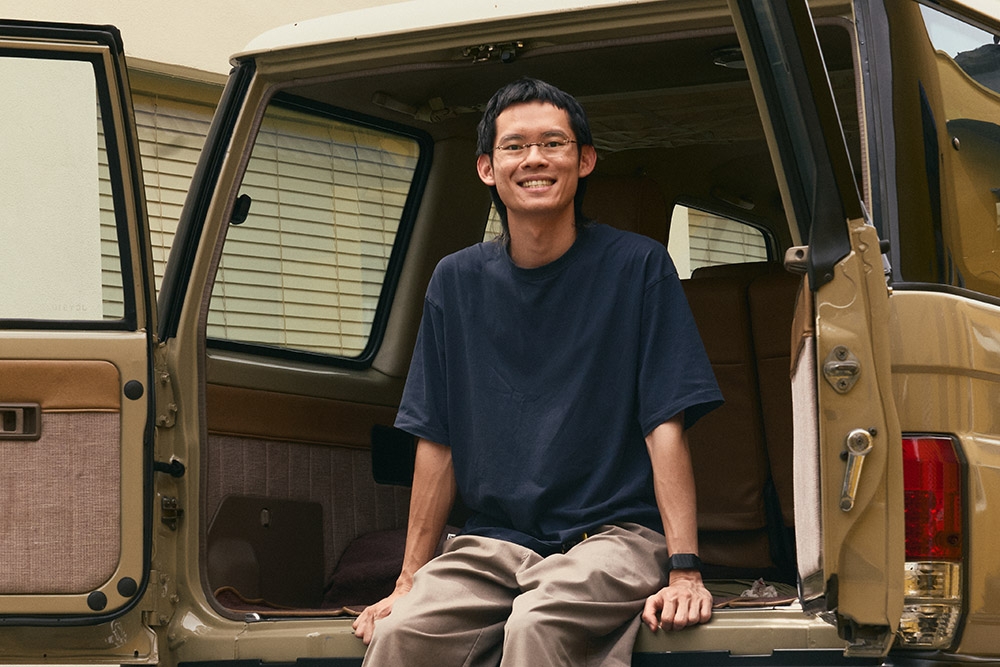
KUALA LUMPUR, Nov 3 — When Tan Shing Win made coffee outdoors, he noticed something that kept bothering him: the same beans and brewing recipe could produce a different cup depending on the environment.
It was an everyday observation, but one that eventually helped shape his presentation at the 2026 World Barista Championship (WBC) in Panama, where he finished second — the best result ever achieved by a Malaysian competitor.
Moisture became the focus of his routine, reflecting a question that had followed him through years of making coffee in different settings.
“Sometimes, even when using the exact same brewing recipe, the results could be quite different depending on the environment,” Shing Win says. “This made me wonder how factors such as humidity might be influencing the way we brew coffee.”
Moisture, he explains, is not often a major topic of discussion in coffee brewing. Yet it was something his team paid attention to when adjusting coffee for different environments.
“Over time, I became more curious about how something we often overlook could influence the way we make coffee. That curiosity eventually led me to explore moisture more deeply and make it the central idea of my routine.”
The approach is characteristic of Shing Win: technical, observant and more interested in pursuing a question than presenting an elaborate story.
That quality is familiar to his coach, Keith Koay, who first met him in 2016, shortly after opening a coffee shop in Taman Paramount, PJ.
(That little coffee shop, of course, is none other than One Half Coffee ; it would eventually pave the way for other now-veteran establishments in the local F&B scene, such as Dou Dou Bake and One Half Roastery .)
“He came in as a customer, curious about coffee and searching for answers about a career path that was still quite blurry to him,” Keith recalls.
He eventually hired Shing Win as a part-timer. What stood out was not necessarily his talent, but his attitude towards learning.
“He was never in a rush to prove himself. Instead, he was happy to observe, learn humbly behind the bar, and build his understanding of coffee from the ground up.”
Keith, himself a three-time Malaysian Barista Champion (winning the titles in 2016, 2018 and 2020), says Shing Win was willing to dedicate time to the craft without expecting immediate results.
Those early qualities, he believes, helped bring the barista to the world stage.
“One question we kept coming back to throughout our preparation was: ‘We want to see someone who can change or inspire the coffee industry. Do you think what you’re presenting in these 15 minutes truly represents that?’” Keith says.
Sometimes, Shing Win’s response was silence. Keith felt that, deep down, he knew when the answer was no.
“So we went back, questioned our ideas, and continued refining the routine. It wasn’t necessarily about finding something more impressive to present, but making sure that everything we put on stage had a purpose and something meaningful to contribute.”
The moisture concept emerged from an ordinary part of their lives. The two often went camping and noticed that coffee brewed outdoors, particularly in hot and humid conditions, could taste remarkably different from the same coffee made at home.
“That observation sparked our curiosity. We wanted to understand why, and whether we could find an explanation through research and experimentation,” Keith says.
Shing Win’s competition routine also had to translate that curiosity into a compelling coffee experience. One challenge was showcasing the delicate character of a washed Geisha in a milk beverage.
Rather than selecting different coffees for each course, as competitors commonly do to maximise the potential of individual drinks, the team chose to use the same coffee across all three.
“We wanted to preserve the coffee’s identity while creating enough intensity for its flavours to shine through the milk,” Shing Win says.
They explored how moisture within the beans could help achieve that without changing the roast profile.
“It reminded me that sometimes, improving a cup isn’t about changing the coffee itself, but understanding how to work with what the coffee already has to offer.”
For Keith, that process was not separate from their everyday work.
“Much of what we presented on stage reflects what we quietly practise behind the bar every day,” he says. “It’s not necessarily something loud or visually spectacular.”
Behind the simplicity, Keith points to “a lot of observation, questioning, experimentation and attention to detail”, which are habits that support their philosophy of making tasty coffee.
What mattered to him was that Shing Win had brought this everyday approach onto the world stage and demonstrated that it belonged there.
Naturally, second place brought mixed emotions to Shing Win. He was happy, shocked and proud to finish runner-up in his debut at the championship, but the knowledge that first place was within reach made the moment bittersweet.
However, this historic result only fully sank in after he returned to Malaysia.
Shing Win says that his achievement was also the product of everyone who had supported him throughout the preparation, ever since he won the Malaysia Barista Championship last year: “My coach, mentor and team believed in me even before I believed in myself.”
He also received encouragement from the international coffee community, whose generosity moved him deeply.
“I think the biggest lesson I’ve learned is to be more selfless. So many people have shared their knowledge, experience and time with me without expecting anything in return.”
Shing Win’s milestone achievement has struck a chord across the Malaysian coffee community, many of whom are his peers, supporters, mentors and comrades in arms.
Jason Loo, who finished fourth at the 2025 World Barista Championship after winning the Malaysia Barista Championship four times, has been cheering him on.
“Seeing Shing Win follow that with a second-place finish reinforces the belief that our success is not a one-off achievement. We are building the foundation, the experience, and the confidence to compete consistently at this level,” Jason says.
He believes the country should also reconsider how it sees its place in the global coffee scene.
“We should no longer see ourselves as a small coffee nation trying to catch up. We have our own identity, talent, culture, and stories to bring to the world.”
That shift might depend on an ecosystem the competitors find themselves in. Chiam Tow Jin — president of the Malaysia Specialty Coffee Association , co-founder of The Roast Things and the 2025 Malaysia Cup Tasters Champion — feels the achievement reflects both individual commitment and the wider industry that has developed around baristas.
He says, “Behind them are companies and teams willing to invest time, resources, and belief in their development. Equally important are the customers whose appreciation for good coffee makes it commercially sustainable for businesses to keep investing in their people.”
Competition also has value beyond the podium. According to Surender Kumar (or Suren), the 2023 Malaysia Barista Champion and co-founder of Ruits Juices : “It develops discipline, attention to detail and a better understanding of how to communicate what you do,” he says.
Suren hopes younger baristas will be empowered by Shing Win’s story to take their craft seriously and consider the different ways they can contribute, whether through competing, teaching, coaching or building businesses.
To these aspiring baristas, Keith’s advice is straightforward: find a good team, work hard, stay curious and “pray for a little luck”.
Shing Win agrees, adding that his next step is “to do the same for others. To share what I’ve learned, offer support wherever I can, and pass on the same positive energy that so many people have given me throughout this journey.”
No doubt his triumph at the WBC will inspire the next generation of Malaysian baristas, but the challenge now is to make that level of performance less of an exception and more of a standard.
Together, we can build a coffee culture in which more Malaysians have the knowledge, support and resources to compete on the world stage.
For more food fables and café chronicles, visit Life for Beginners .
Not keen to drive to Klang or Jenjarom just for ‘hong bak’? Try Lala King Hong Bak/Klang Bak Kut Teh in Taman Cheras instead
Kedai Kopi Yee Fatt: A love letter to my favourite dry curry mee in Ipoh
From Slim River to rugby weekends: How Kelapa gives fresh coconut water a semi-frozen twist
Daim family loses bid to stop police probe into alleged ‘government overthrow’ plot
Anwar: Malaysia needs better tech to counter increasingly sophisticated drug smuggling
PM: Expedite RM700m flood projects after repeated flooding in Sungai Buloh area
吉隆坡,11 月 3 日讯——当陈兴温在户外煮咖啡时,他注意到一件一直困扰着他的事情:同样的咖啡豆和冲泡方法,在不同的环境下却能煮出不同的咖啡。
这是一个日常观察,但最终帮助他塑造了在 2026 年巴拿马世界咖啡师锦标赛 (WBC) 上的表演,他在那里获得了第二名——这是马来西亚参赛者取得的最好成绩。
水分成了他日常工作的重点,这反映了多年来他在不同环境下制作咖啡时一直思考的问题。
“有时候,即使使用完全相同的冲泡配方,由于环境不同,冲泡出来的咖啡也会大相径庭,”Shing Win说道。“这让我不禁思考,湿度等因素会如何影响我们冲泡咖啡的方式。”
他解释说,水分在咖啡冲泡中通常不是人们讨论的重点。然而,他的团队在根据不同环境调整咖啡时,却特别关注了这一点。
“随着时间的推移,我开始好奇我们经常忽略的事物会如何影响我们制作咖啡的方式。这种好奇心最终促使我更深入地研究水分,并将其作为我日常操作的核心理念。”
这种方法是辛温的典型特征:技术性强、观察力敏锐,更热衷于探究问题,而不是讲述一个复杂的故事。
他的教练 Keith Koay 对这种特质并不陌生,Keith Koay 于 2016 年第一次见到他,当时 Keith Koay 在八打灵再也的 Taman Paramount 开了一家咖啡店。
(当然,那家小咖啡店正是 One Half Coffee;它最终为当地餐饮界其他一些如今已颇具规模的店铺铺平了道路,例如 Dou Dou Bake 和 One Half Roastery。)
“他以顾客的身份走进店里,对咖啡感到好奇,并想寻找关于职业道路的答案,因为他当时对职业道路还很模糊,”基思回忆道。
他最终聘用了盛文做兼职。真正让他印象深刻的并非他的天赋,而是他对待学习的态度。
“他从不急于证明自己。相反,他乐于观察,谦逊地在吧台后学习,从零开始建立自己对咖啡的理解。”
Keith 本人曾三次获得马来西亚咖啡师冠军(分别在 2016 年、2018 年和 2020 年获得该项荣誉),他表示 Shing Win 愿意投入时间钻研这门技艺,而不求立竿见影的效果。
他认为,正是这些早期的特质帮助咖啡师走向了世界舞台。
“在整个准备过程中,我们反复思考的一个问题是:‘我们想看到一位能够改变或激励咖啡行业的人。你认为你在这15分钟的演讲内容真的能代表这一点吗?’”基思说道。
有时,星温的回应是沉默。基思觉得,他内心深处其实知道答案是否定的。
“所以我们回去反思我们的想法,并继续完善流程。这不一定是为了找到更令人印象深刻的表演,而是确保我们呈现在舞台上的每一个环节都有其目的,都能做出有意义的贡献。”
湿度概念源于他们日常生活中的一个普通片段。两人经常去露营,并注意到在户外,尤其是在炎热潮湿的环境下冲泡的咖啡,与在家冲泡的同款咖啡味道截然不同。
“这一发现激发了我们的好奇心。我们想了解其中的原因,以及是否可以通过研究和实验找到解释,”基思说。
盛文的比赛流程也必须将这种好奇心转化为引人入胜的咖啡体验。其中一项挑战是如何在奶咖中展现水洗艺伎咖啡豆的细腻风味。
与竞争对手通常为了最大限度地发挥每杯饮品的潜力而为每道菜选择不同的咖啡不同,该团队选择在所有三道菜中使用同一种咖啡。
“我们希望在保留咖啡原有风味的同时,使其味道能够透过牛奶散发出来,”Shing Win说道。
他们探索了咖啡豆内部的水分如何在不改变烘焙特性的情况下帮助实现这一目标。
“这让我意识到,有时候,提升一杯咖啡的品质并不是改变咖啡本身,而是了解如何利用咖啡本身所具有的特质。”
对基思来说,这个过程与他们的日常工作密不可分。
他说:“我们在舞台上展示的很多东西,都反映了我们每天在吧台后默默实践的东西。它不一定是那种喧闹的、视觉效果惊艳的东西。”
Keith 指出,在看似简单的背后,是“大量的观察、提问、实验和对细节的关注”,这些习惯支撑着他们制作美味咖啡的理念。
对他来说重要的是,辛温将这种日常方法带到了世界舞台上,并证明它有资格站在那里。
当然,亚军的成绩让盛文百感交集。首次参加锦标赛就能获得亚军,他既高兴又震惊,也倍感自豪;但想到冠军近在咫尺,这种感觉又让他有些苦涩。
然而,直到他回到马来西亚后,这一历史性的结果才真正让他感到震撼。
Shing Win表示,他的成就也离不开所有在他备战期间支持他的人,自从他去年赢得马来西亚咖啡师锦标赛冠军以来,一直如此:“我的教练、导师和团队甚至在我自己相信自己之前就相信我了。”
他还得到了国际咖啡界的鼓励,他们的慷慨深深地感动了他。
“我觉得我学到的最重要的一课就是要更加无私。很多人都与我分享了他们的知识、经验和时间,却不求任何回报。”
Shing Win 的里程碑式成就引起了马来西亚咖啡界的广泛共鸣,其中许多人都是他的同行、支持者、导师和战友。
曾四次获得马来西亚咖啡师锦标赛冠军,并在 2025 年世界咖啡师锦标赛中获得第四名的 Jason Loo 一直在为他加油。
“看到星文队随后获得亚军,更加印证了我们的成功并非昙花一现。我们正在积累基础、经验和信心,以便在这个水平上持续竞争,”杰森说道。
他认为,该国也应该重新考虑其在全球咖啡领域中的地位。
“我们不应该再把自己看作是一个努力追赶的小咖啡国家。我们拥有自己的身份、才能、文化和故事,可以带给世界。”
这种转变可能取决于竞争对手所处的生态系统。马来西亚精品咖啡协会主席、The Roast Things联合创始人、2025年马来西亚杯测冠军Chiam Tow Jin认为,这一成就既体现了个人的努力,也反映了围绕咖啡师发展起来的更广泛的行业。
他说:“在他们背后,是那些愿意投入时间、资源和信念来推动他们发展的公司和团队。同样重要的是,是那些对优质咖啡的欣赏,正是这种欣赏使得企业在商业上能够持续投资于员工,从而实现可持续发展。”
比赛的价值不仅限于领奖台。2023年马来西亚咖啡师大赛冠军、Ruits Juices联合创始人苏伦德·库马尔(或苏伦)表示:“比赛能培养自律性、注重细节,并更好地理解如何沟通自己的工作。”
Suren 希望年轻的咖啡师们能从 Shing Win 的故事中获得力量,认真对待自己的技艺,并思考他们可以做出贡献的不同方式,无论是通过比赛、教学、指导还是创业。
对于这些有抱负的咖啡师,基思的建议很简单:找到一个好团队,努力工作,保持好奇心,并“祈祷能有一点好运”。
Shing Win对此表示赞同,并补充说他的下一步是“为他人做同样的事情。分享我所学到的东西,尽我所能提供支持,并将我在这段旅程中得到的许多人给予我的积极能量传递下去。”
毫无疑问,他在世界咖啡师大赛上的胜利将激励下一代马来西亚咖啡师,但现在的挑战是如何让这种水平的表现不再是例外,而成为一种标准。
我们携手努力,就能建立一种咖啡文化,让更多的马来西亚人拥有在世界舞台上竞争所需的知识、支持和资源。
想了解更多美食故事和咖啡馆轶事,请访问“初学者生活”网站。
不想开车去巴生或仁嘉隆吃“红肉”?试试Taman Cheras的Lala King Hong Bak/Klang Bak Kut Teh
怡保义发咖啡店:写给我最爱的怡保干咖喱面的一封情书
从斯利姆河到橄榄球周末:Kelapa 如何赋予新鲜椰子水半冰冻的独特风味
达因家族阻止警方调查所谓“推翻政府”阴谋的努力失败
安华:马来西亚需要更好的技术来打击日益复杂的毒品走私活动
总理:双溪毛糯地区屡遭洪灾后,应加快推进7亿令吉防洪工程。