Sabah Pakatan chief condemns use of religious sentiment in political debate over parliamentary agreement沙巴希望联盟主席谴责在议会协议政治辩论中利用宗教情绪。
KOTA KINABALU, Nov 4 — Sabah Pakatan Harapan chairman Datuk Mustapha Sakmud has reminded political parties not to exploit religious sentiment as a weapon to challenge...
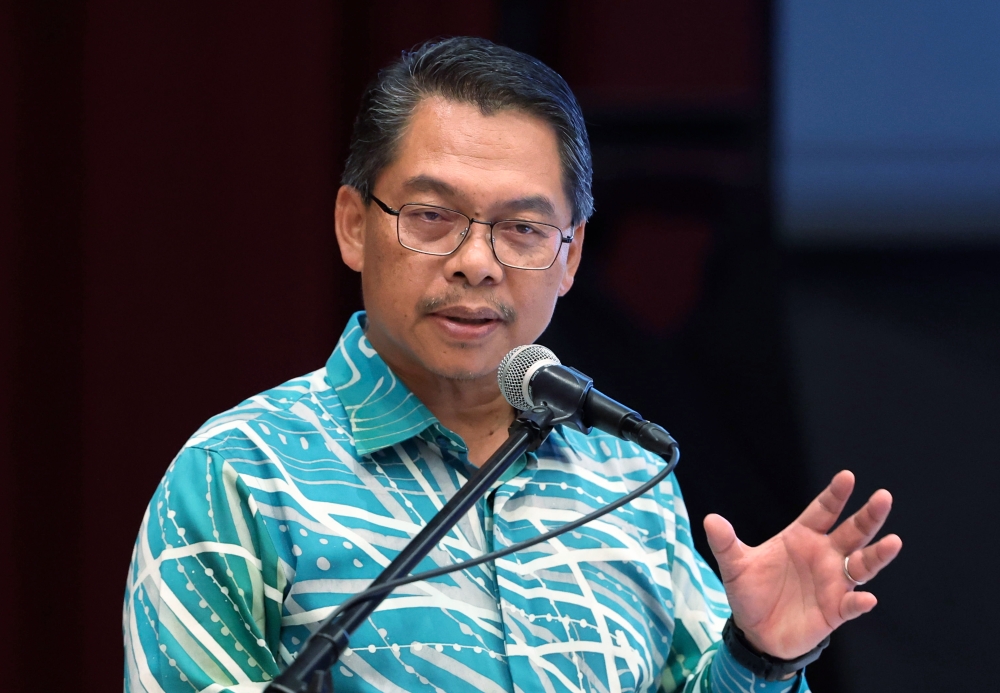
Datuk Mustapha Sakmud, Sabah Pakatan Harapan chairman, has cautioned political parties against leveraging religious sentiments as weapons in political disputes.
He criticized PAS president Tan Sri Abdul Hadi Awang for allegedly associating the Confidence and Supply Agreement (CSA) with "Dajjal," an end-times figure, arguing that this could mislead Muslims in Sabah.
Mustapha emphasized the importance of debating political frameworks like the CSA within democratic principles, without resorting to religious rhetoric, while urging unity and the maintenance of harmony in Sabah's multicultural society.
He called for the rejection of divisive politics that exploit religion for political gain.
KOTA KINABALU, Nov 4 — Sabah Pakatan Harapan chairman Datuk Mustapha Sakmud has reminded political parties not to exploit religious sentiment as a weapon to challenge opponents’ strategies, following remarks linking parliamentary democracy as an institution to an end-times figure.
The Minister in the Prime Minister’s Department (Sabah and Sarawak Affairs) expressed regret over a statement by PAS president Tan Sri Abdul Hadi Awang, who was alleged to have likened the Confidence and Supply Agreement (CSA) approach to “Dajjal” (literally the Deceitful Messiah), stressing that such a label was highly unfamiliar and could confuse Muslims in Sabah.
“When political arguments are no longer sufficient, must end-times terminology be turned into a weapon? The CSA can be debated rationally within the framework of parliamentary democracy without resorting to religious sentiment to discredit those with differing views,” he said in a statement yesterday.
He noted that the CSA approach had previously been adopted when PAS was part of the federal government, raising questions about the rationale for labelling the mechanism negatively.
Mustapha said diversity in religion, ethnicity and cultural backgrounds had long been central to uniting Sabah’s multiracial society and should not be used to fuel animosity.
“For Sabahans, portraying fellow Muslims in such a negative light merely because they hold different political views is alien and unacceptable.
“Religion should unite, not divide, and Sabah does not need to be lectured on unity by those who continue to label one another,” he said.
He therefore called on all Sabahans to uphold the harmony they have long enjoyed and strongly reject divisive political practices that exploit religion for power, while urging all parties to find common ground in safeguarding the people’s well-being. — Bernama
In Dewan Rakyat today: National security, AUKU repeal and misleading badal haj ads among key issues
Save your tears (for the traffic): 130,000 The Weeknd fans set to gridlock Bukit Jalil
Working or retired? Here is what Budget 2027 offers Malaysians over 60
沙巴希望联盟主席拿督穆斯塔法·萨克穆德警告各政党不要利用宗教情绪作为政治争端中的武器。
他批评伊斯兰党主席丹斯里阿卜杜勒·哈迪·阿旺将信任与供应协议(CSA)与末世人物“达贾尔”联系起来,认为这可能会误导沙巴的穆斯林。
穆斯塔法强调,在民主原则框架内辩论像CSA这样的政治框架非常重要,不应诉诸宗教言辞,同时敦促沙巴多元文化社会保持团结与和谐。
他呼吁摒弃利用宗教谋取政治利益的分裂政治。
哥打基纳巴卢,11月4日讯——沙巴希望联盟主席拿督穆斯塔法·萨克穆德提醒各政党不要利用宗教情绪作为武器来挑战对手的策略,此前有人发表言论,将议会民主制度与末世人物联系起来。
首相署部长(沙巴和砂拉越事务)对伊斯兰党主席丹斯里阿卜杜勒·哈迪·阿旺的言论表示遗憾。据称,阿卜杜勒·哈迪·阿旺将信任与供应协议(CSA)比作“达贾尔”(字面意思是“欺骗的弥赛亚”)。部长强调,这样的称呼非常陌生,可能会让沙巴的穆斯林感到困惑。
“当政治论证不再奏效时,难道非要将末世论调当作武器吗?在议会民主的框架内,完全可以理性地讨论《基督教科学箴言报》(CSA),而无需诉诸宗教情感来诋毁持不同意见者,”他昨天在一份声明中说道。
他指出,CSA 方法以前在 PAS 还是联邦政府的一部分时就已采用,这引发了人们对将该机制贴上负面标签的理由的质疑。
穆斯塔法表示,宗教、种族和文化背景的多样性长期以来一直是沙巴多种族社会团结的核心,不应该被用来煽动敌意。
“对于沙巴人来说,仅仅因为政治观点不同就将其他穆斯林描绘成如此负面的形象,是陌生的、不可接受的。
他说:“宗教应该团结人心,而不是分裂人心。沙巴不需要那些不断互相贴标签的人来教训他们如何团结。”
因此,他呼吁所有沙巴人民维护长期以来享有的和谐,强烈反对利用宗教谋取权力的分裂政治行径,同时敦促各方在维护人民福祉方面寻求共识。——马新社
今日下议院议题:国家安全、废除《伊斯兰教法》及误导性朝觐广告等。
省省你的眼泪吧(为了堵车):13万名The Weeknd粉丝将堵塞武吉加里尔路。
在职还是退休?以下是2027年财政预算案为60岁以上马来西亚人提供的福利。