Higher political salaries give 'better chance' of persuading capable Singaporeans to step forward: PM Wong黄循财总理表示,提高政治薪酬能“更好地”说服有能力的的新加坡人挺身而出。
Prime Minister Lawrence Wong says he had personally approached several senior permanent secretaries and private-sector CEOs to join politics before the last General Election – and all of them turned him down.
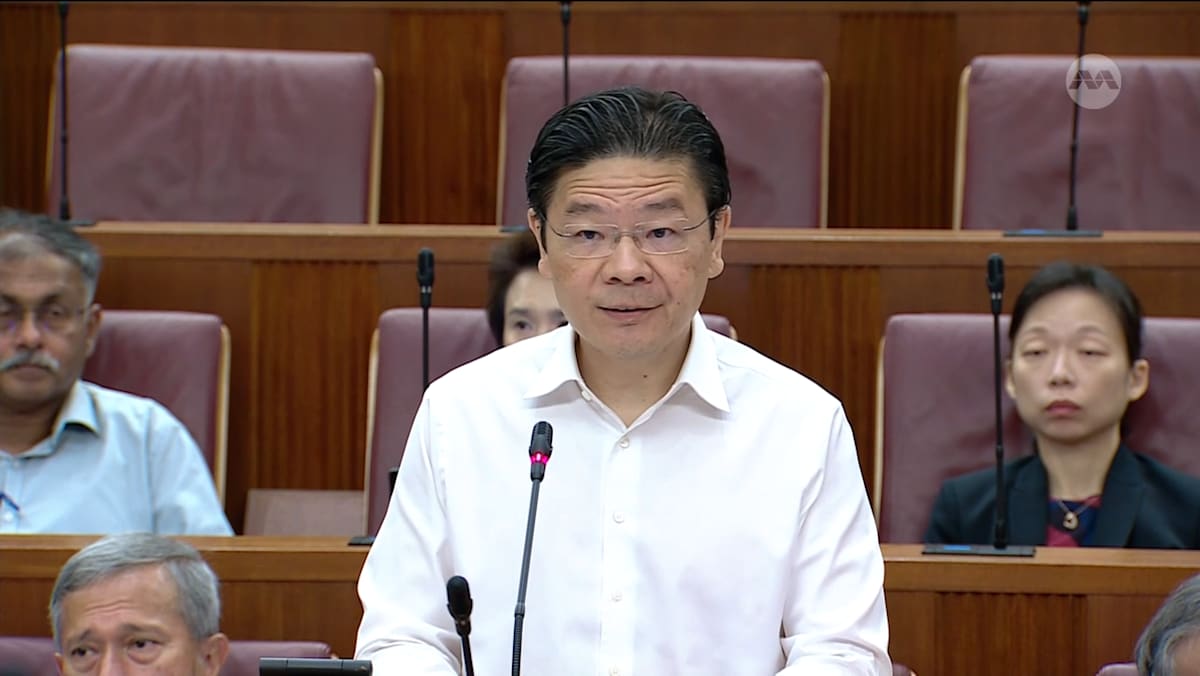
Prime Minister Lawrence Wong says he had personally approached several senior permanent secretaries and private-sector CEOs to join politics before the last General Election – and all of them turned him down.
Prime Minister Lawrence Wong delivering a ministerial statement in parliament on Sep 8, 2026.
This audio is generated by an AI tool.
SINGAPORE: Singapore must raise political salaries to have a "better chance" of persuading capable Singaporeans to step forward, Prime Minister Lawrence Wong said on Tuesday (Sep 8), warning that the gap between political and private-sector pay risks making leadership renewal harder.
Announcing adjustments to ministerial salaries following an independent committee review, Mr Wong told parliament he understood why Singaporeans scrutinise political pay closely, since the sums involved are more than what most citizens earn.
“But we run an open system and believe in being transparent about ministerial salaries. We cannot avoid this issue simply because it is politically difficult,” he said.
The changes would give him and future prime ministers a better chance of building the strongest possible team, added Mr Wong, who is also finance minister.
CNA Games Guess Word Crack the word, one row at a time Buzzword Create words using the given letters Mini Sudoku Tiny puzzle, mighty brain teaser Mini Crossword Small grid, big challenge Word Search Spot as many words as you can Show More Show Less Before the last General Election, he approached several senior permanent secretaries whom he thought had the temperament and potential for political leadership, noting that their experience would let them take on major portfolios quickly. “In the end, none were prepared to make the move. But I was able to bring in younger officers with strong potential and a longer runway ahead of them like Jeffrey Siow, David Neo and Jasmin Lau,” he said. On leadership transition, Mr Wong said Senior Minister Lee Hsien Loong had hoped to hand over the premiership earlier, but unexpected setbacks intervened, including former Deputy Prime Minister Heng Swee Keat's stroke and the COVID-19 pandemic. Taking over as prime minister, he was conscious that renewal was pressing, he said. “And the reduction in political salaries in 2012, followed by 15 years without adjustments to the benchmark, did not make the task any easier.” Cabinet's three most senior members, he noted, are Deputy Prime Minister Gan Kim Yong, Home Affairs Minister K Shanmugam and Foreign Affairs Minister Vivian Balakrishnan, all of whom head key ministries and will be 70 and above by the next term of government. “We should not plan on the basis that they will continue helming these ministries then. For the good of the team, and for the strength of our institutions, we need the next generation to take over,” Mr Wong said, adding that all three ministers had pressed him to put succession plans in place. Ready-made replacements for ministers at their level are very difficult to find, he said, adding that he faces the same challenge in finding a successor at the Ministry of Finance. Recruiting from the public service is becoming harder still, he said, and the challenge is even greater in the private sector. RECRUITING FROM PRIVATE SECTOR When ministerial salaries were first raised in 1970, then-Prime Minister Lee Kuan Yew told parliament one reason was to enable him to appoint Hon Sui Sen, then head of the Development Bank of Singapore, as finance minister. Bringing in people with substantial private-sector experience has since grown harder, Mr Wong said. “That matters because we cannot build our political leadership from the public service alone. I want people in Cabinet who have spent substantial parts of their careers in business or other professional fields, especially in running large organisations and overseeing complex systems,” he added. Such candidates typically include CEOs of major listed Singapore companies in banking, telecommunications, aviation, engineering and other sectors, as well as people on track for similar roles, Mr Wong said. Their pay can run to several million dollars a year – still well above the revised political salaries, he said. “We are not trying to match what they earn. We never will. But when we approach people of that calibre, we cannot pretend that the opportunity cost does not exist,” said Mr Wong. Before the last General Election, he also spoke to several CEOs and senior business leaders earning several times a minister's salary whom he thought could make a real contribution. None cited pay directly as their reason for declining, he said, but that does not mean remuneration is irrelevant. Like the permanent secretaries, none were prepared to make the move. From their point of view, these individuals had spent years building successful careers, he said. “We are asking them to walk away from that. To take a substantial reduction in income, to contest an election with no certainty of success and to start again in a completely new environment.” The sacrifice extends beyond finances, Mr Wong added, noting that political life places real demands on families. No salary adjustment can compensate for that, nor is it meant to. “The purpose of remuneration is much more modest: to ensure that on top of all these other sacrifices, we do not make the financial hurdle unnecessarily high.” This, he said, is the issue confronting parliament in the debate on revising political salaries. “It’s not simply about what we pay ministers today. It’s about whether future prime ministers will continue to have a realistic chance of persuading capable Singaporeans, from the public service, the private sector and other walks of life, persuade them to step forward and build a first-rate team to serve Singapore and Singaporeans.” POLITICAL LEADERSHIP MATTERS In the last debate on political salaries in 2012, the People's Action Party (PAP) and the Workers' Party (WP) proposed different formulas but the resulting salary levels were broadly in the same range, Mr Wong said. Both sides also agreed that political salaries should be transparent and competitive enough to recruit people of the necessary calibre, while reflecting a substantial discount for public service. Since then, the government has repeatedly held back on adjustments: an independent review committee recommended an increase in 2017, which the government did not act on, and a further review scheduled for 2023 was deferred. This is why the salary norms for political officeholders have not changed for 15 years, even as private-sector, civil service and judicial salaries moved upwards, said Mr Wong. Ministerial pay has fallen further behind as a result, he said. While the gap is most obvious when compared with the private sector, even some senior permanent secretaries now earn more than ministers. There were good reasons for holding back each time, Mr Wong said. "It would have been easier politically for me to leave things as they are. But that would not be the right thing to do." Some might argue that Singapore's first-rate civil service could keep the system running regardless, he said, but a strong civil service is no substitute for effective political leadership – and the quality of political leadership affects the civil service in turn. Ministers need character – integrity, values and commitment to serve – as well as competence, which is where remuneration becomes relevant, Mr Wong said. “It does not determine who is capable. But it does affect whether enough capable people are prepared to step forward and take on the responsibility.” Governments elsewhere often know what needs to be done but defer difficult decisions because of the immediate political cost, he said. Singapore has less room to do so, given its size and lack of natural advantages. The country has a strong team of ministers able to exercise judgment, hold their own and earn public trust, Mr Wong said, but such people are not easy to find. Building and renewing a strong political team therefore takes sustained effort, he said, and the system must keep giving future prime ministers the best possible chance of assembling one. SINGAPORE’S SYSTEM Building and renewing political leadership is not a challenge unique to Singapore, Mr Wong said. Because political salaries are highly sensitive, many systems keep official pay low while allowing other benefits and privileges to accumulate. Politicians elsewhere may supplement their income through outside interests or receive larger rewards after leaving office. "So the headline salary may look modest, but the overall picture is much more complicated," he said. Even so, many countries with larger talent pools still struggle to attract the people they need or form stable governments, Mr Wong said. Singapore has been an exception, held up as a model of effective government. "We have sustained these standards for so long that they can start to feel normal to Singaporeans. But they are not normal elsewhere, and they are certainly not guaranteed here either." Singapore achieved this through deliberate choices, including dealing with political remuneration openly, he said. The country recognises that highly able people have alternatives outside politics. "So we pay political officeholders salaries that are competitive, but with a substantial discount to reflect political service." In return, Singaporeans rightly expect a great deal from their political leaders – an expectation that extends to Members of Parliament, Mr Wong said. “If we want our political system to remain effective, we cannot allow its basic terms of service to drift further and further away from reality,” he said. “That applies to MPs' allowances. It applies even more importantly to political officeholder salaries.”
Before the last General Election, he approached several senior permanent secretaries whom he thought had the temperament and potential for political leadership, noting that their experience would let them take on major portfolios quickly.
“In the end, none were prepared to make the move. But I was able to bring in younger officers with strong potential and a longer runway ahead of them like Jeffrey Siow, David Neo and Jasmin Lau,” he said.
On leadership transition, Mr Wong said Senior Minister Lee Hsien Loong had hoped to hand over the premiership earlier, but unexpected setbacks intervened, including former Deputy Prime Minister Heng Swee Keat's stroke and the COVID-19 pandemic.
Taking over as prime minister, he was conscious that renewal was pressing, he said. “And the reduction in political salaries in 2012, followed by 15 years without adjustments to the benchmark, did not make the task any easier.”
Cabinet's three most senior members, he noted, are Deputy Prime Minister Gan Kim Yong, Home Affairs Minister K Shanmugam and Foreign Affairs Minister Vivian Balakrishnan, all of whom head key ministries and will be 70 and above by the next term of government.
“We should not plan on the basis that they will continue helming these ministries then. For the good of the team, and for the strength of our institutions, we need the next generation to take over,” Mr Wong said, adding that all three ministers had pressed him to put succession plans in place.
Ready-made replacements for ministers at their level are very difficult to find, he said, adding that he faces the same challenge in finding a successor at the Ministry of Finance.
Recruiting from the public service is becoming harder still, he said, and the challenge is even greater in the private sector.
RECRUITING FROM PRIVATE SECTOR
When ministerial salaries were first raised in 1970, then-Prime Minister Lee Kuan Yew told parliament one reason was to enable him to appoint Hon Sui Sen, then head of the Development Bank of Singapore, as finance minister.
Bringing in people with substantial private-sector experience has since grown harder, Mr Wong said.
“That matters because we cannot build our political leadership from the public service alone. I want people in Cabinet who have spent substantial parts of their careers in business or other professional fields, especially in running large organisations and overseeing complex systems,” he added.
Such candidates typically include CEOs of major listed Singapore companies in banking, telecommunications, aviation, engineering and other sectors, as well as people on track for similar roles, Mr Wong said.
Their pay can run to several million dollars a year – still well above the revised political salaries, he said.
“We are not trying to match what they earn. We never will. But when we approach people of that calibre, we cannot pretend that the opportunity cost does not exist,” said Mr Wong.
Before the last General Election, he also spoke to several CEOs and senior business leaders earning several times a minister's salary whom he thought could make a real contribution.
None cited pay directly as their reason for declining, he said, but that does not mean remuneration is irrelevant. Like the permanent secretaries, none were prepared to make the move.
From their point of view, these individuals had spent years building successful careers, he said. “We are asking them to walk away from that. To take a substantial reduction in income, to contest an election with no certainty of success and to start again in a completely new environment.”
The sacrifice extends beyond finances, Mr Wong added, noting that political life places real demands on families. No salary adjustment can compensate for that, nor is it meant to.
“The purpose of remuneration is much more modest: to ensure that on top of all these other sacrifices, we do not make the financial hurdle unnecessarily high.”
This, he said, is the issue confronting parliament in the debate on revising political salaries.
“It’s not simply about what we pay ministers today. It’s about whether future prime ministers will continue to have a realistic chance of persuading capable Singaporeans, from the public service, the private sector and other walks of life, persuade them to step forward and build a first-rate team to serve Singapore and Singaporeans.”
POLITICAL LEADERSHIP MATTERS
In the last debate on political salaries in 2012, the People's Action Party (PAP) and the Workers' Party (WP) proposed different formulas but the resulting salary levels were broadly in the same range, Mr Wong said.
Both sides also agreed that political salaries should be transparent and competitive enough to recruit people of the necessary calibre, while reflecting a substantial discount for public service.
Since then, the government has repeatedly held back on adjustments: an independent review committee recommended an increase in 2017, which the government did not act on, and a further review scheduled for 2023 was deferred.
This is why the salary norms for political officeholders have not changed for 15 years, even as private-sector, civil service and judicial salaries moved upwards, said Mr Wong.
Ministerial pay has fallen further behind as a result, he said. While the gap is most obvious when compared with the private sector, even some senior permanent secretaries now earn more than ministers.
There were good reasons for holding back each time, Mr Wong said. "It would have been easier politically for me to leave things as they are. But that would not be the right thing to do."
Some might argue that Singapore's first-rate civil service could keep the system running regardless, he said, but a strong civil service is no substitute for effective political leadership – and the quality of political leadership affects the civil service in turn.
Ministers need character – integrity, values and commitment to serve – as well as competence, which is where remuneration becomes relevant, Mr Wong said.
“It does not determine who is capable. But it does affect whether enough capable people are prepared to step forward and take on the responsibility.”
Governments elsewhere often know what needs to be done but defer difficult decisions because of the immediate political cost, he said. Singapore has less room to do so, given its size and lack of natural advantages.
The country has a strong team of ministers able to exercise judgment, hold their own and earn public trust, Mr Wong said, but such people are not easy to find.
Building and renewing a strong political team therefore takes sustained effort, he said, and the system must keep giving future prime ministers the best possible chance of assembling one.
Building and renewing political leadership is not a challenge unique to Singapore, Mr Wong said.
Because political salaries are highly sensitive, many systems keep official pay low while allowing other benefits and privileges to accumulate. Politicians elsewhere may supplement their income through outside interests or receive larger rewards after leaving office. "So the headline salary may look modest, but the overall picture is much more complicated," he said.
Even so, many countries with larger talent pools still struggle to attract the people they need or form stable governments, Mr Wong said.
Singapore has been an exception, held up as a model of effective government. "We have sustained these standards for so long that they can start to feel normal to Singaporeans. But they are not normal elsewhere, and they are certainly not guaranteed here either."
Singapore achieved this through deliberate choices, including dealing with political remuneration openly, he said.
The country recognises that highly able people have alternatives outside politics. "So we pay political officeholders salaries that are competitive, but with a substantial discount to reflect political service."
In return, Singaporeans rightly expect a great deal from their political leaders – an expectation that extends to Members of Parliament, Mr Wong said.
“If we want our political system to remain effective, we cannot allow its basic terms of service to drift further and further away from reality,” he said. “That applies to MPs' allowances. It applies even more importantly to political officeholder salaries.”
Get our pick of top stories and thought-provoking articles in your inbox
Stay updated with notifications for breaking news and our best stories
Join our channel for the top reads for the day on your preferred chat app
总理黄循财表示,在上届大选前,他曾亲自接触过几位高级常任秘书和私营企业首席执行官,邀请他们从政,但都被拒绝了。
2026年9月8日,总理黄循财在国会发表部长声明。
这段音频由人工智能工具生成。
新加坡:新加坡总理黄循财周二(9月8日)表示,新加坡必须提高政治人物的薪酬,才能“更好地”说服有能力的新加坡人挺身而出。他警告说,政治人物和私营部门薪酬之间的差距可能会使领导层更迭更加困难。
黄循财先生在宣布对部长薪酬进行调整时告诉国会,他理解新加坡人为何密切关注政治薪酬,因为涉及的金额比大多数公民的收入要高。
“但我们实行的是公开透明的制度,我们相信部长薪酬应该公开透明。我们不能仅仅因为这个问题在政治上难以解决就回避它,”他说。
黄之锋补充说,这些改变将使他和未来的总理们更有机会组建最强大的团队。黄之锋同时也是财政部长。
CNA游戏 猜词游戏 逐行破解单词 流行词游戏 用给定的字母组成单词 迷你数独 小谜题,脑力挑战 迷你填字游戏 小方格,大挑战 单词搜索 尽可能多地找出单词 显示更多 显示更少 在上届大选前,他接触了几位他认为具备政治领导气质和潜力的资深常任秘书,并指出他们的经验可以让他们迅速承担重要职务。“最终,没有人愿意做出这样的决定。但我能够引入一些年轻有潜力、前途更广阔的官员,比如萧正祥、梁振英和刘嘉敏,”他说。关于领导层交接,黄先生表示,李显龙国务资政原本希望更早交出总理职位,但一些意想不到的挫折阻碍了这一进程,包括前副总理王瑞杰中风和新冠疫情。他说,接任总理后,他意识到改革迫在眉睫。 “2012年政治人物薪酬下调,此后15年间基准薪酬未作调整,这无疑让这项工作更加艰难。”他指出,内阁三位资深成员分别是副总理颜金勇、内政部长尚穆根和外交部长维文·巴拉克里希南,他们都领导着关键部门,到下届政府任期结束时都将年满70岁。“我们不应想当然地认为他们届时会继续执掌这些部门。为了团队的利益,也为了我们机构的稳固,我们需要下一代接班。”黄先生说道。他还补充说,这三位部长都曾敦促他制定继任计划。他表示,要找到与他们级别相符的合适人选非常困难,并补充说,他在财政部寻找继任者时也面临着同样的挑战。他指出,从公共部门招聘人才变得越来越难,而在私营部门,这一挑战则更为严峻。从私营部门招募人才 黄先生表示,1970年部长薪酬首次上调时,时任总理李光耀在国会表示,其中一个原因是为了让他能够任命时任新加坡发展银行行长韩瑞生担任财政部长。此后,招募拥有丰富私营部门经验的人才变得越来越困难。“这一点至关重要,因为我们不能仅仅依靠公务员来培养政治领导人。我希望内阁成员在商业或其他专业领域,尤其是在运营大型机构和监督复杂系统方面,拥有丰富的经验,”他补充道。黄先生指出,这类候选人通常包括新加坡主要上市公司的首席执行官,涉及银行、电信、航空、工程等行业,以及有望担任类似职务的人员。他们的年薪可达数百万美元——仍然远高于修订后的政治薪酬。 “我们并非要与他们的收入持平,也永远不会。但当我们接触到这些杰出人才时,我们不能假装机会成本不存在,”黄先生说道。在上届大选前,他也曾与几位首席执行官和高级商界领袖交谈,他们的收入是部长薪水的数倍,他认为这些人能够做出真正的贡献。他说,没有人直接将薪酬作为拒绝的理由,但这并不意味着薪酬无关紧要。与常任秘书们一样,他们也都不愿意做出这样的改变。黄先生说,在他们看来,这些人花了多年时间才建立起成功的事业。“我们要求他们放弃这一切,大幅减少收入,参加一场胜负未定的选举,并在一个全新的环境中重新开始。”黄先生补充说,这种牺牲不仅仅体现在经济方面,他还指出,政治生活对家庭有着实实在在的压力。任何薪酬调整都无法弥补这一点,也并非旨在弥补。 “薪酬的目的其实更为务实:确保在各方做出其他牺牲的同时,我们不会人为地增加财政负担。”他表示,这正是国会在讨论修订政治薪酬时面临的问题。“这不仅仅关乎我们今天支付给部长们的薪酬,更关乎未来的总理是否还有现实的机会,说服来自公共服务部门、私营部门和其他各行各业的优秀新加坡人挺身而出,组建一支一流的团队,为新加坡和新加坡人民服务。”政治领导力至关重要。黄先生表示,在2012年上次关于政治薪酬的辩论中,人民行动党(PAP)和工人党(WP)提出了不同的方案,但最终的薪酬水平大致相同。双方也一致认为,政治薪酬应该透明且具有足够的竞争力,以便吸引到所需人才,同时也要体现出对公共服务的显著优惠。自那以后,政府屡次搁置薪酬调整:一个独立审查委员会在2017年建议提高薪酬,但政府并未采纳;原定于2023年进行的进一步审查也被推迟。黄先生表示,正因如此,尽管私营部门、公务员和司法部门的薪酬都在上涨,但政治官员的薪酬标准却15年来未曾改变。他指出,部长级薪酬因此进一步落后。虽然与私营部门相比差距最为明显,但如今甚至一些高级常任秘书的收入也超过了部长。黄先生表示,每次搁置调整都有其合理理由。“从政治角度来看,维持现状对我来说更容易。但这并非正确的做法。”他指出,有人可能会认为,新加坡一流的公务员队伍足以维持体制运转,但强大的公务员队伍并不能取代高效的政治领导——而政治领导的质量反过来也会影响公务员队伍。黄先生表示,部长们需要具备品格——正直、价值观和服务精神——以及能力,而薪酬正是在这方面发挥作用。“薪酬并不能决定谁有能力,但它确实会影响是否有足够多的优秀人才愿意挺身而出承担责任。”他指出,其他国家的政府往往知道需要做什么,但由于短期内的政治代价,往往会推迟做出艰难的决定。鉴于新加坡的国土面积和缺乏自然优势,新加坡在这方面回旋余地较小。黄先生说,新加坡拥有一支强大的部长团队,他们能够做出判断、独当一面并赢得公众信任,但这样的人才并不容易找到。因此,他表示,建立和更新一支强大的政治团队需要持续的努力,而且体制必须不断为未来的总理提供组建团队的最佳机会。新加坡的体制 黄先生说,建立和更新政治领导层并非新加坡独有的挑战。由于政治薪酬高度敏感,许多体制都保持官员薪酬较低,同时允许其他福利和特权的积累。其他地方的政治人物可能会通过其他兴趣爱好来增加收入,或者在卸任后获得更高的回报。“所以,表面上的薪酬可能看起来不高,但实际情况要复杂得多,”他说道。黄先生表示,即便如此,许多拥有更丰富人才储备的国家仍然难以吸引所需人才或组建稳定的政府。新加坡则是一个例外,被誉为高效政府的典范。“我们长期以来一直坚持这些标准,以至于新加坡人已经习以为常。但在其他地方,这些标准并不常见,而且在新加坡也并非必然如此。”他表示,新加坡之所以能做到这一点,是经过深思熟虑的选择,包括公开透明地处理政治薪酬问题。新加坡认识到,优秀人才在政界之外还有其他选择。“因此,我们向政治官员支付具有竞争力的薪酬,但会根据其政治服务情况给予相当大的折扣。”作为回报,新加坡人理所当然地对他们的政治领导人抱有很高的期望——这种期望也适用于国会议员,黄先生说道。“如果我们希望我们的政治体制保持高效,就不能允许其基本服务条款与现实渐行渐远,”他说道。 “这适用于议员的津贴。更重要的是,它适用于政治官员的薪金。”
在上届大选之前,他接触了几位他认为具备政治领导气质和潜力的资深常任秘书,并指出他们的经验可以让他们迅速承担重要职务。
“最终,没有人愿意做出这样的决定。但我能够引进一些年轻有潜力、前途更广阔的警官,比如萧杰弗里、梁大卫和刘嘉敏,”他说。
关于领导层交接,黄先生表示,高级部长李显龙原本希望更早交出总理职位,但一些意想不到的挫折阻碍了这一进程,包括前副总理王瑞杰中风和新冠肺炎疫情。
他说,就任总理后,他意识到改革迫在眉睫。“2012年政治人物薪酬削减,以及随后15年薪酬基准没有调整,都让这项任务变得更加困难。”
他指出,内阁中最资深的三位成员分别是副总理颜金勇、内政部长尚穆根和外交部长维文·巴拉克里希南,他们都领导着重要的部门,到下一届政府任期结束时都将年满70岁。
黄先生表示:“我们不应该基于他们会继续领导这些部门的前提来制定计划。为了团队的利益,也为了我们机构的实力,我们需要下一代接班。”他还补充说,这三位部长都曾敦促他制定继任计划。
他表示,要找到与他们级别相当的合适人选非常困难,并补充说,他在财政部寻找继任者时也面临着同样的挑战。
他表示,从公共部门招聘人才变得越来越难,而私营部门面临的挑战则更大。
从私营部门招聘
1970 年首次提高部长薪金时,时任总理李光耀告诉国会,其中一个原因是使他能够任命时任新加坡发展银行行长韩瑞生为财政部长。
黄先生表示,如今引进具有丰富私营部门经验的人才变得越来越难。
“这一点很重要,因为我们不能只依靠公务员来培养政治领导人。我希望内阁成员中有人曾在商业或其他专业领域工作过很长时间,尤其是在运营大型组织和监督复杂系统方面,”他补充道。
黄先生表示,这类候选人通常包括新加坡主要上市公司的首席执行官,这些公司涵盖银行、电信、航空、工程和其他行业,以及有望担任类似职位的人员。
他说,他们的年薪可达数百万美元——仍然远高于修订后的政治薪酬。
“我们并非试图与他们的收入持平,也永远不会这样做。但当我们接触到这种级别的人才时,我们不能假装机会成本不存在,”黄先生说。
在上届大选前,他还与几位首席执行官和高级商业领袖进行了交谈,他们的收入是部长薪水的数倍,他认为这些人可以做出真正的贡献。
他说,没有人直接以薪酬作为拒绝的理由,但这并不意味着薪酬无关紧要。和常任秘书们一样,他们也都不愿意做出这样的改变。
他说,从他们的角度来看,这些人花了多年时间才建立起成功的事业。“我们却要求他们放弃这一切,大幅减少收入,参加一场胜负未定的选举,并在一个全新的环境中重新开始。”
黄先生补充说,这种牺牲不仅限于经济方面,政治生涯对家庭提出了很高的要求。任何薪资调整都无法弥补这一点,也并非旨在弥补。
“薪酬的目的要温和得多:是为了确保在做出所有这些其他牺牲之后,我们不会不必要地抬高经济门槛。”
他说,这就是议会在讨论修订政治薪酬问题时面临的问题。
“这不仅仅关乎我们今天给部长们支付多少薪水。而是关乎未来的总理是否还有现实的机会去说服来自公共服务部门、私营部门和其他各行各业的优秀新加坡人挺身而出,组建一支一流的团队来服务新加坡和新加坡人民。”
政治领导力至关重要
黄先生表示,在2012年上次关于政治薪酬的辩论中,人民行动党(PAP)和工人党(WP)提出了不同的计算公式,但最终的薪酬水平大致在同一范围内。
双方还一致认为,政治人物的薪酬应该透明且具有足够的竞争力,以便吸引到所需素质的人才,同时要体现出对公共服务的实质性折扣。
此后,政府一再推迟调整:一个独立审查委员会在 2017 年建议增加,但政府没有采取行动,原定于 2023 年进行的进一步审查也被推迟。
黄先生表示,这就是为什么政治官员的薪酬标准15年来没有改变,而私营部门、公务员和司法部门的薪酬却不断上涨的原因。
他表示,部长级官员的薪酬因此进一步落后于其他部门。虽然与私营部门相比,这种差距最为明显,但如今甚至一些高级常任秘书的收入也高于部长。
黄先生表示,每次选择按兵不动都有其充分的理由。“从政治角度来看,维持现状对我来说更容易。但这并非正确的做法。”
他表示,有些人可能会认为新加坡一流的公务员队伍可以维持体制的正常运转,但强大的公务员队伍并不能取代有效的政治领导——而政治领导的质量反过来又会影响公务员队伍。
黄先生表示,部长们需要具备品格——正直、价值观和服务精神——以及能力,而薪酬正是在这方面发挥作用。
“这并不能决定谁有能力,但它确实会影响是否有足够多有能力的人愿意站出来承担责任。”
他表示,其他国家的政府往往知道应该做什么,但由于眼前的政治代价,往往会推迟做出艰难的决定。鉴于新加坡的国土面积和缺乏自然优势,在这方面回旋余地较小。
黄先生表示,该国拥有一支强大的部长团队,他们能够做出判断、坚持原则并赢得公众信任,但这样的人才并不容易找到。
他表示,因此,建立和更新一支强大的政治团队需要持续的努力,而且体制必须继续为未来的总理提供组建这样一支团队的最佳机会。
黄先生表示,建设和更新政治领导层并非新加坡独有的挑战。
由于政治人物的薪酬高度敏感,许多制度下,官员薪酬保持在较低水平,但允许其他福利和特权不断累积。其他地方的政治人物可能通过外部利益来增加收入,或者在卸任后获得更高的回报。“因此,表面上的薪酬可能看起来很低,但实际情况要复杂得多,”他说道。
黄先生表示,即便如此,许多拥有更庞大人才库的国家仍然难以吸引所需人才或组建稳定的政府。
新加坡一直是个例外,被誉为高效政府的典范。“我们长期以来一直坚持这些标准,以至于新加坡人开始觉得理所当然。但在其他地方,这些标准并不正常,而且即使在新加坡,这些标准也绝非必然。”
他说,新加坡是通过深思熟虑的选择实现这一目标的,其中包括公开处理政治报酬问题。
国家认识到,能力出众的人在政界之外还有其他选择。“因此,我们向政治官员支付具有竞争力的薪酬,但会给予相当大的折扣,以体现他们的政治服务。”
黄先生表示,作为回报,新加坡人理所当然地对他们的政治领导人抱有很高的期望——这种期望也延伸到了国会议员身上。
他说:“如果我们希望政治体制保持有效,就不能允许其基本服务条款越来越脱离现实。这不仅适用于议员津贴,更重要的是,也适用于政治官员的薪酬。”
订阅我们的邮件,即可获取精选热门新闻和引人深思的文章。
订阅通知,第一时间获取突发新闻和精彩报道。
加入我们的频道,即可在您常用的聊天应用上获取当日热门文章。