Funding for Singapore’s first Islamic college will not come at expense of other needs: Zaqy扎基表示,新加坡首所伊斯兰学院的建设资金不会以牺牲其他需求为代价。
Muis will balance its support for the college against the needs of mosques, madrasahs, religious education and lower-income families. Read more at straitstimes.com.
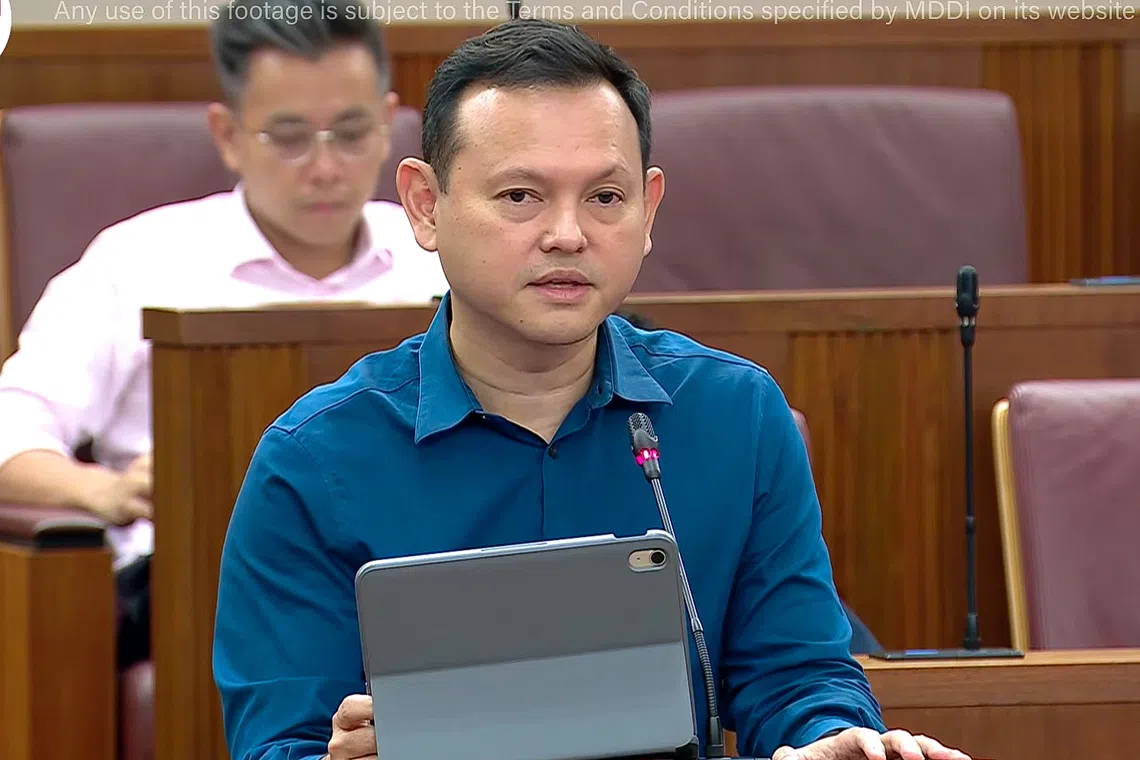
Acting Minister-in-charge of Muslim Affairs Zaqy Mohamad said on Nov 4 that Muis will continue to balance its support for SCIS against the needs of mosques, madrasahs, religious education and lower-income families.
Published Nov 04, 2026, 07:00 PM
Updated Nov 04, 2026, 07:00 PM
SCIS will not take funds from other Muslim needs, Zaqy said. Muis will balance support for the college with mosques, madrasahs, religious education and low-income families.
MPs asked for clear rules on zakat and MBMF use. Zaqy said spending will follow Muslim law, be shown in annual reports, and SCIS must also raise funds and sponsorships.
The Syariah Court is adding faster safeguards for child abduction and divorce cases. It can speed up urgent hearings, use more evidence in fasakh cases, and keep child contact with parents.
Follow our live coverage here.
SINGAPORE – The setting up of Singapore’s first Islamic college will not come at the expense of other needs in the Muslim community, even if community funds such as zakat and the Mosque Building and Mendaki Fund (MBMF) are used to support it.
Acting Minister-in-charge of Muslim Affairs Zaqy Mohamad said on Nov 4 that Muis will continue to balance its support for the Singapore College of Islamic Studies (SCIS) against the needs of mosques, madrasahs, religious education and lower-income families.
The college will take in its first students in 2028.
“SCIS is an important investment in our future. But it must not come at the expense of these responsibilities,” he said during the debate on proposed amendments to the Administration of Muslim Law Act.
Muis will not allocate a disproportionate amount of community resources to the college, he added.
Four MPs including Saktiandi Supaat (Bishan-Toa Payoh GRC) and Abdul Muhaimin Abdul Malik (Sengkang GRC) raised questions about how community funds would be used for SCIS, including whether there would be limits on the amounts drawn and how these would be accounted for.
Zaqy said community funds for SCIS would be used according to Muslim law and their intended purposes.
The MBMF will continue to support mosques, religious education and Mendaki, while Muis’ disbursement of community funds is reflected in its annual report and financial statements submitted to Parliament, he added.
The Government has committed significant funding to the non-religious components of SCIS, including campus infrastructure, but the college will also have to raise funds and seek sponsorships to sustain itself in the longer term, he said.
SCIS is expected to begin with 60 students, before gradually growing to 120 students a year.
The college is in discussions with government agencies and other organisations to understand sector needs and explore student attachments and internships.
It will also explore opportunities for its students and graduates in sectors such as law, finance and technology.
Safeguards for children and divorcing families
Separately, the Syariah Court is reviewing how it can hear emergency cases promptly, taking reference from arrangements for civil cases, when there is a risk of a child being taken overseas amid Muslim divorce and custody cases.
It is also in discussions with the Immigration and Checkpoints Authority (ICA) on how to handle such high-risk cases, Zaqy said.
The proposed changes in the amended bill will strengthen the Syariah Court’s powers to prevent a child from being taken overseas, or to permit relocation subject to conditions.
Where relocation is allowed, the court may impose conditions to preserve contact between the child and the parent remaining here.
Several MPs, including Yip Hon Weng (Yio Chu Kang) and Valerie Lee (Pasir Ris-Changi GRC), asked how these powers would work in urgent situations.
Yip called for an expedited process, including outside normal court hours, when there was a credible risk of a child being taken abroad.
“A child protection order must move at the speed of the risk,” he said.
Zaqy said high-risk cases would have their court hearings expedited, with the court screening cases early for potential safety risks to children, for insta nce.
If a child has already been taken overseas in breach of custody rights, a parent may seek the child’s return under the Hague Convention on the Civil Aspects of International Child Abduction, where it applies.
If the country is not part of the convention, MSF will still assist parents where possible, including by advising them on the foreign country’s processes and seeking the help of authorities there.
The amendments will also give the Syariah Court greater discretion to dispense with certain procedural requirements in Muslim divorce cases.
In talak tafwidh cases, where a husband has delegated the pronouncement of divorce to his wife, the court may decide that marital conciliators, known as hakam, are no longer needed if both parties agree to the divorce.
For fasakh cases, where a marriage is dissolved by the court on recognised grounds, judges may also dispense with the requirement for two sworn witnesses if sufficient alternative evidence is available .
Mariam Jaafar (Sembawang GRC) said this was particularly relevant i n cases involving abuse.
“Cruelty and intimidation rarely happen in front of witnesses, they often happen behind closed doors,” she said, asking how the court would assess other evidence while ensuring both parties receive a fair hearing.
Zaqy said the substantive religious requirements for divorce would not change, and the Syariah Court must still be satisfied that the relevant grounds under Muslim law have been established.
For fasakh cases, evidence such as police reports, personal protection orders, medical records and financial statements could be considered in place of witness testimony.
Where there are signs of coercion, intimidation or family violence, including situations where one party is giving up significant financial claims, the court will consider these concerns before deciding how to proceed.
Zaqy said removing procedural steps in divorce cases does not “diminish efforts to preserve marriages where possible”.
Syarafana Shafeeq is a social affairs journalist at The Straits Times.
Singapore Parliament
负责穆斯林事务的代理部长扎基·穆罕默德于11月4日表示,穆斯林理事会将继续在支持伊斯兰教义学校与满足清真寺、伊斯兰学校、宗教教育和低收入家庭的需求之间取得平衡。
发布于2026年11月4日晚上7点
更新于2026年11月4日晚上7点
扎基表示,SCIS不会挪用其他穆斯林需求的资金。穆斯林教育协会(Muis)将平衡对学院、清真寺、伊斯兰学校、宗教教育和低收入家庭的支持。
议员们要求制定关于天课和穆斯林慈善基金使用的明确规则。扎基表示,支出将遵循伊斯兰教法,并在年度报告中予以披露,而且SCIS还必须筹集资金和赞助。
伊斯兰教法庭正在为儿童绑架和离婚案件增加更快捷的保障措施。它可以加快紧急审理速度,在离婚案件中采用更多证据,并保障儿童与父母的联系。
请点击此处关注我们的实时报道。
新加坡——新加坡第一所伊斯兰学院的建立不会以牺牲穆斯林社区的其他需求为代价,即使动用了诸如天课和清真寺建设及门达基基金(MBMF)等社区资金来支持它。
负责穆斯林事务的代理部长扎基·穆罕默德于11月4日表示,新加坡伊斯兰研究理事会(MUIS)将继续在支持新加坡伊斯兰研究学院(SCIS)与清真寺、伊斯兰学校、宗教教育和低收入家庭的需求之间取得平衡。
该学院将于 2028 年招收第一批学生。
“SCIS是对我们未来的一项重要投资。但这绝不能以牺牲这些责任为代价,”他在就拟议的《穆斯林法律管理法》修正案进行辩论时说道。
他还补充说,穆伊斯不会将不成比例的社区资源分配给这所学院。
包括 Saktiandi Supaat(碧山-大巴窑集选区)和 Abdul Muhaimin Abdul Malik(盛港集选区)在内的四位国会议员对社区资金将如何使用SCIS提出了疑问,包括是否会对提取的金额设定限制以及如何对这些金额进行核算。
Zaqy表示,SCIS的社区资金将按照伊斯兰教法及其既定用途使用。
他补充说,穆斯林兄弟会基金会将继续支持清真寺、宗教教育和穆斯林青年组织,而穆斯林理事会向议会提交的年度报告和财务报表则反映了社区资金的拨付情况。
他说,政府已承诺为SCIS的非宗教部分提供大量资金,包括校园基础设施,但该学院也必须筹集资金并寻求赞助,才能在长期内维持自身发展。
SCIS预计最初招收60名学生,然后逐步发展到每年120名学生。
学院正在与政府机构和其他组织进行讨论,以了解行业需求,并探索学生实习和见习的机会。
它还将探索学生和毕业生在法律、金融和科技等领域的发展机会。
对儿童和离婚家庭的保障
另外,伊斯兰教法庭正在参考民事案件的安排,审查如何迅速审理紧急案件,以应对穆斯林离婚和监护权案件中儿童可能被带到国外的情况。
Zaqy表示,他们也在与移民与关卡局(ICA)讨论如何处理此类高风险案件。
修订后的法案中提出的修改将加强伊斯兰教法庭的权力,以防止儿童被带到国外,或允许在有条件的情况下进行搬迁。
如果允许搬迁,法院可以附加条件以维持子女与留守父母之间的联系。
包括叶汉荣(义顺集选区)和李慧玲(白沙樟宜集选区)在内的几位国会议员询问,在紧急情况下,这些权力将如何运作。
叶先生呼吁加快审理程序,包括在正常庭审时间之外进行审理,以应对儿童可能被带到国外的风险。
他说:“儿童保护令的执行速度必须与风险的程度相匹配。”
Zaqy表示,高风险案件的庭审将加快进行,法院会尽早对案件进行筛选,以确定是否存在对儿童的潜在安全风险。
如果儿童已被带到国外,违反了监护权,父母可以根据《海牙国际儿童拐骗民事方面公约》(如适用)寻求儿童返回。
如果该国不是该公约的缔约国,无国界医生仍将尽可能地帮助父母,包括向他们提供有关外国程序的建议,并寻求当地当局的帮助。
这些修正案还将赋予伊斯兰教法庭更大的自由裁量权,使其能够在穆斯林离婚案件中免除某些程序要求。
在丈夫委托妻子宣布离婚的离婚案件中,如果双方同意离婚,法院可能会裁定不再需要婚姻调解员(称为 hakam)。
对于 fasakh 案件,即法院根据公认理由解除婚姻关系的案件,如果有足够的替代证据,法官也可以免除两名宣誓证人的要求。
玛丽亚姆·贾法尔(三巴旺集选区)表示,这在涉及虐待的案件中尤其重要。
“残忍和恐吓很少发生在证人面前,它们通常发生在闭门会议中,”她说道,并询问法庭将如何评估其他证据,同时确保双方都得到公平的审判。
扎基表示,离婚的实质性宗教要求不会改变,伊斯兰教法庭仍然必须确信已确立了伊斯兰教法规定的相关理由。
对于法萨赫案件,可以考虑以警方报告、人身保护令、医疗记录和财务报表等证据代替证人证词。
如果存在胁迫、恐吓或家庭暴力的迹象,包括一方放弃重大经济索赔的情况,法院将在决定如何处理之前考虑这些情况。
扎基表示,取消离婚案件中的程序步骤并不会“削弱尽可能挽救婚姻的努力”。
Syarafana Shafeeq 是《海峡时报》的社会事务记者。
新加坡国会