Budget 2027: Can monthly EPF withdrawals keep retirees from running out of money?2027年预算案:每月提取公积金能否防止退休人员资金耗尽?
KUALA LUMPUR, Nov 5 — For many Malaysians, retirement savings are built up over decades of working life, but the challenge does not end when they reach retirement age as they...
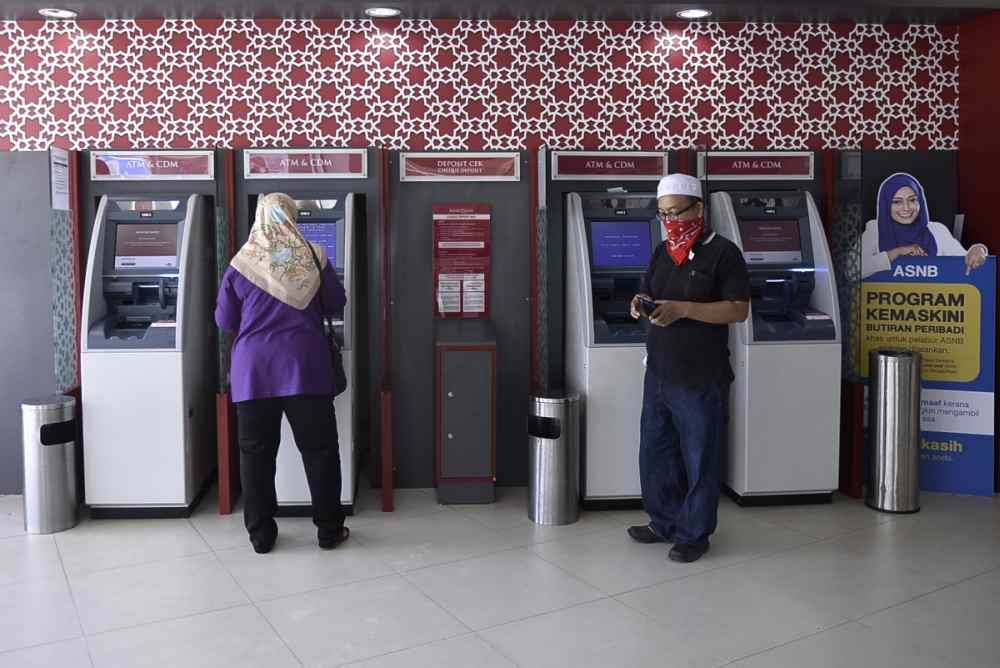
The Malaysian government is promoting a shift towards monthly withdrawals from the Employees Provident Fund (EPF) to ensure retirees have a sustainable income and prevent rapid depletion of their savings.
While the i-Emas scheme under Budget 2027 introduces this structured withdrawal system, experts argue that it may not fully address the broader issue of inadequate retirement income.
They emphasize the need for improved investment returns, greater financial literacy, and flexibility in managing retirement savings.
Developing a competitive annuity market and offering diverse investment options are also suggested to enhance retirement adequacy in Malaysia.
KUALA LUMPUR, Nov 5 — For many Malaysians, retirement savings are built up over decades of working life, but the challenge does not end when they reach retirement age as they must then make that money last for the rest of their lives.
The government is encouraging Employees Provident Fund (EPF) members to consider taking their savings through monthly withdrawals instead of withdrawing the entire amount at once, with the aim of helping them manage their finances and preserve their retirement income for longer.
Under Budget 2027, Prime Minister Datuk Seri Anwar Ibrahim announced that EPF members aged 55 and 60 could opt for monthly withdrawals under the i-Emas scheme, allowing savings retained with the fund to continue earning annual dividends.
The arrangement offers an alternative to taking out the full balance at once, but economists and financial experts say the wider question is whether changing how retirees withdraw their money will be enough to address Malaysia’s retirement savings problem.
Lee Heng Guie, an economist, said a survey had found that about 97 per cent of Malaysians withdrew their EPF savings in a lump sum at age 55 or 60, with many depleting the money within three to five years.
He said monthly withdrawals could help reduce the risk of retirees exhausting their savings too quickly by encouraging more disciplined spending while allowing the unwithdrawn balance to continue earning dividends.
“Besides continuing to earn dividends on the unwithdrawn savings, a structured schedule of withdrawals instils disciplined spending to reduce the risk of mismanaging lump-sum withdrawals,” he said.
For retirees who depend on their EPF savings to cover daily expenses, the distinction could be significant: money withdrawn and spent no longer earns returns within the fund, while savings left invested can continue generating dividends.
Samsudin Kadir, an economist, similarly argued that most retirees did not need their entire retirement savings immediately, but instead required a regular stream of income to meet household expenses.
He said monthly payouts could be particularly useful for people who did not have substantial savings or the financial knowledge to manage a large sum independently.
“If you withdraw everything, because normally people do not know how to manage the money lump sum,” he said.
Samsudin added that a retirement income system should still allow access to additional funds when members faced illness or other exceptional circumstances.
However, Stewart Nixon, director of research at the Institute for Democracy and Economic Affairs (IDEAS), cautioned that monthly withdrawals alone would not necessarily solve the problem of inadequate retirement income.
He argued that the government must also consider whether EPF delivers sufficient investment returns and whether members have the flexibility to manage their savings according to their individual needs.
“The top consideration should be whether the new model actually improves retirement living standards,” he said.
Stewart said a structured withdrawal system could help people who struggled to manage their finances, but warned against making it harder for others to pursue better investment options.
“The single biggest impediment to Malaysians having enough money in retirement is that they are locked into EPF arrangements that deliver suboptimal long-term returns,” he said.
He argued that giving members more investment choice, improving financial literacy and ensuring EPF maximises risk-appropriate returns were important to improving retirement adequacy.
Stewart also said Malaysia should prioritise developing a competitive, properly regulated annuity market, which would allow retirees to convert some of their savings into a guaranteed income stream for life.
Such arrangements could help retirees manage the risk of outliving their savings, although he cautioned that annuity products would require careful regulation to protect consumers from predatory practices.
Flexibility remains crucial
While the three experts broadly recognised the potential benefits of regular withdrawals, they differed on how far the system should go in steering members away from lump-sum payments.
Samsudin supported a model that combined monthly income with limited lump-sum withdrawals at different stages of retirement, arguing that no single arrangement would suit everyone.
He said retirees should be able to access additional money when faced with significant medical expenses, while those with different income levels and financial commitments should have options suited to their circumstances.
Lee likewise acknowledged that regular withdrawals had limitations, particularly when retirees faced unexpected financial pressures, rising living costs, inflation or escalating healthcare expenses.
He pointed to EPF’s Flexible Account, or Akaun Fleksibel, which allows members to withdraw available savings for short-term needs, as one existing avenue for accessing money when required.
Stewart, meanwhile, argued that some retirees could be better served by taking a lump sum to settle high-interest debts, while financially capable individuals might be able to achieve better returns through other investments.
The challenge, therefore, is to ensure that a system designed to protect retirement savings does not leave members without sufficient access to their own money when circumstances demand it.
Monthly withdrawals may help retirees avoid spending too much too soon, but they cannot by themselves guarantee a comfortable retirement if the savings accumulated during their working years is inadequate.
Ultimately, the question facing policymakers is whether encouraging retirees to draw down their savings more gradually will be enough — or whether Malaysia needs a more fundamental overhaul of how retirement income is generated, invested and protected throughout old age.
Brickfields Deepavali traders turn to TikTok as shoppers shun relocated bazaar
Fadhlina warns of ‘scrolling generation’ as gadgets erode reading habits among youth
Finance Ministry: Price of RON97 down by 20 sen, RON95 and diesel drop by 15 sen respectively tomorrow
马来西亚政府正在推动从雇员公积金(EPF)中按月提取资金,以确保退休人员拥有可持续的收入,并防止其储蓄迅速耗尽。
虽然 2027 年预算案中的 i-Emas 计划引入了这种结构化提款制度,但专家认为,它可能无法完全解决退休收入不足的更广泛问题。
他们强调需要提高投资回报率、增强金融素养,以及在管理退休储蓄方面拥有更大的灵活性。
为了提高马来西亚的退休保障水平,建议发展具有竞争力的年金市场并提供多样化的投资选择。
吉隆坡,11月5日讯——对于许多马来西亚人来说,退休储蓄是在几十年的工作生涯中积累起来的,但挑战并没有在他们达到退休年龄后结束,因为他们必须让这笔钱维持余生。
政府鼓励雇员公积金(EPF)会员考虑按月提取储蓄,而不是一次性提取全部金额,目的是帮助他们管理财务,并更长时间地保住退休收入。
在 2027 年财政预算案中,首相拿督斯里安华·易卜拉欣宣布,55 岁和 60 岁的公积金会员可以选择根据 i-Emas 计划按月提取资金,从而使留在基金中的储蓄继续赚取年度股息。
这种安排提供了一种无需一次性提取全部余额的替代方案,但经济学家和金融专家表示,更广泛的问题是,改变退休人员提取资金的方式是否足以解决马来西亚的退休储蓄问题。
经济学家李恒贵表示,一项调查发现,约97%的马来西亚人在55岁或60岁时一次性提取了他们的公积金储蓄,许多人在三到五年内就花光了这笔钱。
他表示,每月提款可以帮助降低退休人员过快耗尽积蓄的风险,鼓励他们更加有纪律地消费,同时让未提取的余额继续赚取股息。
他说:“除了继续从未提取的储蓄中赚取股息外,有条不紊的提款计划还能培养自律的消费习惯,从而降低一次性提款管理不善的风险。”
对于依靠公积金储蓄来支付日常开支的退休人员来说,这种区别可能意义重大:提取和花费的资金不再在基金内产生收益,而留在基金中投资的储蓄可以继续产生股息。
经济学家萨姆苏丁·卡迪尔也持类似观点,他认为大多数退休人员并不需要立即动用全部退休储蓄,而是需要定期收入来满足家庭开支。
他表示,每月分期付款对于那些没有大量积蓄或缺乏独立管理大笔资金的金融知识的人来说尤其有用。
“如果你把所有钱都取出来,因为通常人们不知道如何管理一大笔钱,”他说。
萨姆苏丁补充说,退休收入制度仍应允许成员在面临疾病或其他特殊情况时获得额外资金。
然而,民主与经济事务研究所 (IDEAS) 的研究主任斯图尔特·尼克松警告说,仅仅每月提取养老金并不一定能解决退休收入不足的问题。
他认为,政府还必须考虑公积金是否能提供足够的投资回报,以及会员是否有灵活性根据个人需求管理储蓄。
“首要考虑因素应该是新模式是否真的能提高退休生活水平,”他说。
斯图尔特表示,结构化的提款系统可以帮助那些难以管理财务的人,但他警告说,不要让其他人更难寻求更好的投资选择。
他说:“马来西亚人退休后资金不足的最大障碍是,他们被困在公积金制度中,而这种制度提供的长期回报并不理想。”
他认为,给予成员更多投资选择、提高金融素养以及确保公积金实现风险适宜的收益最大化,对于提高退休保障水平至关重要。
斯图尔特还表示,马来西亚应该优先发展一个具有竞争力的、监管完善的年金市场,这将使退休人员能够将部分储蓄转化为终身有保障的收入来源。
此类安排可以帮助退休人员管理耗尽积蓄的风险,但他同时警告说,年金产品需要严格的监管,以保护消费者免受掠夺性行为的侵害。
灵活性仍然至关重要
虽然这三位专家普遍认可定期提款的潜在好处,但他们对于该制度应该在多大程度上引导成员远离一次性付款存在分歧。
萨姆苏丁支持一种将每月收入与退休不同阶段的有限一次性提款相结合的模式,他认为没有一种单一的安排适合所有人。
他表示,退休人员在面临重大医疗费用时应该能够获得额外的资金,而不同收入水平和财务状况的人应该有适合自身情况的选择。
李也承认,定期提款存在局限性,尤其是在退休人员面临意外的经济压力、不断上涨的生活成本、通货膨胀或不断上涨的医疗保健费用时。
他指出,EPF的灵活账户(Akaun Fleksibel)允许会员提取可用储蓄以满足短期需求,这是在需要时获取资金的现有途径之一。
与此同时,斯图尔特认为,一些退休人员最好一次性领取一笔钱来偿还高息债务,而有经济能力的人或许可以通过其他投资获得更高的回报。
因此,挑战在于确保旨在保护退休储蓄的制度不会让成员在必要时无法充分获得自己的资金。
每月提款可以帮助退休人员避免过早过度消费,但如果他们在工作期间积累的储蓄不足,单靠提款本身并不能保证退休生活舒适。
最终,政策制定者面临的问题是,鼓励退休人员更缓慢地提取储蓄是否足够——或者马来西亚是否需要对退休收入的产生、投资和保障方式进行更根本的改革。
由于购物者冷落搬迁后的集市,Brickfields 的屠妖节商贩们转向 TikTok。
法德利娜警告说,随着电子设备侵蚀年轻人的阅读习惯,如今出现了“滑动一代”。
财政部:明日RON97汽油价格下调20仙,RON95汽油和柴油价格分别下调15仙。