Crackling with character: The family recipes behind The Roast Meat Shop in Sunway Geo风味十足:Sunway Geo 烤肉店背后的家族秘方
SUBANG JAYA, Nov 5 — Getting siew yoke right is harder than it looks. At The Roast Meat Shop in Sunway Geo, Harry Fong found that achieving crisp crackling was only part of...
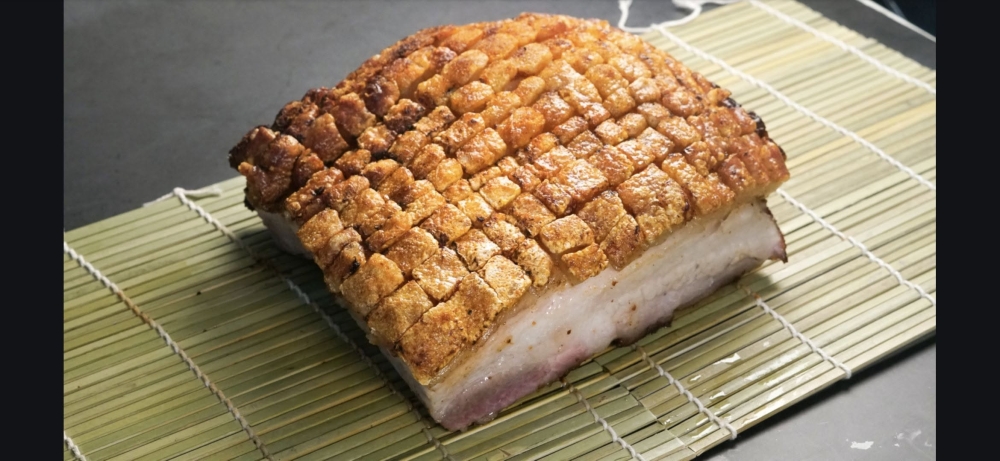
Harry Fong and his wife Olivia Yap developed The Roast Meat Shop's recipes through extensive testing to achieve consistent quality, especially with dishes like siew yoke and char siew.
The couple focus on maintaining flavour and quality, using carefully chosen ingredients and standard procedures despite higher costs to ensure a satisfying dining experience.
They plan to expand cautiously, considering factors like staffing and central kitchen use, prioritising food quality and the restaurant's identity over rapid growth.
SUBANG JAYA, Nov 5 — Getting siew yoke right is harder than it looks. At The Roast Meat Shop in Sunway Geo, Harry Fong found that achieving crisp crackling was only part of the challenge; getting it consistently crisp across an entire piece of roast pork was another matter.
“One of our biggest challenges was translating our home-cooking recipes into something that could be prepared consistently in a restaurant,” Fong says. “It took me about half a year of recipe development, ingredient sourcing and repeated testing to find the right ingredients and combinations for our siew yoke and char siew .”
“Some sections would turn out beautifully crispy, while others would not crackle properly. Sometimes, the skin would even become rubbery after a while. We had to keep experimenting and refining our roasting process to improve the consistency.”
The shop’s signature siew yoke uses a marinade combining Western and traditional herbs, followed by a traditional roasting method.
“We want our siew yoke to have its own distinctive taste,” Fong says. “We want every part of the skin to achieve that satisfying crackling while keeping the meat succulent.”
Before opening the restaurant, Fong spent more than a decade as a country manager for a German company. He had always enjoyed cooking and dreamed of owning a restaurant. His wife, Olivia Yap, shared his love of roast meats: she favoured char siew , while he preferred siew yoke .
“We started experimenting with roasting meat at home, trying different ingredients and techniques until we began developing recipes we were happy with,” Fong says.
For Yap, the menu also carries memories of family and childhood.
“One dish that is especially meaningful to me is our sour-and-spicy Chinese mustard roast pork,” she says. “My grandmother was Hakka, and this was one of the dishes we enjoyed at home.”
Yap recalls how her mother would cook it after Chinese New Year celebrations or other special Chinese festivals: “The recipe was passed down from my grandmother, so bringing it into our restaurant is a way for me to share a little of our family heritage with our customers.”
Another dish, the Blessing Dumplings, comes from Yap’s aunt, who lives in the United States and makes them when she returns home. Her aunt learned the recipe more than 30 years ago at a Chinese restaurant in Chinatown.
“I still remember eating those dumplings when I was a little girl. The meat was so juicy that I told myself, ‘I must learn this recipe from her when I grow up!’” Yap says.
Adapting these family recipes for a restaurant took repeated testing.
“We failed a few times because achieving the same taste we were familiar with at home became much more challenging when cooking in larger quantities,” Yap explains.
After several attempts and adjustments, the couple established standard operating procedures to maintain consistency.
The Blessing Dumplings needed further refinement after customers said the skin was initially too thick. Yap searched for an alternative, although the new supplier charged more.
“I still remember my husband asking whether we should switch to a new supplier because the cost was higher than what we were paying previously,” she says. “We knew that getting the right dumpling skin was important to the overall experience.”
The same attention to detail shapes the rest of the menu. The couple draw on food they enjoy at home rather than adding dishes simply to offer more choice.
“We don't want to introduce a dish simply to offer more choices,” Yap says. “We want to be confident that every dish we serve is something we would be happy to eat ourselves.”
The shop’s best-selling wantan noodles are one example. “Getting the house-made sauce right didn't happen overnight. We collected feedback from diners and made several adjustments to the recipe before settling on a version we were happy with,” she says.
The couple use duck egg noodles for their firm, springy or “QQ” texture and because they lack a strong alkaline taste.
“The cost of making the sauce is higher, but we feel it is worth it,” Yap says. “For us, flavour and quality matter more than simply choosing the cheapest ingredients.”
The couple prepare their food in-house daily. Fong oversees operations, from the kitchen to the front of house, while Yap focuses on the back-end and marketing, including promotions, customer engagement and Chinese New Year vacuum-packed roast meat hampers.
“We have different responsibilities, but we discuss ideas and make important business decisions together,” Yap says. “We listen to each other's views and try to find a way forward that works for the business.”
Maintaining quality also means making careful decisions about suppliers, staffing and the details of each meal.
“We pay close attention to ingredient costs and explore different suppliers to find the best value without compromising on quality,” Fong says.
The shop’s noodle and rice dishes come with small side servings of onsen egg and Japanese cucumber. Removing them would cut costs, but Fong believes they contribute to a more complete meal.
“There are times when maintaining our standards means accepting a smaller profit margin. We could cut certain items or take shortcuts to reduce costs, but we believe these small details contribute to the overall dining experience,” he says.
The couple are also developing vacuum-packed roast meats for customers to enjoy at home. Meanwhile, a second restaurant is in the planning stage, with decisions to make about location, operating costs, equipment, staffing and ingredient supplies.
One option is to turn the first outlet into a central kitchen, with roasting and food preparation done there before supplies are sent to the second restaurant. The couple are training potential staff and looking for suitable candidates, including a kitchen leader who can help maintain standards.
“Ultimately, we want to expand in a structured and sustainable manner, making sure we have the right people, systems, and processes in place before taking the next step,” Fong says.
Running a restaurant has required sacrifices, including personal time, rest and financial security. Yet the couple measure success by more than sales or the number of outlets they operate.
“To us, success means building a sustainable business with a strong reputation, maintaining the quality and consistency of our food, and earning the trust and loyalty of our customers,” Yap says.
“Most importantly, we want The Roast Meat Shop to grow without losing its identity or compromising the principles that we started with. We would rather expand at the right pace than grow too quickly at the expense of quality.”
As Yap puts it, “We started because we love good food and wanted to share it with others.”
F-01-08, Sunway Geo Avenue,
Jalan Lagoon Selatan,
Subang Jaya, Selangor.
Open daily 10.30am–8.30pm
IG: https://www.instagram.com/theroastmeatshop/
FB: https://www.facebook.com/theroastmeatshop/
For more food fables and café chronicles, visit Life for Beginners .
Michelin Guide Kuala Lumpur and Penang 2027: Potager earns first star; 16 new Bib Gourmand and Selected entries as ‘nasi kandar’ finally enters the guide
Ayame Restaurant in Ombak KLCC offers ramen and ‘donburi’ that will feed your soul
Beyond the podium: How Tan Shing Win’s World Barista Championship triumph signals a new chapter for Malaysian coffee
Armizan: Preliminary tests on 43 RON95 samples find no significant water contamination
Rapid KL train congestion: Anthony Loke vows fix after PM’s directive
Anwar heads to Melaka to drum up Pakatan momentum ahead of Nov 14 polls
Harry Fong 和他的妻子 Olivia Yap 通过大量的测试,开发出了烤肉店的食谱,以达到稳定的质量,尤其是像烧肉和叉烧这样的菜肴。
这对夫妇注重保持菜肴的口味和品质,尽管成本较高,他们仍然使用精心挑选的食材和标准流程,以确保顾客获得满意的用餐体验。
他们计划谨慎扩张,考虑人员配备和中央厨房使用等因素,优先考虑食品质量和餐厅的特色,而不是快速增长。
梳邦再也,11月5日讯——做好烧肉远比看起来难。在Sunway Geo的The Roast Meat Shop,Harry Fong发现,烤出酥脆的猪皮只是挑战的一部分;要让整块烧肉都保持酥脆则完全是另一回事。
“我们面临的最大挑战之一,就是如何将家常菜谱转化成餐厅里能够稳定制作的菜品,”方说。“我花了大约半年的时间进行菜谱研发、食材采购和反复试验,才找到适合我们烧肉和叉烧的食材和配比。”
“有些部分烤出来非常酥脆,而有些部分却烤不出酥脆的口感。有时,烤久了表皮甚至会变得像橡胶一样。我们必须不断试验和改进烘焙工艺,才能提高烘焙效果的一致性。”
这家店的招牌烧肉采用西式和传统香草混合腌制,然后采用传统烘烤方法烹制。
“我们希望我们的烧肉有其独特的风味,”方先生说。“我们希望烧肉的每一部分都能烤得酥脆,同时保持肉质鲜嫩多汁。”
在开餐厅之前,方先生曾在一家德国公司担任国家经理十余年。他一直热爱烹饪,梦想拥有一家自己的餐厅。他的妻子叶女士也和他一样喜爱烤肉:她偏爱叉烧,而他则更喜欢烧肉。
“我们开始在家尝试烤肉,尝试不同的食材和技巧,直到我们开始开发出自己满意的食谱,”方说。
对叶来说,菜单也承载着她对家庭和童年的回忆。
“对我来说,有一道菜意义非凡,那就是我们的酸辣芥菜烤肉,”她说。“我的祖母是客家人,这道菜是我们家常吃的菜之一。”
叶女士回忆起她母亲在春节或其他中国特殊节日后会烹制这道菜:“这道菜的食谱是我祖母传下来的,所以把它带到我们的餐厅,是我与顾客分享我们家族传承的一种方式。”
另一道菜“祈福饺子”则来自叶的姑姑,她住在美国,每次回国都会做这道菜。叶的姑姑30多年前在唐人街的一家中餐馆学到了这道菜的做法。
“我还记得小时候吃这些饺子的情景。肉馅鲜嫩多汁,我当时就想,‘长大后一定要跟她学这个做法!’”叶女士说道。
将这些家传食谱改编成餐厅菜肴需要反复试验。
“我们失败了好几次,因为在大量烹饪时,要达到我们在家里熟悉的味道就变得更加困难了,”叶解释说。
经过多次尝试和调整,这对夫妇制定了保持一致性的标准操作程序。
顾客反映“祝福饺子”的饺子皮太厚,需要进一步改进。叶先生寻找替代供应商,尽管新供应商收费更高。
“我还记得我丈夫问我们是否应该换供应商,因为价格比以前高了,”她说。“我们知道,饺子皮的品质对整体体验至关重要。”
同样的注重细节也体现在菜单的其他部分。这对夫妇选用的是他们在家常吃的菜肴,而不是为了增加选择而随意添加菜品。
“我们不想仅仅为了提供更多选择而推出新菜品,”叶先生说。“我们希望确保我们提供的每一道菜都是我们自己也乐意享用的。”
这家店最畅销的云吞面就是一个例子。“调制出完美的自制酱汁并非一朝一夕之功。我们收集了食客的反馈,并对配方进行了多次调整,最终才确定了我们满意的版本。”她说道。
这对夫妇选用鸭蛋面,是因为鸭蛋面口感劲道有弹性,而且没有很重的碱味。
“制作这种酱料的成本更高,但我们觉得物有所值,”叶先生说。“对我们来说,味道和品质比选择最便宜的原料更重要。”
这对夫妇每天都在店内准备食物。方负责从厨房到前厅的运营,而叶则专注于后台和营销,包括促销、客户互动和春节真空包装烤肉礼篮。
“我们职责不同,但我们会一起讨论想法,共同做出重要的商业决策,”叶先生说。“我们会倾听彼此的意见,努力找到对公司有利的发展道路。”
保持品质还意味着在供应商、人员配备和每餐细节方面做出谨慎的决定。
“我们密切关注原料成本,并寻找不同的供应商,以在不牺牲质量的前提下找到性价比最高的原料,”方说。
这家店的面条和米饭都配有少量温泉蛋和日本黄瓜。去掉这些配菜可以降低成本,但方先生认为它们能让餐食更加完整。
“有时候,为了保持我们的高标准,就意味着要接受较低的利润率。我们可以削减某些菜品或走捷径来降低成本,但我们相信,这些小细节有助于提升整体用餐体验,”他说道。
这对夫妇还在研发真空包装的烤肉,方便顾客在家享用。与此同时,他们的第二家餐厅正在筹划中,选址、运营成本、设备、人员配备和食材供应等问题都需要进一步商榷。
一种方案是将第一家门店改造成中央厨房,在那里进行烘焙和食材准备,然后再将食材运送到第二家餐厅。这对夫妇正在培训潜在员工,并寻找合适的候选人,包括一位能够帮助维持出品标准的厨房主管。
“最终,我们希望以结构化和可持续的方式扩张,确保在迈出下一步之前,我们拥有合适的人员、系统和流程,”方说。
经营餐厅需要做出诸多牺牲,包括个人时间、休息和经济保障。然而,这对夫妇衡量成功的标准并非销售额或门店数量。
“对我们来说,成功意味着建立一个拥有良好声誉的可持续发展的企业,保持食品的质量和一致性,并赢得客户的信任和忠诚,”Yap说道。
“最重要的是,我们希望烤肉店在发展壮大的同时,不失去其特色,也不违背我们创立之初的原则。我们宁愿以合适的速度扩张,也不愿为了追求速度而牺牲质量。”
正如Yap所说,“我们创办这家公司是因为我们热爱美食,并想与他人分享。”
F-01-08,Sunway Geo Avenue,
Jalan Lagoon Selatan,
雪兰莪州梳邦再也。
每日上午10:30至晚上8:30开放
IG:https://www.instagram.com/theroastmeatshop/
FB:https://www.facebook.com/theroastmeatshop/
想了解更多美食故事和咖啡馆轶事,请访问“初学者生活”网站。
2027年吉隆坡和槟城米其林指南:Potager餐厅荣获一星;新增16家必比登推介和精选餐厅,“nasi kandar”(椰浆饭)终于入选指南
位于吉隆坡城中城Ombak的Ayame餐厅提供拉面和丼饭,足以抚慰你的心灵。
领奖台之外:陈胜温的世界咖啡师大赛夺冠如何标志着马来西亚咖啡业的新篇章
阿米赞:对43个RON95样品进行的初步测试未发现明显的水污染。
吉隆坡快速列车拥堵:总理指示后,陆兆福承诺解决问题
安华前往马六甲,为11月14日的大选造势。