Subsidised genetic testing to be available at 3 healthcare centres from Dec 1自12月1日起,三家医疗中心将提供补贴基因检测服务。
Singapore to offer subsidised hereditary breast and ovarian cancer genetic testing from Dec 1, with MediSave support and up to 70% subsidies. Read more at straitstimes.com.
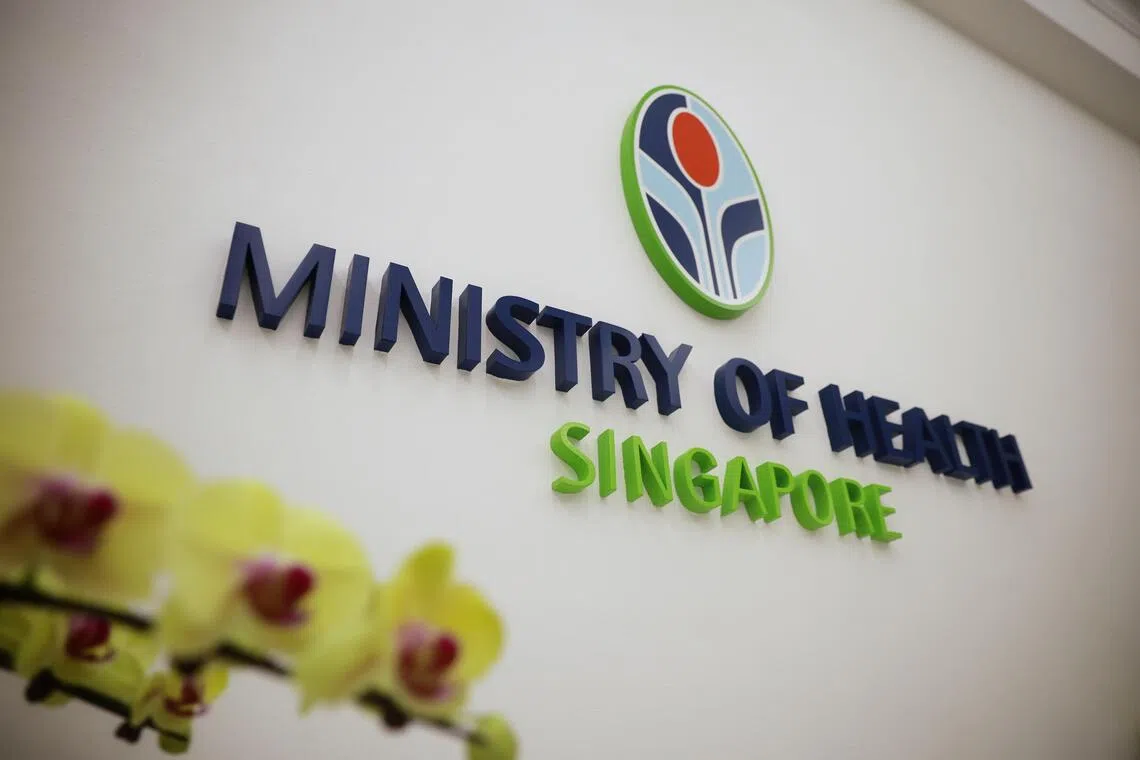
The enhanced support is part of the Ministry of Health’s broader strategy to improve preventive care in Singapore.
ST PHOTO: JASON QUAH
Published Nov 05, 2026, 03:04 PM
Updated Nov 05, 2026, 03:06 PM
Subsidised HBOC genetic testing will start on Dec 1 at three Singapore cancer clinics, with costs of about $1,000 before subsidies.
Eligible Singapore citizens and permanent residents can get up to 70% subsidy, plus MediSave help; seniors may use extra support.
MOH says the scheme could help about 2,000 people a year and aims to find gene carriers early to cut breast and ovarian cancer risk.
SINGAPORE – Subsidised genetic testing for hereditary breast and ovarian cancer (HBOC) will be offered at specialist outpatient clinics at the National Cancer Centre Singapore, the National University Cancer Institute Singapore, and Tan Tock Seng Hospital from Dec 1.
This follows an earlier announcement by the Ministry of Health (MOH) in March that it would extend mainstream financing to the HBOC genetic test and relevant downstream interventions from December.
In a media statement on Nov 5, MOH reiterated that eligible Singapore citizens and permanent residents can receive means-tested subsidies of up to 70% for HBOC genetic testing, with additional support for Pioneer and Merdeka Generation seniors.
Patients with sufficient MediSave balances can use their accounts to fully offset the remaining cost of the test, which costs about $1,000 before subsidies.
The test, which is available to anyone eligible, regardless of gender, is recommended for three groups of people:
Breast and/or ovarian cancer patients with HBOC risk factors
First-degree relatives of individuals who carry the HBOC-linked gene variant
Individuals with a strong family history of HBOC whose cancer-affected relatives are not available for testing
This initiative, which was first announced at MOH’s Committee of Supply debate in March, aims to identity those who carry HBOC-linked gene mutations and reduce the risk of breast and ovarian cancer through early intervention, said MOH.
Around one in 150 Singaporeans carries an HBOC-linked gene mutation.
Females with such mutations have a five- to tenfold higher lifetime risk of developing breast and/or ovarian cancer compared with the general female population. The gene mutations can be passed down to both males and females.
Earlier in March, MOH said that the MediSave Chronic and Preventive Care scheme limits could be used to further offset the cost of the genetic test after subsidies. The scheme, which kicks in on Jan 1, 2027, is an enhanced version of the existing MediSave500/700.
In the interim period, the existing MediSave500/700 limits will be extended to cover the cost of HBOC genetic test.
Seniors aged 60 and above may use their Flexi-MediSave account to defray any remaining out-of-pocket costs.
As part of efforts to ensure patients take preventive action, MOH will also enhance financial support for downstream medical care:
Preventive surgeries: MediShield Life and MediSave now cover risk-reducing breast removal surgery, which reduce breast cancer risk by at least 90 per cent. Similar coverage will be extended by the end of 2026 to risk-reducing removal of fallopian tubes and ovaries, which cuts ovarian cancer risk by more than 80 per cent.
Intensified surveillance: Annual scans, such as breast MRIs and mammograms, can be defrayed using the MediSave Outpatient Scans limit ($600 per year) and Flexi-MediSave ($400 per year for seniors aged 60 and above).
Drug therapy: Preventative drug therapies, including endocrine treatments and oral contraceptives, will continue to receive subsidies if they are listed under the Standard Drug List and Medication Assistance Fund.
First-degree relatives of those who test positive are encouraged to undergo subsidised screening, known as cascade testing, which can similarly be covered using MediSave.
An estimated 2,000 individuals on average a year, including family members of those who test positive for HBOC-associated gene variants, may benefit from subsidised testing, said MOH.
The ministry said it would continue to enhance preventive care measures to support better health outcomes for Singaporeans.
“By making genetic testing and the full range of downstream interventions accessible and affordable, MOH aims to reduce the burden of hereditary cancers on individuals, families, and the broader healthcare system.
“MOH will continue to review and strengthen the suite of measures available to Singaporeans, so that more people can benefit from early detection and timely intervention in the years ahead.”
Andy Ng is a correspondent at The Straits Times’ ST Now desk, covering breaking news both locally and globally.
Health and well-being
加强支持是新加坡卫生部改善预防保健的更广泛战略的一部分。
《海峡时报》摄影:JASON QUAH
发布于 2026 年 11 月 5 日下午 3:04
更新于2026年11月5日下午3:06
新加坡三家癌症诊所将于 12 月 1 日开始提供 HBOC 基因检测补贴,补贴前费用约为 1000 美元。
符合资格的新加坡公民和永久居民可获得高达 70% 的补贴,外加保健储蓄金;老年人可获得额外资助。
卫生部表示,该计划每年可帮助约 2000 人,旨在及早发现基因携带者,以降低患乳腺癌和卵巢癌的风险。
新加坡——从 12 月 1 日起,新加坡国家癌症中心、新加坡国立大学癌症中心和陈笃生医院的专科门诊将提供遗传性乳腺癌和卵巢癌 (HBOC) 的基因检测补贴。
此前,卫生部 (MOH) 于 3 月份宣布,将从 12 月起将主流资金扩展到 HBOC 基因检测和相关下游干预措施。
11月5日,卫生部在一份媒体声明中重申,符合资格的新加坡公民和永久居民可获得高达70%的HBOC基因检测费用补贴,并为建国一代和独立一代的老年人提供额外支持。
医疗储蓄账户余额充足的患者可以使用账户余额完全抵消剩余的检测费用,该检测在补贴前费用约为 1000 美元。
这项测试面向所有符合条件的人,不限性别,建议以下三类人群参加:
具有遗传性乳腺癌/卵巢癌综合征(HBOC)风险因素的乳腺癌和/或卵巢癌患者
携带HBOC相关基因变异体的个体的直系亲属
有遗传性乳腺癌/卵巢癌家族史但患癌亲属无法进行检测的个体
卫生部表示,这项计划最早于今年3月在卫生部财政预算委员会辩论中宣布,旨在识别携带HBOC相关基因突变的人,并通过早期干预降低患乳腺癌和卵巢癌的风险。
大约每 150 名新加坡人中就有一人携带与 HBOC 相关的基因突变。
携带此类基因突变的女性一生中罹患乳腺癌和/或卵巢癌的风险比普通女性高出五到十倍。这种基因突变可以遗传给男性和女性。
今年3月初,卫生部表示,保健储蓄慢性病及预防保健计划的额度可用于在享受补贴后进一步抵消基因检测费用。该计划将于2027年1月1日生效,是现有保健储蓄500/700计划的升级版。
在此期间,现有的 MediSave500/700 限额将扩大到涵盖 HBOC 基因检测的费用。
60 岁及以上的长者可以使用他们的 Flexi-MediSave 账户来支付任何剩余的自付费用。
为确保患者采取预防措施,卫生部还将加大对后续医疗保健的财政支持力度:
预防性手术:终身健保计划和保健储蓄计划现在涵盖降低风险的乳房切除手术,该手术可将乳腺癌风险降低至少 90%。到 2026 年底,类似的保障范围将扩大到降低风险的输卵管和卵巢切除手术,该手术可将卵巢癌风险降低 80% 以上。
加强监测:年度扫描,如乳腺 MRI 和乳房 X 光检查,可以使用 MediSave 门诊扫描限额(每年 600 美元)和 Flexi-MediSave(60 岁及以上老年人每年 400 美元)来支付。
药物治疗:预防性药物治疗,包括内分泌治疗和口服避孕药,如果列入标准药品清单和药品援助基金,将继续获得补贴。
鼓励检测结果呈阳性者的直系亲属接受补贴筛查(称为级联检测),该筛查同样可以使用保健储蓄 (MediSave) 支付。
卫生部表示,平均每年约有 2000 人(包括 HBOC 相关基因变异检测呈阳性者的家庭成员)可能受益于补贴检测。
卫生部表示将继续加强预防保健措施,以改善新加坡人的健康状况。
“通过使基因检测和所有后续干预措施变得可及且负担得起,卫生部旨在减轻遗传性癌症对个人、家庭和更广泛的医疗保健系统的负担。
“卫生部将继续审查并加强新加坡民众可采取的各项措施,以便在未来几年里,更多的人能够受益于早期发现和及时干预。”
Andy Ng 是《海峡时报》ST Now 新闻部的记者,负责报道本地和全球的突发新闻。
健康与福祉