Nazir Razak, Musa Hitam say NEP fostered ‘tongkat culture’ among Malays纳西尔拉萨和慕沙希淡称新经济政策在马来人中培育了“东革文化”
KUALA LUMPUR, Sept 8 — The New Economic Policy (NEP) fostered a culture of dependency among Malays and became too focused on ownership and government assistance, former CIMB...
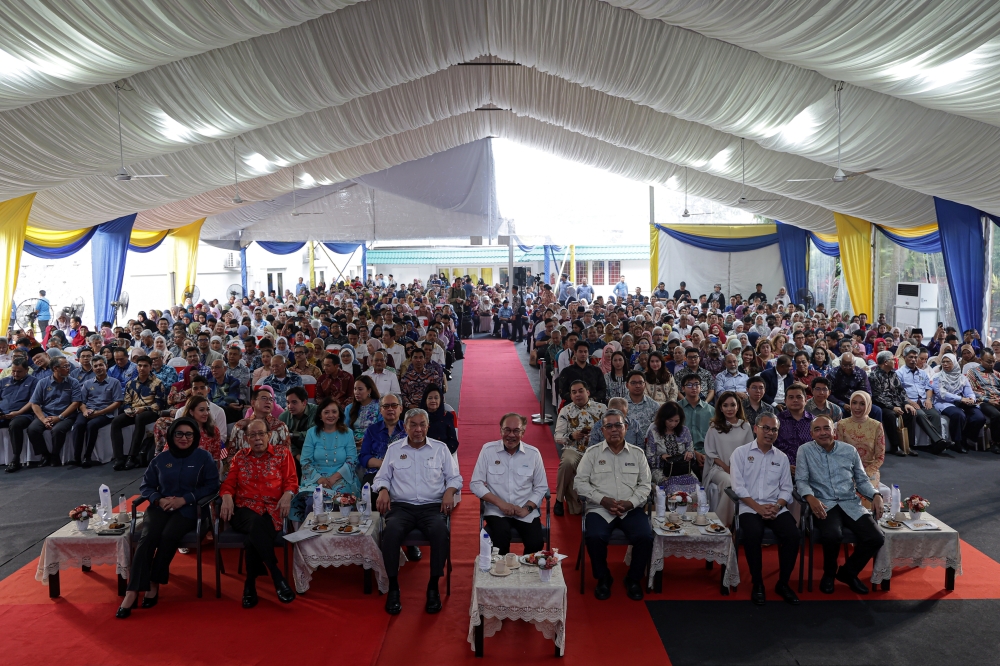
Nazir Razak and Musa Hitam criticised the New Economic Policy (NEP) for creating a dependency culture among Malays and focusing excessively on ownership and government aid.
Nazir suggested the NEP requires a review to emphasise education and professional development over share distribution and criticised politician-controlled Bumiputera contracts.
Musa noted that while the NEP benefited Malays, it resulted in over-reliance on government support, leading to a culture of constant demands for more assistance.
KUALA LUMPUR, Sept 8 — The New Economic Policy (NEP) fostered a culture of dependency among Malays and became too focused on ownership and government assistance, former CIMB Group chairman Tan Sri Nazir Razak and former deputy prime minister Tun Musa Hitam said today.
Free Malaysia Today (FMT) reported that the two made the remarks at a forum titled “Remembering Tun Abdul Razak: Architect of Malaysia’s Development and Nation Building”, which discussed whether the NEP should be reviewed, replaced or remodelled.
Nazir said the NEP was intended to run for only 20 years and cited former deputy prime minister Tun Dr Ismail Abdul Rahman’s description of it as a 20-year “handicap”.
“We will be in serious trouble if we have to continue. And when it goes on for too long, this ‘tongkat culture’ becomes deeply embedded,” said Nazir, the son of second prime minister Tun Abdul Razak Hussein.
He said the policy should be reviewed, with greater emphasis placed on education and professional development instead of the distribution of shares and ownership.
“The NEP focused too much on the distribution of shares and ownership. And when you go down that path, all these ‘Ali Babas’ come up,” he said, referring to a culture of rent-seeking.
“I think we focused on the wrong theme in the execution of the NEP,” he added.
Nazir also questioned the practice of awarding contracts to Bumiputera businesses, particularly why politicians were allowed to choose the recipients.
“They (politicians) don’t want competition among Bumiputeras,” he said, adding that the lack of competition had weakened Bumiputera businesses.
Musa, who served as deputy prime minister from 1981 to 1986, said the policy had also made Malays overly reliant on government assistance.
“To me, the economic policy for the Malays has caused the Malays to become too pampered. Pampered by the government,” he said.
Musa said the NEP had benefited Malays and the country as a whole, but had also created a sense of insecurity, with recipients continuing to feel that government assistance was insufficient.
“People fear receiving nothing, but even when they receive assistance, they say it is not enough and ask for more.”
Did the Negeri Sembilan MB sign decree to oust ruler? Claim sees state in renewed palace crisis
Fahmi: Govt agencies to work together to tighten e-commerce rules, curb sale of prohibited goods
Azalina: Malaysians want political funding law before GE16; political parties’ buy-in needed to avoid delay
纳兹尔·拉扎克和穆萨·希塔姆批评新经济政策(NEP)在马来人中制造了依赖文化,并过度关注所有权和政府援助。
纳齐尔建议对新经济政策进行审查,以强调教育和职业发展而非股份分配,并批评了由政客控制的土著合同。
穆萨指出,虽然新经济政策使马来人受益,但也导致过度依赖政府支持,从而滋生了不断要求更多援助的文化。
吉隆坡,9月8日——前CIMB集团主席丹斯里纳兹尔·拉扎克和前副首相敦慕沙·希坦今天表示,新经济政策(NEP)助长了马来人的依赖文化,并且过于注重所有权和政府援助。
《今日自由马来西亚》(FMT)报道称,两人是在题为“缅怀敦阿卜杜勒·拉扎克:马来西亚发展和国家建设的缔造者”的论坛上发表上述言论的,该论坛讨论了是否应该审查、替换或修改新经济政策。
纳兹尔表示,新经济政策原本只打算实施20年,并引用前副首相敦伊斯梅尔·阿卜杜勒·拉赫曼的话,称其为20年的“障碍”。
“如果我们继续下去,将会遇到严重的麻烦。而且,当这种情况持续太久时,这种‘东革阿里文化’就会根深蒂固,”第二任首相敦阿卜杜勒·拉扎克·侯赛因的儿子纳齐尔说道。
他表示,应该重新审视这项政策,更加注重教育和职业发展,而不是股份和所有权的分配。
“新经济政策过于关注股份和所有权的分配。而当你沿着这条路走下去,就会出现各种各样的‘阿里巴巴’式人物,”他指的是寻租文化。
“我认为我们在执行新经济政策时关注的主题错了,”他补充道。
纳齐尔还质疑将合同授予土著企业的做法,特别是为什么允许政治家选择中标者。
他说:“他们(政客们)不希望土著之间展开竞争”,并补充说,缺乏竞争削弱了土著企业。
曾于 1981 年至 1986 年担任副首相的穆萨表示,这项政策也使马来人过度依赖政府援助。
他说:“在我看来,马来人的经济政策导致马来人被政府过度溺爱了。”
穆萨表示,新经济政策使马来人和整个国家受益,但也造成了一种不安全感,受益者仍然觉得政府援助不足。
“人们害怕一无所获,但即使得到了援助,他们也说不够,并要求更多。”
森美兰州务大臣是否签署法令罢免统治者?此说法令该州再次陷入宫廷危机。
法赫米:政府机构将携手合作,加强电子商务监管,遏制违禁商品的销售。
阿扎丽娜:马来西亚民众希望在第16届全国大选前通过政治献金法;需要各政党的支持才能避免延误