US, Gulf states meet for first security forum since war in Gaza美国与海湾国家举行加沙战争以来的首次安全论坛
The group will discuss better coordination on security in a time when the region is facing multiple crises.
Senior American and Arab officials are meeting this week in Riyadh to discuss security issues — the first such gathering since the war in Gaza began last year.
The Gulf Cooperation Council — whose members include the United Arab Emirates, Bahrain, Saudi Arabia, Oman, Qatar, and Kuwait — hosts a yearly set of defense working groups with the U.S. They met last year in February and promised to share more intelligence and better sync their air and missile defense networks.
But that was before Oct. 7.
Since the terrorist group Hamas launched its attack on Israel — killing 1,200 civilians and soldiers — the region has been in crisis. In the eight months since, militia groups backed by Tehran have attacked U.S. forces in the region more than 175 times. And the Houthis, a militia group in Yemen, have launched 90 attacks on commercial shipping in the Red Sea — leading to a U.S.-led group called Prosperity Guardian that’s trying to defend such vessels.
“These conversations are really more important than ever,” said a senior U.S. defense official, briefing reporters ahead of the talks on the condition of anonymity.
Pentagon head of Middle East Policy Dan Shaprio will co-chair the talks and join a larger group of American defense officials in attendance.
The official wouldn’t predict specific results but said to expect the talks to build upon progress last year. In those meetings, the group largely discussed the threats posed by Iran and its proxies in the region. The events since Oct. 7 have confirmed the value of those goals, the official said.
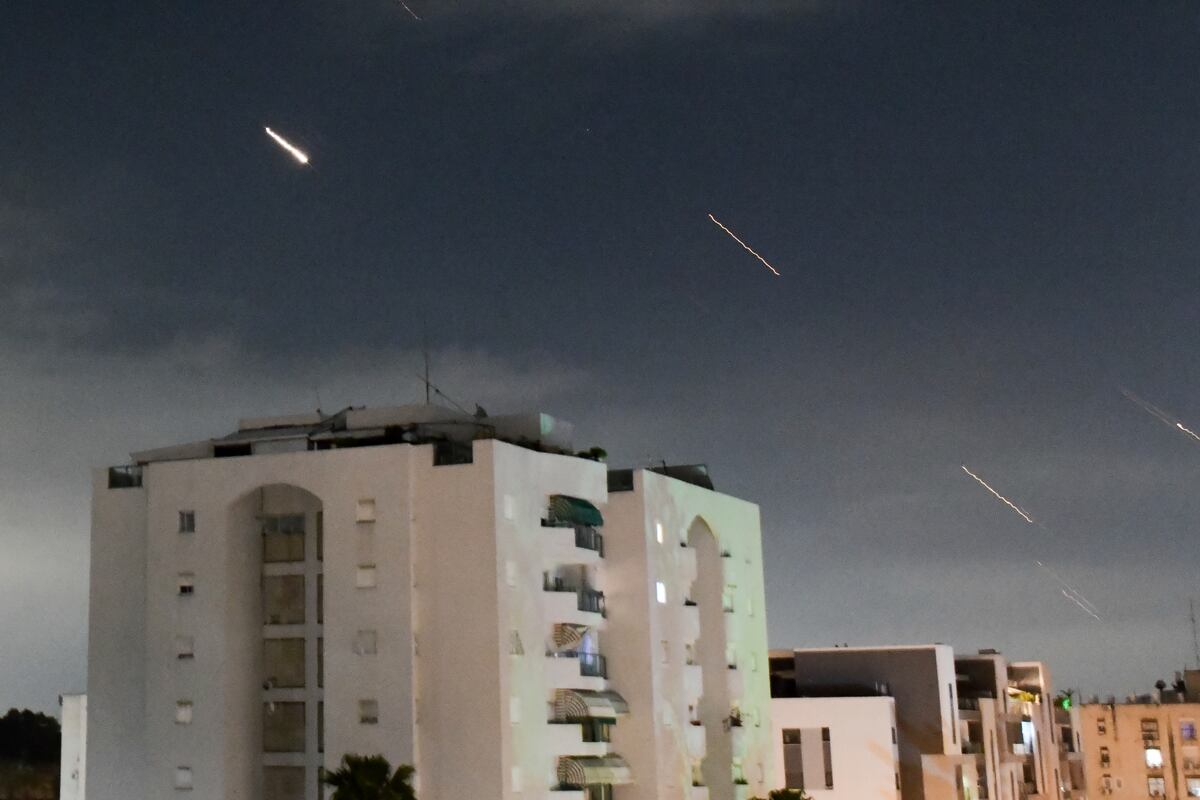
In particular, the official said, Iran’s missile attack against Israel in April is an object lesson. Tehran, responding to an Israeli strike on its military leaders visiting Syria, launched a massive but largely failed salvo last month. The U.S., Israel and a coalition of partners helped shoot many of the drones and missiles down.
“Ironically April 13, which was really a proof of concept of integrated air and missile defense, was ultimately successful in sparking deeper cooperation among our partners,” the official said, while declining to offer specifics other than that the air and missile defense working group would focus on better early warning systems.
Similarly, the maritime working group will largely discuss threats posed by the Houthis.
In December, the U.S. and a group of partners began Operation Prosperity Guardian , a joint effort to protect shipping from such attacks. That coalition includes the regional partner of Bahrain, though the official noted that other countries are contributing but prefer not to be named.
“The solution there [in the Red Sea] is not a military solution,” said Vice Chairman of the Joint Chiefs of Staff Christopher Grady, speaking an event hosted by the Center for Strategic and International Studies in early May.
The Houthi’s attacks have continued despite the coalition’s effort. They struck an oil ship in mid-May and keep targeting American military vessels in the region.
“It is true they continue,” the defense official said. “It is also true that we feel through our coalition strikes we’ve degraded their capability.”
Despite these crises beginning after last fall, the official said Israel’s war isn’t on the docket to discuss. Instead, the U.S. is speaking with Arab states separately on how to send more aid into Gaza. A $300-million-dollar pier America constructed to provide more assistance started operating this month.
But civilians on the strip haven’t received anything yet, Pentagon Press Secretary Pat Ryder told reporters this week. The U.S. maintains that there’s no substitute for more aid arriving by land, which Israel has so far restricted.
“Gaza is not a particular focus of this meeting,” the official said.
Noah Robertson is the Pentagon reporter at Defense News. He previously covered national security for the Christian Science Monitor. He holds a bachelor’s degree in English and government from the College of William & Mary in his hometown of Williamsburg, Virginia.
美国和阿拉伯高级官员本周在利雅得举行会议,讨论安全问题——这是自去年加沙战争爆发以来的首次此类会晤。
海湾合作委员会(其成员包括阿拉伯联合酋长国、巴林、沙特阿拉伯、阿曼、卡塔尔和科威特)每年都会与美国举行一系列防务工作组会议。他们去年2月举行了会议,并承诺分享更多情报,更好地协调他们的防空和导弹防御网络。
但那是10月7日之前的事了。
自恐怖组织哈马斯对以色列发动袭击,造成1200名平民和士兵丧生以来,该地区一直处于危机之中。此后的八个月里,受德黑兰支持的民兵组织已对该地区美军发动了175多次袭击。此外,也门胡塞武装也对红海的商船发动了90次袭击,促使美国领导的“繁荣卫士”组织成立,旨在保护这些船只。
一位不愿透露姓名的美国高级国防官员在会谈前向记者简要介绍了情况,他说:“这些对话比以往任何时候都更加重要。”
五角大楼中东政策负责人丹·夏皮罗将共同主持会谈,并与其他众多美国国防官员一同出席。
这位官员没有预测具体结果,但表示预计会谈将在去年取得的进展基础上继续推进。在去年的会谈中,该组织主要讨论了伊朗及其在该地区的代理人构成的威胁。这位官员说,10月7日以来的事态发展证实了这些目标的价值。
这位官员特别指出,伊朗4月份对以色列的导弹袭击就是一个警示。德黑兰为报复以色列袭击访问叙利亚的伊朗军事领导人,于上个月发动了大规模但基本失败的导弹袭击。美国、以色列及其盟友组成的联盟击落了许多无人机和导弹。
“具有讽刺意味的是,4月13日这次实际上是对一体化防空和导弹防御概念的验证,最终却成功地激发了我们合作伙伴之间更深层次的合作,”这位官员说道,但他拒绝透露更多细节,只表示防空和导弹防御工作组将专注于更好的预警系统。
同样,海上工作组将主要讨论胡塞武装构成的威胁。
去年12月,美国及其一些伙伴国家启动了“繁荣卫士行动”,旨在联合保护航运免受此类袭击。该联盟的成员包括巴林这个地区伙伴,不过一位官员指出,其他国家也参与其中,但不愿透露姓名。
“红海问题的解决之道并非军事解决,”参谋长联席会议副主席克里斯托弗·格雷迪在5月初由战略与国际研究中心主办的活动上表示。
尽管联军采取了行动,胡塞武装的袭击仍在继续。他们在5月中旬袭击了一艘油轮,并持续袭击该地区的美国军舰。
“他们的确仍在继续活动,”这位国防官员说。“但我们也确实认为,通过我们的联军打击行动,我们已经削弱了他们的能力。”
尽管这些危机始于去年秋季,但这位官员表示,以色列的战争不在讨论议程之内。相反,美国正在与阿拉伯国家单独磋商如何向加沙提供更多援助。美国斥资3亿美元建造的、旨在提供更多援助的码头已于本月投入使用。
但五角大楼新闻秘书帕特·莱德本周告诉记者,加沙地带的平民至今尚未收到任何援助。美国方面坚持认为,必须通过陆路运送更多援助物资,而以色列迄今为止一直限制陆路运输。
这位官员表示:“加沙并非本次会议的重点。”
诺亚·罗伯逊是《防务新闻》的五角大楼记者。他此前曾为《基督教科学箴言报》报道国家安全新闻。他拥有弗吉尼亚州威廉斯堡威廉与玛丽学院的英语和政治学学士学位。