Digital minister says Malaysia’s draft AI Governance Bill complete, hopes to table it by Q1 2027马来西亚数字部长表示,《人工智能治理法案》草案已完成,希望能在2027年第一季度提交审议。
GEORGE TOWN, Sept 10 — Malaysia’s draft Artificial Intelligence (AI) Governance Bill has been completed and will be submitted to the Cabinet, Digital Minister Gobind Singh Deo...
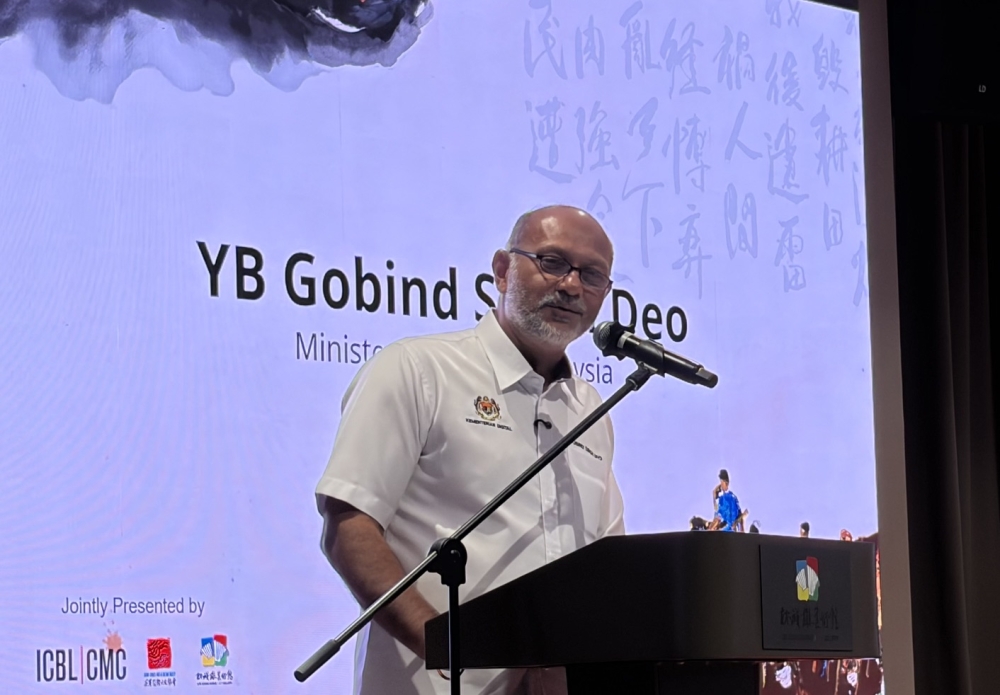
Malaysia has completed the draft of its Artificial Intelligence (AI) Governance Bill, set to be reviewed by the Cabinet, with plans to introduce it within this or the next quarter, according to Digital Minister Gobind Singh Deo.
Preparations are underway to establish the necessary structure and agencies to enforce the proposed law, part of a broader AI governance framework that includes technical standards and regulations.
This framework aims to ensure compliance, address swiftly evolving technological challenges, and manage aspects of AI that require regulatory oversight but not specific legislation.
Additionally, AI Malaysia and a newly established standards center are collaborating with organizations like SIRIM to facilitate the governance process.
GEORGE TOWN, Sept 10 — Malaysia’s draft Artificial Intelligence (AI) Governance Bill has been completed and will be submitted to the Cabinet, Digital Minister Gobind Singh Deo said today.
He said the government was now setting up the structure needed to enforce the proposed law.
“We are hoping to table it this quarter or in the first quarter of next year,” he told reporters after launching the Scars of War photography and art exhibition at the Lin Xiang Xiong Art Gallery here.
The development marks the Bill’s progression beyond the drafting and public consultation stages reported earlier this year.
Gobind said the government must establish the agencies and administrative structure needed to monitor compliance and enforce the law before it takes effect.
“When we enforce a law, we must ensure there are parties that can make certain the law is complied with,” he said.
“If it is not complied with, action must be taken. That particular structure has to be set up,” he explained.
“We are looking at how to establish a structure to ensure that once the Bill is passed, there will already be parties responsible for ensuring compliance, investigating problems and enforcing the law,” he said.
Gobind said the proposed legislation would form part of a broader AI governance framework combining technical standards, regulations and laws.
“When we look at the AI governance process, it is broader than a Bill. It involves three things — standards, regulations and laws,” he said.
He said standards could address matters involving technology developers and users, while regulations would cover issues requiring closer oversight but not specific legislation.
“There are aspects that require more attention but do not reach the stage where a law is needed. In those circumstances, we look at regulations,” he said.
Gobind said regulations would allow the government to respond more quickly as AI technology evolved and new challenges emerged.
“This will be more effective because we are looking at a world where issues will arise quickly due to the nature of the technology,” he said.
He said matters requiring specific legal provisions would be addressed through the Bill, which must be tabled in Parliament.
Gobind added that AI Malaysia had been established as part of preparations for the wider governance framework, while a standards centre set up last month had begun working with SIRIM and other organisations.
Nurse killed in helicopter crash had planned to leave flying doctor service to further studies
Alam Maritim CEO charged with fraud over vessel charter rates, claims trial
No hazardous API readings recorded nationwide, Sarawak records highest unhealthy levels
马来西亚数字部长哥宾星表示,马来西亚已完成人工智能(AI)治理法案草案,该法案将提交内阁审查,并计划在本季度或下一季度提出。
目前正在进行准备工作,以建立必要的机构和组织来执行拟议的法律,这是更广泛的人工智能治理框架的一部分,该框架包括技术标准和法规。
该框架旨在确保合规性,应对快速发展的技术挑战,并管理人工智能中需要监管但不需要具体立法的方面。
此外,马来西亚人工智能协会和新成立的标准中心正与马来西亚标准与工业研究院 (SIRIM) 等组织合作,以促进治理进程。
乔治市,9月10日——马来西亚数字部长哥宾星今天表示,马来西亚人工智能治理法案草案已经完成,并将提交内阁审议。
他说,政府目前正在建立必要的机制来执行这项拟议的法律。
“我们希望在本季度或明年第一季度提交,”他在林祥熊美术馆举办“战争的伤痕”摄影艺术展后告诉记者。
这一进展标志着该法案已超越了今年早些时候公布的草案起草和公众咨询阶段。
戈宾德表示,政府必须先建立必要的机构和行政架构,才能在法律生效前监督其执行情况并予以落实。
他说:“当我们执行法律时,我们必须确保有相关方能够确保法律得到遵守。”
“如果不遵守规定,就必须采取行动。必须建立相应的机制,”他解释道。
他说:“我们正在研究如何建立一个机制,以确保一旦该法案获得通过,就会有相关各方负责确保合规、调查问题和执行法律。”
戈宾德表示,拟议的立法将成为更广泛的人工智能治理框架的一部分,该框架结合了技术标准、法规和法律。
他说:“当我们审视人工智能治理流程时,它比一项法案的范围更广。它涉及三个方面——标准、法规和法律。”
他表示,标准可以解决涉及技术开发人员和用户的问题,而法规将涵盖需要更密切监督但不需要具体立法的问题。
“有些方面需要更多关注,但还没到需要立法的地步。在这种情况下,我们会考虑制定规章制度,”他说道。
戈宾德表示,随着人工智能技术的不断发展和新挑战的出现,相关法规将使政府能够更快地做出反应。
他说:“这将更加有效,因为我们面对的是一个由于技术特性而问题会迅速出现的时代。”
他表示,需要具体法律条文规定的事项将通过法案予以解决,该法案必须提交议会审议。
戈宾德补充说,马来西亚人工智能协会的成立是为更广泛的治理框架做准备的一部分,而上个月成立的标准中心已经开始与马来西亚标准与工业研究院(SIRIM)和其他组织合作。
在直升机坠毁事故中丧生的护士原计划离开空中医生服务岗位,继续深造。
Alam Maritim首席执行官被控船舶租赁费率欺诈,声称审判正在进行中
全国范围内未记录到有害的API读数,砂拉越州记录到最高不健康水平。