WP chief Pritam Singh supports MP allowance increase, questions mayors' wages and roles工人党主席毕丹星支持提高议员津贴,质疑市长的薪资和职责。
Mr Singh also called for the allowances of legislative assistants and secretarial assistants to be reviewed.
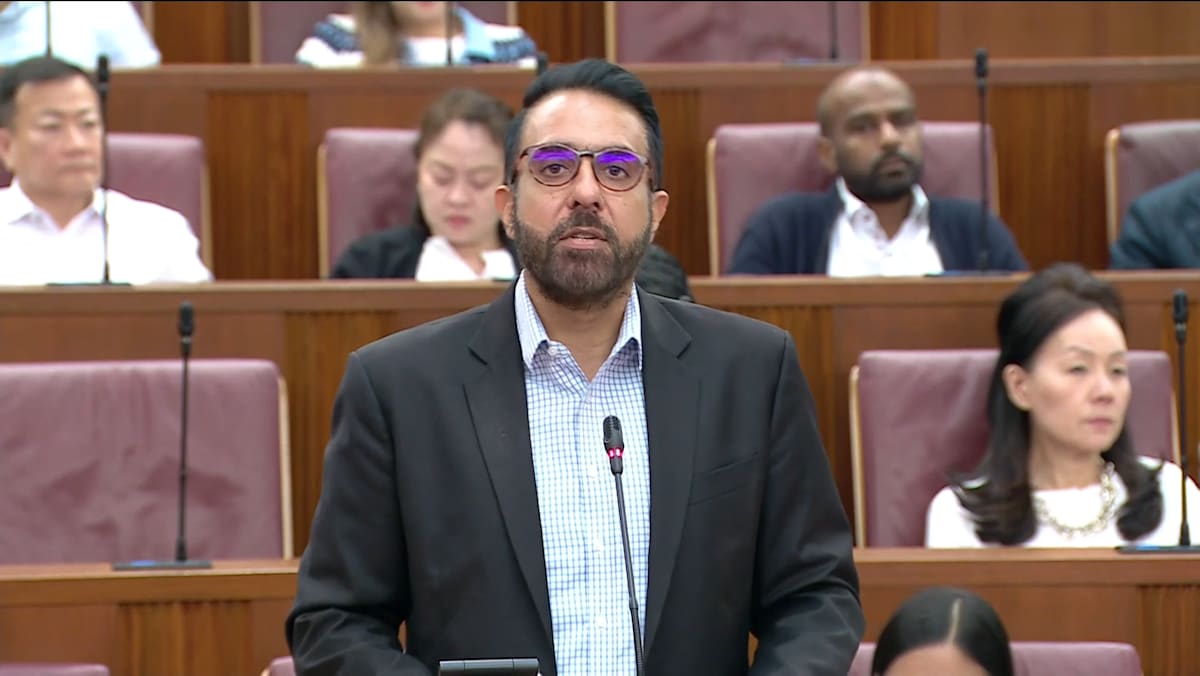
Mr Singh also called for the allowances of legislative assistants and secretarial assistants to be reviewed.
Workers' Party secretary-general Pritam Singh speaking in parliament on Sep 10, 2026.
This audio is generated by an AI tool.
SINGAPORE: The Workers’ Party (WP) supports the increase in Member of Parliament (MP) allowances due to inflation, and agrees with Prime Minister Lawrence Wong’s decision to cap the rise in ministerial salaries to 9 per cent, said party chief Pritam Singh on Thursday (Sep 10).
Speaking during a debate in parliament on the government’s response to a review committee’s recommendations on the matter, Mr Singh (WP-Aljunied) reiterated the party's differing view on the formula used to benchmark political salaries.
"Even though the committee has recommended to continue pegging ministerial salaries to the median salary of the top 1,000 earners in Singapore with a discount, the Workers’ Party takes the view a multiple of an MP’s salary pegged at that of a senior public servant combined with a more modest variable component would better serve Singapore and Singaporeans, and continue to attract good people to politics in this country we all call home," he said.
In his speech, the WP secretary-general also called for clarity on the scope, role and function of mayors, and for a review of the allowances provided to legislative assistants and secretarial assistants who help MPs in their duties.
POSITION UNCHANGED FROM 2012
CNA Games Guess Word Crack the word, one row at a time Buzzword Create words using the given letters Mini Sudoku Tiny puzzle, mighty brain teaser Mini Crossword Small grid, big challenge Word Search Spot as many words as you can Show More Show Less The WP’s view on how political salaries are derived has remained unchanged since 2012, said Mr Singh. “Like in 2012, the point of divergence is on the formula that the committee has adopted in its report. The Workers’ Party favours the one it laid out in parliament in 2012 which in our view went further to address the overly emotive element surrounding discussions on political salaries by pegging it to a more accessible reference point for the public,” he said. The party’s proposal would have led to “more modest” increases to a minister’s total salary over time, he said. Mr Singh noted that while Mr Wong has cited challenges in attracting high-quality private sector individuals to join the political leadership as ministers, the majority continue to be sourced from the public sector or civil service. “For some, it can be said that joining the government as ministers from the public sector potentially opens the door to a wage increase from the salary they previously earned in the civil service – a reality that is often overlooked when the focus is on ensuring that individuals drawn from the private sector can receive a competitive salary as ministers,” he said. He questioned if it is the reality of political service today, instead of salary, that dissuades many of those individuals from joining politics. “For some, it would not be out of order to suggest that no amount of money will persuade them to trade their suits and ties for grassroots activities and to immerse themselves in municipal concerns and in the rough and tumble of politics, since all ministers must first be elected as Members of Parliament,” said Mr Singh. “By the same token, I believe this House would agree with me when I say that Singaporeans would not be well served by any individual who winces at undertaking political groundwork, even if he or she is a corporate titan or private-sector high-flyer.” Mr Singh also called for disclosure of how actual total remuneration received by MR4 ministers – the lowest grade – has compared with the annual salary norm. Revealing the figures for the annual variable component, performance bonus and national bonus received, would provide a more accurate picture of what ministers have actually received in practice, said Mr Singh. The WP chief also noted the review committee’s calls for a wider range of salaries at each ministerial grade, to accommodate a greater diversity of talent. He cautioned that greater salary flexibility would also invite more public scrutiny of individual ministers' pay, given salaries ought to be transparent.
The WP’s view on how political salaries are derived has remained unchanged since 2012, said Mr Singh.
“Like in 2012, the point of divergence is on the formula that the committee has adopted in its report. The Workers’ Party favours the one it laid out in parliament in 2012 which in our view went further to address the overly emotive element surrounding discussions on political salaries by pegging it to a more accessible reference point for the public,” he said.
The party’s proposal would have led to “more modest” increases to a minister’s total salary over time, he said.
Mr Singh noted that while Mr Wong has cited challenges in attracting high-quality private sector individuals to join the political leadership as ministers, the majority continue to be sourced from the public sector or civil service.
“For some, it can be said that joining the government as ministers from the public sector potentially opens the door to a wage increase from the salary they previously earned in the civil service – a reality that is often overlooked when the focus is on ensuring that individuals drawn from the private sector can receive a competitive salary as ministers,” he said.
He questioned if it is the reality of political service today, instead of salary, that dissuades many of those individuals from joining politics.
“For some, it would not be out of order to suggest that no amount of money will persuade them to trade their suits and ties for grassroots activities and to immerse themselves in municipal concerns and in the rough and tumble of politics, since all ministers must first be elected as Members of Parliament,” said Mr Singh.
“By the same token, I believe this House would agree with me when I say that Singaporeans would not be well served by any individual who winces at undertaking political groundwork, even if he or she is a corporate titan or private-sector high-flyer.”
Mr Singh also called for disclosure of how actual total remuneration received by MR4 ministers – the lowest grade – has compared with the annual salary norm.
Revealing the figures for the annual variable component, performance bonus and national bonus received, would provide a more accurate picture of what ministers have actually received in practice, said Mr Singh.
The WP chief also noted the review committee’s calls for a wider range of salaries at each ministerial grade, to accommodate a greater diversity of talent. He cautioned that greater salary flexibility would also invite more public scrutiny of individual ministers' pay, given salaries ought to be transparent.
Mr Singh said it remains unclear to many Singaporeans what the job scope of mayors is, and why their pay needs to be linked to the political salary framework.
Noting that he had previously raised the topic in parliament, Mr Singh said many functions previously performed by the Community Development Councils, which mayors head, have gradually been devolved to other organisations, including Social Service Offices and other government agencies.
“The 2026 Review Committee has itself now recognised that the considerations for community-related roles such as MPs and mayors may differ from those for full-time political appointment holders,” he said.
He noted that the government has accepted the committee's recommendation to study how to delink payments for these roles from the MR4 ministerial benchmark, while ensuring they remain adequate for the roles to be carried out faithfully and effectively.
“Beyond confirming when the study is likely to be completed, I ask the government to include in its study if it intends to keep the Office of the Mayor and to explain its scope, role and function,” he said.
Mr Singh also called for a review of allowances for legislative assistants and secretarial assistants to MPs, something not included in the recent exercise.
The government said in March this year that the matter fell outside the review committee’s terms of reference, and that these allowances were last updated in 2007, said Mr Singh.
“It is appropriate to ask why, after 19 years, the remuneration and manpower support for these assistants remains static. Their allowances should also increase to accommodate the inflation over close to two decades,” said Mr Singh.
He added that legislative assistants and secretarial assistants help MPs discharge their responsibilities to their constituents or to parliament, and “they do so regardless of party affiliation”.
“It would be a travesty to overlook these individuals when considering the resources necessary for Members of Parliament to discharge their responsibilities effectively.”
POLITICAL RECRUITMENT
Mr Singh said that while Mr Wong highlighted how proper MP allowances enabled both the PAP and WP to recruit and field strong candidates and boost the quality of debate in parliament, "the raison d'être of both the WP and PAP is very different".
“Simply put, a sufficient MP allowance is not a reason Singaporeans choose to stand on the Workers’ Party ticket, and remuneration is not the device or platform through which the Workers’ Party attracts candidates or can attract candidates,” he said.
“The point I wish to make is not that MP remuneration is unimportant. It is that remuneration is not what drives an individual to become a Workers’ Party candidate.”
He said that WP candidates believe in a more balanced political system and are prepared to stand behind their convictions against significant odds, while working for Singaporeans on the ground.
“The reality is that winning an election for the opposition in a one-party dominant state, where the PAP remains electorally dominant, represents a gargantuan challenge for many, both personally and professionally,” said Mr Singh.
“For a WP candidate, there can be no assumption of electoral success, particularly given the structural advantages enjoyed by the incumbent governing party.”
Mr Singh said no WP candidate can reasonably take for granted that he or she will win the General Election and become an MP, let alone decide to stand for election on the basis of achieving remuneration prospects.
“We believe our political system and our country is strengthened, and not weakened, by a strong and sensible opposition presence in parliament, where at least one-third of the seats should be in opposition hands,” he said, emphasising the check-and-balance role of the opposition as an important ballast in Singapore’s political system.
“In our view, it also plays an important role in uniting our people – something that will become increasingly important for Singapore in the years to come.”
Get our pick of top stories and thought-provoking articles in your inbox
Stay updated with notifications for breaking news and our best stories
Join our channel for the top reads for the day on your preferred chat app
辛格先生还呼吁审查立法助理和秘书助理的津贴。
2026年9月10日,工人党秘书长普里坦·辛格在国会发表讲话。
这段音频是由人工智能工具生成的。
新加坡:工人党主席毕丹星周四(9月10日)表示,工人党支持因通货膨胀而提高国会议员津贴,并同意总理黄循财将部长薪金涨幅限制在9%的决定。
在国会就政府对审查委员会就此事提出的建议的回应进行辩论时,辛格先生(工人党-阿裕尼)重申了该党对用于衡量政治薪酬的公式的不同看法。
他说:“尽管委员会建议继续将部长薪酬与新加坡收入最高的1000人的平均薪酬挂钩,并给予一定折扣,但工人党认为,将议员薪酬设定为高级公务员薪酬的数倍,并辅以更为适度的浮动部分,将更好地服务于新加坡和新加坡人民,并继续吸引优秀人才投身我们共同的家园——新加坡的政治事业。”
工人党秘书长在讲话中还呼吁明确市长的职权范围、角色和职能,并审查向协助国会议员履行职责的立法助理和秘书助理提供的津贴。
与2012年相比,立场未变
CNA游戏 猜词游戏 逐行破解单词 流行词游戏 用给定的字母组成单词 迷你数独 小谜题,大脑筋急转弯 迷你填字游戏 小方格,大挑战 单词搜索 尽可能多地找出单词 显示更多 显示更少 辛格先生表示,工人党关于政治薪酬计算方式的观点自2012年以来一直未变。“与2012年一样,分歧点在于委员会在其报告中采用的计算公式。工人党倾向于其在2012年向国会提出的方案,我们认为该方案通过将其与公众更容易理解的参考点挂钩,进一步解决了围绕政治薪酬讨论的过度情绪化问题,”他说。他还表示,该党的提议将使部长的总薪酬随着时间的推移实现“更为温和”的增长。辛格先生指出,尽管黄循财先生曾提及吸引高素质的私营部门人士加入政府担任部长一职面临挑战,但大多数部长仍然来自公共部门或公务员队伍。“对一些人来说,从公共部门加入政府担任部长意味着有机会获得比之前在公务员岗位上更高的薪水——而当人们关注的重点是确保来自私营部门的人士能够获得具有竞争力的部长薪酬时,这一现实往往被忽视了。”他说道。他质疑,究竟是如今政治服务的现实,而非薪酬,才是阻碍许多人投身政坛的真正原因。“对一些人来说,或许可以说,再多的金钱也无法说服他们放弃西装革履,投身基层工作,投身市政事务,参与到错综复杂的政治斗争中来,因为所有部长都必须先当选为国会议员。”辛格先生说道。 “同样地,我相信国会也会同意我的观点:任何不愿从事政治基层工作的人,即便其是企业巨头或私营部门的精英,也无法为新加坡人民服务。”辛格先生还呼吁公开MR4部长(最低级别)的实际总薪酬与年度薪酬标准的对比情况。他表示,公布年度浮动薪酬、绩效奖金和国家奖金的具体数额,将更准确地反映部长们的实际收入。这位工人党主席还注意到,检讨委员会呼吁扩大各部长级别的薪酬范围,以吸纳更多不同类型的人才。他同时提醒,鉴于薪酬应当透明,更大的薪酬灵活性也会引发公众对部长个人薪酬的更多关注。
辛格先生表示,工人党对政治薪酬计算方式的看法自2012年以来一直没有改变。
他说:“和2012年一样,分歧点在于委员会在其报告中采用的方案。工人党倾向于采用其在2012年议会提出的方案,我们认为该方案通过将其与公众更容易理解的参考点挂钩,进一步解决了围绕政治薪酬讨论的过度情绪化问题。”
他表示,该党的提议将导致部长总薪酬随着时间的推移而出现“更为温和”的增长。
辛格先生指出,虽然黄先生曾表示,吸引高素质的私营部门人士加入政治领导层担任部长面临挑战,但大多数部长仍然来自公共部门或公务员队伍。
他说:“对一些人来说,从公共部门加入政府担任部长可能会让他们获得比之前在公务员岗位上更高的薪水——而当人们关注的重点是确保来自私营部门的人员能够获得具有竞争力的部长薪水时,这一现实往往被忽视了。”
他质疑,如今政治服务的现实,而不是薪水,是否才是阻碍许多人投身政治的真正原因。
辛格先生说:“对某些人来说,无论多少钱都无法说服他们放弃西装革履,投身基层活动,投身市政事务和政治斗争,因为所有部长都必须先当选为国会议员。”
“同样地,我相信本院也会同意我的观点,即任何不愿从事政治基层工作的人,即使是企业巨头或私营部门的佼佼者,也不会为新加坡人民服务。”
辛格先生还要求披露 MR4 级部长(最低级别)实际获得的薪酬总额与年度工资标准相比如何。
辛格先生表示,公布年度浮动部分、绩效奖金和国家奖金的具体数额,将能更准确地反映部长们实际获得的薪酬。
工人党主席也注意到检讨委员会呼吁扩大各部长级薪酬范围,以吸纳更多元化的人才。他同时提醒,鉴于薪酬应当透明,更大的薪酬灵活性也会招致公众对部长个人薪酬的更多审查。
辛格先生表示,许多新加坡人仍然不清楚市长的职责范围是什么,以及为什么他们的薪酬需要与政治薪酬框架挂钩。
辛格先生指出,他之前曾在议会提出过这个问题,并表示,以前由市长领导的社区发展委员会履行的许多职能已经逐渐下放给其他组织,包括社会服务办公室和其他政府机构。
他说:“2026 年审查委员会现在也认识到,对于议员和市长等社区相关角色,其考虑因素可能与全职政治任命人员的考虑因素有所不同。”
他指出,政府已接受委员会的建议,研究如何将这些职位的薪酬与 MR4 部长级基准脱钩,同时确保薪酬仍然足以使这些职位能够忠实有效地履行。
他说:“除了确认这项研究何时可能完成之外,我还要求政府在研究中纳入是否打算保留市长办公室的问题,并解释其范围、作用和职能。”
辛格先生还呼吁审查议员的立法助理和秘书助理的津贴,而最近的审查并未包括这一项。
辛格先生说,政府今年3月表示,此事超出了审查委员会的职权范围,而且这些津贴上次更新是在2007年。
辛格先生说:“我们有理由质疑,为什么19年过去了,这些助理的薪酬和人力支持仍然没有变化。他们的津贴也应该增加,以应对近20年来的通货膨胀。”
他还补充说,立法助理和秘书助理帮助议员履行对选民或议会的职责,“他们这样做与党派无关”。
“如果在考虑议员有效履行职责所需的资源时忽视这些人,那将是一种荒谬的局面。”
政治招募
辛格先生表示,虽然黄先生强调了适当的议员津贴如何使人民行动党和工人党都能招募和推出优秀的候选人,并提高议会辩论的质量,但“工人党和人民行动党的存在理由却截然不同”。
“简而言之,充足的议员津贴并不是新加坡人选择代表工人党参选的原因,薪酬也不是工人党吸引候选人的手段或平台,”他说。
“我想表达的观点并非议员薪酬不重要,而是薪酬并非促使一个人成为工人党候选人的根本原因。”
他表示,工人党候选人信奉更加平衡的政治制度,并准备在面临巨大困难的情况下坚持自己的信念,同时在基层为新加坡人民服务。
辛格先生说:“现实情况是,在一个由一党独大的邦,反对党赢得选举,对许多人来说,无论从个人还是职业角度来看,都是一个巨大的挑战。”
“对于工人党候选人来说,不能想当然地认为选举一定会成功,尤其考虑到执政党所享有的结构性优势。”
辛格先生表示,工人党候选人不能理所当然地认为自己会赢得大选并成为国会议员,更不用说仅仅因为薪酬前景而决定参选了。
“我们相信,议会中强大而理智的反对派的存在,能够加强我们的政治制度和国家,而不是削弱它们。议会中至少应该有三分之一的席位由反对派掌控。”他强调,反对派的制衡作用是新加坡政治制度中的重要支柱。
“我们认为,它在团结人民方面也发挥着重要作用——这一点在未来几年对新加坡来说将变得越来越重要。”
订阅我们的邮件,即可获取精选热点新闻和引人深思的文章。
订阅通知,第一时间获取突发新闻和精彩报道。
加入我们的频道,即可在您常用的聊天应用上获取当日热门文章。