Swiss panel audits 2022 contract, as F-35 cost surprise may shrink buy瑞士专家组审核2022年合同,F-35成本意外或将缩减采购规模
The Pentagon has cited inflation, rising raw material prices and supply chain disruptions as issues that led to price increases for F-35 production.
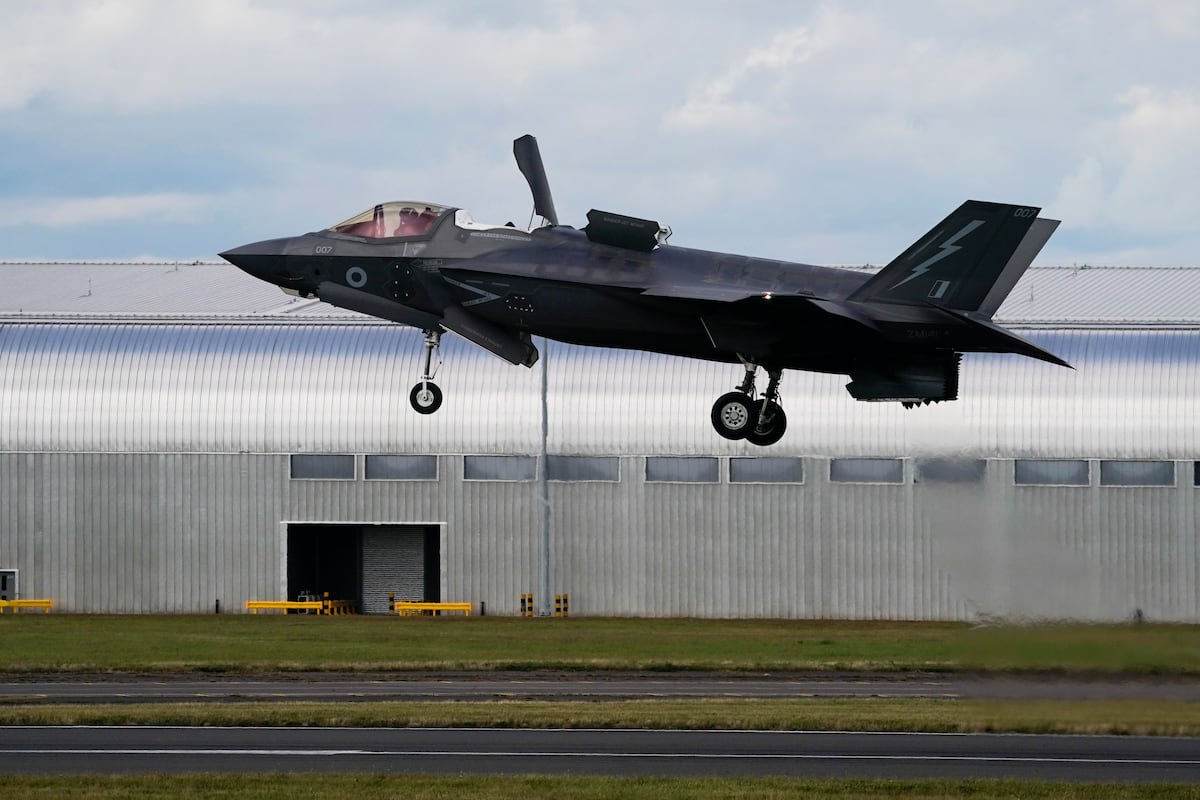
BERLIN – Switzerland’s order of F-35 fighter jets from Lockheed Martin will be significantly more expensive than originally expected, prompting introspection in Bern about possibly altering the procurement.
The original Swiss plan was for 36 jets of the F-35A variant at a fixed price of 6 billion Swiss francs ($7.55 billion). The procurement was decided in 2021 and the contract signed following parliamentary approval in September 2022, with the scope including the aircraft, logistics, training, ammunition and required infrastructure. The delivery was set for 2027 through 2030.
However, negotiations between Bern and Washington, including those between the two countries’ defense ministers, were unable to secure a fixed price, the Swiss government reported in August. Instead, this summer it was announced that the buy would be anywhere from CHF 650 million ($817 million) to CHF 1.3 billion ($1.63 billion) more expensive than initially planned, according to Swiss government estimates.
“The upper estimate contains a sizeable risk buffer, given the current economic uncertainties,” the Swiss defense ministry’s procurement office, Armasuisse, told Defense News. They declined to name details about the contract with the U.S.
The Pentagon has cited inflation, rising raw material prices and supply chain disruptions as issues that led to price increases for F-35 production. The Trump administration’s tariffs have also been cited as contributing to the increased cost per jet.
Despite the setback, Switzerland remains publicly committed to procuring the F-35, the government reaffirmed in an email. “The question is not whether the project will be continued, but rather an in-depth examination of the options for how to deal with the increased costs of procurement,” defense spokesperson Kaj-Gunnar Sievert said.
A referendum held in 2020 narrowly approved the purchase of new fighter jets for the set price of CHF 6 billion, with 50.1% of voters in favor of the deal to replace Switzerland’s aging F/A-18C/D Hornets from the 1990s.
Some, including several parties opposed to the deal, have called for a new referendum “so that the population can stop the procurement,” as the co-president of the Swiss social democrats put it.
The U.S. has slapped Switzerland with the highest tariffs in Europe, at 39%, significantly reducing political goodwill toward Washington. Swiss political parties across the spectrum have reacted with unprecedented criticism of US trade policy. The Federal Council, Switzerland’s seven-member collective head of state, has expressed “great regret” about the tariffs and criticized the punitive measures.
Meanwhile, a parliamentary commission has been tasked with finding out what went wrong in the procurement process for the F-35, the Swiss defense ministry confirmed in an email. It will “examine the background of the contractual situation that led to a misunderstanding with the American authorities,” Sievert said.
The commission is expected to deliver a report by November, he added. A separate working group created by the defense ministry will also make proposals on how to proceed from a military standpoint.
Notably, these won’t include any suggestion of exiting the contract altogether and procuring a different aircraft. “No alternative aircraft are being considered,” Sievert said. Nor will the procurement process be restarted from scratch.
But the door remains open to buy fewer aircraft. The working group is tasked with reevaluating the specifications for a new fighter jet to ensure Switzerland’s future air defense, which were written up in 2017. “In this context, they are also taking a look at the size of the fleet,” Sievert said.
Linus Höller is Defense News' Europe correspondent and OSINT investigator. He reports on the arms deals, sanctions, and geopolitics shaping Europe and the world. He holds master’s degrees in WMD nonproliferation, terrorism studies, and international relations, and works in four languages: English, German, Russian, and Spanish.
柏林——瑞士向洛克希德·马丁公司订购的F-35战斗机的价格将比最初预期的要高得多,这促使伯尔尼方面反思是否应该改变采购计划。
瑞士最初的计划是采购36架F-35A型战机,固定价格为60亿瑞士法郎(约合75.5亿美元)。该采购计划于2021年决定,并在2022年9月获得议会批准后签署合同,合同范围包括飞机、后勤保障、培训、弹药和必要的基础设施。交付时间定于2027年至2030年。
然而,瑞士政府8月份报告称,伯尔尼和华盛顿之间的谈判,包括两国国防部长之间的谈判,未能就固定价格达成一致。相反,根据瑞士政府的估计,今年夏天宣布的采购价格将比最初计划高出6.5亿瑞士法郎(8.17亿美元)至13亿瑞士法郎(16.3亿美元)。
瑞士国防部采购办公室Armasuisse告诉《防务新闻》:“鉴于当前的经济不确定性,最高估价已包含相当大的风险缓冲。”他们拒绝透露与美国签订的合同细节。
五角大楼指出,通货膨胀、原材料价格上涨和供应链中断是导致F-35战机生产成本增加的原因。特朗普政府的关税政策也被认为是造成单架战机成本上升的原因之一。
尽管遭遇挫折,瑞士政府在一封电子邮件中重申,瑞士仍将公开致力于采购F-35战机。国防部发言人卡伊-贡纳尔·西沃特表示:“问题不在于该项目是否会继续,而在于深入研究如何应对采购成本增加的各种方案。”
2020 年举行的全民公投以微弱优势批准以 60 亿瑞士法郎的固定价格购买新型战斗机,50.1% 的选民赞成这项交易,以取代瑞士 20 世纪 90 年代的老旧 F/A-18C/D 大黄蜂战斗机。
包括一些反对该协议的政党在内的一些人呼吁举行新的全民公投,“以便民众能够阻止采购”,正如瑞士社会民主党联合主席所说。
美国对瑞士征收了欧洲最高的关税,高达39%,这大大降低了瑞士民众对华盛顿的政治好感度。瑞士各政党都对美国的贸易政策做出了前所未有的批评。瑞士联邦委员会(瑞士七人国家元首机构)对关税表示“深切遗憾”,并批评了这些惩罚性措施。
与此同时,瑞士国防部在一封电子邮件中证实,议会已成立一个委员会,负责调查F-35战机采购过程中出现的问题。西沃特表示,该委员会将“审查导致与美国当局产生误解的合同背景”。
他补充说,该委员会预计将于11月提交一份报告。国防部设立的另一个工作组也将从军事角度提出应对方案。
值得注意的是,这些措施中并不包括彻底终止合同并采购其他飞机的提议。“我们没有考虑任何替代飞机,”西沃特说。采购流程也不会从头开始。
但减少飞机采购的大门依然敞开。该工作组的任务是重新评估新型战斗机的规格,以确保瑞士未来的防空能力,这些规格于2017年制定。“在此背景下,他们也在考虑机队的规模,”西沃特说。
林努斯·霍勒是《防务新闻》的欧洲记者和开源情报调查员。他报道影响欧洲乃至全球的军火交易、制裁和地缘政治。他拥有大规模杀伤性武器不扩散、恐怖主义研究和国际关系三个硕士学位,并精通英语、德语、俄语和西班牙语四种语言。