DOD needs more consistent Indo-Pacific deterrence funding, GAO says美国政府问责局表示,国防部需要更稳定的印太地区威慑资金。
An annual assessment of how DOD funds deterrence efforts in the Indo-Pacific revealed problematic inconsistencies, according to a GAO report.
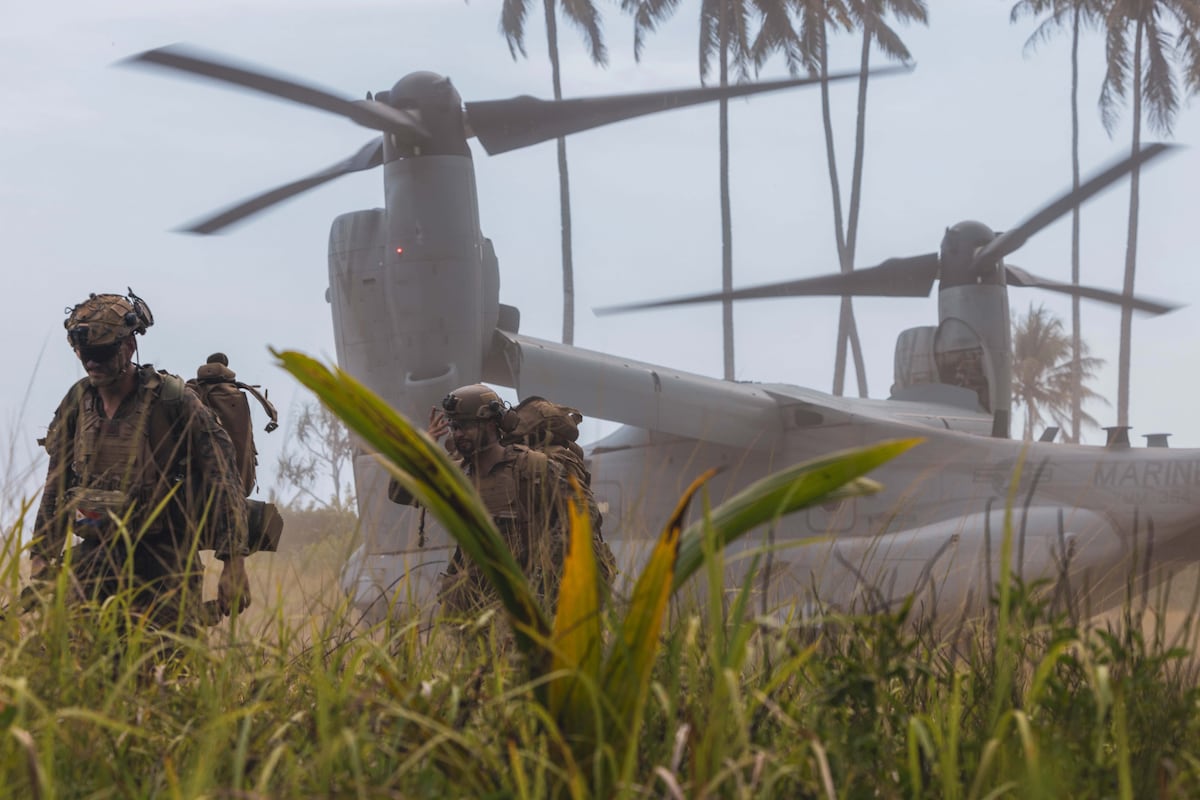
As the U.S. military continues to build up forces to deter China in the increasingly contested Indo-Pacific region, a recent Government Accountability Office report claims that clear guidance on how it funds those deterrence efforts has yet to be provided.
Each year, the Defense Department selects programs, equipment, research and support initiatives to include in the annual Pacific Deterrence Initiative budget.
The PDI originated as a way for the government to gain insight into how DOD is distributing funds to counter evolving threats posed by the People’s Republic of China .
The GAO report analyzed the Defense Department’s annual PDI budget from fiscal years 2023 through 2025 and determined that there were inconsistencies within the program that do not “reflect department-wide priorities or requirements and present an inconsistent mix of programs and funding.”
One example, according to the report , was that the Air Force and Marine Corps sought funding for facilities sustainment programs, which identify and assess risks, while the Army and Navy did not.
The GAO report also identified that some DOD organizations included development programs that are unlikely to be effective within five years, despite the guidance’s near-term focus.
Additionally, there were select efforts that were highlighted as being geographically located east of the International Date Line, while the PDI guidance focuses primarily on efforts to its west.
“Inconsistent program selection has limited visibility and weakened the initiative’s value,” the report’s authors wrote. “These issues stem, in part, from DOD’s unclear internal guidance on how to select programs for inclusion in the PDI budget exhibit.”
The GAO went on to note that the programs and funding presented in the annual budget exhibit were different from those included in the Indo-Pacific Command’s independent assessment, which “is based on its strategy and assumes unlimited resources,” the authors wrote.
“While some of the differences can be attributed to that assumption, there are also differences in the types of funded programs prioritized,” the report states. “This raises questions about the extent of DOD’s resourcing needs for the Indo-Pacific region.”
Together, the inconsistencies make assessing alignment between DOD resources and strategic goals more difficult, the report states.
“Unless DOD improves its internal processes and clarifies what the PDI exhibit is intended to convey, Congress will continue to face challenges in using it to assess progress toward deterrence and posture objectives in the Indo-Pacific region,” the report’s authors conclude.
“Addressing these issues would help ensure the PDI budget exhibit provides clear, consistent and credible information on how the department is aligning resources to increase capability and readiness in the Indo-Pacific.”
随着美国军方不断加强在竞争日益激烈的印太地区的军事力量以威慑中国,美国政府问责局最近的一份报告称,尚未提供关于如何为这些威慑行动提供资金的明确指导。
每年,国防部都会挑选一些项目、设备、研究和支持计划纳入年度太平洋威慑计划预算。
PDI 的起源是政府了解国防部如何分配资金以应对中华人民共和国不断演变的威胁的一种方式。
美国政府问责局 (GAO) 的报告分析了国防部 2023 至 2025 财年的年度 PDI 预算,并认定该计划内部存在不一致之处,未能“反映部门整体的优先事项或要求,并呈现出计划和资金组合不一致的情况”。
报告举例说,空军和海军陆战队寻求资金用于设施维护计划,以识别和评估风险,而陆军和海军则没有这样做。
GAO 的报告还指出,尽管指导方针侧重于近期目标,但一些国防部机构制定的发展计划不太可能在五年内取得成效。
此外,还有一些特别的努力被强调为地理位置位于国际日期变更线以东,而 PDI 指南主要侧重于国际日期变更线以西的努力。
报告作者写道:“项目选择标准不一致限制了项目的可见性,削弱了该计划的价值。这些问题部分源于国防部内部关于如何选择纳入PDI预算展示的项目的指导方针不够清晰。”
美国政府问责局 (GAO) 还指出,年度预算报告中列出的项目和资金与印太司令部独立评估中包含的项目和资金有所不同,后者“基于其战略并假设资源无限”,作者写道。
报告指出:“虽然部分差异可归因于这一假设,但优先资助的项目类型也存在差异。这引发了人们对美国国防部在印太地区资源需求规模的质疑。”
报告指出,这些不一致之处加在一起,使得评估国防部资源与战略目标的一致性变得更加困难。
报告作者总结道:“除非国防部改进其内部流程并澄清PDI展览旨在传达的内容,否则国会在利用该展览评估印太地区威慑和态势目标的进展方面将继续面临挑战。”
“解决这些问题将有助于确保 PDI 预算展示提供清晰、一致和可信的信息,说明国防部如何调整资源以提高印太地区的能力和战备水平。”