New year brings same government shutdown threats新年伊始,政府停摆的威胁依旧存在。
Congress enters 2024 without a clear plan for federal spending, just a few weeks before another budget deadline.
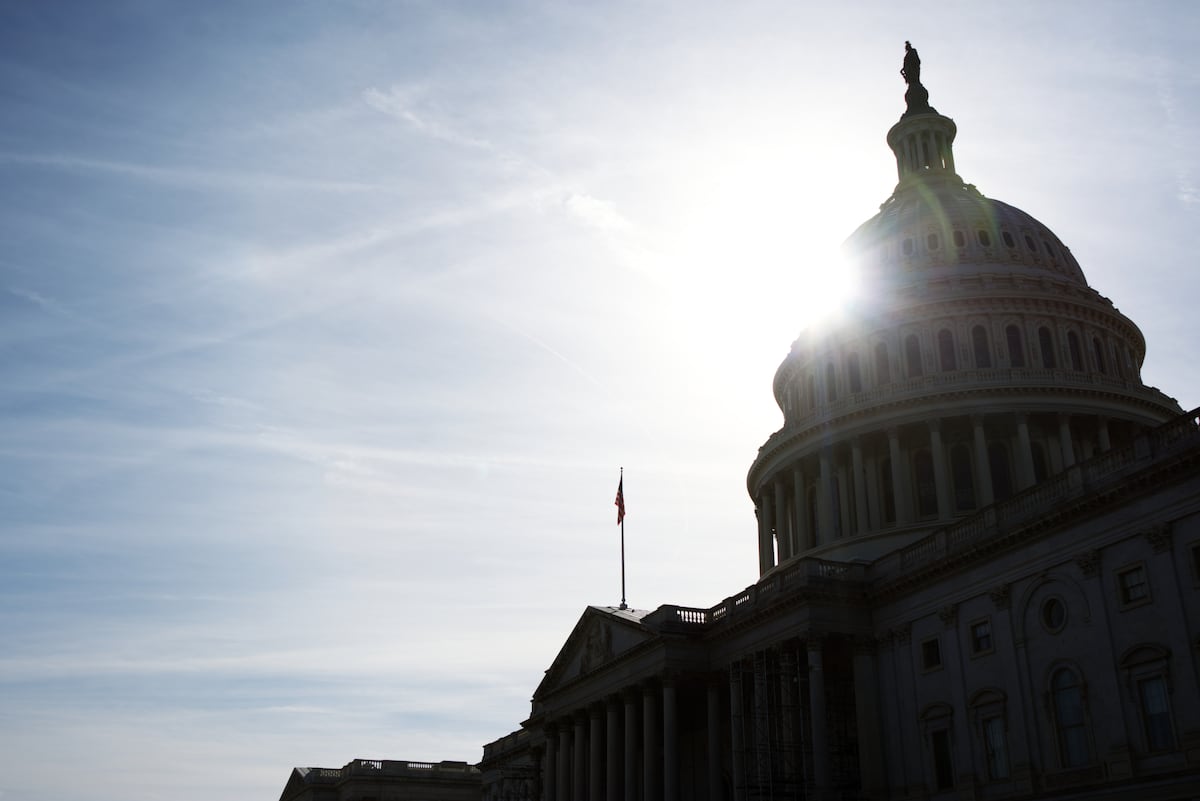
Congress will start 2024 in much the same way it spent most of 2023: staring down the possibility of a shutdown because of ongoing fights over the federal budget.
After passing a short-term budget extension in early November, lawmakers are again faced with the possibility of disruptions in military funding and government operations if they can’t come to an agreement over a full-year budget plan in the next few weeks. And their decisions in early January could cause problems for the fiscal 2025 budget before work on that spending plan even begins.
Fiscal 2024 began on Oct. 1, so federal agencies are already nearly three months into new spending cycles without appropriate changes in their funding plans. Pentagon leaders have said that means some new programs and purchases have been delayed until a new full-year budget plan is passed.
When that will happen is unclear. Congress actually faces a pair of potential shutdown deadlines in the next few weeks.
The short-term spending deal approved in November extended funding for the Department of Veterans Affairs , the Department of Housing and Urban Development and a few other agencies until Jan. 19. If a budget deal is not reached before then, only those offices would be forced into partial closure.
Meanwhile, VA does have advance appropriations to keep hospitals, benefits offices and most other operations going past that date. So, a partial government shutdown in late January may have a limited impact on military and veteran families.
But Defense Department funding — as well as Homeland Security and the rest of the government — only runs until Feb. 2. If a budget deal is not reached before then, troops’ paychecks will halt, non-essential base services will shutter and family moves will be postponed.
Both Democrats and Republicans in Congress have said they hope to avoid that, but they remain far apart on a compromise.
House Republican leaders have insisted that spending limits must be part of any full-year budget deal. White House officials have insisted that lawmakers follow the budget outlines agreed upon early last summer, as part of the debt limit extension deal.
Typically, work begins on the next year’s federal budget plan in early February. In 2024, lawmakers may still not have last year’s work finished by that time.
Leo covers Congress, Veterans Affairs and the White House for Military Times. He has covered Washington, D.C. since 2004, focusing on military personnel and veterans policies. His work has earned numerous honors, including a 2009 Polk award, a 2010 National Headliner Award, the IAVA Leadership in Journalism award and the VFW News Media award.
国会2024年的开端与2023年的大部分时间里的情况大致相同:由于联邦预算的持续争论,国会面临着停摆的可能性。
11月初通过短期预算延期后,如果议员们在未来几周内无法就全年预算方案达成一致,他们将再次面临军费和政府运作中断的风险。而且,他们在1月初的决定可能会在2025财年预算制定工作开始之前就给该预算带来问题。
2024财年于10月1日开始,这意味着联邦机构的新支出周期已经进行了近三个月,但其资金计划仍未做出相应的调整。五角大楼领导人表示,这意味着一些新项目和采购将被推迟,直到新的全年预算方案获得通过。
何时发生尚不清楚。事实上,国会未来几周将面临两次可能导致政府停摆的最后期限。
11月批准的短期支出协议将退伍军人事务部、住房和城市发展部以及其他一些机构的资金延长至1月19日。如果在此之前未能达成预算协议,则只有这些部门将被迫部分关闭。
与此同时,退伍军人事务部已预先获得拨款,足以维持医院、福利办公室和大多数其他机构在1月下旬之后继续运转。因此,1月下旬的部分政府停摆可能对军人和退伍军人家庭的影响有限。
但国防部、国土安全部以及政府其他部门的拨款只到2月2日为止。如果在此之前未能达成预算协议,军队的工资将停止发放,非必要的基地服务将关闭,家属搬迁计划也将被推迟。
国会中的民主党人和共和党人都表示希望避免这种情况,但他们在妥协方案上仍然存在很大分歧。
众议院共和党领导人坚持认为,任何全年预算协议都必须包含支出上限条款。白宫官员则坚持要求立法者遵循去年夏天初达成的预算纲要,该纲要作为债务上限延期协议的一部分。
通常情况下,下一年度的联邦预算计划会在二月初开始制定。但到了2024年,立法者们可能还没完成去年的工作。
利奥为《军事时报》报道国会、退伍军人事务部和白宫的新闻。自2004年以来,他一直报道华盛顿特区的新闻,重点关注军人和退伍军人政策。他的作品荣获多项荣誉,包括2009年波尔克奖、2010年国家头条新闻奖、国际退伍军人协会新闻领导力奖和美国退伍军人协会新闻媒体奖。