Data centre projects put on hold in Bangkok as officials scramble to examine the impact of the industry曼谷数据中心项目暂停,官员们正紧急评估该行业的影响
Governor Chadchart slams the brakes on Bangkok’s data centre rush amid huge fuel reserves and rising power and water demands. TikTok’s ฿842 billion expansion dominates… Read More ›
新闻视频
September 3, 2026 at 9:45 pm
in Economy , Living , Media , Politics , Thailand
Bangkok slammed the brakes on its data centre boom on Wednesday as Governor Chadchart Sittipunt froze new large projects. Three applications were shelved, while officials ordered inspections covering diesel tanks, electricity demand, water use, heat, noise and construction permits. The move brought a fast-emerging economic problem directly before the government and regulators. These centres consume immense resources, require vast capital and create relatively few permanent jobs. Yet one giant approval can distort Thailand’s entire private investment picture while the underlying economy remains weak. TikTok’s ฿842 billion expansion alone dominated a ฿958 billion approval wave in May. Meanwhile, fuel reserves approaching 500,000 litres have intensified safety concerns around inner-city sites. With Texas and Ireland already tightening controls, Thailand must now determine whether its power networks, water supplies and outdated regulations can sustain the AI-driven investment rush.
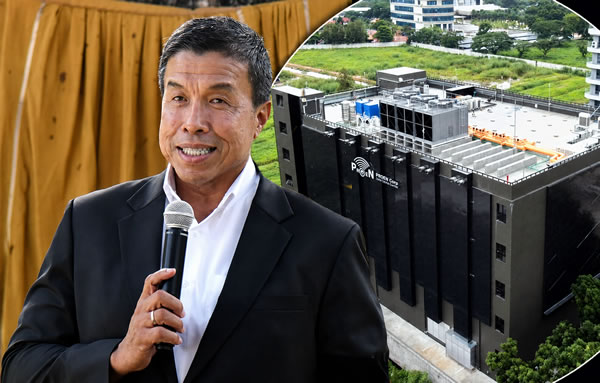
Governor Chadchart Sittipunt freezes new Bangkok data centres amid power and water fears. TikTok’s ฿842 billion expansion distorts investment figures while jobs remain scarce. ( Source: Khaosod )
Bangkok Governor Chadchart Sittipunt froze all new large data centre approvals in the capital on Wednesday. He also ordered full inspections of projects already awaiting decisions. The move followed concerns over diesel storage, electricity demand, water consumption, noise, heat and public safety. In response, three pending stand-alone data centre applications have been shelved.
Each project must now undergo fresh examination under standards being prepared by City Hall and national agencies. At the same time, the Energy Ministry has suspended new fuel-storage permits linked to data centres. Existing facilities will face checks covering tanks, generators, licences and authorised diesel volumes. “There are no new licences for big projects now,” Mr Chadchart said.
The governor announced the measures at Bangkok City Hall on September 2. Thitipat Chotidechachainan, secretary to Energy Minister Akanat Promphan, joined the briefing. Separately, executives from Bangkok’s electricity and water agencies explained the current demands on their networks. Together, the officials addressed questions surrounding construction permits and large emergency fuel reserves.
Diesel storage claims trigger inspections, prosecution warnings and a national halt on new permits
Public attention has focused on data centres around Ramkhamhaeng and Rama IX. One report claimed a Ramkhamhaeng Soi 28 facility could eventually store approximately 400,000 litres of diesel. Other accounts placed its planned full capacity closer to 500,000 litres. However, officials said the centre currently has permission to store only 200,000 litres.
Under the order, inspectors will establish how much fuel is actually held at the site. Any amount exceeding the licensed limit could result in prosecution. Officials will also examine the fuel arrangements at projects around Rama IX. Likewise, legal action will follow if an operator stores diesel without permission.
Ms Thitipat said the Department of Energy Business would pursue every confirmed breach. Offences can bring imprisonment of up to two years and a maximum ฿200,000 fine. For now, the department has stopped issuing new fuel-storage permits for data centres. The suspension will remain while the government writes new operating standards.
Energy Minister Akanat Promphan instructed applicants to stop their applications during the review. His order covers proposed data centres and their emergency fuel facilities. In parallel, officials will inspect permits already issued and compare them with actual storage. Operators must prove that every tank complies with its approved volume and safety conditions.
Mr Chadchart said Bangkok had not ignored concerns surrounding the industry. Previously, City Hall received complaints about a project close to Rama IX Hospital. Three weeks before Wednesday’s briefing, the governor ordered officials to withhold further approvals. Other agencies had also stopped processing additional applications linked to oil storage.
Bangkok’s data centres grow beyond company use as six large projects expose serious regulatory gaps
Bangkok currently contains between 30 and 40 data centres. Most are small operations serving the internal requirements of individual companies. Many have operated for more than a decade without reported pressure on public utilities. By contrast, stand-alone centres sell storage and processing services to outside organisations.
These commercial facilities can be considerably larger than centres inside conventional business premises. Their servers run continuously and cannot simply stop during a power failure. Consequently, they require industrial cooling systems, high-capacity electricity connections and emergency generators. Their expansion has exposed gaps across Bangkok’s building, planning and environmental regulations.
Six large data centre projects applied for Bangkok Metropolitan Administration permission during 2021 and 2022. Three applications subsequently received approval. The remaining three have now been suspended for detailed reassessment. Once completed, the new standards will determine whether those projects can proceed.
Crucially, Thai law previously lacked an official definition for a data centre. Developers therefore submitted construction applications under regulations governing warehouses. Those rules were not written for buildings packed with servers, generators and powerful cooling equipment. They also failed to reflect the constant demands of modern computing facilities.
Warehouse rules leave major data centres outside environmental and industrial licensing controls
Warehouse regulations did not automatically require an environmental impact assessment. Nor did every project need an industrial factory licence. In practice, fuel storage, electricity consumption and heat discharge fell under different agencies. No single approval covered every feature of a centre.
Mr Chadchart rejected claims that warehouse applications automatically represented regulatory avoidance. Developers had used the classification available under the law. Even so, he accepted that the framework was incomplete. Stand-alone data centres had developed faster than the regulations controlling them.
A data centre does not function like an ordinary warehouse. Neither does it operate as conventional office space. Notably, its buildings contain costly equipment but relatively few workers. Existing categories therefore failed to describe its purpose, risks or resource requirements.
The Prime Minister’s Office introduced a formal data centre definition in August. That definition will provide a common basis for national and Bangkok regulations. From there, agencies can apply the same description across planning, construction, electricity and water rules. It can also support controls covering fuel, communications and environmental effects.
Bangkok plans to add the definition to its revised comprehensive city plan. City Hall will also consider specific building requirements for major computing facilities. As part of this, officials will examine whether environmental impact assessments should become compulsory. They will also consider excluding large centres from particular districts.
Bangkok weighs location curbs as fibre networks draw large data centres into crowded central districts
Any geographical restrictions could be incorporated into Bangkok’s planning regulations. Before that happens, officials must examine different centre types, sizes and operating requirements. Beyond that, they must balance network access against the limitations of crowded urban locations. Mr Chadchart said location remained an important operational issue.
Bangkok offers dense fibre-optic networks and links to international internet gateways. The capital also has stable electricity infrastructure and access to trained technical staff. In addition, operators can locate processing facilities close to customers and major sources of information. That proximity can reduce delays in sending and receiving data.
The reduced delay, commonly called latency, is important for several digital services. It also explains why operators have selected Rama IX and Ramkhamhaeng. Against this background, Mr Chadchart addressed questions about centres operating inside heavily populated districts. “This is based on AI analysis; I’m not an expert, but I think people will ask this question.”
Rama IX contains extensive fibre-optic infrastructure and strong connections to Bangkok’s wider network. The district also provides easy access to technical personnel and electricity supplies. Yet it contains homes, hospitals, offices, shops and heavily used roads. Accordingly, fuel storage and generator testing have attracted particular scrutiny.
Residents previously complained about generator testing near one Rama IX project. Those complaints followed tests conducted during the night. Conversely, City Hall received no similar reports concerning daytime testing. Officials will now examine testing procedures and possible controls on operating hours.
Oil smells, emergency generators and vast diesel reserves sharpen safety concerns across Bangkok
Reports of an oil smell around one facility triggered another inquiry. Mr Chadchart asked the Energy Ministry to establish its source. Meanwhile, residents can file similar reports through Bangkok’s Traffy Fondue platform. City Hall will investigate complaints involving fuel smells, noise, heat or construction work.
Fuel storage has become the most immediate safety question. Data centres require emergency generators to protect servers and stored information during power failures. On that basis, international operating requirements generally demand enough fuel for 48 hours of generation. A large centre can therefore require hundreds of thousands of litres of diesel.
Thai regulations permit organisations to store up to 500,000 litres for internal operations. Storage beyond that limit can also conflict with Bangkok planning rules. As a consequence, the diesel ceiling indirectly restricts the size of inner-city data centres. Larger centres generally require bigger generators and greater emergency reserves.
The Department of Energy Business will determine whether the existing limit remains suitable. It will also review engineering and safety conditions governing tanks already installed. On safety, Mr Chadchart called for detailed inspections capable of reassuring nearby communities. Any confirmed violation would trigger action under existing law.
Bangkok has approximately 56 premises licensed to store fuel for their own operations. The number covers several types of business and excludes ordinary retail fuel sales. Data centres form only one part of that group. Nevertheless, Mr Chadchart called for stricter inspections across all such premises.
Bangkok centres draw modest power as fuel tanks face strict licensing and tight fire-safety controls
The diesel held at these sites belongs to the businesses and is not sold to motorists. Every tank must still comply with licensing, engineering and fire-protection rules. For comparison, urban petrol stations can also store hundreds of thousands of litres. Those businesses operate under established requirements covering tanks, pumps and emergency systems.
Electricity consumption presents a separate challenge. Bangkok’s existing centres remain smaller than hyperscale projects planned in other provinces. Kasem Sathonghak, assistant governor of the Metropolitan Electricity Authority, detailed their current requirements. He said a typical Bangkok centre was designed for approximately 20 megawatts.
Actual electricity consumption averaged only about eight megawatts. The requested supplies also remained within the Metropolitan Electricity Authority’s available capacity. On another front, the centres received power through arrangements separate from ordinary distribution. Mr Kasem said current operations had not disrupted household or business supplies.
“The Metropolitan Electricity Authority can supply power,” he said. “Their energy consumption is very small compared with large facilities like department stores which consume more than 100 megawatts each.” The second quotation exceeds 20 words because its original wording has been preserved. Mr Chadchart also confirmed that residents had suffered no electricity impact.
Future projects raise power and water demands despite limited effects from centres now operating
Current demand does not settle the issue surrounding future projects. Indeed, centres outside Bangkok can require several hundred megawatts each. Many are planned for the Eastern Economic Corridor and neighbouring provinces. The electricity question therefore extends far beyond six applications inside the capital.
Water consumption has drawn similar attention. Large Bangkok data centres use approximately 7,800 cubic metres each month. By comparison, a large hospital can consume about 20,000 cubic metres. Major shopping centres can use between 30,000 and 40,000 cubic metres monthly.
Supichete Thavorntaveevong, deputy governor of the Metropolitan Waterworks Authority, supplied those figures. He said existing data centres had not affected Bangkok’s public water services. Looking ahead, the agency will help screen proposed operations for City Hall and the Energy Ministry. It will assess consumption and possible effects on neighbouring users.
“There has not been any impact on water services in Bangkok yet,” Mr Supichete said. “The Metropolitan Waterworks Authority is ready to support data centre supervision by the Ministry of Energy and the Bangkok Metropolitan Administration.” He added: “We will try to prevent or minimise impacts.” These direct quotations retain his original wording.
Data centres use water mainly to cool servers and electrical systems. Some of that water evaporates during the process. Meanwhile, another portion can be collected, cooled and reused. Officials said the process did not normally produce polluted wastewater.
City Hall examines heated water and server heat as Thailand’s data centre investment boom accelerates
Even then, Mr Chadchart ordered checks for releases of heated water into Bangkok’s canals. Such discharges could require controls even without chemical contamination. As a next step, environmental assessments may include temperature monitoring and reporting requirements. Operators could also face demands to explain their cooling technology before construction.
Officials will separately examine heat released by large concentrations of computing equipment. Data centres can contain thousands of servers operating around the clock. Inevitably, their cooling systems must continuously remove heat from the machinery. Mr Chadchart said City Hall had received no heat-related complaints from existing facilities.
Future projects could operate on a far greater scale. For that reason, officials will study building design, cooling technology and possible effects beyond each site. They will also examine whether Bangkok remains suitable for the largest developments. City-planning rules could then direct them towards other locations.
The Bangkok intervention comes during a massive national expansion of the industry. Construction accelerated after 2023 under the former Pheu Thai-led government. Nationally, Thailand was promoted as a regional centre for cloud computing and artificial intelligence. Global technology groups then announced huge investment commitments.
Amazon Web Services committed US$5 billion over 15 years. Google subsequently announced an investment of US$1 billion. Microsoft confirmed plans for its first data centre region in Thailand. Alongside them, Chinese, Singaporean and Middle Eastern investors entered or expanded within the market.
TikTok dominates a huge ฿958 billion approval wave as Thailand draws global data centre investment
During 2025, applications for 36 data centre projects exceeded ฿728 billion. The Board of Investment later approved another four projects worth ฿96 billion. Then, in May 2026, the scale of the approvals changed dramatically. Six major projects received approval with a combined value of ฿958 billion.
Three data centre and hosting developments accounted for ฿913 billion of that package. In effect, digital infrastructure represented more than 95% of the approved value. TikTok System (Thailand), linked to China’s ByteDance group, dominated the figures. Its expansion alone carried a reported value of ฿842 billion.
The TikTok project covers Bangkok, Samut Prakan and Chachoengsao. It will add servers and expand data storage and processing capacity. Furthermore, the facilities will serve rising regional demand for digital services. The total approved investment was valued at approximately US$25 billion.
TikTok had previously announced a US$8.8 billion Thai investment programme over five years. Before that, a US$3.8 billion hosting project received approval in January 2025. Operations were expected to begin during 2026. It remained unclear whether the earlier figures formed part of the later approval.
Within the May package, Skyline Data Centre and Cloud Services secured another major approval. The company is linked to the United Arab Emirates-based DAMAC Group. Its ฿46 billion centre in Chachoengsao will carry a 200-megawatt information technology load. Bridge Data Centres also received approval for a ฿24.6 billion Chonburi project.
Massive project values distort investment figures while major Thai data centre approvals multiply
The Singapore-linked Bridge development will support a 134-megawatt information technology load. Earlier, several other investors had obtained permission for large Thai facilities. In March 2025, data centre and cloud approvals reached ฿90.9 billion. That package included a 300-megawatt project from Beijing Haoyang Cloud and Data Technology.
The Chinese development was valued at ฿72.7 billion. Additionally, GSA Data Center 02 received approval for a ฿13.5 billion centre. Singapore-based Empyrion Digital was also included in that investment round. Multiple large projects were therefore already moving through Thailand’s fragmented approval system.
The sheer figures transformed Thailand’s reported investment totals. A single data centre decision could dominate an entire reporting period. Most strikingly, TikTok’s ฿842 billion project exceeded the annual investment totals of many industrial sectors. One approval could decide whether private investment appeared to surge, stagnate or contract.
An approved investment does not mean the full amount has entered the economy. Nor does it prove that every building, server or electrical system has been installed. In reality, major centres can take several years to finance, construct, equip and connect. Spending also depends on construction schedules and final operating requirements.
Imported equipment, limited jobs and divided regulation complicate Thailand’s data centre expansion
Some equipment will be imported rather than manufactured inside Thailand. As such, the approved value does not translate directly into domestic output. Data centres also require extremely high initial expenditure. Most capital pays for servers, electrical systems, cooling equipment and specialised buildings.
Once operational, these centres can employ relatively few permanent workers. Their employment profile differs sharply from labour-intensive manufacturing projects of comparable value. Therefore, investment value and lasting job creation require separate measurement. The same distinction applies to domestic purchasing and local supply-chain activity.
The expansion also exposed Thailand’s divided regulatory structure. No single agency controls every element of a data centre project. Institutionally, City Hall handles planning and construction permission inside Bangkok. The Department of Energy Business regulates fuel storage.
Electricity providers assess power connections and emergency generating arrangements. Water agencies examine supply requirements and possible discharges. The National Broadcasting and Telecommunications Commission regulates qualifying communications services. Elsewhere in the system, the Board of Investment handles promotion and tax privileges.
The Digital Economy and Society Ministry supervises other parts of digital infrastructure. Yet no individual permit proves that a centre holds every required approval. On Tuesday, Digital Economy and Society Minister Chaichanok Chidchob raised that concern publicly. He said many centres could be operating without complete permission in Bangkok.
Government forms central policy board as Thailand and Texas suspend further data centre approvals
Officials were also checking fuel stockpiling and the foreign investment status of some facilities. To close the gap, the government established a Data Centre Business Policy Committee. Deputy Prime Minister and Finance Minister Ekniti Nitithanprapas chairs the body. Its first meeting was scheduled for September 4 at 8.30 am.
Mr Chadchart and Energy Minister Akanat Promphan were due to attend. Environmental, utility and investment agencies were also expected to participate. At the policy level, the committee will connect separate regulators and establish common conditions. It will cover electricity, water, fuel, safety and environmental requirements.
Economic benefits and investment incentives will also form part of the review. Ahead of that meeting, the Board of Investment had already stopped approving new projects in April. Developments currently proceeding therefore obtained investment promotion before the suspension. New applications cannot advance until the wider framework is settled.
Thailand is not alone in tightening controls. Overseas, Texas recently suspended new data centre connections to its electricity grid. The state had become one of America’s fastest-growing technology centres. Yet electricity requests from proposed projects climbed at an extraordinary rate.
Texas connection requests increased from 48 gigawatts in 2023 to 474 gigawatts. Across major American electricity regions, proposed large connections exceeded 700 gigawatts. Taken together, that was more than ten times the industry’s estimated current national demand. It also equalled the combined electricity consumption of every American household.
Texas targets ghost demand as tougher fees expose speculative projects without finance or customers
Regulators found that some applications were duplicated. Others came from companies without confirmed customers, finance or technical expertise. As a result, grid planners could not treat every request as genuine future consumption. The inflated projections became known as “ghost demand”.
Power companies risked building costly infrastructure for centres which might never open. In response, Texas Governor Greg Abbott ordered a detailed audit of proposed connections. Developers must identify their true owners and explain their financing. They must also disclose water consumption, onsite generation, tax benefits and community effects.
Texas stopped new grid approvals while officials checked the project pipeline. Other American states introduced deposits and connection-study fees. Following those changes, several utilities sharply reduced their expected demand figures. The tougher requirements quickly removed projects lacking financial substance.
Chicago-based Exelon cut its estimate of possible data centre demand by 40%. Its forecast fell to approximately 11 gigawatts after tighter deposit requirements. Meanwhile, AEP Ohio recorded a reduction exceeding half. That fall followed legislation imposing a US$100,000 infrastructure study fee.
Pennsylvania tightened requirements for projects demanding at least 25 megawatts. More than 100 developments had been proposed across the state. Notably, only about 20 had filed proper applications. Many lacked an identified electricity source or confirmed customer.
Ireland tightens power rules while Bangkok confronts regulatory gaps rather than utility shortages
Ireland has also restricted data centre expansion. Its centres already consume a substantial share of national electricity. Earlier connection limits around Dublin reflected pressure on generating capacity and transmission networks. Subsequently, Ireland introduced tougher requirements for new facilities.
New centres must provide dispatchable electricity generation or storage. That capacity must support their maximum connection requirements. Moreover, operators must demonstrate access to additional renewable electricity. Those conditions force developers to carry more of their own power requirements.
Bangkok has not reported shortages comparable to Texas or Ireland. Its existing facilities remain within available electricity and water capacity. Unlike those markets, its immediate problem centres on incomplete rules and divided responsibility. Wednesday’s suspension stops another wave of projects before further city permits are issued.
Each agency must continue using its present legal powers during the review. The Department of Energy Business can stop unlawful fuel storage. Should electricity consumption threaten public supplies, the Metropolitan Electricity Authority can intervene. Water agencies can also act against improper discharges or excessive demand.
Bangkok keeps applications frozen as inspections continue and national operating rules take shape
The Bangkok Metropolitan Administration remains responsible for construction and nuisance breaches. Mr Chadchart said no agency could deny responsibility during the regulatory gap. Pending new rules, inspections and enforcement will continue under existing laws. Confirmed violations will therefore face immediate action.
For now, Bangkok’s three pending stand-alone applications remain frozen. New data centre fuel-storage permits have also stopped. Simultaneously, existing facilities face renewed checks covering tanks, generators, licences and operating conditions. Public complaints about noise, fuel smells or heat will also be investigated.
Ultimately, the government committee must establish national conditions for future development. Those rules will cover location, size, electricity, water, diesel storage and environmental examination. Data centre construction approved earlier can continue. However, Bangkok’s next wave cannot proceed until the regulatory review is completed.
Huge investments in Thai data centres draw warning from leading industry leader about scarce resources
CP boss says Thailand must engage US and become Southeast Asia’s top data centre with cheap energy
Thailand’s obscure negotiation strategy with United States an outlier as PM promises a ‘secret deal’
2025 Growth could be just 0.7% warns Krungthai Bank as PM grills Tourism officials on falling numbers
Officials defend government. Moody’s downgrades Thailand’s outlook from stable to negative in new note
Central bank to lower rates as Thailand prepares for tariff crisis as it decides between US and China
Thaksin announces a change in trade and industrial policy. Sounded much like a pivot towards the United States
People’s Party MP Sirikanya asks if Thailand’s talks with the United States are postponed indefinitely
China warns Thailand not to ‘please’ the United States at its expense. US trade talks again postponed
Thai economy thrown into disarray by Trump’s tariffs. Exports and Tourism may both be far lower in 2025
Pichai’s team not to fly to the United States this week but next week as US-Chinese tensions escalate
Finance Minister to hold critical talk with Bank of Thailand Governor on US holding before he flies out
Thaksin does not rule out joining talks in US as Thai team finalises plans. They fly out on Thursday
Pichai holds US tariff talks with business. However, Thailand is unlikely to see 10% baseline retained
Trump’s remaking of World trade, if it works, will force Thailand to decide between the US and China
Joseph Anthony is an expat from Ireland who has lived in Thailand for the last decade. He has worked extensively in the media including editorial positions in Ireland and Thailand. He is focused on economic and business stories in Thailand as well as the expat lifestyle.
All posts by Joseph O' Connor
Business tenants of Bangkok’s Khlong Thom Centre wiped out after decades of work went up in flames August 31, 2026 Generations of family enterprise go up in flames as
Thailand wins Asian Women’s Volleyball title for the third time in a thrilling win over China on Sunday August 30, 2026 Thailand’s volleyball queens conquer China 3-2 on
PM Anutin raises questions about Tuesday’s Songkhla cabinet meeting after renewed insurgency violence August 30, 2026 Pattani gunmen storm Global House, clear shoppers,
Underage woman ran up 60,000 baht tab at host bar after pursuing a man. Bill paid by shaving her hair August 30, 2026 A Bangkok host-bar manager shaves an 18-year-old
Thai government pushes AI in two programmes one aimed at the public and the other aimed at startups August 29, 2026 Yotsanan brings OpenAI’s first official Asian
Nationalist group meets Minister urging probes into illegal activity linked to foreigners on Koh Samui August 29, 2026 Polpeera receives Thai Mai Thon’s dossier on
Norway’s King Haakon VIII ascends the throne in Oslo after death on Friday of much loved King Harald V August 29, 2026 King Harald V dies peacefully at 89 as Haakon VIII
Israeli Embassy urges the media to be accurate about reporting nationalities after Phuket dine and dash August 29, 2026 Israel’s embassy demands false reports be removed
Police probing Chinese woman’s kidnapping on the trail of human trafficking gang. More victims feared August 28, 2026 Photos of bound Chinese people found on a suspect’s
Anutin as Interior Minister assigns himself sweeping powers to deport foreigners under new regulations August 28, 2026 Anutin unleashes fast-track deportations against
Thailand’s evil serial killer of women Somkid was released in 2019 and murdered a woman in months August 27, 2026 Death and life sentences collapsed into early freedom
Police launch investigation into leaked DSI files thought to be linked to opposition Senate revelations August 27, 2026 Thailand’s Senate scandal deepens as authentic
Mae Hong Son governor highlights a transport policy failure as a small airline shelves short flights to popular spots August 27, 2026 Northern flight plans collapse as Ezy Airline faces a
As pressure mounts Prime Minister Anutin says he’ll fight Senate election collusion allegations in court August 26, 2026 Anutin tells iLaw director Yingcheep Atchanon to fight
US sanctions on Iran must be taken seriously in Bangkok. Time to cut exposure to the Islamic Republic August 26, 2026 Scott Bessent’s “Operation Economic Outcast”
Am Cyanide sentenced to death for fourth time as judges convict her of poisoning a friend and creditor August 26, 2026 Serial poisoner “Am Cyanide” receives her fourth
Crackdown on smaller foreign investors in Thailand has wider implications for external investment going forward August 26, 2026 Island raids become a nationwide foreign business
American man arrested in Phuket on US state and federal warrants relating to sexual abuse of minors at home August 31, 2026
Bangkok storm’s nightlife charts to be crowned the World’s number one and the most visited city on earth August 30, 2026
Pattaya police operation targets street sex workers ahead of expected arrival of US sailors on Wednesday August 30, 2026
Thailand approaches a seminal moment in politics as Senate collusion case decision set for September 14 August 30, 2026
Thailand’s America’s Got Talent star returned home on Friday ahead of her September date with destiny August 30, 2026
Myanmar authorities remain tight lipped over death of US diplomat in May and his jailed Thai partner August 29, 2026
New face of Thailand’s Tourism Police. Minister visits HQ and speaks of a new era of high tech security August 29, 2026
Police respond within 10 minutes to drunk foreign tourist attacking and breaking into ATM for lost card August 29, 2026
Huge fire in central Bangkok at a major electronics retail centre. Governor Chadchart was on the scene August 29, 2026
Pheu Thai leader Julapun insists coalition government is ‘very strong’ at Government House on Friday August 28, 2026
Police cordon off mountain area to manhunt for man who murdered his lover’s husband after affair ended August 28, 2026
Tourism Authority of Thailand (TAT) turns to railway to boost the appeal of Thailand to foreign tourists August 27, 2026
Koh Samui zoo dispute morphs into wider protest at Israelis and foreigners misbehaving in Thailand August 27, 2026
Tourism chiefs monitor Chinese media after rescue of young woman by Kamphaeng Phet police. 4 arrested August 27, 2026
Central bank holds interest rate steady at 1% as real economy strains and investment targets technology August 26, 2026
Immigration Koh Tao raids see UK and Spanish diving instructors arrested for working on DTV visas August 26, 2026
US Navy Aircraft carrier group to descend on Pattaya after taking part in ‘Epic Fury’ and blockading Iran August 26, 2026
Tourists to be briefed on Thai laws before departure. Minister says Israeli man’s visa has been revoked August 25, 2026
Opposition alleging a potential whitewash by Election Commission on Friday over Senate election case August 25, 2026
Thaksin back at centre of politics as Pheu Thai power play with the Kla Tham Party is speculated upon August 25, 2026
Two men arrested after Chinese tourist is abducted, tied up and taken to Mae Sot near the Thai Burmese border August 24, 2026
Radio star’s fall from fame led him to being homeless and murder in a Bangkok park. Family shocked August 24, 2026
© 2026 Thai Examiner. All rights reserved.
2026年9月3日晚上9点45分
经济、生活、媒体、政治、泰国
周三,曼谷省长查查·西提蓬(Chadchart Sittipunt)冻结了新的大型数据中心项目,曼谷的数据中心热潮戛然而止。三项申请被搁置,官员们下令对柴油储罐、电力需求、用水、供暖、噪音和建筑许可证等进行全面检查。此举将一个迅速出现的经济问题直接摆在了政府和监管机构面前。这些数据中心消耗大量资源,需要巨额资金,但创造的永久性就业岗位却相对较少。然而,在泰国经济基础依然疲软的情况下,一项巨额审批就可能扭曲泰国整体的私人投资格局。仅TikTok 8420亿泰铢的扩张计划就占据了5月份9580亿泰铢审批浪潮中的主导地位。与此同时,接近50万升的燃料储备加剧了人们对市中心区域安全的担忧。鉴于德克萨斯州和爱尔兰已经收紧了监管,泰国现在必须确定其电力网络、供水系统和过时的法规是否能够支撑人工智能驱动的投资热潮。
曼谷府尹查查·西提蓬因电力和用水担忧而冻结了新建曼谷数据中心项目。TikTok 8420亿泰铢的扩张计划扭曲了投资数据,而就业岗位依然稀缺。(来源:Khaosod)
曼谷市长查查·西提蓬周三冻结了首都所有新建大型数据中心的审批。他还下令对已在等待审批的项目进行全面检查。此举源于人们对柴油储存、电力需求、用水量、噪音、散热和公共安全等方面的担忧。作为回应,三项待审批的独立数据中心申请已被搁置。
现在,每个项目都必须按照市政厅和国家机构正在制定的标准接受重新审查。与此同时,能源部已暂停发放与数据中心相关的新燃料储存许可证。现有设施将面临检查,检查内容包括储罐、发电机、许可证和核定的柴油储量。“目前大型项目不再发放新许可证,”查查特先生说。
9月2日,曼谷市长在曼谷市政厅宣布了这些措施。能源部长阿卡纳·普罗姆潘的秘书提提帕·乔提德查查南也出席了发布会。曼谷电力和水务部门的负责人分别介绍了各自电网目前的用电需求。官员们还共同解答了有关施工许可和大型应急燃料储备的问题。
柴油储存违规行为引发检查、起诉警告以及全国范围内的新许可证发放暂停。
公众的注意力集中在兰甘亨路和拉玛九路附近的数据中心。一份报告称,兰甘亨路28巷的一处设施最终可能储存约40万升柴油。其他说法则认为其规划的满负荷容量接近50万升。然而,官方表示,该中心目前仅获准储存20万升柴油。
根据该命令,检查人员将查明现场实际储存的燃料量。任何超过许可限额的燃料量都可能导致起诉。官员们还将检查拉玛九世附近项目的燃料安排。同样,如果运营商未经许可储存柴油,也将面临法律诉讼。
蒂蒂帕特女士表示,能源商业部将对每一起已确认的违规行为进行追究。违规行为最高可判处两年监禁和20万泰铢罚款。目前,该部门已暂停发放数据中心新的燃料储存许可证。在政府制定新的运营标准期间,暂停发放许可证的措施将持续有效。
能源部长阿卡纳特·普罗姆潘指示申请人在审查期间暂停提交申请。他的命令涵盖拟建的数据中心及其应急燃料设施。与此同时,官员们将检查已颁发的许可证,并将其与实际储罐进行比对。运营商必须证明每个储罐均符合其核定的容量和安全条件。
查查特先生表示,曼谷并未忽视围绕该行业的种种担忧。此前,市政府曾收到关于拉玛九世医院附近一个项目的投诉。在周三的简报会召开前三周,市长已下令官员暂停审批相关项目。其他机构也已停止处理与石油储存相关的申请。
曼谷的数据中心发展已超出企业使用范围,六个大型项目暴露出严重的监管漏洞。
曼谷目前拥有30至40个数据中心。其中大多数规模较小,主要服务于各个公司的内部需求。许多数据中心已运营十余年,据报道并未对公共事业造成压力。相比之下,独立运营的数据中心则向外部机构出售存储和处理服务。
这些商业设施的规模远大于传统商业场所内的数据中心。它们的服务器持续运行,即使断电也无法停止。因此,它们需要工业冷却系统、大容量电力连接和应急发电机。它们的扩张暴露了曼谷在建筑、规划和环境法规方面的不足。
2021年至2022年间,共有六个大型数据中心项目向曼谷市政府提交了申请。其中三个申请随后获得批准。其余三个申请目前已被暂停,以便进行详细的重新评估。评估完成后,新的标准将决定这些项目是否可以继续进行。
至关重要的是,泰国法律此前缺乏对数据中心的官方定义。因此,开发商只能依据仓库相关法规提交建设申请。而这些法规并非为容纳服务器、发电机和强大冷却设备的建筑物而制定,也未能反映现代计算设施的持续需求。
仓库管理规则使大型数据中心不受环境和工业许可监管。
仓储法规并未强制要求进行环境影响评估,也并非每个项目都需要工业厂房许可证。实际上,燃料储存、电力消耗和热排放分别由不同的机构负责,没有一项单一的审批流程能够涵盖仓储中心的全部功能。
查德查特先生驳斥了仓库应用必然构成规避监管的说法。他指出,开发商使用的是法律规定的分类方式。即便如此,他也承认现有框架尚不完善。独立数据中心的发展速度超过了监管法规的制定速度。
数据中心的功能与普通仓库不同,也不同于传统的办公场所。值得注意的是,数据中心的建筑物内配备了昂贵的设备,但工作人员相对较少。因此,现有的分类方法无法准确描述数据中心的用途、风险或资源需求。
总理府于8月正式发布了数据中心定义。该定义将为国家和曼谷的相关法规提供共同依据。在此基础上,各机构可将同一描述应用于规划、建设、电力和水务等方面的规定。该定义还有助于对燃料、通信和环境影响进行管控。
曼谷计划将该定义纳入其修订后的综合城市规划。市政府还将考虑对大型计算机设施提出具体的建筑要求。作为这项工作的一部分,官员们将研究是否应强制进行环境影响评估。他们还将考虑将大型中心排除在特定区域之外。
随着光纤网络将大型数据中心吸引到人口密集的中心城区,曼谷正在考虑对数据中心选址进行限制。
任何地理限制都可能被纳入曼谷的规划法规。在此之前,官员们必须研究不同类型的中心、规模和运营要求。此外,他们还必须权衡网络接入与拥挤城区地段的限制。查查特先生表示,选址仍然是一个重要的运营问题。
曼谷拥有密集的光纤网络,并可连接至国际互联网网关。这座首都城市还拥有稳定的电力基础设施和训练有素的技术人员。此外,运营商可以将处理设施设在靠近客户和主要信息源的地方。这种地理优势可以减少数据传输的延迟。
延迟降低(通常称为时延)对多种数字服务至关重要。这也解释了运营商为何选择拉玛九路和兰甘亨路。在此背景下,查查特先生回答了有关在人口稠密地区运营的数据中心的问题。“这是基于人工智能分析得出的结论;我并非专家,但我认为人们会问这个问题。”
拉玛九区拥有完善的光纤基础设施,并与曼谷更广泛的网络连接紧密。该区也便于技术人员和电力供应。然而,这里也聚集了住宅、医院、办公楼、商店和繁忙的道路。因此,燃料储存和发电机测试尤其受到关注。
此前,居民曾投诉拉玛九世路附近某项目进行发电机测试。这些投诉源于夜间进行的测试。相反,市政厅并未收到任何关于白天测试的类似报告。官员们现在将审查测试程序以及可能对运行时间进行的控制措施。
曼谷各地弥漫着油烟味,应急发电机和大量的柴油储备加剧了人们对安全的担忧。
有报道称某设施附近散发出油味,由此引发了另一项调查。查查特先生已要求能源部查明气味来源。与此同时,居民可以通过曼谷的Traffy Fondue平台提交类似报告。市政府将对涉及燃油气味、噪音、高温或建筑施工的投诉进行调查。
燃料储存已成为最紧迫的安全问题。数据中心需要应急发电机来保护服务器和存储的信息免受断电影响。基于此,国际运营标准通常要求储备足够48小时发电的燃料。因此,一个大型数据中心可能需要数十万升柴油。
泰国法规允许机构为内部运营储存最多 50 万升柴油。超过此限额的储存量可能与曼谷的规划条例相冲突。因此,柴油上限间接限制了市中心数据中心的规模。规模更大的数据中心通常需要更大的发电机和更充足的应急储备。
能源部商业司将决定现有限值是否仍然适用。该司还将审查已安装储罐的工程和安全状况。关于安全问题,查德查特先生呼吁进行详细的检查,以消除附近社区的担忧。任何经确认的违规行为都将根据现行法律受到处罚。
曼谷约有56家获得许可的场所,用于储存自身运营所需的燃料。这些场所涵盖多种业务类型,但不包括普通的零售燃料销售。数据中心只是其中的一部分。尽管如此,查查特先生仍呼吁对所有此类场所进行更严格的检查。
曼谷市中心用电量有限,因为燃料罐面临严格的许可证制度和消防安全管制。
这些场所储存的柴油归企业所有,并不出售给车主。每个储罐都必须符合许可、工程和消防方面的相关规定。相比之下,城市加油站的储油量也可达数十万升。这些企业在储罐、油泵和应急系统等方面均需遵守既定的规范。
电力消耗是另一个挑战。曼谷现有的中心规模仍然小于其他府规划的超大规模项目。曼谷大都会电力局助理局长卡森·萨通哈克详细介绍了他们目前的电力需求。他说,一个典型的曼谷中心的设计装机容量约为20兆瓦。
实际用电量平均仅为约8兆瓦。所需供电量也在大都会电力局的可用容量范围内。另一方面,这些中心通过与常规配电不同的独立安排获得电力。卡塞姆先生表示,目前的运营并未影响居民和企业的电力供应。
“大都会电力局可以供电,”他说。“与百货商店等大型设施相比,他们的能耗非常小,这些设施每个的耗电量都超过100兆瓦。”第二段引文超过20个字,因为保留了原文。查德查特先生还证实,居民并未受到任何电力影响。
尽管目前运营的中心影响有限,但未来的项目仍会增加电力和用水需求。
目前的电力需求并不能解决未来项目的电力问题。事实上,曼谷以外的中心城市每个都需要数百兆瓦的电力。许多项目计划建在东部经济走廊及其周边省份。因此,电力问题远不止首都内的六个项目那么简单。
用水量也引起了类似的关注。曼谷的大型数据中心每月用水量约为7800立方米。相比之下,一家大型医院的用水量约为2万立方米。大型购物中心每月用水量在3万至4万立方米之间。
曼谷大都会自来水局副局长苏皮切特·塔沃恩塔维翁提供了这些数据。他表示,现有的数据中心并未对曼谷的公共供水服务造成影响。展望未来,该机构将协助市政府和能源部审查拟议的运营项目,并评估用水量以及可能对周边用户造成的影响。
苏皮切特先生表示:“目前曼谷的供水服务尚未受到影响。曼谷自来水公司已做好准备,配合能源部和曼谷市政府对数据中心的监管工作。” 他补充道:“我们将尽力预防或最大程度地减少影响。” 以上引述保留了他的原文措辞。
数据中心主要用水来冷却服务器和电力系统。在此过程中,部分水会蒸发。同时,另一部分水可以被收集、冷却并重复利用。官员表示,该过程通常不会产生污染废水。
随着泰国数据中心投资热潮加速,市政厅开始研究热水和服务器发热问题。
即便如此,查查特先生仍下令检查曼谷运河中是否存在热水排放。即使没有化学污染,此类排放也可能需要管控。下一步,环境评估可能包括温度监测和报告要求。运营商还可能被要求在施工前解释其冷却技术。
官员们将单独调查大量计算机设备散发的热量。数据中心可能包含数千台全天候运行的服务器。它们的冷却系统必须持续不断地将机器产生的热量排出。查德查特先生表示,市政厅尚未收到现有设施的任何与过热相关的投诉。
未来的项目规模可能会更大。因此,官员们将研究每个项目地点的建筑设计、制冷技术以及可能产生的影响。他们还将考察曼谷是否仍然适合进行如此大规模的开发。城市规划条例可能会引导这些项目选择其他地点。
曼谷的此次干预正值泰国云计算产业大规模扩张之际。在前为泰党领导的政府执政期间,2023年后的建设速度加快。泰国被打造为云计算和人工智能的区域中心。随后,全球科技集团纷纷宣布了巨额投资承诺。
亚马逊网络服务公司承诺在15年内投资50亿美元。随后,谷歌宣布投资10亿美元。微软确认了在泰国建设其首个数据中心区域的计划。与此同时,来自中国、新加坡和中东的投资者也进入或扩大了该市场。
TikTok 主导了泰国高达 9580 亿泰铢的巨额投资审批浪潮,泰国也因此吸引了全球数据中心投资。
2025年,36个数据中心项目申请总额超过7280亿泰铢。之后,投资委员会又批准了4个项目,总价值960亿泰铢。随后,在2026年5月,审批规模发生了显著变化。6个大型项目获得批准,总价值达9580亿泰铢。
三个数据中心和托管项目占该方案总额9130亿泰铢。实际上,数字基础设施占已批准总价值的95%以上。与中国字节跳动集团有关联的TikTok System(泰国)占据了主导地位。据报道,仅其扩张一项就价值8420亿泰铢。
TikTok项目覆盖曼谷、北榄府和北柳府,将增设服务器并扩大数据存储和处理能力。此外,这些设施还将满足该地区日益增长的数字服务需求。该项目获批的总投资额约为250亿美元。
TikTok此前曾宣布一项为期五年、总额达88亿美元的泰国投资计划。在此之前,一项价值38亿美元的服务器托管项目已于2025年1月获得批准,预计将于2026年开始运营。目前尚不清楚此前的投资计划是否包含在后来的审批项目中。
在五月份的审批项目中,Skyline数据中心和云服务公司获得了另一项重要批准。该公司隶属于总部位于阿联酋的达马克集团(DAMAC Group)。其位于北柳府、价值460亿泰铢的数据中心将承载200兆瓦的信息技术负荷。此外,Bridge数据中心公司位于春武里府、价值246亿泰铢的项目也获得了批准。
庞大的项目价值扭曲了投资数据,而泰国大型数据中心的审批数量却在不断增加。
与新加坡相关的Bridge项目将支持134兆瓦的信息技术负荷。此前,其他几家投资者也已获准在泰国建设大型设施。截至2025年3月,数据中心和云服务项目的审批总额达到909亿泰铢,其中包括北京昊阳云数据技术有限公司的一个300兆瓦项目。
中国开发的该项目价值727亿泰铢。此外,GSA数据中心02项目也获批,投资额达135亿泰铢。总部位于新加坡的Empyrion Digital也参与了该轮投资。因此,多个大型项目当时正在泰国分散的审批体系中推进。
这些庞大的数字彻底改变了泰国报告的投资总额。一个数据中心项目的决策就可能主导整个报告期。最引人注目的是,TikTok 8420亿泰铢的项目甚至超过了许多行业的年度投资总额。一项审批结果可能决定私人投资的走势:是激增、停滞还是萎缩。
获得批准的投资并不意味着全部资金都已投入经济活动,也不意味着所有建筑、服务器或电气系统都已安装完毕。实际上,大型数据中心的融资、建设、设备配备和并网可能需要数年时间。支出还取决于施工进度和最终运营需求。
进口设备、有限的就业机会和监管不力等因素,使泰国数据中心的扩张变得复杂。
部分设备将依赖进口而非在泰国本土生产。因此,核准的价值并不能直接转化为国内产量。此外,数据中心的初始投资也极其高昂。大部分资金用于服务器、电力系统、冷却设备和专用建筑。
这些中心一旦投入运营,所能雇用的长期员工相对较少。它们的就业模式与同等价值的劳动密集型制造业项目截然不同。因此,投资价值和长期就业创造需要分别衡量。国内采购和本地供应链活动也应区别对待。
此次扩张也暴露了泰国监管体系的割裂。没有哪个单一机构能够掌控数据中心项目的所有环节。在制度层面,曼谷市政府负责曼谷市内的规划和建设许可,而能源商业部则负责监管燃料储存。
电力供应商评估电力连接和应急发电方案。水务机构审查供水需求和可能的排放情况。国家广播和电信委员会监管合格的通信服务。此外,投资委员会负责推广和税收优惠等事宜。
数字经济与社会部负责监管数字基础设施的其他部分。然而,没有任何单独的许可证能够证明某个中心拥有所有必要的审批。周二,数字经济与社会部长猜查诺·奇乔布公开提出了这一担忧。他表示,曼谷可能有很多中心在没有获得全部许可的情况下运营。
泰国和德克萨斯州暂停进一步批准数据中心项目后,政府成立中央政策委员会
官员们还在检查燃料储备情况以及部分设施的外商投资状况。为了弥补信息缺口,政府成立了数据中心商业政策委员会,由副总理兼财政部长埃克尼蒂·尼蒂坦普拉帕斯担任主席。该委员会的首次会议定于9月4日上午8:30举行。
查德查特先生和能源部长阿卡纳特·普罗姆潘原计划出席会议。环境、公用事业和投资机构预计也将参与。在政策层面,该委员会将协调各个监管机构,并制定共同的条件。会议内容将涵盖电力、水、燃料、安全和环境要求。
经济效益和投资激励措施也将纳入审查范围。在此次会议召开之前,投资委员会已于4月份停止审批新项目。因此,目前正在进行的项目在暂停审批前已获得投资促进。在更广泛的框架确定之前,新的申请无法推进。
泰国并非唯一收紧电力管制的国家。在海外,德克萨斯州近期暂停了新建数据中心接入电网的申请。该州已成为美国发展最快的科技中心之一。然而,拟建项目的用电需求却以惊人的速度增长。
德克萨斯州的并网申请量从2023年的48吉瓦增至474吉瓦。在美国主要电力区域,拟议的大型并网项目总量超过700吉瓦。这些项目总和超过了行业估计的当前全国需求的十倍,也相当于所有美国家庭的总用电量。
德克萨斯州打击虚假需求,提高收费标准,揭露缺乏资金或客户的投机性项目
监管机构发现一些申请存在重复提交的情况。另一些申请则来自没有确认客户、资金或技术专长的公司。因此,电网规划人员无法将每一项申请都视为真实的未来用电量预测。这些虚高的预测被称为“幽灵需求”。
电力公司冒着为可能永远不会开业的中心建设昂贵基础设施的风险。为此,德克萨斯州州长格雷格·阿博特下令对拟建的连接项目进行详细审计。开发商必须指明其真正的所有者并解释其融资情况。他们还必须披露用水量、现场发电量、税收优惠以及对社区的影响。
德克萨斯州暂停了新的电网审批,同时官员们对项目储备进行了审查。美国其他一些州则引入了押金和并网研究费。这些变化之后,多家电力公司大幅下调了预期需求量。更严格的要求迅速淘汰了那些缺乏财务实质的项目。
总部位于芝加哥的艾克森公司(Exelon)将其对数据中心潜在需求的预估下调了40%。在押金要求收紧后,其预测值降至约11吉瓦。与此同时,AEP俄亥俄公司的预测值也下调了一半以上。这一降幅源于一项立法,该立法规定需缴纳10万美元的基础设施研究费。
宾夕法尼亚州收紧了对至少25兆瓦高负荷项目的审批要求。全州范围内已提出100多个开发项目。值得注意的是,只有约20个项目提交了正式申请。许多项目缺乏明确的电力来源或已确认的客户。
爱尔兰收紧电力监管,而曼谷面临的是监管漏洞而非电力短缺。
爱尔兰也限制了数据中心的扩张。这些数据中心已经消耗了全国相当大一部分电力。此前都柏林周边地区的并网限制反映了发电能力和输电网络面临的压力。随后,爱尔兰对新建数据中心提出了更严格的要求。
新建的电力中心必须具备可调度发电或储能能力,且该能力必须满足其最大并网需求。此外,运营商还必须证明其能够获得额外的可再生能源电力。这些条件迫使开发商承担更多自身的电力需求。
曼谷尚未出现像德克萨斯州或爱尔兰那样严重的短缺情况。其现有设施的电力和水资源供应仍在可用范围内。与这些市场不同的是,曼谷目前面临的问题在于规则不完善和责任划分不清。周三的暂停令意味着在发放更多市政许可之前,又一批项目被迫中止。
在审查期间,各机构必须继续行使其现有的法定权力。能源部可以制止非法燃料储存。如果电力消耗威胁到公共供电,大都会电力局可以介入。供水机构也可以对不当排放或过度用水采取行动。
曼谷方面暂停受理申请,以便继续进行检查并制定国家运营规则。
曼谷市政府仍对建筑施工和扰民行为负有责任。查查特先生表示,在监管空档期,任何机构都不能推卸责任。在新规出台之前,检查和执法工作将继续依据现有法律进行。因此,一旦确认违规行为,将立即采取行动。
目前,曼谷三项待审批的独立申请仍处于冻结状态。新的数据中心燃料储存许可证也已停止发放。与此同时,现有设施将面临重新审查,审查范围涵盖储罐、发电机、许可证和运行状况。有关噪音、燃料气味或高温的公众投诉也将得到调查。
最终,政府委员会必须制定未来发展的国家标准。这些标准将涵盖选址、规模、电力、水、柴油储存和环境评估等方面。此前已获批准的数据中心建设可以继续进行。然而,曼谷的下一轮数据中心建设必须等到监管审查完成后才能启动。
泰国数据中心的大规模投资引发了行业领军企业对资源稀缺性的警告。
正大集团总裁表示,泰国必须与美国合作,并凭借廉价能源成为东南亚顶级数据中心。
泰国与美国采取的神秘谈判策略显得格格不入,总理承诺达成“秘密协议”。
泰京银行警告称,2025年经济增长率可能仅为0.7%,与此同时,总理就游客数量下降问题质询了旅游官员。
官员为政府辩护。穆迪在新报告中将泰国评级展望从稳定下调至负面。
泰国央行将下调利率,以应对在中美之间摇摆不定而引发的关税危机。
他信宣布调整贸易和产业政策,听起来很像是转向美国。
人民党议员西里卡尼亚询问泰国与美国的会谈是否无限期推迟。
中国警告泰国不要为了讨好美国而损害中国利益。中泰贸易谈判再次推迟。
特朗普的关税政策使泰国经济陷入混乱。到2025年,出口和旅游业可能都会大幅下滑。
由于中美紧张局势升级,皮查伊的团队本周不会飞往美国,而是下周前往。
财政部长将在启程前与泰国央行行长就美国持股问题举行关键会谈
他信并未排除赴美参加会谈的可能性,泰国代表团正在敲定相关计划。他们将于周四启程。
皮查伊与美国企业举行关税谈判。然而,泰国不太可能维持10%的基准关税。
如果特朗普重塑世界贸易体系的计划奏效,泰国将被迫在美国和中国之间做出选择。
约瑟夫·安东尼是一位来自爱尔兰的侨民,过去十年一直居住在泰国。他曾在爱尔兰和泰国的媒体行业担任过编辑职务,拥有丰富的媒体从业经验。他主要关注泰国的经济和商业新闻,以及侨民的生活方式。
约瑟夫·奥康纳的所有帖子
2026年8月31日,曼谷空通中心的一家商户在一场大火中损失惨重,数十年的心血付之一炬。几代人的家族企业化为灰烬。
2026年8月30日星期日,泰国女排在与中国队的比赛中以3比2的比分险胜,第三次夺得亚洲女子排球锦标赛冠军。
2026年8月30日,在叛乱暴力事件再次爆发后,阿努廷总理对周二的宋卡府内阁会议提出质疑。北大年武装分子冲进环球大厦,清空购物者。
2026年8月30日,一名未成年女子在一家男招待酒吧消费6万泰铢,因追求一名男子而被酒吧经理剃光头发以支付账单。
泰国政府推出两项人工智能计划,一项面向公众,另一项面向初创企业。2026年8月29日,Yotsanan 出席了 OpenAI 的首个亚洲官方会议。
民族主义团体会见部长,敦促调查与外国人在苏梅岛有关的非法活动(2026年8月29日);Polpeera收到泰国Mai Thon提交的档案。
挪威国王哈康八世于2026年8月29日星期五在奥斯陆登基,此前深受爱戴的哈拉尔五世国王去世。哈拉尔五世国王安详辞世,享年89岁,哈康八世继位。
以色列大使馆敦促媒体在报道普吉岛“吃霸王餐”事件后准确描述涉事人员的国籍(2026年8月29日)。以色列大使馆要求删除不实报道。
警方正在调查一起中国女子被绑架案,并追踪人口贩卖团伙。担心会有更多受害者。2026年8月28日,在一名嫌疑人身上发现了被捆绑的中国人的照片。
阿努廷就任内政部长后,根据新规赋予自己广泛的权力驱逐外国人(2026年8月28日) 阿努廷启动快速驱逐程序
泰国连环杀人犯颂基(Somkid)于2019年获释,几个月后,他于2026年8月27日再次杀害一名女性。此前,他被判处死刑和终身监禁,但最终却提前获释。
警方对泄露的DSI文件展开调查,这些文件被认为与反对派在参议院的爆料有关(2026年8月27日)。随着真实性调查的展开,泰国参议院丑闻进一步加深。
湄宏顺府府尹指出交通政策失误,一家小型航空公司取消了飞往热门景点的短途航班(2026年8月27日)。由于易捷航空面临困境,北部航线计划搁浅。
随着压力不断增加,总理阿努廷表示,他将在2026年8月26日就参议院选举舞弊指控提起诉讼。阿努廷指示iLaw主任英奇普·阿查农进行抗争。
曼谷必须认真对待美国对伊朗的制裁。是时候减少对伊朗伊斯兰共和国的投资了。2026年8月26日,斯科特·贝森特的《经济弃儿行动》
“氰化物”阿姆第四次被判处死刑,法官认定她毒害了一位朋友和债主。2026年8月26日,连环投毒犯“氰化物”阿姆第四次被判处死刑。
泰国打击小型外国投资者的行动对未来的外商投资有着更广泛的影响 2026年8月26日 岛屿突击搜查演变为全国性的外国企业活动
2026年8月31日,一名美国男子在普吉岛被捕,他因涉嫌在家中性侵未成年人而被美国州和联邦政府通缉。
曼谷夜生活风靡全球,有望在2026年8月30日荣膺世界第一和全球游客最多的城市。
芭堤雅警方在美军预计于2026年8月30日星期三抵达前夕,针对街头性工作者展开行动。
泰国政治即将迎来一个关键时刻,参议院串谋案的判决将于9月14日公布(2026年8月30日)。
这位来自泰国的《美国达人秀》明星于周五返回家乡,准备迎接她9月份的命运之约(2026年8月30日)。
缅甸当局对5月份美国外交官的死亡及其被监禁的泰国同伴的事件(2026年8月29日)保持沉默。
泰国旅游警察迎来新面貌。部长视察总部,谈及高科技安保新时代(2026年8月29日)
2026年8月29日,一名醉酒的外国游客袭击并撬开自动取款机寻找丢失的银行卡,警方在10分钟内赶到现场。
曼谷市中心一家大型电子产品零售中心发生大火。查查特府于2026年8月29日赶赴现场。
为泰党领袖朱拉蓬于2026年8月28日星期五在总理府坚称联合政府“非常强大”。
2026年8月28日,警方封锁山区,追捕一名男子,该男子在与情人分手后谋杀了情人的丈夫。
泰国旅游局(TAT)转向铁路以提升泰国对外国游客的吸引力 2026年8月27日
苏梅岛动物园纠纷演变为针对以色列人和外国人在泰国不当行为的更大规模抗议活动 2026年8月27日
旅游部门负责人密切关注中国媒体,此前甘烹碧府警方解救了一名年轻女子。4人于2026年8月27日被捕。
央行维持利率在1%不变,实体经济承压,投资重点转向科技领域 2026年8月26日
2026年8月26日,移民局突击检查了涛岛,逮捕了多名持DTV签证在岛上工作的英国和西班牙潜水教练。
美国海军航母战斗群在参与“史诗狂怒”演习并封锁伊朗后,将于2026年8月26日进驻芭堤雅。
游客出发前将接受泰国法律简报。部长称,一名以色列男子的签证已于2026年8月25日被吊销。
反对派指责选举委员会周五可能对2026年8月25日举行的参议院选举案进行粉饰。
他信重回政治中心,为泰党与克拉探党之间的权力博弈引发猜测(2026年8月25日)
2026年8月24日,两名男子因绑架、捆绑并带走一名中国游客至泰缅边境附近的湄索而被捕。
电台明星陨落后流落街头,最终在曼谷公园被谋杀。家人震惊不已。2026年8月24日
© 2026 Thai Examiner。版权所有。