Singapore’s great mall makeover: Will investors reap the rewards?新加坡大型购物中心改造:投资者能否获得回报?
Singapore’s shopping malls are evolving with new tenants and experiences to boost footfall and rents, impacting REIT returns amid rising costs and refurbishments. Read more at straitstimes.com.
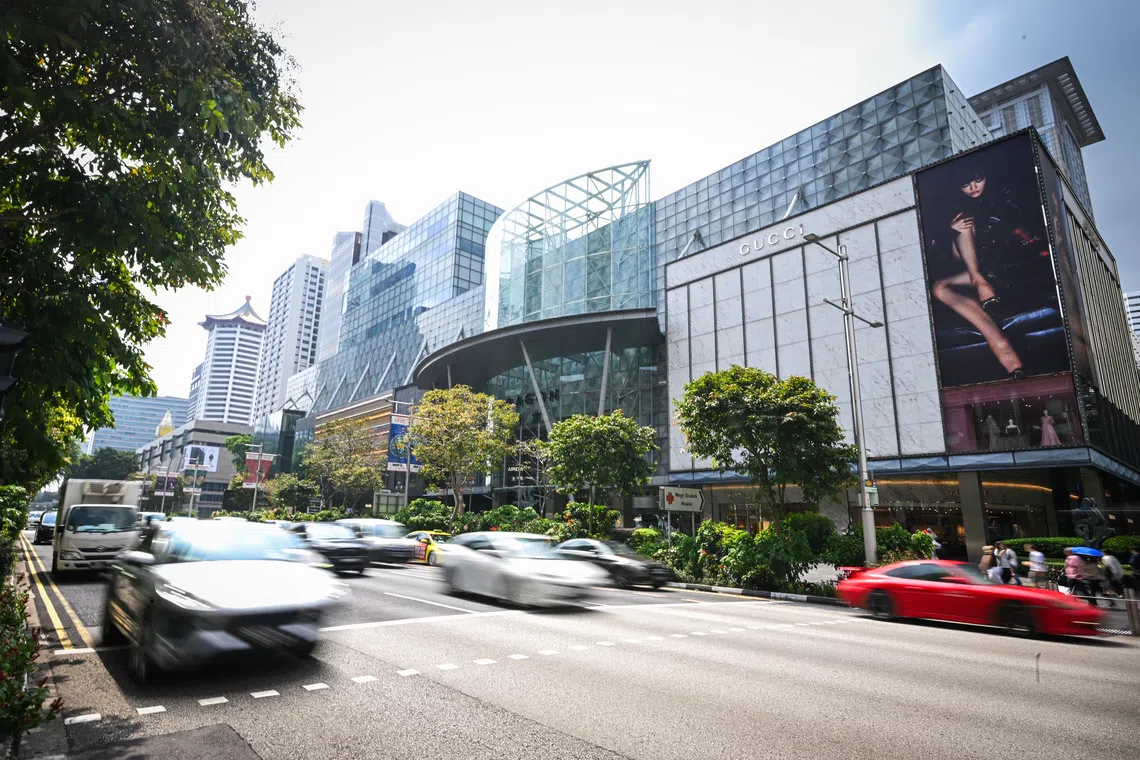
Orchard Road is now making room for more offices, while suburban malls are undergoing extensive facelifts and tenant revamps.
Published Sep 13, 2026, 08:00 AM
Updated Sep 13, 2026, 06:08 PM
Singapore’s malls are transforming with more offices on Orchard Road and suburban malls adding new experiences like sports and diverse tenants to boost foot traffic and rents.
Department stores are declining as anchor tenants, replaced by cinemas, supermarkets, and popular food and lifestyle brands that attract shoppers and allow flexible leasing.
REITs report higher rents from refurbishments and tenant changes but rising costs and borrowing may limit dividend growth, urging investors to consider diversified portfolios amid retail sector shifts.
SINGAPORE – Singapore’s shopping malls are being reinvented.
Orchard Road, once the Republic’s premier shopping strip, is now making room for more offices , while suburban malls are undergoing extensive facelifts and tenant revamps.
The mix of shops and experiences is also changing, with once-empty plazas now hosting temporary pickleball courts and malls installing permanent climbing walls.
These changes, aimed at increasing footfall and supporting rents, matter to Singapore’s real estate investment trusts (REITs), many of which own local malls, as well as their investors.
REIT managers interviewed by The Straits Times said strong rental reversions have shown that retail remains resilient despite rising costs, while new tenants and experiences could support further growth.
However, analysts cautioned that higher rental income may not translate into larger dividends, as costly refurbishments and rising borrowing costs absorb some of the gains.
REIT managers must therefore balance the need to keep their malls relevant with the imperative to deliver returns to unit holders.
Death of the department store?
One of the biggest changes in Singapore’s retail landscape has been the fading role of department stores as anchor tenants for malls.
Shopping malls once relied on large department stores as flagship anchor tenants, using their broad range of brands and products to draw shoppers.
But the e-commerce boom since the Covid-19 pandemic has dented demand for physical retail, gradually diminishing their appeal.
Metro’s impending closure of its last two Singapore stores at Paragon and Causeway Point, for example, follows the exits of Robinsons and John Little over the years, while Isetan has shrunk from six outlets to just one at Shaw House.
Guy Cawthra, chief executive of the manager of Lendlease Global Commercial REIT, said cinemas, supermarkets and large electronics retailers remain relevant anchors, but tenants of different sizes and categories can now draw shoppers.
For Lendlease, whose portfolio includes 313@somerset, food and beverage outlets have become anchors in their own right, with new and trendy tenants like tea brand BlackTree and frozen yogurt shop Yo-Chi at the adjacent Orchard Central mall drawing snaking queues.
Moving away from large anchor tenants could provide opportunities for higher rental reversions, as REIT managers would be less tied to long leases that may carry below-market rents, said Tan Choon Siang, CEO of the manager of CapitaLand Integrated Commercial Trust (CICT), at the REIT’s results briefing in August.
Tan said department stores historically provided footfall and stability in exchange for lower rents, but malls must now reconsider the role they play.
Metro, for example, is exploring more flexible formats, including smaller stores, multi-speciality outlets, curated shopping experiences and pop-ups.
CICT’s manager said Metro has expressed interest in remaining at Paragon under a new retail concept, with discussions ongoing.
Frasers Centrepoint Trust (FCT), Singapore’s only pure-play retail REIT, is reworking space vacated by Isetan at NEX as part of the mall’s $90 million enhancement programme. Judy Tan, FCT’s head of investor relations, said at a panel organised by investment platform Syfe in August that the space would be turned into a lifestyle and family-focused cluster featuring new F&B offerings.
Richard Ng, CEO of FCT’s manager, noted that the traditional department store concept is evolving in response to changing consumer demand.
“This creates opportunities to rethink the traditional format, including breaking up larger spaces into multiple concepts that can enhance space productivity and offer greater variety to shoppers.”
New experiences, more diverse mix of tenants
Fast-changing consumer tastes and demands require malls to continually update their offerings, while the exit of underperforming retailers and traditional concepts gives landlords opportunities to reshape their tenant mix and secure higher rents.
More recently, experiential concepts like sports and fitness activities, pop-up brand collaborations and international-themed events such as Taiwanese night markets have become an important way for malls to differentiate themselves beyond the usual mix of shops and restaurants.
In its August report on Singapore’s retail market in the second quarter of 2026, real estate services firm Savills observed greater participation from F&B operators, athleisure brands, beauty concepts and experience-led tenants.
“Shoppers today expect malls to offer much more than shopping,” said FCT’s Ng, citing experiences, convenience, social interaction, dining and wellness as key factors that draw footfall now.
FCT is therefore positioning its malls as “second places” where visitors can spend time and connect with others, he said.
As consumer preferences evolve, REIT managers must also consider how each tenant contributes to a mall’s positioning and complements its existing mix.
Sulian Tan-Wijaya, Savills’ executive director and head of retail, said established international chains tend to be more resilient, while smaller independent brands may lack the financial resources and infrastructure to withstand rising costs.
However, popular brands can also make malls increasingly similar, with chains such as Chagee, Luckin Coffee and Uniqlo appearing across major centres.
Ng said FCT considers customer demand, tenant sales and the overall trade mix to avoid an oversupply of similar concepts.
“Rather than simply adding more of what is currently popular, we look at customer demand, tenant sales and relevance to the overall trade mix.”
Lee Yi Zhuan, CICT’s head of portfolio management, said the REIT’s manager works closely with tenants to strengthen their propositions and adapt to changing shopper needs.
The aim is to ensure that each mall offers a relevant and differentiated mix of retail, dining and lifestyle experiences.
Seshan Ramaswami, associate professor of marketing education at the Singapore Management University, said repositioning malls around more distinctive concepts could work better in areas like Orchard Road.
Heartland malls, by contrast, could continue offering “cookie-cutter assortments of the most popular retail brands”.
Breathing new life into the suburban mall
Still, with preferences changing, the “cookie-cutter” mix in heartland malls increasingly includes international brands once concentrated in the city.
This is narrowing the gap with premium shopping centres and reducing residents’ need to travel to town.
To remain relevant to the communities they serve, REIT managers such as FCT, whose portfolio comprises nine suburban malls, are investing in expensive asset enhancement initiatives (AEIs), which can include activating underused areas or converting spaces such as carparks to increase net lettable area.
FCT is currently preparing to undertake an extensive renovation at Causeway Point to position the mall as a “next-generation regional mall”.
The revamp is intended to capitalise on the Johor Bahru-Singapore Rapid Transit System Link, which is expected to open in January 2027 .
This comes after it completed a $38 million AEI at Tampines 1 in 2024.
CICT, Singapore’s largest REIT, completed a $48 million AEI at IMM in 2026 and is due to finish its $61 million revamp of Tampines Mall and Lot One Shoppers’ Mall in 2026 as well.
Lee said asset enhancements have helped sustain shopper and retailer demand, as retailers increasingly recognise that established, well-managed malls can consistently attract footfall, strengthen brand visibility and drive sales.
Vijay Natarajan, vice-president of equity research at RHB Singapore, said AEIs remain necessary to keep malls relevant amid greater competition and the growth of e-commerce, despite the temporary closure of some areas and rising construction costs.
Higher rents but slower DPU growth?
While analysts expect Singapore’s retail sector to remain resilient, the key question for REIT investors is whether higher rents resulting from these costly upgrades and a refreshed tenant mix will translate into stronger distributions.
Taken together, CICT’s suburban malls recorded positive rental reversions of 5.1 per cent in the first half of 2026.
FCT reported positive rental reversions of 6.5 per cent for the six months ended March 31, while Lendlease recorded 11.7 per cent for the financial year ended June 30.
Savills expects average passing rents at Orchard Road and suburban malls to rise by up to 2 per cent in 2026, with vacancy rates remaining largely stable.
Miaomiao Liu, equity research analyst at Maybank Securities Singapore, noted that rental reversions should remain positive alongside continued net property income growth.
Popular suburban malls and prime destination assets are likely to perform best, she said.
However, distribution per unit (DPU) growth may not keep pace with rising rentals, analysts warned.
This is because each REIT’s performance will depend on asset quality and whether managers can convert stronger footfall and tenant sales into higher rents without undermining tenant affordability, they said.
REITs also face broader challenges, as rising government bond yields make DPUs relatively less attractive, while rising borrowing costs add pressure on unit prices.
Gerald Wong, CEO of investment advisory platform Beansprout, cited three factors investors should consider when assessing retail REITs: their ability to grow DPU through higher occupancy, rental growth or accretive acquisitions; the strength of their balance sheets; and whether their yields remain attractive relative to Singapore government bonds.
REITs could face further headwinds if the US Federal Reserve decides to raise interest rates at its upcoming September meeting, Wong added.
Ritesh Ganeriwal, managing director and group head of investment and advisory at Syfe, said that investors should assess REITs more holistically, given that factors such as interest rates and inflation expectations are cyclical.
He recommended a diversified REIT portfolio with a core exposure to sectors benefiting from long-term growth trends, such as data centres and artificial intelligence-related infrastructure, rather than concentrating on individual retail REITs.
FCT and Lendlease Global Commercial REIT ended trading on Sept 11 at $2.09 and 54.5 cents respectively, more than 10 per cent lower since the start of 2026.
Meanwhile, CICT was down 4.6 per cent at $2.28.
乌节路正在腾出空间建设更多办公楼,而郊区购物中心正在进行大规模的翻新和租户更迭。
发布于 2026 年 9 月 13 日上午 8:00
更新于2026年9月13日下午6:08
新加坡的购物中心正在转型,乌节路上的办公楼越来越多,郊区购物中心也增加了体育等新体验和多元化的租户,以提高客流量和租金。
百货商店作为主力租户的地位正在下降,取而代之的是电影院、超市以及吸引购物者并允许灵活租赁的热门食品和生活方式品牌。
REITs报告称,翻新和租户变更带来的租金上涨,但成本上升和借贷可能会限制股息增长,这促使投资者在零售业转型之际考虑多元化投资组合。
新加坡——新加坡的购物中心正在经历变革。
乌节路曾是新加坡首屈一指的购物街,如今正在为更多办公楼腾出空间,而郊区的购物中心也在进行大规模的翻新和租户更迭。
商店和体验的组合也在发生变化,曾经空荡荡的广场现在有了临时匹克球场,购物中心也安装了永久攀岩墙。
这些旨在增加客流量和支撑租金的变革,对新加坡的房地产投资信托基金(REITs)及其投资者来说至关重要,因为其中许多REITs拥有本地购物中心。
《海峡时报》采访的房地产投资信托基金经理表示,强劲的租金回升表明,尽管成本上升,零售业仍然具有韧性,而新的租户和体验可能会支持进一步增长。
然而,分析师警告说,更高的租金收入可能不会转化为更大的股息,因为昂贵的翻新和不断上涨的借贷成本会抵消一部分收益。
因此,房地产投资信托基金经理必须权衡保持其购物中心相关性的需要与为单位持有人带来回报的必要性。
百货商店的消亡?
新加坡零售业格局最大的变化之一是百货商店作为购物中心主力租户的作用逐渐减弱。
购物中心曾经依靠大型百货公司作为旗舰主力租户,利用其广泛的品牌和产品来吸引顾客。
但自新冠疫情爆发以来,电子商务的蓬勃发展削弱了实体零售的需求,逐渐降低了实体零售的吸引力。
例如,Metro即将关闭其在新加坡的最后两家门店(分别位于Paragon和Causeway Point),此前Robinsons和John Little也相继退出市场,而伊势丹的门店数量也从六家缩减到仅剩一家(位于Shaw House)。
Lendlease Global Commercial REIT 管理公司首席执行官 Guy Cawthra 表示,电影院、超市和大型电子产品零售商仍然是重要的主力店,但现在不同规模和类别的租户都可以吸引购物者。
对于 Lendlease 而言,其投资组合包括 313@somerset,餐饮店本身已成为重要的支柱,像茶品牌 BlackTree 和隔壁 Orchard Central 购物中心的冷冻酸奶店 Yo-Chi 这样的新潮租户吸引了长长的队伍。
凯德集团综合商业信托(CICT)管理公司首席执行官陈俊祥在8月份的REIT业绩简报会上表示,摆脱大型主力租户可能会带来更高的租金上涨机会,因为REIT管理公司将不再受长期租约的束缚,而这些租约的租金可能低于市场水平。
谭表示,百货商店历来通过提供客流量和稳定性来换取较低的租金,但如今购物中心必须重新考虑它们所扮演的角色。
例如,麦德龙正在探索更灵活的经营模式,包括小型门店、多品类专卖店、精心策划的购物体验和快闪店。
CICT 的经理表示,Metro 已表示有兴趣以新的零售概念继续留在 Paragon,目前双方仍在进行讨论。
新加坡唯一一家专注于零售业的房地产投资信托基金——星狮地产(Frasers Centrepoint Trust,简称FCT)正在改造NEX购物中心原伊势丹百货撤出后留下的空间,这是该购物中心9000万新元升级计划的一部分。FCT投资者关系主管陈慧婷(Judy Tan)在8月份由投资平台Syfe举办的研讨会上表示,该空间将被改造成一个以生活方式和家庭为中心的区域,并提供全新的餐饮选择。
FCT 的经理 Richard Ng 指出,传统的百货商店概念正在不断发展,以适应不断变化的消费者需求。
“这为重新思考传统模式创造了机会,包括将较大的空间分割成多个概念,从而提高空间利用率,并为购物者提供更多选择。”
全新体验,更多元化的租户组合
快速变化的消费者口味和需求要求购物中心不断更新其商品和服务,而业绩不佳的零售商和传统概念的退出则为业主提供了重新调整租户组合和获得更高租金的机会。
近年来,运动健身活动、快闪品牌合作以及台湾夜市等国际主题活动等体验式概念已成为购物中心在常见的商店和餐馆组合之外,实现差异化的重要途径。
在 2026 年第二季度新加坡零售市场 8 月份的报告中,房地产服务公司 Savills 观察到餐饮运营商、运动休闲品牌、美容概念店和体验式租户的参与度有所提高。
“如今的购物者希望购物中心提供的不仅仅是购物,”FCT 的 Ng 表示,他指出体验、便利、社交互动、餐饮和健康是吸引客流量的关键因素。
他表示,因此,FCT 将旗下购物中心定位为“第二场所”,游客可以在这里消磨时间并与他人交流。
随着消费者偏好的演变,房地产投资信托基金经理还必须考虑每个租户如何为购物中心的定位做出贡献,以及如何补充其现有的组合。
第一太平戴维斯执行董事兼零售主管苏利安·谭-维贾亚表示,成熟的国际连锁店往往更具韧性,而规模较小的独立品牌可能缺乏抵御成本上涨所需的财力和基础设施。
然而,热门品牌也可能导致购物中心越来越相似,像 Chagee、瑞幸咖啡和优衣库这样的连锁店在各大购物中心随处可见。
Ng表示,FCT会考虑客户需求、租户销售情况和整体贸易组合,以避免类似概念的过度供应。
“我们不会简单地增加目前流行的产品,而是会考虑客户需求、租户销售情况以及与整体贸易组合的相关性。”
中信实业(CICT)投资组合管理主管李义专表示,该房地产投资信托基金的管理人与租户紧密合作,以增强其产品和服务,并适应不断变化的消费者需求。
目标是确保每个购物中心都能提供相关且各具特色的零售、餐饮和生活方式体验组合。
新加坡管理大学市场营销教育副教授塞尚·拉马斯瓦米表示,在乌节路等地区,围绕更具特色的概念重新定位购物中心可能会更有效。
相比之下,中西部地区的购物中心可以继续提供“最受欢迎的零售品牌的千篇一律的组合”。
为郊区购物中心注入新的活力
不过,随着人们喜好的改变,市中心购物中心的“千篇一律”的组合越来越多地包括了曾经集中在城市的国际品牌。
这缩小了与高档购物中心的差距,减少了居民前往市区的需要。
为了与所服务的社区保持相关性,像 FCT 这样的 REIT 管理公司(其投资组合包括九个郊区购物中心)正在投资昂贵的资产增值计划 (AEI),其中包括激活未充分利用的区域或将停车场等空间改造为可出租净面积。
FCT目前正准备对Causeway Point进行大规模翻新,以将该购物中心打造成为“下一代区域购物中心”。
此次改造旨在充分利用柔佛新山-新加坡快速交通系统连接线,该连接线预计将于 2027 年 1 月开通。
此前,该公司已于 2024 年在淡滨尼 1 号完成了一项价值 3800 万美元的 AEI 项目。
新加坡最大的房地产投资信托基金CICT于2026年完成了IMM的4800万美元AEI项目,并计划于2026年完成淡滨尼购物中心和乐一购物中心的6100万美元翻新工程。
李表示,资产提升有助于维持购物者和零售商的需求,因为零售商越来越认识到,成熟、管理良好的购物中心可以持续吸引客流量,增强品牌知名度并促进销售。
RHB新加坡股票研究副总裁Vijay Natarajan表示,尽管部分区域暂时关闭且建筑成本上升,但AEI(高级购物体验)对于在竞争加剧和电子商务发展的情况下保持购物中心的相关性仍然至关重要。
租金上涨,但每单位分派增长放缓?
尽管分析师预计新加坡零售业将保持韧性,但对于房地产投资信托基金投资者而言,关键问题是这些昂贵的升级改造和更新的租户组合所带来的更高租金是否会转化为更强劲的分红。
综合来看,CICT 的郊区购物中心在 2026 年上半年实现了 5.1% 的正租金增长。
FCT 报告称,截至 3 月 31 日的六个月租金上涨了 6.5%,而 Lendlease 在截至 6 月 30 日的财政年度中租金上涨了 11.7%。
第一太平戴维斯预计,到 2026 年,乌节路和郊区购物中心的平均租金将上涨高达 2%,而空置率将基本保持稳定。
马来亚银行证券新加坡分行的股票研究分析师刘苗苗指出,随着净物业收入的持续增长,租金回归应保持积极态势。
她表示,热门郊区购物中心和黄金地段的物业可能会表现最好。
然而,分析师警告称,每单位分红 (DPU) 的增长可能跟不上租金上涨的步伐。
他们表示,这是因为每个房地产投资信托基金的业绩将取决于资产质量,以及管理人员能否在不损害租户支付能力的前提下,将客流量和租户销售额的增加转化为更高的租金。
REITs 还面临更广泛的挑战,因为政府债券收益率上升使得每单位分派 (DPU) 的吸引力相对降低,而借贷成本上升则给单位价格带来了压力。
投资咨询平台 Beansprout 的首席执行官 Gerald Wong 指出,投资者在评估零售 REIT 时应考虑三个因素:通过提高入住率、租金增长或增值收购来提高每单位分派 (DPU) 的能力;资产负债表的稳健性;以及相对于新加坡政府债券而言,其收益率是否仍然具有吸引力。
黄补充说,如果美联储在即将召开的9月会议上决定提高利率,房地产投资信托基金可能会面临进一步的不利因素。
Syfe 的董事总经理兼投资和咨询集团主管 Ritesh Ganeriwal 表示,鉴于利率和通胀预期等因素具有周期性,投资者应该更全面地评估 REITs。
他建议构建多元化的 REIT 投资组合,重点投资于受益于长期增长趋势的行业,例如数据中心和人工智能相关基础设施,而不是专注于单个零售 REIT。
FCT 和 Lendlease Global Commercial REIT 于 9 月 11 日收盘价分别为 2.09 美元和 54.5 美分,较 2026 年初下跌超过 10%。
与此同时,CICT下跌4.6%,至2.28美元。