Former Pheu Thai minister warns Commission members that soon they could be judged as crunch vote looms前为泰党部长警告欧盟委员会成员,关键投票即将到来,他们可能很快就会受到评判。
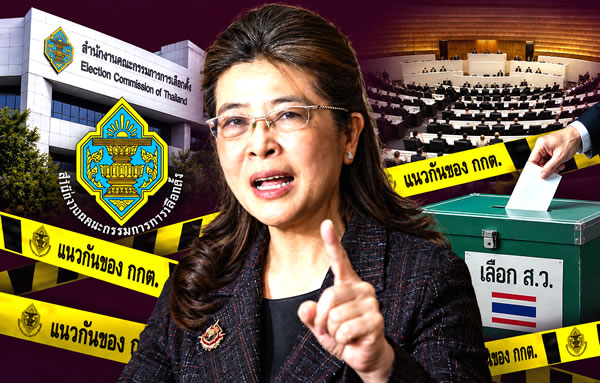
Khunying Sudarat warns EC commissioners they may one day face judgment as Monday’s ruling decides whether the Senate collusion case against 229 people, including 138… Read More ›
新闻视频
September 13, 2026 at 11:05 pm
in Living , Media , Politics , Thailand
Thailand’s Election Commission faces a momentous decision Monday over 229 people, including 138 serving senators, after rival panels reached opposite conclusions on the 2024 Senate scandal. Committee 26 cites organised voting, candidate networks, digital coordination, huge cash flows and controlled briefings. Subcommittee 36 wants every case dismissed. Khunying Sudarat Keyuraphan has now warned the seven commissioners they too could one day be judged, while former prime ministers, academics and constitutional figures demand Supreme Court scrutiny. Bhumjaithai rejects claims of an organised operation, but the EC must now decide whether this politically charged case reaches open court or dies inside the commission.
Khunying Sudarat warns seven EC commissioners they may one day face judgment as Monday’s ruling decides whether the 229-person Senate case reaches court. ( Source: Matichon )
Khunying Sudarat Keyuraphan warned Thailand’s Election Commission on Sunday that Monday would test its handling of the Senate collusion case. The veteran politician said commissioners faced a stark choice over 229 people. They could follow the law fairly, she said, or protect people accused of corrupting the 2024 Senate selection. Her intervention came hours before the seven commissioners met to decide the sprawling case.
Sudarat issued her warning on Facebook on September 13. The former cabinet minister and senior Pheu Thai figure later founded Thai Sang Thai. Notably, she directed her message personally at those deciding the case. “Today you are the judge, but one day you may become the one being judged,” Sudarat wrote. She also warned about the consequences of exercising power dishonestly.
On that future day, Sudarat said, powerful people who previously showed commissioners kindness might be unable to help. There would be nothing they could do when “karma” and “justice” took their course, she added. Her comments immediately sharpened the focus on Monday’s Election Commission meeting.
Election Commission faces split findings after Committee 26 targets all 229 Senate case figures now
At stake are cases involving 229 people linked to the disputed 2024 Senate selection. They include 138 serving senators and 91 politicians, former candidates and political network figures. More importantly, the decision follows two radically different conclusions within the Election Commission’s own investigative system.
Central Investigation and Inquiry Committee No. 26 recommended proceedings against all 229 people. In contrast, Adjudication Subcommittee No. 36 recommended clearing every one of them. The latter recommendation was adopted by a 5-2 vote. The seven commissioners must now decide how to resolve that extraordinary divide.
Committee 26 assembled the principal investigative file. Election Commission officials worked alongside officers from the Department of Special Investigation. Together, they interviewed more than 700 witnesses nationwide. They also examined tens of thousands of pages and extensive electronic material. Eventually, the committee completed its investigation on July 17, 2025.
Its recommendation covered 138 current senators and 91 other accused people. According to the supplied investigation summary, 21 were ministers, MPs or Bhumjaithai executive committee members. Another 20 were described as people within a Bhumjaithai-linked network. In addition, 50 were reserve senators or other Senate candidates.
Committee 26 files describe nationwide network allegedly built to control the 2024 Senate vote system
All remain accusations arising from an investigation. None of the 229 has been convicted by a court in this case. Yet the detail inside Committee 26’s files has driven the growing confrontation before Monday’s decision. The material describes what investigators believed was a highly organised operation stretching across Thailand.
According to witness testimony, preparations began months before the final Senate selection. In April 2024, three young people linked to a major political party allegedly received a special assignment. They were instructed to study the laws and regulations governing the Senate selection. Subsequently, that work reportedly developed into an “Offline Operating System”.
The program was allegedly built to calculate votes during cross-selection. It covered the system’s 20 professional groups. Furthermore, investigators were told it could identify members of a pre-arranged candidate network. That identification could operate regardless of which professional groups candidates encountered during cross-selection.
The investigation then moved inside the headquarters of a major political party. According to witnesses, an important planning meeting took place in a third-floor executive conference room. Before entering, participants allegedly surrendered their mobile phones. Investigators were told the measure was intended to prevent leaks.
Inside the room, participants were reportedly shown slides stored on a flash drive. The presentation allegedly detailed voting mechanisms and candidate distribution across Thailand. It also mapped arrangements for different stages of the selection. From there, according to the files, the operation moved from planning towards logistics.
Investigators trace accommodation network and alleged ฿500 million operation before Senate vote day
Accommodation and candidate holding points were allegedly prepared before the June 26 national selection. Locations reportedly sat between 30 and 100 kilometres from IMPACT Muang Thong Thani. They included sites in Ayutthaya, Nakhon Nayok and Pathum Thani. Other private locations were also identified in witness evidence.
As part of this, candidates acting as voters were allegedly moved into designated locations with supporting teams. Travel, meals and accommodation were reportedly provided. Investigators then followed claims concerning the money required to operate the network. The sums described in Committee 26’s material were substantial.
Across Thailand, between ฿400 million and ฿500 million allegedly circulated through the operation. The money reportedly covered activities from district level to the final national stage. At district level, alleged payments ranged from ฿10,000 to ฿50,000. Candidates from scarce professional groups could reportedly command higher amounts.
At provincial level, payments were allegedly around ฿50,000. At the national stage, the figure could reach ฿200,000 per person. Separately, investigators received evidence concerning cash allegedly handled inside a major political party’s headquarters. The supplied material referred to cash received on the fourth floor through a woman identified as “Ms R”.
Bhumjaithai rejects collusion claims as Abhisit says court should decide whether evidence is enough
Those financial claims have not been established by a court. Bhumjaithai figures have strongly rejected accusations of a party-organised operation. Former Bhumjaithai figure Supachai Jaisamut has also attacked the investigation. He argues that much of its case relies on circumstantial evidence.
In response, Supachai has claimed witnesses were pressured into implicating Bhumjaithai. Party defenders say political connections cannot prove a criminal election conspiracy. Likewise, they argue telephone calls and common locations do not establish collusion. Similar voting patterns also fail to prove an organised scheme, they say.
Opponents make a different legal argument. They say commissioners are not being asked to convict the 229 people. Rather, they want the evidence placed before Supreme Court judges. Former prime minister Abhisit Vejjajiva has also emphasised that distinction.
Abhisit urged the Election Commission to proceed straightforwardly under the law. Crucially, he said commissioners are not making the final determination of guilt. He cited Section 62 of the organic law governing Senate selection. The provision concerns actions making the selection dishonest or unfair.
Moreover, Abhisit said its wording extends beyond Senate candidates. He pointed to its reference to “a candidate or any person”. Consequently, the argument centres partly on whether evidence warrants referral rather than final proof of guilt.
Digital evidence links phones, travel histories and voting materials to alleged Senate vote network
Committee 26’s evidence was not limited to witness statements. Investigators also relied heavily on digital material. Cellular tower information was examined for candidates and other people under investigation. According to disclosed findings, numerous telephones appeared at common locations shortly before the national vote.
In particular, investigators studied movements on June 24 and June 25, 2024. Both dates immediately preceded the national selection. Telephone records allegedly placed candidates at designated accommodation and meeting points. Alongside this, investigators examined Google Maps travel histories recovered from witness phones.
Those histories reportedly showed arrivals and departures from relevant locations. Investigators then compared the electronic information with physical evidence. This allegedly included secretly photographed voting slips. Another item was a transparent plastic sheet containing holes used to create a voting grid.
Additionally, investigators examined a meeting logbook with pages removed from its final section. Committee material suggested a collusion sheet was removed before participants left a meeting. The physical material was then considered alongside telephone locations and witness testimony.
Witnesses also described tightly controlled candidate briefing sessions. Mobile phones were allegedly confiscated before instructions began. Some participants were then required to copy prepared voting information. According to testimony, local organisers also claimed they could later determine whether candidates followed those instructions.
Witness warning and self-selection system sharpen claims of organised bloc voting in Senate race
One witness recalled a direct warning from a tutor. “Follow the sheet, or you don’t know what will happen,” the tutor allegedly said. That account became part of Committee 26’s wider evidence concerning control over candidate voting.
The underlying selection system provided considerable opportunities for organised blocs to matter. Thailand did not directly elect its 200 senators through a public vote. Instead, candidates selected among themselves through district, provincial and national stages. Each stage involved self-selection followed by cross-group voting.
First, candidates competed at district level across 20 professional groups. Successful participants then moved to the provincial stage. After another two rounds, provincial winners advanced nationally. Finally, the June 26 process selected ten senators from each professional group.
The result produced a 200-member Senate. However, concerns about coordinated voting had already surfaced before the final selection. Civil society organisations iLaw and We Watch raised questions about candidate organisation. Former Election Commissioner Somchai Srisutthiyakorn also highlighted possible bloc voting.
One early trail emerged in Buriram. Phatthapong Supakorn, known as Lawyer Aun, was eliminated during district voting on June 9, 2024. Afterwards, he publicly produced candidate lists, meeting photographs and information concerning voter organisation. He continued supplying complaints to the Election Commission and media.
DSI joins widening Senate probe before Committee 26 and Subcommittee 36 reach sharply opposite findings
The investigation widened considerably during the following months. On February 10, 2025, DSI began receiving complaints from Senate candidates. The department examined whether the information involved complex criminal offences beyond election-law violations.
Then, on March 5, the Special Cases Committee voted 11-4 to accept part of the investigation. Its remit included possible criminal conspiracy and money laundering. The Election Commission separately retained responsibility for offences directly governed by election legislation.
Thirteen days later, the EC created Committee 26. Election Commission investigators and DSI officers then began gathering evidence together. They examined documents, interviewed witnesses and traced movements nationwide.
On April 25, DSI formally advanced its investigation into the suspected Senate election conspiracy. Investigators also reconstructed events at IMPACT Muang Thong Thani. The venue had hosted the national Senate selection ten months earlier.
By July 17, Committee 26 had finished its work. It recommended proceedings against all 229 people. However, the case then moved to Subcommittee 36 for adjudication. That stage produced the opposite result.
By March 2026, Subcommittee 36 had reviewed the investigative material. Its majority concluded that evidence was insufficient for prosecution or removal proceedings. Accordingly, five members supported dismissing the allegations against all 229 people.
Constitutional Court clears DSI role as Committee 26 files turn to post-selection Senate meetings
The competing findings left the central issue unresolved. Committee 26 saw enough evidence to proceed against everyone. Subcommittee 36 saw insufficient grounds to proceed against anyone. Monday’s seven-member commission meeting must now deal with that gulf.
On another front, DSI’s participation generated a separate constitutional battle. Senators and opposing political groups accused the department of encroaching upon the Election Commission’s jurisdiction. They also targeted then Deputy Prime Minister Phumtham Wechayachai and Justice Minister Tawee Sodsong.
Their opponents claimed DSI had improperly entered an election matter. The dispute eventually reached the Constitutional Court. On January 21, 2026, however, the court cleared both Phumtham and Tawee.
The court found no evidence of illegal interference or unlawful instructions. It also accepted DSI’s authority to investigate offences within its special-case jurisdiction. Thus, one major challenge against the parallel investigation failed.
The Committee 26 files also describe events after the senators were selected. According to the supplied material, newly chosen senators later gathered at a prominent Bangkok hotel. The venue was in the Rangnam area.
Hotel meeting, leadership instructions and resignation letters deepen post-selection allegations
At that gathering, senators were allegedly given directions concerning senior Senate positions. These reportedly included the Senate president and vice-president posts. Committee chairmanships were allegedly allocated as well. Investigators then received another striking claim.
Some senators were allegedly required to sign undated resignation letters. Copies of their national identification cards were reportedly attached. According to the investigation material, network leaders then retained those documents.
Investigators considered whether the letters could provide leverage over senators after they took office. The accusation remains untested by a court. Nevertheless, it became another element in Committee 26’s assessment of the alleged organisation.
In parallel, People’s Party figure Parit Wacharasindhu disclosed mobile-location information involving another Bangkok hotel gathering. He said data placed at least 40 senators around a hotel on July 21, 2024. Those senators were among people implicated in the broader investigation.
Critics connected that gathering with preparations surrounding the Senate leadership vote. Again, that interpretation has not been determined judicially. Even so, the telephone-location evidence has become part of the opposition’s case for referral.
Committee 26 cites election-law provisions as prominent figures demand full Supreme Court referral
Investigators also examined telephone contacts between political figures and senators. Hotel bookings involving groups of candidates were studied. Further evidence concerned candidate recruitment, financing and travel arrangements.
Taken together, Committee 26 concluded that participants had assigned roles within a coordinated operation. Its legal findings cited several provisions of the Senate acquisition law. Sections 36 and 70 concern compliance with selection procedures and conditions.
Investigators also considered Section 62. It addresses conduct causing a Senate selection to become dishonest or unfair. Section 76 concerns assistance by political party executives to secure or prevent a candidate’s selection. Section 77(1) covers property or benefits offered to influence voting.
Against that background, Sunday brought a new wave of public interventions. Four networks representing former constitutional drafters, reform figures and academics issued a joint statement. Former senator Jermsaks Pinthong released the document.
The statement called on the Election Commission to forward the case to the Supreme Court. Its signatories included former politicians, judges, senior officials, academics and business figures. Many had previously served in constitutional drafting or national reform bodies.
Senior figures join call for Supreme Court referral and highlight Senate role in key appointments
Among them was former Parliament president Arthit Urairat. Former National Anti-Corruption Commissioner Vicha Mahakun also signed. Former deputy agriculture minister Wiwat Salaykamthorn joined the group. National Artist Nawarat Pongpaiboon added his name.
Former Bangkok senator Rosana Tositrakul also backed the statement. In addition, deputy commerce minister Alongkorn Ponlaboot was another signatory. Former senior administrative judge Akkharawit Sumawong joined them.
Beyond politics, several prominent economists and university figures signed. Former Bank of Thailand deputy governor Atcha Na Waikwamdee was included. Economist Nipon Puapongsakorn also appeared among the signatories. Former university presidents and senior academics joined the statement.
The networks said emerging evidence indicated systematic manipulation and bloc voting. They demanded rapid referral of suspected organisers, supporters and participants. Importantly, their statement argued that final adjudication belonged to the Supreme Court.
They also called for criminal proceedings against people proven to have organised election-rigging schemes. At the same time, the group highlighted the Senate’s power over constitutional appointments. Senators approve nominees to several independent constitutional organisations.
Parliament seminar turns to reform of independent bodies and stronger public accountability measures
A large section of the signatories came from the 2007 Constitution Drafting Assembly. Others previously served on the National Reform Council. Senior academics formed another group. A Mahidol University alumni network also joined the statement.
A day earlier, the institutional dispute had reached Parliament. A House committee held a seminar examining independent organisations and Thailand’s political crisis. Former prime minister Chuan Leekpai addressed the morning session.
Former Parliament president Phokin Pholkul also spoke. TDRI president Somkiat Tangkitvanich joined him. Both focused on the structure and accountability of independent constitutional organisations.
Phokin said Thailand’s political structure had repeatedly passed through coups, rewritten constitutions and elections under new rules. He argued that oversight institutions could themselves become subject to political control. Accordingly, he called for stronger mechanisms allowing citizens to scrutinise them.
One proposal would revive a feature associated with the 1997 Constitution. Under that model, 50,000 citizens could petition for removal proceedings. Independent organisation officeholders and Constitutional Court judges could be covered.
Phokin also proposed a citizen-led anti-corruption commission operating alongside the existing NACC. Professional groups could provide representatives. Other members could be elected from different regions.
Somkiat urges court referral as Abhisit backs legal scrutiny rather than an EC finding of guilt now
Somkiat, meanwhile, focused directly on the Election Commission. He said independent organisations remained necessary because traditional separation of powers had limits. Yet he also stressed accountability for institutions exercising extensive constitutional powers.
He identified two weaknesses in Thailand’s 2017 constitutional structure. One concerned similar selection mechanisms across independent organisations. The other involved the Senate’s central role in approving many appointments.
For any future constitution, Somkiat proposed more varied appointment methods. He also favoured additional channels for removing or scrutinising commissioners. Beyond that, he called for independent bodies to disclose information and explain important decisions.
Somkiat specifically criticised insufficient disclosure surrounding several Election Commission decisions. The Senate selection controversy was among them. He therefore said the EC should send the current case to court.
A public judicial hearing could establish important legal boundaries, he argued. Judges could distinguish normal political grouping from unlawful conspiracy or corruption. If major doubts remained, he said, closing the case could constitute a failure of the commission’s role.
Abhisit’s intervention further broadened the political pressure. The former prime minister urged commissioners to follow the law directly. Significantly, his argument also distinguished referral from conviction.
Political pressure spreads to Bangkok streets as iLaw pushes all 229 cases towards Supreme Court
The pressure is therefore no longer confined to iLaw and the People’s Party. Figures from different political backgrounds have entered the dispute. Former constitutional drafters, academics and former senior officials have also joined.
At the same time, opposition figures have questioned the appointment history of Election Commissioners. Parit has highlighted four of the seven current commissioners. He said they passed through a Senate approval process involving the previous upper house.
That appointment history does not establish wrongdoing by any commissioner. Nonetheless, critics have raised it while demanding the case reach independent judges. The issue has consequently become another element surrounding Monday’s meeting.
Outside institutional circles, Sunday’s campaign moved onto Bangkok’s streets. iLaw organised an approximately 11-kilometre mobilisation towards the Bangkok Art and Culture Centre. Yingcheep Atchanont began from iLaw’s office near Lat Phrao Soi 25.
Groups then travelled towards central Bangkok by foot, bicycle and running routes. Documents connected with the investigation were carried symbolically during the journey. Similar events took place outside the capital.
The principal demand remained referral of all 229 cases to the Supreme Court. Organisers stressed that referral would not constitute a finding of guilt. Instead, judges would examine the evidence against each accused person.
EC faces three routes as iLaw warns more information may emerge after Monday’s crucial Senate decision
Notably, Yingcheep has said iLaw possesses further information beyond material already made public. He indicated additional evidence could emerge if people named in the investigation escape referral. That leaves open further disclosures after Monday’s decision.
The Election Commission now has three broad choices. It can accept Committee 26’s findings and refer all 229 cases. Alternatively, it can follow Subcommittee 36 and dismiss proceedings against everyone.
A third route would split the accused according to the evidence against each person. Some cases could then reach the Supreme Court. Others could end at the Election Commission.
Under the first scenario, proceedings would include 138 serving senators. Political figures and other network members would also face referral. Later court findings could determine any further legal consequences.
Under the second, the Election Commission route against all 229 would end. Committee 36’s assessment would effectively prevail over the main investigative committee. Much of Committee 26’s disputed evidence would consequently remain without a full Supreme Court hearing.
The third option would place immediate attention on the commission’s individual findings. Commissioners would need to distinguish between cases they considered strong and weak. Political attention would then turn towards which parts of the claimed network survived referral.
Somchai breakdown shows 138 senators at centre as Bhumjaithai disputes evidence against its network
Former Election Commissioner Somchai has provided another breakdown of the 229. He identified 138 serving senators and 48 unsuccessful Senate candidates. His calculation also included 21 political figures and 22 political-network figures.
Either way, serving senators form the largest group. Monday’s decision therefore concerns more than two-thirds of the 200-member upper house. It also touches political figures linked by investigators to Bhumjaithai.
Bhumjaithai has rejected claims that it organised the selection. Its supporters continue to challenge the evidence linking party figures with the accused senators. They argue association, location data and voting patterns cannot establish criminal participation.
Prime Minister Anutin Charnvirakul has previously responded to the controversy with a direct position. “Let’s fight it out in court,” he said on August 25. That statement now sits alongside arguments over whether the EC sends cases there.
For Committee 26, the investigation produced sufficient grounds to proceed against 229 people. For Subcommittee 36, the same broad case failed to justify proceedings. Monday puts that contradiction before the seven commissioners.
Meanwhile, the information placed in public view has grown substantially. It includes allegations of candidate recruitment and large-scale payments. It includes designated accommodation, prepared voting lists and controlled briefings.
Digital records, hotel meetings and voting material frame final hours before Election Commission ruling
The material also includes mobile-location data and travel histories. Investigators examined telephone contacts, hotel bookings and physical voting materials. Furthermore, witnesses described planning meetings inside a major political party’s headquarters.
Post-selection allegations added another layer. Investigators examined hotel gatherings involving newly elected senators. They also received claims concerning Senate positions and undated resignation letters.
Each accused person can contest that evidence if proceedings continue. However, the Election Commission first decides whether those cases leave its own system. That decision comes Monday.
Sudarat’s warning arrived as those competing pressures converged. “Today you are the judge, but one day you may become the one being judged,” she told commissioners. By Sunday evening, the decision was hours away.
Committee 26 recommended proceedings against every one of the 229 accused. Subcommittee 36 recommended proceedings against none of them. The seven Election Commissioners must now decide what survives that divide.
Former Prime Minister and Democrat Party leader cites a lack of public trust in the Election Commission
Abhisit shifts to active support for opposition’s efforts to expose massive collusion in 2024 Senate election
Showdown on the Senate election collusion case in August as Election Commission set to finally decide
New front for Prime Minister Anutin and Bhumjaithai Party with lawsuits over Senate election allegations
Opposition and witnesses call for Senate collusion case to go to court as Election Commission decides on huge case
New evidence of a vast conspiracy behind the 2024 Senate election as former officials file police report
Powerful video evidence raises the stakes for under fire Election Commission in Senate collusion call
Opposition and People’s Party leader attacks ‘blue regime’ on the 12th anniversary of the 2014 coup
Thammasat University legal scholar and 1992 protest leader warns another coup cannot be ruled out
Government in peril over the coming weeks with Constitutional Court petition over Senate collusion conspiracy
Justice Minister suspended from roles linked to the expanding Senate criminal investigation by the DSI
Shocking and real evidence of a massive Senate election collusion campaign. 1,200 people being probed by DSI
Senator calls on members to suspend duties. Fears tainted decisions. 146 Senators to be summoned later
Joseph Anthony is an expat from Ireland who has lived in Thailand for the last decade. He has worked extensively in the media including editorial positions in Ireland and Thailand. He is focused on economic and business stories in Thailand as well as the expat lifestyle.
All posts by Joseph O' Connor
Court denies mercy to savage killer who bludgeoned a hotel worker to death in a drug crazed robbery in Hua Hin September 9, 2026 Death for Hua Hin hotel killer Rattikorn “Sam”
Summonses and criminal charges considered by DSI in probe into substantial Israeli network in Pattaya September 9, 2026 Israeli businessman Maimon David Marsiano faces a DSI
Dutch man entered into a mediated settlement after assaulting a young Thai woman at a Koh Samui bar September 9, 2026 CCTV catches a Dutch man repeatedly striking a Thai
French man held at Koh Samui Police Station as deportation process begins. Israeli moved to Bo Phut September 9, 2026 Kevin Dimino is behind bars on Koh Samui after PM
Local government exam scandal hints at systemic nationwide corruption even extending to ministerial level September 8, 2026 Pakamon blows open a new front in Thailand’s exam
Government begins legal action against top Thai firms for 1.26 billion baht over key satellite concession September 8, 2026 Thailand races to pursue Thaicom and Gulf for
Indian tourist severely injured but coherent after early morning fall last Friday from his Pattaya hotel September 8, 2026 Indian tourist Abhishek Jagannath Kunjir, 42, suffers
Israeli detained for deportation as PM signs order to deport now missing French zoo owner Kevin Dimino September 7, 2026 Frenchman Kevin Dimino disappears as immigration
US servicemen left behind a financial windfall in Pattaya but also a spirit of optimism and generosity September 7, 2026 Farewell Pattaya! USS Abraham Lincoln sails after
PM Anutin laughs off what political pundits see as rising threats to the stability of his government September 7, 2026 Anutin faces a gathering storm as Sondhi threatens
UK Nigerian influencer wanted for drug trafficking died in Bangkok due to genital enlargement therapy September 6, 2026 Luxury Bangkok holiday ends in tragedy as Igho
Finance Minister Ekniti outlines the government’s economic plan but behind the buzzwords are risks September 6, 2026 Thailand’s economic reset faces an early reality
Motorist’s shocked horror after 6 million baht luxury car rolls across a motorway and into a deep irrigation canal September 5, 2026 Owner watches in horror as ฿6m luxury EV rolls
17 year old legal fight for schoolboy who is now a grown man against the Police finally ends in victory and pay day September 5, 2026 Wrongly arrested at 18, assaulted and pushed to
Turn Grey capital into White capital. Senator calls for 100% foreign owned firms to eliminate corruption September 5, 2026 Let foreigners own what they pay for, Senator Prathum
Ring of steel protects USS Abraham Lincoln as huge security operation polices US sailors on shore leave September 4, 2026 Security locks down coastal Chonburi as 5,000 USS
Widening Chinese trade gap cannot be ignored as it distorts economic data of an underlying GDP struggle September 4, 2026 Thai-Chinese businesses raise the alarm as
Pattaya police officer clinically executed his wife at a kindergarten and was later surrounded at home September 9, 2026
Thailand gets ready to enter the age of nuclear power with plans for two small modular reactors by 2037 September 9, 2026
Petrol and diesel rise as inflation for August comes in at 2.53%. However confidence is also seen rising September 9, 2026
Nationwide probe targeting over 36K foreigner linked firms with land and a further 7k which own condos September 8, 2026
Sex network boss arrested in shock police home raid on Sunday after probe exposed child porn racket September 8, 2026
Activist lawyer wants action on corruption which pilfers lottery revenue for the disabled for the rich September 8, 2026
Interior Ministry is now moving to enforce the law regarding Jewish burials and grave sites in Thailand September 7, 2026
Chaos still reigns at the NBTC as Chairman wins right to court review. Board members move to work on September 7, 2026
Vicious attack on UK man in Jomtien Pattaya leads to arrest of Thai man. 70 year old kicked in the face September 7, 2026
USS Abraham Lincoln departs Thailand after a special visit. Captain gave thanks for the very warm welcome September 6, 2026
Tourism sector starkly divided over 30 days visa from September 15th. Top tycoon says it’s a big mistake September 6, 2026
Missing Kanchanaburi mother found on southbound bus after 7 day northern stay shrouded in mystery September 6, 2026
Koh Samui Israeli expat the first to be deported under Prime Minister Anutin’s new deportation regime September 5, 2026
US Navy’s Pattaya visit is plain sailing with strong spending breeze. Chonburi governor hails it a success September 5, 2026
Paying AI users in Thailand had a nightmare week online just as the government waded into the market September 5, 2026
Malaysian online gambling boss arrested in Bangkok raid. 48 year old was a UFA network Master agent September 4, 2026
Crazed ex lover rams former girlfriend and her new boyfriend on a motorbike to their death with pickup September 4, 2026
Blunder over Indian visa policy saw Thailand lose tourists in August. Quick volte face to a 30 day visa September 4, 2026
Data centre projects on hold in Bangkok as officials scramble to examine the impact of the industry on resources September 3, 2026
HIV and AIDS still lurk behind the neon signs of Thailand’s sex industry especially as it moves online September 3, 2026
Younger brother kills sibling after finding him drinking as their mother fought for life in hospital September 3, 2026
Former PM Paetongtarn files police complaint over false social media post linking her with Israeli land September 2, 2026
© 2026 Thai Examiner. All rights reserved.
2026年9月13日晚上11:05
在生活、媒体、政治、泰国
泰国选举委员会周一将面临一项重大决定,涉及229人,其中包括138名现任参议员。此前,两个相互对立的委员会就2024年参议院丑闻得出了截然相反的结论。第26委员会列举了有组织的投票、候选人网络、数字协调、巨额资金流动和受控简报等问题。而第36小组委员会则要求驳回所有案件。苏达拉·凯育拉潘女士警告七位委员,他们未来也可能受到审判。与此同时,前总理、学者和宪法界人士要求最高法院介入调查。泰自豪党否认存在有组织的行动,但选举委员会现在必须决定,这起政治敏感的案件是提交公开法庭审理,还是在委员会内部不了了之。
苏达拉特夫人警告七名选举委员会委员,他们终有一天可能面临审判,因为周一的裁决将决定参议院229人案件是否会提交法院审理。(来源:Matichon)
苏达拉·凯尤拉潘女士周日警告泰国选举委员会,周一将考验其对参议院串谋案的处理能力。这位资深政治家表示,委员们面临着一个严峻的选择,他们要对229名候选人做出公正的裁决。她说,他们可以选择依法公正行事,也可以选择包庇那些被指控操纵2024年参议院选举的人。她的这番话是在七名委员开会审议这起错综复杂的案件前几个小时发出的。
苏达拉特于9月13日在脸书上发出警告。这位前内阁部长、为泰党资深人士后来创立了泰桑泰党。值得注意的是,她直接向案件的审理者发出警告。“今天你是法官,但有一天你也可能成为被审判的人,”苏达拉特写道。她还警告说,滥用权力会带来严重的后果。
苏达拉特说,到那时,那些曾经对委员们施以援手的权贵们或许也无能为力了。她补充道,当“因果报应”和“正义”发挥作用时,他们将束手无策。她的这番话立刻让人们更加关注周一的选举委员会会议。
选举委员会面临调查结果分歧,此前第26委员会已将矛头指向参议院全部229起案件的数据。
此次案件涉及229人,他们都与备受争议的2024年参议院选举有关。其中包括138名现任参议员和91名政界人士、前候选人以及政治网络人物。更重要的是,这一决定是基于选举委员会内部调查系统得出的两种截然不同的结论。
中央调查委员会第26号建议对全部229人提起诉讼。与之相反,裁决小组委员会第36号建议宣告所有人无罪。后一项建议以5比2的投票结果获得通过。七位委员现在必须决定如何解决这一巨大的分歧。
第26委员会负责编制主要调查档案。选举委员会官员与特别调查部门的官员密切合作,共同采访了全国700多名证人,并查阅了数万页纸质文件和大量电子资料。最终,该委员会于2025年7月17日完成了调查。
该建议涵盖了138名现任参议员和91名其他被指控人员。根据提供的调查摘要,其中21人是部长、国会议员或泰自豪党执行委员会成员。另有20人被描述为与泰自豪党有关联的人员。此外,还有50人是候补参议员或其他参议员候选人。
第26委员会的文件描述了一个据称旨在控制2024年参议院投票系统的全国性网络。
所有指控均源于一项调查。本案中,229人均未被法院定罪。然而,26号委员会档案中的细节,在周一的决定出炉前,加剧了双方的对抗。这些材料描述了调查人员认为的一项组织严密、遍及泰国的犯罪活动。
据证人证词,准备工作早在参议院最终选举前数月就开始了。2024年4月,三名与某主要政党有关联的年轻人据称接到一项特殊任务,即研究有关参议院选举的法律法规。随后,据称这项工作发展成了一套“离线操作系统”。
据称,该程序旨在计算跨党派选举中的投票数,涵盖了该系统的20个专业团体。此外,调查人员还被告知,该程序能够识别预先设定的候选人网络成员。无论候选人在跨党派选举中遇到哪些专业团体,该识别功能都能正常运作。
随后,调查转移到一家主要政党的总部内部。据目击者称,一场重要的计划会议在三楼的一间高管会议室举行。据称,与会者在进入会议室前上交了手机。调查人员被告知,此举旨在防止泄密。
据报道,在房间内,与会者观看了存储在U盘上的幻灯片。演示文稿据称详细介绍了泰国各地的投票机制和候选人分布情况,并绘制了选举不同阶段的安排图。文件显示,此后,行动从计划阶段转向了后勤保障阶段。
调查人员追踪到参议院投票日前的住宿网络和涉嫌5亿泰铢的运作
据称,住宿和候选人集中安置点在6月26日全国选拔之前就已经准备就绪。这些地点据称位于距离IMPACT Muang Thong Thani 30至100公里处,包括大城府、那空那育府和巴吞他尼府的地点。证人证词还指出了其他一些私人地点。
据称,作为该计划的一部分,一些扮演选民角色的候选人被安排到指定地点,并由支持团队协助。据报道,这些候选人的差旅、餐饮和住宿均由相关部门提供。随后,调查人员开始调查有关该网络运作所需资金的指控。委员会26提交的材料中描述的金额相当可观。
据称,在泰国各地,通过这项选举活动流通的资金在4亿至5亿泰铢之间。据报道,这些资金涵盖了从区级到全国最终阶段的各项活动。在区级层面,据称支付的金额从1万泰铢到5万泰铢不等。来自稀缺专业群体的候选人据称可以获得更高的报酬。
据称,省级层面的付款金额约为5万泰铢。国家层面,每人金额可能高达20万泰铢。此外,调查人员还收到有关某主要政党总部内现金交易的证据。提供的材料显示,一名化名为“R女士”的女子在四楼收到了现金。
泰众党驳斥串谋指控,阿披实则表示应由法院裁定证据是否充分。
这些财务指控尚未得到法院证实。泰自豪党人士强烈否认这是由该党组织的行动。泰自豪党前成员苏帕猜·贾伊萨穆特也对调查提出质疑,他认为调查的大部分证据都依赖于间接证据。
对此,苏帕猜声称证人受到压力,被迫指证泰自豪党。该党辩护者则表示,政治关系并不能证明存在选举舞弊。同样,他们辩称,电话记录和共同出现地点也不能构成串谋。他们还表示,相似的投票模式也无法证明存在有组织的阴谋。
反对者提出了不同的法律论点。他们表示,委员会并非被要求对这229人定罪,而是希望将证据提交给最高法院法官。前总理阿披实·维乍集瓦也强调了这一点。
阿披实敦促选举委员会依法公正行事。他强调,委员们并非最终的罪责判定者。他援引了参议院选举组织法第62条。该条款涉及任何导致选举不公正或不诚实的行为。
此外,阿披实表示,该措辞的适用范围不仅限于参议院候选人。他指出,该措辞中提到了“候选人或任何人”。因此,争论的焦点部分在于证据是否足以将案件移交调查,而非最终认定有罪。
数字证据将手机、旅行记录和投票材料与所谓的参议院投票网络联系起来。
第26委员会的证据不仅限于证人证词。调查人员还大量依赖数字资料。他们检查了候选人和其他受调查人员的手机信号塔信息。根据已公布的调查结果,在全国大选前不久,许多手机出现在一些共同地点。
调查人员重点研究了2024年6月24日和25日的行踪。这两个日期都紧随全国选拔之前。据称,电话记录显示候选人出现在指定的住宿地点和集合地点。与此同时,调查人员还检查了从证人手机中恢复的谷歌地图行程记录。
据报道,这些记录显示了相关地点的到达和离开情况。调查人员随后将电子信息与物证进行比对。据称,物证包括秘密拍摄的选票照片。另一件物品是一张带有孔洞的透明塑料片,用于制作投票网格。
此外,调查人员还检查了一份会议记录簿,该记录簿最后一部分被撕掉了几页。委员会材料显示,一份串谋记录表在与会者离开会议前被撕掉了。随后,调查人员将这些实物材料与电话定位信息和证人证词结合起来进行分析。
目击者还描述了严格控制的候选人简报会。据称,在开始讲解之前,手机就被没收了。一些参与者随后被要求抄写事先准备好的投票信息。证词显示,当地组织者还声称,他们事后可以确定候选人是否遵守了这些指示。
证人警告和自愿选择系统加剧了人们对参议院选举中存在有组织的集团投票的质疑
一位证人回忆起一位导师曾直接警告他:“照着表格走,否则你不知道会发生什么。” 这位导师据称这样说道。这一证词后来成为第26委员会关于控制候选人投票的更广泛证据的一部分。
这种选举制度为有组织的集团提供了相当大的影响力。泰国并非通过公众投票直接选举其200名参议员,而是候选人通过地区、省和国家三个阶段的选举产生。每个阶段都包含候选人自荐和跨集团投票。
首先,候选人在20个专业组别中参加地区级比赛。获胜者晋级省级比赛。经过两轮角逐,省级优胜者晋级全国比赛。最终,在6月26日的选举中,每个专业组别选出十名参议员。
最终选举产生了200名参议员。然而,在最终选举结果公布之前,关于协同投票的担忧就已经出现。公民社会组织iLaw和We Watch对候选人组织提出了质疑。前选举委员会委员颂猜·斯里苏提亚空也强调了可能存在的集团投票现象。
早期的线索出现在武里南府。绰号“律师安”的帕塔蓬·苏帕空在2024年6月9日的区级选举中落败。之后,他公开了候选人名单、会议照片以及选民组织的信息。他还持续向选举委员会和媒体提供投诉。
在第26委员会和第36小组委员会得出截然相反的结论之前,DSI加入了不断扩大的参议院调查。
在接下来的几个月里,调查范围大幅扩大。2025年2月10日,DSI开始收到参议院候选人的投诉。该部门审查了这些信息是否涉及除违反选举法之外的复杂刑事犯罪。
随后,3月5日,特别案件委员会以11比4的投票结果决定受理部分调查。其职责范围包括可能的刑事共谋和洗钱行为。选举委员会则继续负责直接受选举法管辖的违法行为。
十三天后,选举委员会成立了第26号委员会。选举委员会调查人员和特别调查局官员随后开始收集证据。他们审查文件、采访证人并追踪全国范围内的动向。
4月25日,泰国特别调查局正式启动对参议院选举舞弊案的调查。调查人员还重现了IMPACT Muang Thong Thani的活动现场。该场地曾于十个月前举办过全国参议院选举。
7月17日,第26委员会完成了工作,建议对全部229人提起诉讼。然而,此案随后移交至第36小组委员会进行裁决,结果却截然相反。
截至2026年3月,第36小组委员会已审查了调查材料。该委员会多数成员认为证据不足以提起诉讼或启动罢免程序。因此,五名成员支持驳回对全部229人的指控。
宪法法院澄清了特别调查局(DSI)的角色,委员会26的文件将提交参议院遴选后会议审议。
相互矛盾的调查结果导致核心问题悬而未决。第26委员会认为有足够的证据对所有人提起诉讼,而第36小组委员会则认为没有足够的理由对任何人提起诉讼。周一由七名成员组成的委员会会议现在必须解决这一分歧。
另一方面,特别调查局的介入引发了一场独立的宪法之争。参议员和反对派政治团体指责该部门侵犯了选举委员会的管辖权,并将矛头指向了时任副总理普塔姆·威猜猜和司法部长塔威·索颂。
他们声称反对派机构DSI不当介入了选举事务。这场纠纷最终闹到了宪法法院。然而,2026年1月21日,法院裁定Phumtham和Tawee无罪。
法院未发现任何非法干预或非法指示的证据。法院也认可了特别调查局(DSI)在其特殊管辖范围内调查犯罪的权力。因此,针对平行调查的一项主要挑战未能成立。
第26委员会的文件还描述了参议员选出后的事件。根据提供的材料,新当选的参议员随后在曼谷一家著名的酒店聚会。聚会地点位于朗南区。
酒店会议、领导指示和辞职信加深了选拔后的指控。
据称,在那次会议上,参议员们被告知了有关参议院高级职位的分配指示,其中包括参议院议长和副议长职位,以及各委员会主席的任命。随后,调查人员又收到了一项令人震惊的指控。
据称,一些参议员被迫签署未注明日期的辞职信,并附上了他们的身份证复印件。调查材料显示,该电视台的高层随后保留了这些文件。
调查人员考虑了这些信件是否可能在参议员就职后成为对其施加影响的筹码。该指控尚未经过法院检验。尽管如此,它仍成为第26委员会对涉嫌组织进行评估的又一要素。
与此同时,人民党成员帕里特·瓦查拉辛杜披露了涉及另一起曼谷酒店聚会的手机定位信息。他表示,数据显示至少有40名参议员于2024年7月21日出现在一家酒店附近。这些参议员也是此次更广泛调查中牵涉的人员之一。
批评人士将那次聚会与参议院领导层选举的筹备工作联系起来。然而,这种解释尚未得到司法裁定。即便如此,电话定位证据已成为反对派要求将此案移交审理的理由之一。
第26委员会援引选举法条款,一些知名人士要求将此案全面提交最高法院。
调查人员还审查了政治人物与参议员之间的电话联系记录,并研究了候选人团体预订的酒店房间信息。其他证据则涉及候选人的招募、资金筹措和出行安排。
综合来看,第26委员会得出结论,参与者在一次协调行动中被分配了各自的角色。其法律调查结果援引了参议院采购法的若干条款。第36条和第70条涉及遴选程序和条件的遵守情况。
调查人员还考虑了第62条。该条涉及导致参议院选举出现不诚实或不公平行为。第76条涉及政党高层协助确保或阻止候选人当选的行为。第77(1)条涵盖为影响投票而提供的财产或利益。
在此背景下,周日出现了新一轮的公众干预浪潮。代表前宪法起草者、改革人士和学者的四个网络发表了一份联合声明。这份文件由前参议员杰姆萨克斯·平通发布。
该声明呼吁选举委员会将此案提交最高法院。声明签署者包括前政治家、法官、高级官员、学者和商界人士。许多人此前曾在宪法起草机构或国家改革机构任职。
多位资深人士呼吁将案件移交最高法院,并强调参议院在关键任命中所扮演的角色。
其中包括前国会主席阿提·乌莱拉特。前国家反贪污委员会委员维查·马哈昆也签名支持。前农业部副部长维瓦·萨拉坎通也加入了签名行列。国家艺术家纳瓦拉·蓬派汶也签了名。
前曼谷参议员罗莎娜·托西特拉库尔也支持该声明。此外,商务部副部长阿隆功·蓬拉布特也是联署人之一。前高级行政法官阿卡拉维特·苏马翁也加入了他们的行列。
除了政界人士外,多位知名经济学家和大学教授也签署了这份声明。其中包括泰国央行前副行长阿查·纳·瓦克瓦姆迪(Atcha Na Waikwamdee)。经济学家尼蓬·普阿蓬萨科恩(Nipon Puapongsakorn)也在签署之列。此外,一些前大学校长和资深学者也加入了这份声明。
这些媒体表示,新出现的证据表明存在系统性的操纵和集团投票。他们要求迅速将涉嫌组织者、支持者和参与者移交司法机关。重要的是,他们的声明强调,最终裁决权在于最高法院。
他们还呼吁对被证实组织操纵选举的人提起刑事诉讼。与此同时,该组织强调了参议院对宪法任命的权力。参议员负责批准多个独立宪法组织的提名人选。
议会研讨会将重点转向独立机构改革和加强公共问责措施
签署者中很大一部分来自2007年宪法起草大会。其他人此前曾在国家改革委员会任职。资深学者组成了另一组。玛希隆大学校友网络也加入了这份声明。
前一天,这场机构之争已闹到国会。国会一个委员会召开研讨会,探讨独立组织和泰国政治危机。前总理川·立派在上午的会议上发表了讲话。
前国会主席波金·波库尔也发表了讲话。泰国民主研究所所长颂吉·唐吉瓦尼奇也出席了会议。两人都重点讨论了独立宪政组织的结构和问责制。
波金表示,泰国的政治结构经历了多次政变、宪法重写和新规则下的选举。他认为,监督机构本身也可能受到政治控制。因此,他呼吁建立更强有力的机制,使公民能够监督这些机构。
其中一项提案将恢复1997年宪法中的一项条款。根据该条款,5万名公民可以提起罢免诉讼。独立组织官员和宪法法院法官均可适用。
福金还提议成立一个由公民主导的反腐败委员会,与现有的国家反腐败委员会并行运作。专业团体可以提供代表。其他成员可以从不同地区选举产生。
颂吉敦促将此案移交法院,阿披实则支持进行法律审查,而不是由选举委员会直接认定有罪。
与此同时,颂吉则将重点放在了选举委员会上。他表示,独立机构仍然必要,因为传统的权力分立存在局限性。但他同时也强调,行使广泛宪法权力的机构必须承担责任。
他指出了泰国2017年宪法结构的两个缺陷。一是不同独立组织采用类似的遴选机制。二是参议院在批准许多任命方面发挥着核心作用。
对于未来的宪法,颂吉提议采用更加多样化的任命方式。他还赞成增设罢免或审查委员的渠道。此外,他呼吁设立独立机构,负责信息公开和重要决策的解释。
颂吉特别批评了选举委员会多项决定的信息披露不足,其中包括参议院选举争议。因此,他表示选举委员会应该将目前的案件提交法院审理。
他认为,公开的司法听证会可以确立重要的法律界限。法官可以区分正常的政治团体活动与非法阴谋或腐败行为。他表示,如果仍存在重大疑点,结案可能构成委员会失职。
阿披实的介入进一步扩大了政治压力。这位前总理敦促专员们直接依法办事。值得注意的是,他的论点还区分了移交和定罪。
随着iLaw将全部229起案件提交最高法院,政治压力蔓延至曼谷街头。
因此,压力不再局限于iLaw和人民党。来自不同政治背景的人士也卷入了这场争论。前宪法起草者、学者和前高级官员也加入了进来。
与此同时,反对派人士对选举委员会委员的任命历史提出质疑。帕里特特别指出现任七名委员中的四名,称他们的任命都经过了参议院的批准程序,而这一程序也涉及上一届参议院。
这份任命记录并不能证明任何一位委员存在不当行为。然而,批评人士在要求将此案提交独立法官审理时,却对此大加挞伐。因此,这个问题也成为了周一会议的另一个焦点。
在体制外,周日的抗议活动蔓延到了曼谷街头。iLaw组织了一场约11公里的游行,目的地是曼谷艺术文化中心。Yingcheep Atchanont从位于Lat Phrao Soi 25附近的iLaw办公室出发。
随后,各小组步行、骑自行车或跑步前往曼谷市中心。与调查相关的资料被象征性地携带在旅途中。类似的活动也在首都以外的地区举行。
主要诉求仍然是将全部229起案件移交最高法院。组织者强调,移交并不代表认定被告有罪。相反,法官将审查针对每位被告的证据。
选举委员会面临三条途径,iLaw警告称,周一参议院的关键决定之后,可能会有更多信息浮出水面。
值得注意的是,英奇普曾表示,iLaw掌握着除已公开材料之外的更多信息。他暗示,如果调查中涉及的人员逃脱移交程序,可能会出现更多证据。这意味着周一的决定之后,仍有可能披露更多信息。
选举委员会现在有三种选择。它可以接受第26委员会的调查结果,并将全部229起案件提交重审。或者,它可以遵循第36小组委员会的决定,驳回针对所有人的诉讼。
第三种方案是根据针对每个人的证据将被告分开审理。一些案件可能会上诉至最高法院,而另一些案件则可能最终由选举委员会裁决。
第一种方案下,将有138名现任参议员卷入诉讼。政治人物和其他关系网成员也将面临移交。后续的法庭裁决将决定是否会产生进一步的法律后果。
根据第二种方案,选举委员会针对全部229名候选人的调查程序将终止。第36委员会的评估结果将有效推翻主要调查委员会的结论。因此,第26委员会的大部分争议证据将无需经过最高法院的全面听证。
第三种方案将重点放在委员会的个别调查结果上。委员们需要区分他们认为证据确凿的案件和证据不足的案件。政治关注点随后将转向被指控的网络中哪些部分经受住了审查。
颂猜集团的分析显示,138名参议员处于中心位置,而泰自豪党则否认针对其网络的证据。
前选举委员会委员颂猜对这229人进行了进一步的细分。他指出,其中138人是现任参议员,48人是落选的参议员候选人。他的统计还包括21名政治人物和22名政治关系网成员。
无论如何,现任参议员都是人数最多的群体。因此,周一的决定涉及200名参议员中的三分之二以上。此外,它还牵涉到一些被调查人员与泰自豪党有关联的政治人物。
泰自豪党否认其组织了此次选举。该党支持者继续质疑将党内人士与被指控的参议员联系起来的证据。他们认为,关联性、位置数据和投票模式并不能证明存在犯罪行为。
此前,总理阿努廷·查恩维拉库尔曾就此争议明确表态:“让我们在法庭上解决。”他于8月25日表示。如今,这一表态与关于欧盟委员会是否应将案件移交法院的争论交织在一起。
对于第26委员会而言,调查结果足以对229人提起诉讼。而对于第36小组委员会而言,同样的案件却不足以支持提起诉讼。周一,这一矛盾将摆在七位委员面前。
与此同时,公开的信息大幅增加,其中包括有关候选人招募和大规模支付的指控,以及指定的住宿安排、事先准备好的投票名单和受控的简报会。
数字记录、酒店会议和投票材料构成了选举委员会裁决前最后几个小时的框架。
该材料还包括移动定位数据和旅行记录。调查人员检查了电话通话记录、酒店预订信息和纸质投票材料。此外,证人还描述了在某主要政党总部内举行的策划会议。
选举后的指控又增添了一层复杂性。调查人员调查了新当选参议员的酒店聚会。他们还收到了有关参议院职位和未注明日期辞职信的指控。
如果诉讼程序继续进行,每位被告都可以对该证据提出异议。但是,选举委员会首先要决定这些案件是否移交到其他司法管辖区。该决定将于周一公布。
苏达拉特发出警告之际,各种相互冲突的压力汇聚到了一起。“今天你们是法官,但有一天你们也可能成为被审判的人,”她对委员们说。到了周日晚上,距离最终决定只剩几个小时了。
第26委员会建议对全部229名被告提起诉讼。第36小组委员会则建议不对任何人提起诉讼。现在,七位选举委员必须决定哪些诉讼请求能够得到保留。
前总理兼民主党领袖指出,公众对选举委员会缺乏信任。
阿披实转而积极支持反对派揭露2024年参议院选举中大规模勾结行为的努力。
参议院选举舞弊案将于8月迎来最终决战,选举委员会将做出最终决定。
阿努廷总理和泰自豪党就参议院选举指控提起诉讼,这是该党面临的新战线。
反对派和证人呼吁将参议院串谋案提交法院审理,与此同时,选举委员会正在就一起重大案件作出决定。
前官员提交警方报告,揭露2024年参议院选举背后存在巨大阴谋的新证据
强有力的视频证据让饱受争议的选举委员会在参议院勾结指控案中面临更大的压力
反对党和人民党领导人在2014年政变12周年之际抨击“蓝色政权”。
泰国国立法政大学法学学者、1992年抗议活动领导人警告称,不能排除再次发生政变的可能性。
未来几周,由于参议院串谋阴谋案已提交宪法法院请愿书,政府岌岌可危。
司法部长因涉嫌参与特别调查局 (DSI) 扩大的参议院刑事调查而被停职。
令人震惊的真实证据表明,参议院选举存在大规模串谋活动。1200人正在接受DSI的调查。
参议员呼吁议员暂停职务,担忧决策受到干扰。稍后将传唤146名参议员。
约瑟夫·安东尼是一位来自爱尔兰的侨民,过去十年一直居住在泰国。他曾在爱尔兰和泰国的媒体行业担任过编辑职务,拥有丰富的媒体从业经验。他主要关注泰国的经济和商业新闻,以及侨民的生活方式。
约瑟夫·奥康纳的所有帖子
2026年9月9日,华欣一名酒店凶手拉提科恩·“萨姆”·阿特金斯被判死刑,此前他因吸毒后神志不清而抢劫并残忍地将一名酒店员工殴打致死。
2026年9月9日,泰国特别调查局(DSI)考虑对芭堤雅一个庞大的以色列人网络展开调查,并考虑发出传票和提出刑事指控。以色列商人迈蒙·大卫·马尔西亚诺(Maimon David Marsiano)面临泰国特别调查局的调查。
2026年9月9日,一名荷兰男子在苏梅岛一家酒吧殴打一名年轻的泰国女子后,经调解达成和解。监控录像显示,该荷兰男子多次殴打一名泰国女子。
一名法国男子被关押在苏梅岛警察局,遣返程序即将开始。一名以色列男子于2026年9月9日被转移到波普特。凯文·迪米诺在首相下台后被关押在苏梅岛。
地方政府考试丑闻暗示全国范围内存在系统性腐败,甚至蔓延至部长级 2026年9月8日 帕卡蒙揭露泰国考试丑闻新篇章
泰国政府于2026年9月8日对泰国主要公司提起诉讼,追讨12.6亿泰铢的卫星特许经营权欠款。泰国正加紧追究Thaicom和Gulf公司的责任。
2026年9月8日,上周五清晨,一名印度游客从芭堤雅的酒店坠落,身受重伤但意识清醒。这名印度游客名叫阿比舍克·贾甘纳特·昆吉尔,42岁。
以色列人因涉嫌移民问题被拘留,等待遣返;总理签署命令遣返目前失踪的法国动物园园主凯文·迪米诺(2026年9月7日);法国人凯文·迪米诺在移民局的调查中失踪
美国军人在芭堤雅留下了一笔意外之财,同时也留下了乐观和慷慨的精神。2026年9月7日,再见了,芭堤雅!“亚伯拉罕·林肯”号航空母舰启航
2026年9月7日,阿努廷总理对政治评论员认为对其政府稳定日益增长的威胁一笑置之。桑迪的威胁让阿努廷面临一场风暴。
一名因涉嫌贩毒而被英国通缉的尼日利亚裔网红于2026年9月6日在曼谷因接受生殖器增大疗法而死亡。这名网红的曼谷豪华假期最终以悲剧收场。
财政部长埃克尼蒂概述了政府的经济计划,但华丽的辞藻背后隐藏着风险 2026年9月6日 泰国经济重置计划或将提前面临现实
2026年9月5日,一辆价值600万泰铢的豪华轿车在高速公路上翻滚坠入深水渠,车主惊恐万分。车主眼睁睁地看着这辆价值600万泰铢的豪华电动车翻滚。
一名17岁少年(现已成年)与警方进行了一场旷日持久的法律诉讼,最终以胜诉和赔偿告终。2026年9月5日,这名少年18岁时被错误逮捕,遭到殴打和推搡。
将灰色资本转化为白色资本。参议员呼吁允许外资100%控股企业以消除腐败。2026年9月5日,参议员普拉图姆表示:“让外国人拥有他们出资购买的东西。”
2026年9月4日,美国海军“亚伯拉罕·林肯”号航空母舰在严密安保下安全航行,5000名美国海军水兵在岸上休假。与此同时,春武里府沿海地区也实施了封锁。
不断扩大的中国贸易逆差不容忽视,因为它扭曲了经济数据,掩盖了泰国GDP面临的潜在困境。2026年9月4日,泰中企业发出警告。
2026年9月9日,芭堤雅一名警察在幼儿园枪杀了妻子,随后在家中被警方包围。
泰国准备进入核电时代,计划在2037年前建成两座小型模块化反应堆(2026年9月9日)
受8月份通胀率2.53%的影响,汽油和柴油价格上涨。然而,市场信心预计在2026年9月9日也会上升。
全国范围内的调查目标是超过3.6万家与外国人有关联的土地公司和另外7000家拥有公寓的公司 2026年9月8日
2026年9月8日,一名性交易网络头目因涉嫌儿童色情犯罪活动于周日被警方突袭逮捕。
维权律师呼吁对挪用残疾人彩票收入、为富人谋利的腐败行为采取行动 2026年9月8日
泰国内政部将于2026年9月7日开始执行有关犹太人葬礼和墓地的法律。
国家广播电视和电信委员会(NBTC)内部依然混乱,主席赢得诉诸法庭的权利。委员会成员将于2026年9月7日开始工作。
一名英国男子在芭堤雅中天区遭到恶性袭击,一名泰国男子被捕。一名70岁老人于2026年9月7日被踢中面部。
“亚伯拉罕·林肯”号航空母舰结束对泰国的特别访问后离开。舰长对泰国的热情接待表示感谢。2026年9月6日
旅游业对9月15日起实施的30天签证政策存在严重分歧。一位顶级大亨称此举是一个巨大的错误。(2026年9月6日)
2026年9月6日,一名失踪的北碧府母亲在北部逗留7天后,在一辆南行巴士上被发现,失踪原因至今成谜。
2026年9月5日,苏梅岛一名以色列侨民成为总理阿努廷新驱逐制度下首位被驱逐出境者。
美国海军芭堤雅之行进展顺利,消费强劲。春武里府府尹称此行圆满成功。2026年9月5日
就在泰国政府于2026年9月5日正式介入人工智能市场之际,泰国的付费人工智能用户经历了噩梦般的一周。
马来西亚网络赌博头目在曼谷突袭行动中被捕。这名48岁的男子是UFA网络的高级代理人。2026年9月4日
2026年9月4日,一名疯狂的前男友驾驶皮卡撞向骑摩托车的前女友及其新男友,致其死亡。
由于印度签证政策失误,泰国8月份流失了大量游客。2026年9月4日,泰国迅速调整政策,改为30天签证。
曼谷数据中心项目暂停,官员们正紧急评估该行业对资源的影响 2026年9月3日
艾滋病毒和艾滋病仍然潜伏在泰国色情行业的霓虹灯招牌背后,尤其是在其转向线上之后。(2026年9月3日)
2026年9月3日,弟弟发现哥哥酗酒后将其杀害,当时他们的母亲正在医院与死神搏斗。
前总理佩通坦就社交媒体上有关她与以色列土地有关联的虚假帖子向警方报案 2026年9月2日
© 2026 Thai Examiner。版权所有。