Congress authorizes 8% defense budget increase国会批准国防预算增加8%。
The bill provides more aid for Taiwan and Ukraine, repeals the COVID vaccine mandate, provides a 4.6% troop pay raise and bolsters munitions production.
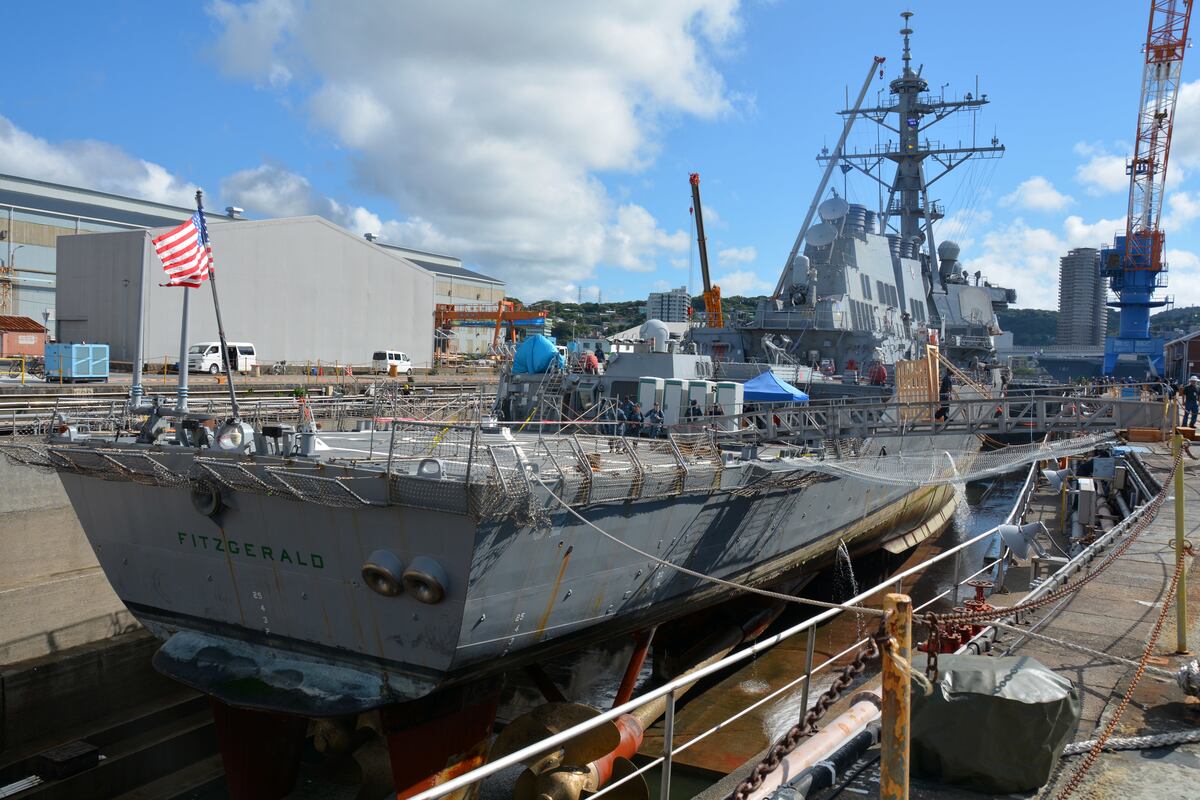
WASHINGTON — The Senate voted 83-11 on Friday to authorize an 8% defense budget increase over fiscal 2022 levels. The FY 2023 National Defense Authorization Act adds $45 billion to what the White House requested in its defense budget proposal.
The $858 billion NDAA — which includes roughly $817 billion in Defense Department spending — also includes a 4.6% pay raise for troops as well as billions of dollars in additional funding to help the Pentagon cope with inflation, expand capacity for the defense industrial base to produce major weapons systems and continue certain programs the Biden administration had sought to cancel.
“China is actively, actively trying to undercut American interests and partnerships everywhere from Asia itself to the Middle East, to Africa and beyond,” Senate Majority Leader Chuck Schumer, D-N.Y., said on the floor ahead of the vote. “This NDAA will strengthen our hand. It prioritizes crucial partnerships in the Indo-Pacific.”
The House passed the NDAA 350-80 last week after Democrats lined up behind a Republican push to repeal the Defense Department’s COVID-19 vaccine mandate . The White House and Pentagon have objected to the vaccine mandate repeal, though President Joe Biden has stopped short of issuing a veto threat. Regardless, lawmakers have passed the legislation with a veto-proof majority.
Schumer opted not to have the Senate pass its own version of the NDAA for the second year in a row . But the final bill nonetheless contains several House concessions to the Senate. The compromise legislation drops several provisions added by House lawmakers that would have restricted arms transfers over human rights concerns . The House passed the bill 329-101 in July.
Support for Taiwan and Ukraine
The exact details of how Congress will fund some programs authorized in the NDAA are still up in the air as Democrats and Republicans assemble a final omnibus appropriations package to fund the government for fiscal 2023, with the goal of passing that legislation next week.
For instance, lawmakers are currently debating whether to fund the $10 billion in Taiwan military aid authorized in the NDAA as grants or loans. Taiwan’s diplomatic office in Washington told Defense News it prefers to fund its incoming share of Foreign Military Financing, administered through the State Department, as grants .
The bill also includes measures intended to address the multibillion-dollar backlog of U.S. foreign military sales for the island nation .
Additionally, it authorizes $800 million for the Ukraine Security Assistance Initiative, indicating Congress intends to continue supporting Kyiv against Russia’s invasion. Lawmakers have indicated they intend to attach the White House’s fourth Ukraine supplemental funding request to the omnibus spending bill next week. The Biden administration has asked Congress for $38 billion more in Ukraine supplemental funding , including $21.7 billion more in security assistance.
Additionally, the NDAA requires a report on the framework the inspectors general use to oversee Ukraine aid amid growing skepticism from the right flank of the Republican caucus .
Procurement and supply chains
The legislation allocates more than $8 billion to procure high-priority munitions while granting the Pentagon emergency procurement powers to bolster production and refill U.S. stockpiles sent to Ukraine.
That includes more than $2.7 billion in across-the-board munitions funding on top of $5.9 billion for the Navy to procure additional munitions and expand U.S. industrial base production capacity with an eye on deterring China from invading or blockading Taiwan.
Amid concerns over China’s naval modernization efforts, the bill authorizes $32.6 billion to increase the U.S. naval fleet, including for 11 battle force ships. For the Army, it authorizes funding increases for the CH-47 heavy-lift helicopter, the UH-60 Blackhawk medium-lift helicopter and the MQ-1 Gray Eagle drone.
The final bill includes a requirement for the U.S. Navy to maintain 31 operational amphibious ships, despite opposition from the White House .
The White House also opposes funding a third Arleigh Burke-class destroyer. But the final bill allocates $2.2 billion for the third Arleigh Burke ship .
Additionally, the bill sets aside $25 million to continue the sea-launched cruise missile nuclear development program, also known as SLCM-N, despite the Biden administration’s attempts to cancel it. It creates additional hurdles for the Biden administration’s plan to retire the B83 megaton gravity bomb , which is at least 80 times more powerful than the bomb the U.S. dropped on Hiroshima, Japan, during World War II.
However, the bill does allow the Air Force to begin retiring the A-10 Warthog after previous congressional opposition. The bill also authorizes funding for five more F-35A aircraft as well as F-22 modernization.
Another provision requires the Pentagon — the world’s largest institutional fossil fuel consumer — to run its fleet of 170,000 non-tactical vehicles on electricity or alternative fuels by 2035 . However, a provision introduced by Sen. Joni Ernst, R-Iowa, slow-walked that target with a separate provision that requires the Pentagon to first supply Congress with a report on how much the initiative would cost.
The report would have to provide an assessment of any supply chain shortfalls and fire-related security risks while identifying any components of the vehicles sourced from China.
The NDAA provides $1 billion to more than double the National Defense Stockpile — the U.S. strategic reserve of critical minerals — after years of depletion , highlighting congressional efforts to decrease Chinese influence in the U.S. defense supply chain .
Bryant Harris is the Congress reporter for Defense News. He has covered U.S. foreign policy, national security, international affairs and politics in Washington since 2014. He has also written for Foreign Policy, Al-Monitor, Al Jazeera English and IPS News.
华盛顿——参议院周五以83票赞成、11票反对的投票结果,批准将2023财年国防预算在2022财年的基础上增加8%。这项2023财年国防授权法案在白宫提出的国防预算提案基础上,增加了450亿美元。
8580亿美元的国防授权法案(其中包括约8170亿美元的国防部支出)还包括为军队加薪4.6%,以及数十亿美元的额外资金,以帮助五角大楼应对通货膨胀,扩大国防工业基地生产主要武器系统的能力,并继续执行拜登政府曾试图取消的某些项目。
“中国正积极、不遗余力地试图削弱美国在亚洲、中东、非洲及其他地区的利益和伙伴关系,”参议院多数党领袖查克·舒默(纽约州)在投票前于参议院发言时表示。“这项国防授权法案将增强我们的实力。它优先考虑印太地区的关键伙伴关系。”
上周,众议院以350票赞成、80票反对的投票结果通过了《国防授权法案》(NDAA)。此前,民主党人支持共和党人推动废除国防部新冠疫苗强制接种令。白宫和五角大楼反对废除疫苗强制接种令,但拜登总统并未发出否决威胁。尽管如此,议员们还是以足以推翻总统否决的多数票通过了该法案。
舒默连续第二年选择不让参议院通过其自身版本的《国防授权法案》。但最终的法案仍然包含了众议院对参议院做出的几项让步。这项妥协法案删除了众议院议员提出的几项条款,这些条款原本会出于人权方面的考虑限制武器转让。众议院于7月以329票赞成、101票反对通过了该法案。
支持台湾和乌克兰
国会将如何为《国防授权法案》中授权的一些项目提供资金的具体细节仍悬而未决,民主党和共和党正在制定最终的综合拨款方案,为2023财年政府提供资金,目标是在下周通过该法案。
例如,国会议员目前正在辩论,根据《国防授权法案》(NDAA)授权的100亿美元台湾军事援助,是以赠款还是贷款的形式提供资金。台湾驻华盛顿外交机构告诉《防务新闻》,台湾倾向于以赠款的形式提供其应得的、由国务院管理的对外军事融资份额。
该法案还包括旨在解决美国对该岛国数十亿美元对外军售积压问题的措施。
此外,该法案还授权拨款8亿美元用于乌克兰安全援助计划,表明国会打算继续支持基辅对抗俄罗斯的入侵。议员们已表示,他们计划下周将白宫提出的第四笔乌克兰补充拨款请求附加到综合支出法案中。拜登政府已向国会申请追加380亿美元的乌克兰补充拨款,其中包括217亿美元的安全援助。
此外,《国防授权法案》要求提交一份报告,说明监察长们在共和党党团右翼日益增长的怀疑情绪下,如何监督对乌克兰的援助。
采购和供应链
该法案拨款超过 80 亿美元用于采购高优先级弹药,同时赋予五角大楼紧急采购权,以加强生产并补充运往乌克兰的美国库存。
其中包括超过 27 亿美元的全面军火采购资金,以及 59 亿美元用于海军采购额外军火和扩大美国工业基础生产能力,以期阻止中国入侵或封锁台湾。
鉴于对中国海军现代化建设的担忧,该法案授权拨款326亿美元用于扩充美国海军舰队,其中包括建造11艘作战舰艇。对于陆军,该法案授权增加CH-47重型运输直升机、UH-60黑鹰中型运输直升机和MQ-1灰鹰无人机的预算。
尽管白宫反对,但最终法案仍要求美国海军维持 31 艘可作战的两栖舰艇。
白宫也反对为第三艘阿利·伯克级驱逐舰提供资金。但最终的法案拨款22亿美元用于建造第三艘阿利·伯克级驱逐舰。
此外,尽管拜登政府试图取消该项目,但该法案仍拨款2500万美元继续推进海基巡航导弹核动力研发项目(SLCM-N)。这无疑给拜登政府退役B83型百万吨级重力炸弹的计划增添了更多障碍。B83型炸弹的威力至少是二战期间美国投掷在日本广岛的原子弹的80倍。
然而,该法案允许空军在此前国会反对后开始逐步淘汰A-10“疣猪”攻击机。该法案还授权拨款购买五架F-35A战斗机以及对F-22战斗机进行现代化改造。
另一项条款要求五角大楼——全球最大的化石燃料机构消费者——到2035年将其17万辆非战术车辆全部改用电力或替代燃料。然而,爱荷华州共和党参议员乔尼·恩斯特提出的一项条款却拖慢了这一目标的实现,该条款另行规定五角大楼必须首先向国会提交一份关于该计划成本的报告。
该报告必须对任何供应链短缺和与火灾相关的安全风险进行评估,同时还要确定车辆中任何从中国采购的零部件。
《国防授权法案》拨款 10 亿美元,使美国国防储备(美国关键矿产战略储备)在多年消耗后增加了一倍以上,凸显了国会为减少中国对美国国防供应链的影响所做的努力。
布莱恩特·哈里斯是《防务新闻》的国会记者。自2014年以来,他一直在华盛顿报道美国外交政策、国家安全、国际事务和政治。他还曾为《外交政策》、《Al-Monitor》、《半岛电视台英语频道》和IPS新闻撰稿。