P1 registration: Schools should be distinctive, but not exclusiveP1注册:学校应具有特色,但并非排他性。
P1 registration changes matter as access to popular schools must not become a means to protect social advantage. Read more at straitstimes.com.
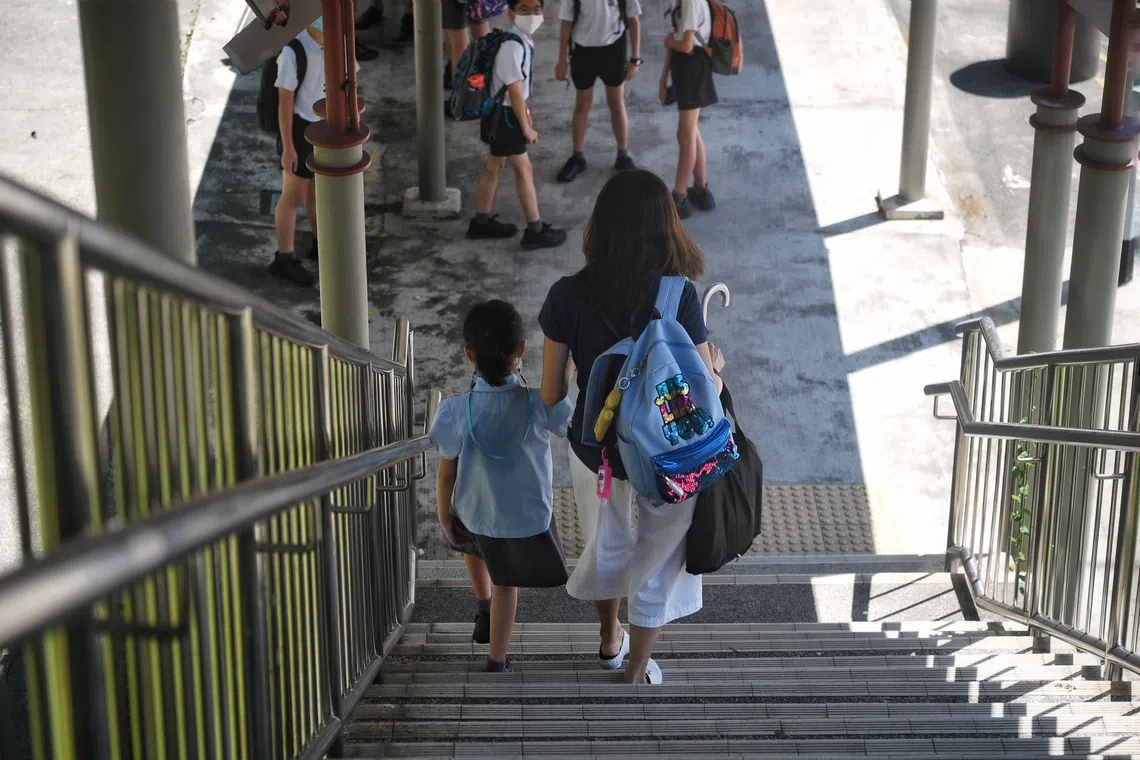
Access to popular schools should not become a channel for protecting and passing on social advantage.
Access to a public school should not depend on whether a family can afford nearby housing, say the writers.
Melvin Tay and Mathew Mathews
Published Sep 15, 2026, 06:00 PM
Updated Sep 16, 2026, 05:26 AM
The latest changes to Primary 1 registration are meant to widen access to some popular schools. But they should also prompt a harder question: What exactly are we trying to preserve when families feel strongly about particular primary schools?
From the 2027 exercise, most primary schools will reserve 60 places for Phase 2C – the open phase for all students, regardless of whether or not they have a prior connection to the school – up from 40 places.
Primary 1 registration
Ministry of Education
IPS/Institute of Policy Studies
进入名校的机会不应成为保护和传递社会优势的渠道。
作者们认为,子女能否就读公立学校不应取决于家庭是否有能力负担附近的住房。
Melvin Tay 和 Mathew Mathews
发布于2026年9月15日下午6:00
更新于2026年9月16日 上午5:26
小学一年级入学登记制度的最新改革旨在扩大一些热门小学的入学机会。但这同时也应该引发一个更深刻的问题:当家庭对某些小学抱有强烈的偏好时,我们究竟想要保留什么?
从 2027 年起,大多数小学将为 2C 阶段(面向所有学生的开放阶段,无论他们之前是否与该校有联系)预留 60 个名额,比之前的 40 个名额有所增加。
小学一年级注册
教育部
IPS/政策研究所