The avoidable consequences of a government shutdown政府停摆的可避免后果
Opinion: The real hostages, and eventual losers in this blame game, are not elected officials or single issues of contention; they are American taxpayers.
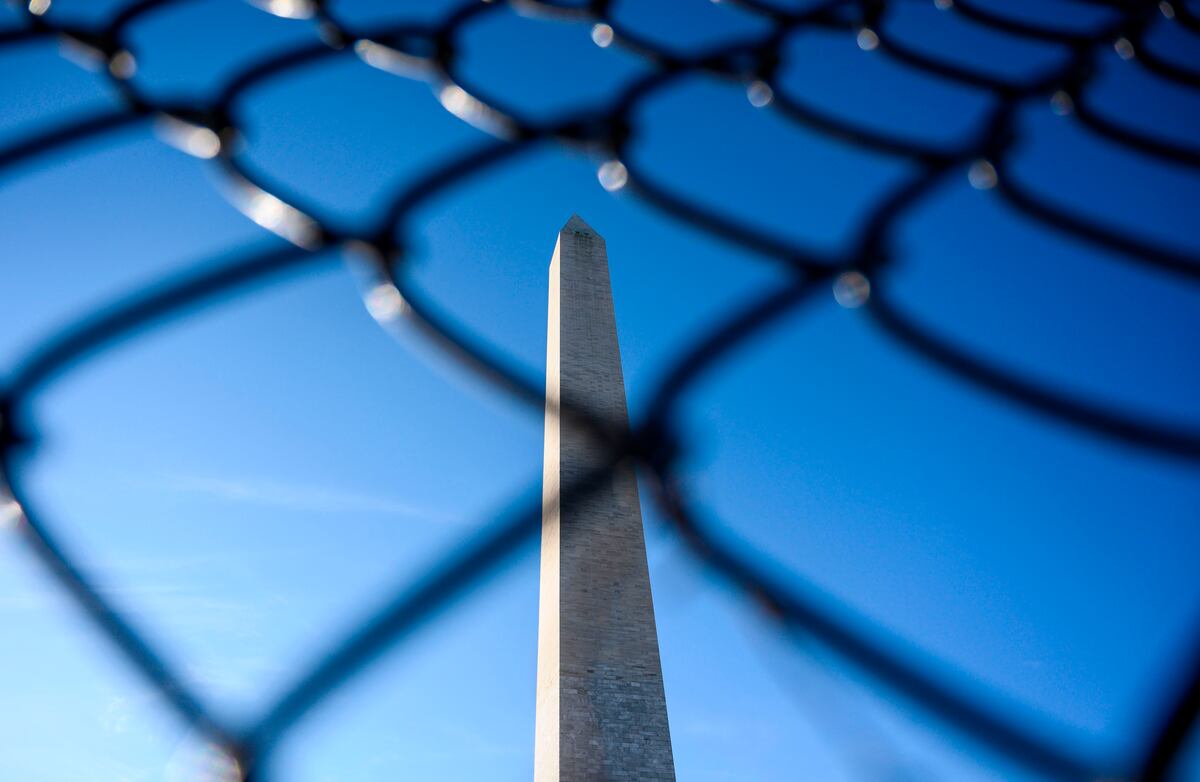
As members of Congress return to the Capitol from the August work period at home with their constituents, only 11 joint legislative days remain for them to finish their most fundamental annual duty: funding the federal government to support American security and competitiveness.
There are many necessary and useful debates to be had related to this responsibility, including the size and scope of the federal government and its activities, the way taxpayer funds are used, and the looming repercussions of a growing federal deficit. However, Americans need more emphasis on negotiated solutions to confronting the nation’s key challenges, and less on who gets the blame for failure.
With attention currently going toward the probability of a government shutdown , which is what happens when annual funding is not enacted or extended, there appears to be little discussion or understanding of the consequences such a failure would bring.
The real hostages, and eventual losers in this blame game, are not elected officials or single issues of contention; they are American taxpayers and the national security they support with their tax dollars.
Who are the winners? China, Russia and other U.S adversaries.
The consequences of a government shutdown can be put into three basic categories. The first is reputational, which has broad strategic, security and financial implications. The second is anticipatory, meaning the planning, diversion of attention and hedging activities that come with a shutdown threat. The third is financial — or the tangible wasted money of shutting down and then restarting the government — and the lost opportunity and revenue that permeates the economy and thereby threatens our security.
First, a government shutdown feeds directly into the strategic narrative of our adversaries who have the most to gain when we provide evidence to support their talking points that the U.S. is fractured, dysfunctional, distracted and unreliable. Combine a potential shutdown with the debacle leading up to the last-minute avoidance of the debt limit breach earlier this year; the Biden administration’s inept, weak and confusing foreign policy ; and the somewhat embarrassing nature of our current national politics, and our country is not sending signals of confidence and strength.
In fact, the inability for our national leaders to accomplish even the most basic tasks must only encourage countries to continue hedging strategies, allowing China and Russia to capitalize on our divisions to achieve their aims.
Second, as the end of the fiscal year approaches and a small cadre of elected representatives indicates a government shutdown may actually be useful , federal leaders and the workforce must prepare for all the notifications and mechanics of making it happen. Despite the reams of instructions and directives about how to do it, the actual implementation of a shutdown is complicated, confusing and subject to shifting interpretations. In fact, there are so many detailed questions that arise before, during and after a government shutdown that daily calls at leadership levels across the government consume large amounts of time. These engagements cover a huge range of topics and questions, ranging from ways to maintain military modernization momentum that is lagging China , to specifics on the diversion of major training events , to how to pay the local base groundskeeper or provide loan assistance for military families who don’t know when the next paycheck may be coming.
Multiply these calls across functional areas around the globe, and thousands of hours adding up to millions of dollars are wasted while attention is diverted from core missions and activities, and away from real national priorities of security and economic progress.
Finally, a government shutdown is expensive and imposes a negative cost on the economy, and thereby on security. For example, the Congressional Budget Office estimated that the 2018-2019 shutdown reduced gross domestic product by a total of $11 billion, including $3 billion that was unrecoverable.
Financial impacts come in the form of reduced access to federal loans, lost interest payments, delayed contracts and the inability to disburse funds, which then reverberates into private sector investments and hiring decisions. A 2019 Senate report found that the three government shutdowns — in 2013, 2018 and 2019 — cost taxpayers nearly $4 billion .
From a Pentagon perspective , weapons systems are delayed; training is missed, which impacts readiness; and junior uniform personnel, who are already struggling with financial challenges, go unpaid while they continue to work. In addition, costs are incurred when back pay is provided to a federal workforce that is largely furloughed. These financial impacts not only waste taxpayer dollars, but they reach large and small businesses, a shaky supply chain, and ultimately military competitiveness and national security.
Congress has a key constitutional responsibility: providing annual appropriations to fund the federal government. The federal government has only one mandatory and exclusive job: providing for the common defense. A government shutdown is an avoidable self-inflicted wound that disgracefully demonstrates failure to meet both foundational tasks while damaging America’s reputation, security and economy.
Elaine McCusker is a senior fellow at the American Enterprise Institute think tank. She previously served as the Pentagon’s deputy undersecretary of defense (comptroller) as well as acting undersecretary of defense (comptroller).
国会议员们结束了八月份在选民家中的工作,返回国会大厦,只剩下 11 个联合立法日来完成他们最基本的年度职责:为联邦政府提供资金,以支持美国的安全和竞争力。
关于这项责任,有很多必要且有益的辩论需要展开,包括联邦政府的规模和职能范围、纳税人资金的使用方式,以及不断增长的联邦赤字可能带来的后果。然而,美国民众更需要重视通过协商解决国家面临的关键挑战,而不是纠结于谁该为失败负责。
目前人们的注意力都集中在政府停摆的可能性上,而政府停摆是指年度拨款未能通过或延长的情况,因此似乎很少有人讨论或理解这种失败会带来的后果。
在这场互相指责的游戏中,真正的受害者和最终的输家不是民选官员或单一的争议问题;而是美国纳税人以及他们用税款支持的国家安全。
谁是赢家?中国、俄罗斯和其他美国的对手。
政府停摆的后果可归纳为三大类。第一类是声誉损失,涉及广泛的战略、安全和财政影响。第二类是应对措施,包括为应对政府停摆威胁而进行的规划、转移注意力以及对冲风险等活动。第三类是财政损失,即政府停摆和重启所造成的实际资金浪费,以及由此带来的经济机会和收入损失,这些损失会渗透到经济的各个层面,进而威胁到我们的安全。
首先,政府停摆会直接迎合我们对手的战略叙事,因为我们提供的证据表明美国四分五裂、运转失灵、注意力分散且不可靠,而他们从中获益最多。如果再加上今年早些时候为避免债务上限违约而进行的最后关头的混乱局面;拜登政府无能、软弱且令人困惑的外交政策;以及我们当前国内政治令人尴尬的现状,那么我们的国家就无法发出自信和强大的信号。
事实上,我们国家领导人连最基本的任务都无法完成,这只会促使各国继续采取对冲策略,从而使中国和俄罗斯能够利用我们的分裂来实现其目标。
其次,随着财政年度临近尾声,少数民选代表暗示政府停摆或许真的有益,联邦领导人和工作人员必须做好准备,应对所有相关的通知和操作流程。尽管有大量关于如何操作的指示和指令,但实际执行政府停摆却十分复杂、混乱,而且容易出现各种不同的解读。事实上,在政府停摆之前、期间和之后,都会出现大量细节问题,以至于政府各级领导每天都要花费大量时间进行电话会议。这些会议涵盖了范围极广的议题和问题,从如何保持落后于中国的军事现代化势头,到如何具体安排重大训练活动,再到如何支付当地基地场地维护人员的工资,以及如何为那些不知道何时才能领到下一份工资的军属提供贷款援助,无所不包。
如果将这些呼叫乘以全球各职能部门,就会浪费数千小时,数百万美元,同时将注意力从核心任务和活动以及国家安全和经济发展的真正优先事项上转移开来。
最后,政府停摆代价高昂,会对经济造成负面影响,进而危及国家安全。例如,国会预算办公室估计,2018-2019年的政府停摆导致国内生产总值减少了110亿美元,其中30亿美元无法挽回。
财政影响体现在联邦贷款获取渠道减少、利息收入损失、合同延期以及资金无法拨付等方面,这些都会对私营部门的投资和招聘决策产生连锁反应。2019 年参议院的一份报告指出,2013 年、2018 年和 2019 年的三次政府停摆给纳税人造成了近 40 亿美元的损失。
从五角大楼的角度来看,武器系统交付延误;训练中断,战备受到影响;本就面临经济困境的基层军人,在继续工作的同时却拿不到工资。此外,向大部分被迫休假的联邦雇员支付补发工资也会产生费用。这些经济影响不仅浪费纳税人的钱,还会波及大大小小的企业、脆弱的供应链,并最终损害军事竞争力和国家安全。
国会肩负着一项关键的宪法职责:每年拨款资助联邦政府。联邦政府只有一项强制性且唯一的职责:保障共同安全。政府停摆是一种本可避免的自残行为,它不仅耻辱地暴露了政府未能履行这两项根本性职责,而且还损害了美国的声誉、安全和经济。
伊莱恩·麦卡斯克是美国企业研究所智库的高级研究员。她曾担任五角大楼国防部副部长(审计长)和代理国防部副部长(审计长)。