Amid fears of Russian air dominance, US to send anti-aircraft Stingers to Ukraine鉴于对俄罗斯空中优势的担忧,美国将向乌克兰派遣“毒刺”防空导弹。
The U.S. for the first time has approved the direct delivery of Stinger anti-aircraft missiles to Ukraine as part of a package approved by the White House last week.
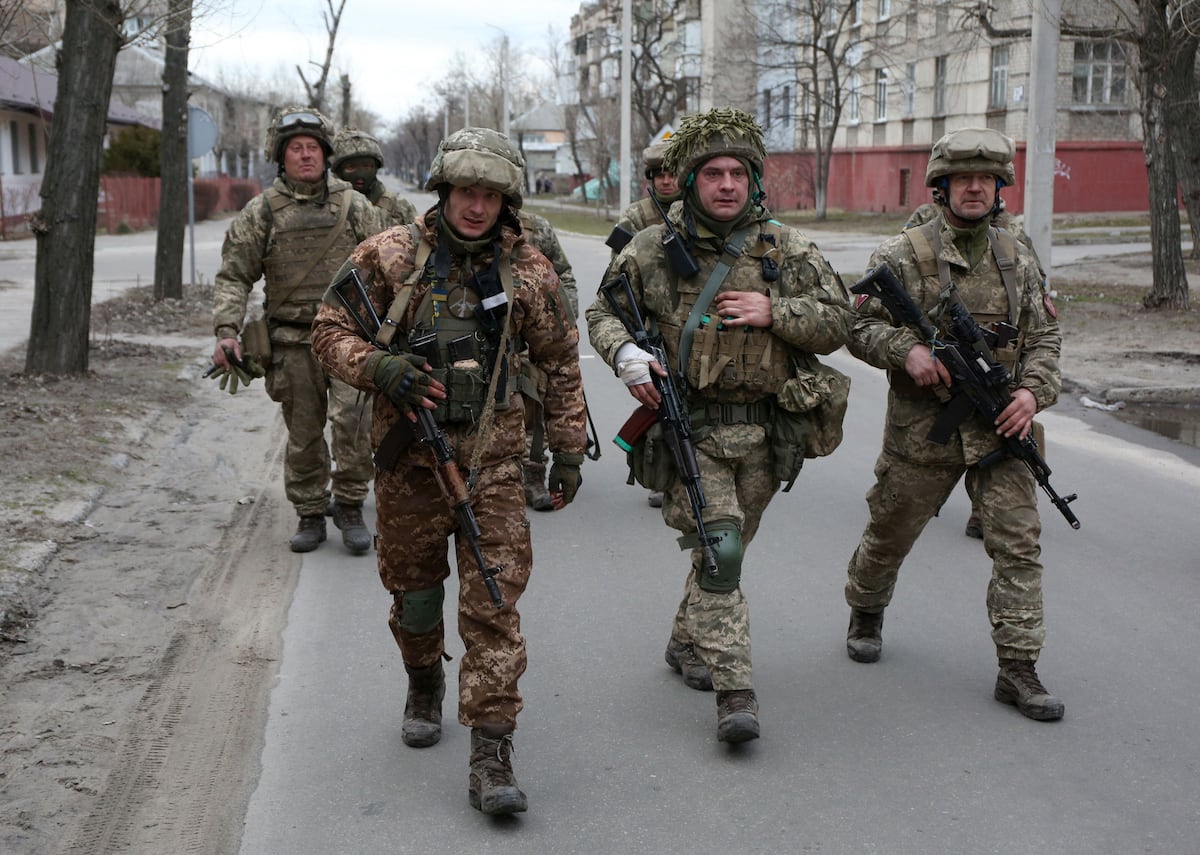
WASHINGTON ― The U.S. for the first time has approved the direct delivery of Stinger anti-aircraft missiles to Ukraine as part of a package approved by the White House last week .
During the Cold War, the CIA covertly supplied Stingers to Afghan guerrillas fighting Russian forces. Now Ukrainian forces locked in an intensifying fight to repel Russia will get more of the shoulder-fired weapon, which has a 4-kilometer range.
With the Raytheon Technologies-made Stingers, Ukrainian forces gain a tool for fighting Russian helicopters being used to transport troops and as close-air support. They have relied on missile defenses and aircraft to, so far, keep Russian aircraft from completely dominating their skies.
“Once the Stinger’s employed, it has the ability to be a game changer,” said retired Army Lt. Gen. Jim Dubik, now a senior fellow with the Institute for the Study of War. “The Russians don’t have air dominance, but they do have air superiority ― and the Stingers won’t take that away, but it’ll be contested airspace, and that hurts the Russians’ ability to conduct operations and increases Ukraine’s ability to defend.”
There’s been a steady stream of new commitments from the European Union and western countries to send arms and other aid to Ukraine, which had asked for Stingers and Javelin missiles.
The Associated Press was first to report the Stingers would be part of a $350 million tranche of supplies U.S. President Joe Biden authorized last week. Defense News confirmed the report with an administration official granted anonymity to discuss the sensitive matter.
The U.S. decision follows Germany’s announcement it will send 500 Stinger missiles and 1,000 anti-tank weapons to Ukraine, marking a reversal of Germany’s long-standing policy of never sending lethal munitions to war zones.
The Baltic states have also been providing Ukraine with Stingers since January, and in order to do that had to get U.S. permission.
While it’s unclear when this tranche of U.S. aid will arrive, the Pentagon says it has not seen any Russian efforts to interdict western aid to Ukraine or problems with previous tranches.
“The assistance continues to flow, and we are comfortable that is it getting into hands that need it,” Pentagon spokesman John Kirby told reporters Monday.
Jim Townsend, who was the Pentagon’s top Europe and NATO policy official throughout the Obama administration, speculated that the previous U.S. reluctance to send Stinger missiles stemmed from a fear that, if Ukrainian forces did not mount as successful a fight as they have, the highly effective weapon could fall into Russian hands.
But now it’s time for Ukraine’s western allies to make sure Ukraine’s supply lines don’t run dry, and for Ukraine to get weapons and other gear it needs, Townsend said.
“Ukraine is great, but if they run out of ammunition, if their supply lines are cut, if Russians dominate the air, it’s going to be a different picture,” he said. “We’ve got to keep resupply routes open, and we’ve got to hurry. ... We have Stingers in stock, and we’ve got to put them on trucks and get them the hell over there.”
This week, Russia has already targeted airfields and fuel facilities, in what appeared to be the next phase of an invasion slowed by fierce resistance.
Ukraine Brig. Gen. Kyrylo Budanov, head of that nation’s defense intelligence agency, told Military Times Monday morning the Russians could use missile barrages to continue to destroy Ukrainian airfields. That in turn could be used to choke off Ukrainian supplies.
Budanov said Ukraine could benefit from the U.S.-made Patriot, a sophisticated surface-to-air missile defense system that would take time for the U.S. to send. Meanwhile, Russia is getting close to air dominance, in spite of Ukraine’s anti-aircraft systems, bombers and other war planes.
Adding another challenge for Kyiv’s defenders, the Russians have moved their Pantsir-S1 mobile air defense systems closer to the city, according to Budanov. The system can track up to 20 tactical aircraft-sized targets at a range of 32-36 km.
“They almost control the sky,” Budanov said.
Joe Gould was the senior Pentagon reporter for Defense News, covering the intersection of national security policy, politics and the defense industry. He had previously served as Congress reporter.
Howard Altman is an award-winning editor and reporter who was previously the military reporter for the Tampa Bay Times and before that the Tampa Tribune, where he covered USCENTCOM, USSOCOM and SOF writ large among many other topics.
华盛顿——美国首次批准直接向乌克兰交付毒刺防空导弹,这是白宫上周批准的一揽子援助计划的一部分。
冷战期间,美国中央情报局曾秘密向与俄军作战的阿富汗游击队提供“毒刺”导弹。如今,乌克兰军队正与俄军展开愈演愈烈的战斗,并将获得更多这种射程达4公里的肩扛式导弹。
借助雷神技术公司制造的“毒刺”导弹,乌克兰军队获得了对抗俄罗斯用于运送部队和提供近距离空中支援的直升机的有效工具。迄今为止,乌克兰军队一直依靠导弹防御系统和飞机来阻止俄罗斯飞机完全控制其领空。
“一旦毒刺导弹投入使用,它就有可能改变战局,”退役陆军中将、现任战争研究所高级研究员吉姆·杜比克说道。“俄罗斯虽然没有空中优势,但他们拥有空中制高点——毒刺导弹不会夺走这种制高点,但会使空域成为争夺的焦点,这将削弱俄罗斯的作战能力,并增强乌克兰的防御能力。”
欧盟和西方国家不断做出新的承诺,向乌克兰提供武器和其他援助,而乌克兰此前曾要求获得毒刺导弹和标枪导弹。
美联社率先报道称,毒刺导弹将包含在美国总统拜登上周批准的价值3.5亿美元的物资采购计划中。《防务新闻》从一位因涉及敏感问题而要求匿名的政府官员处证实了这一报道。
美国的决定是在德国宣布将向乌克兰运送 500 枚毒刺导弹和 1000 件反坦克武器之后做出的,这标志着德国长期以来从不向战区运送致命性弹药的政策发生了逆转。
自1月份以来,波罗的海国家也一直在向乌克兰提供“毒刺”导弹,而为了做到这一点,他们必须获得美国的许可。
虽然目前还不清楚这批美国援助何时到达,但五角大楼表示,他们没有发现任何俄罗斯试图拦截西方对乌克兰的援助,也没有发现之前几批援助出现问题。
五角大楼发言人约翰·柯比周一告诉记者:“援助仍在持续,我们相信援助能够送到真正需要的人手中。”
吉姆·汤森德在奥巴马执政期间担任五角大楼欧洲和北约政策最高官员,他推测,美国此前不愿向乌克兰派遣毒刺导弹,是因为担心如果乌克兰军队的抵抗没有像现在这样成功,这种高效的武器可能会落入俄罗斯手中。
汤森德说,现在乌克兰的西方盟友应该确保乌克兰的补给线不会断绝,并确保乌克兰获得所需的武器和其他装备。
“乌克兰很棒,但如果他们的弹药耗尽,补给线被切断,如果俄罗斯人控制了制空权,情况就会完全不同,”他说。“我们必须保持补给路线畅通,而且必须抓紧时间……我们有毒刺导弹库存,必须把它们装上卡车,赶紧运过去。”
本周,俄罗斯已经将目标对准了机场和燃料设施,这似乎是因顽强抵抗而放缓的入侵行动的下一阶段。
乌克兰国防情报局局长、准将基里洛·布达诺夫周一上午告诉《军事时报》,俄罗斯可能使用导弹袭击继续摧毁乌克兰机场。这反过来又可能被用来切断乌克兰的物资供应。
布达诺夫表示,乌克兰可以从美国制造的“爱国者”地对空导弹防御系统中受益,该系统技术先进,但美国需要时间才能交付。与此同时,尽管乌克兰拥有防空系统、轰炸机和其他战机,俄罗斯仍在逐步接近空中优势。
据布达诺夫称,俄方已将“铠甲-S1”机动防空系统部署到更靠近基辅的地区,这无疑给基辅的防御者增加了新的挑战。该系统可在32至36公里范围内追踪多达20架战术飞机大小的目标。
布达诺夫说:“他们几乎控制了天空。”
乔·古尔德是《防务新闻》的资深五角大楼记者,负责报道国家安全政策、政治和国防工业的交汇点。他此前曾担任国会记者。
霍华德·奥特曼是一位屡获殊荣的编辑和记者,他曾担任《坦帕湾时报》的军事记者,此前还曾担任《坦帕论坛报》的军事记者,报道过美国中央司令部、美国特种作战司令部和特种作战部队等众多主题。