Tengku Zafrul: Asean’s next integration stage could draw on Malaysia’s NIMP 2030 principlesTengku Zafrul:东盟下一个一体化阶段可以借鉴马来西亚的NIMP 2030原则
SINGAPORE, Sept 21 — Asean’s next stage of economic integration could draw on the principles underpinned by Malaysia’s New Industrial Master Plan (NIMP) 2030, said Malaysian...
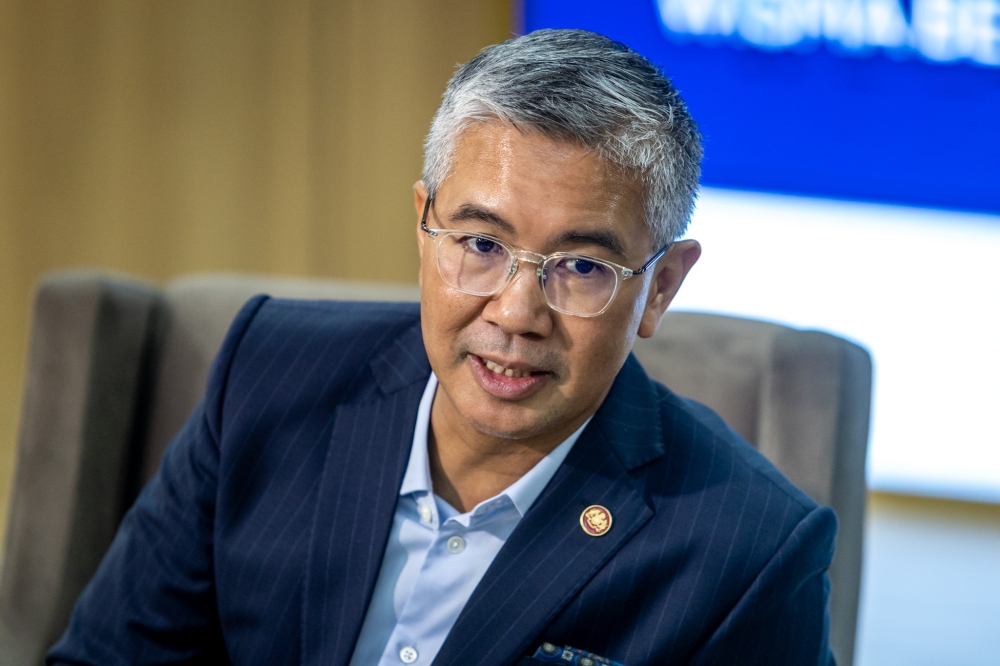
The Malaysian Investment Development Authority's chairman, Tengku Datuk Seri Zafrul Abdul Aziz, emphasized that ASEAN's future economic integration could benefit by adopting principles from Malaysia's New Industrial Master Plan (NIMP) 2030.
This plan focuses on enhancing economic complexity, technology adoption, achieving net zero, and ensuring economic security and inclusivity, aligning with the broader Madani Economy framework.
Speaking at the 2026 China-ASEAN Business Leaders Summit, he highlighted the strategic positioning of ASEAN and its potential to leverage diverse economic strengths and talent pools to close the wealth gap and foster regional growth.
Emphasizing a collaborative approach, he advocated for investments that promote skill development and sustainable economic expansion.
SINGAPORE, Sept 21 — Asean’s next stage of economic integration could draw on the principles underpinned by Malaysia’s New Industrial Master Plan (NIMP) 2030, said Malaysian Investment Development Authority (Mida) chairman Tengku Datuk Seri Zafrul Abdul Aziz.
He said NIMP 2030, which was launched in 2023, became a key industrial pillar of the broader Madani Economy framework by aiming to advance economic complexity, accelerate tech adoption, push for net zero, as well as safeguarding economic security and inclusivity.
Tengku Zafrul noted that Asean sits strategically between the East and West, astride some of the world’s most important trading routes.
“We have large consumer markets, abundant resources, growing digital economies and diverse pools of talent.
“Asean received US$226 billion (US$1=RM4.08) in foreign direct investment in 2024, almost twice the level recorded in 2015. The key question is what that investment brings to our people,” he said in his keynote address titled “Beyond Profit: Closing the Wealth Gap as Asean and China’s Greatest Competitive Advantage” at the 2026 China-Asean Business Leaders Summit on Monday.
Meanwhile, he emphasised that manufacturing and industrial development remain crucial to the region as their impact extends across suppliers, logistics, professional services, technology, energy and skills.
“Done right, an investment leaves a legacy of know-how, stronger firms and better-skilled workers. That same principle should guide Asean’s next stage of development,” he added.
Tengku Zafrul highlighted that Asean and China both carry indigenous traditions that already treat shared prosperity as a condition of good business.
According to him, the lesson for Asean and China in the current global landscape is that closing the wealth gap requires the same policy intent that built the growth in the first place.
Both economies have different strengths, different levels of development and different pools of talent, he noted, stressing that regional integration should allow those strengths to reinforce one another while giving companies a larger market and room to grow.
“A stronger regional economy also creates more opportunities for people and businesses to build wealth,” he added. — Bernama
Socso confirms Ipoh crash victims’ families entitled to pensions and funeral aid exceeding RM275,000
Rauf: BN open to alliances for Melaka polls, but don’t negotiate on social media
Kulim man charged with murder after allegedly killing wife in fit of jealousy
马来西亚投资发展局主席东姑拿督斯里扎夫鲁阿卜杜勒阿齐兹强调,东盟未来的经济一体化可以通过采纳马来西亚2030年新工业总体规划(NIMP)的原则而受益。
该计划着重于增强经济复杂性、技术采用、实现净零排放以及确保经济安全和包容性,与更广泛的马达尼经济框架保持一致。
在2026年中国—东盟商业领袖峰会上,他强调了东盟的战略地位及其利用多元化的经济优势和人才库来缩小财富差距、促进区域增长的潜力。
他强调合作方式,倡导进行能够促进技能发展和可持续经济增长的投资。
新加坡,9月21日——马来西亚投资发展局(Mida)主席东姑·拿督·斯里·扎夫鲁·阿卜杜勒·阿齐兹表示,东盟下一阶段的经济一体化可以借鉴马来西亚2030年新工业总体规划(NIMP)所支持的原则。
他表示,2023 年启动的 NIMP 2030 旨在推进经济复杂性、加速技术应用、推动净零排放,以及保障经济安全和包容性,已成为更广泛的马达尼经济框架的关键产业支柱。
东姑扎夫鲁指出,东盟地处东西方之间,战略位置优越,扼守着世界上一些最重要的贸易路线。
“我们拥有庞大的消费市场、丰富的资源、不断发展的数字经济和多元化的人才库。
“东盟在2024年吸引了2260亿美元(1美元=4.08令吉)的外国直接投资,几乎是2015年的两倍。关键问题是,这些投资能给我们的人民带来什么,”他在周一举行的2026年中国—东盟商业领袖峰会上发表题为“超越利润:缩小贫富差距,成为东盟和中国最大的竞争优势”的主题演讲时说道。
与此同时,他强调制造业和工业发展对该地区仍然至关重要,因为它们的影响遍及供应商、物流、专业服务、技术、能源和技能等领域。
他补充说:“如果运用得当,投资将留下丰富的专业知识、更强大的企业和技能更精湛的工人。这一原则也应指导东盟的下一阶段发展。”
东姑扎夫鲁强调,东盟和中国都拥有将共同繁荣视为良好商业条件的本土传统。
他认为,在当前的全球形势下,东盟和中国应该吸取的教训是,缩小贫富差距需要与当初推动经济增长的政策意图相同的策略。
他指出,两国经济体各有不同的优势、不同的发展水平和不同的人才储备,并强调区域一体化应该让这些优势相互加强,同时为企业提供更大的市场和发展空间。
他还补充说:“更强劲的区域经济也能为个人和企业创造更多积累财富的机会。”——马新社
社会保险机构证实,怡保车祸遇难者家属有权获得超过27.5万令吉的抚恤金和丧葬补助。
拉乌夫:国阵对马六甲州选举的联盟持开放态度,但不要通过社交媒体进行谈判。
居林男子因涉嫌嫉妒杀害妻子被控谋杀