Maritime industry expert seeks Customs dept ruling on RM220m K8 cargoes, calls for industry-wide SOP on petroleum blending海事行业专家寻求海关部门对价值2.2亿令吉的K8货物作出裁决,并呼吁制定全行业石油掺混标准操作程序。
KUALA LUMPUR, Sept 22 — The Royal Malaysian Customs Department (JKDM) has been urged to issue a clear written position on the Customs treatment of two petroleum cargoes with a...
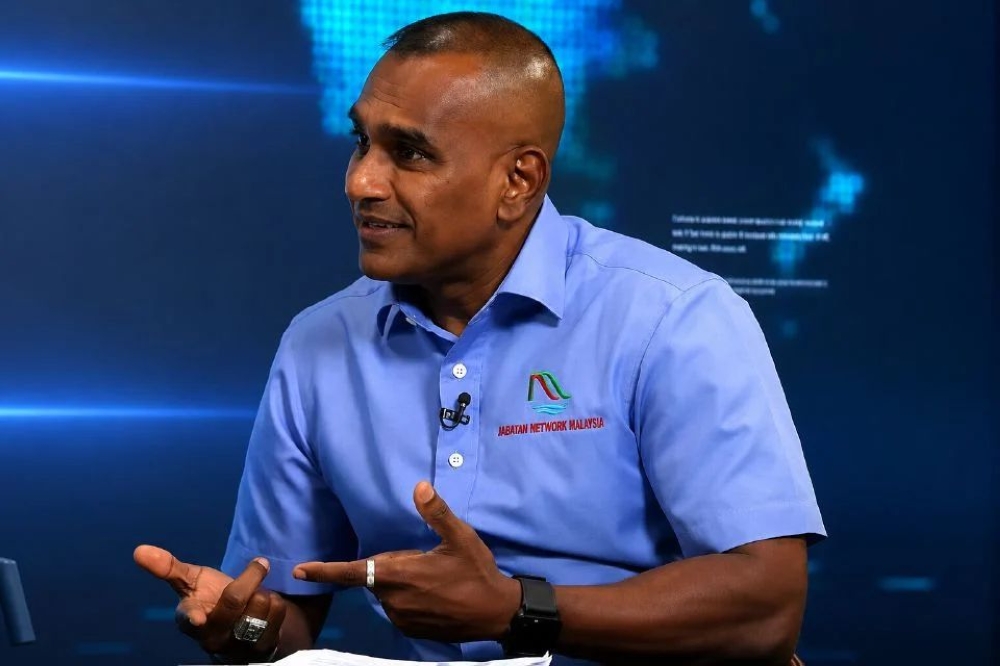
Maritime Network Sdn Bhd has called on the Royal Malaysian Customs Department (JKDM) to provide a clear written stance on the customs treatment of two petroleum cargoes valued over RM220 million, to address regulatory uncertainty impacting stakeholders in Malaysia's downstream petroleum sector.
The clarification sought pertains to whether petroleum cargo declared for transhipment under the K8 procedure can be blended in a Public Licensed Warehouse and the applicable customs declarations and duties if there are changes to the cargo.
Despite numerous inquiries and a report submitted to JKDM, no written response has been provided, creating a regulatory gap.
Maritime Network and the Malaysian Investment Development Authority (MIDA) highlighted the necessity for JKDM's explicit, written clarification to ensure consistent application of rules across the industry.
KUALA LUMPUR, Sept 22 — The Royal Malaysian Customs Department (JKDM) has been urged to issue a clear written position on the Customs treatment of two petroleum cargoes with a combined declared value exceeding RM220 million, as continued uncertainty could affect shipping agents, terminal operators, cargo owners and other participants in Malaysia’s downstream petroleum sector.
Maritime Network Sdn Bhd chief executive officer Datuk Seri R. Jeyenderan said the company was not asking JKDM to decide the matter in its favour, but to state the applicable law, procedure and documentary requirements in writing.
“This has gone beyond a private commercial disagreement. The industry needs to know whether petroleum cargo declared for transhipment under K8 may be blended or commingled in a Public Licensed Warehouse, what approvals are required, and how the declaration and duty treatment must be handled if the product changes,” he said in a statement today.
The matter concerns two Atlanta Crude Oil cargoes totalling 76,954.325 metric tonnes. The first comprised 34,903.062 tonnes carried by MT Marlin Santorini, while the second comprised 42,051.263 tonnes carried by MT Invictus.
Maritime Network said records reviewed by the company showed that the cargoes were declared under the K8 procedure and discharged into shore tanks at Dialog Terminals Langsat in Johor. The company has asked whether the K8 procedure remained appropriate after the reported blending activity and whether any change in the product’s composition, specifications or tariff classification required a different Customs declaration.
Jeyenderan said Maritime Network had pursued clarification through the proper channels since April, including meetings, formal correspondence, a detailed report submitted in late August, a meeting with officers from JKDM’s Downstream Petroleum Unit on Sept 9 and a further written request sent to the department on the same day.
“After months of emails, meetings, reports and formal letters, the continued absence of a written answer is creating avoidable regulatory uncertainty. A matter involving cargo with a declared value of more than RM220 million should not be left to verbal interpretations,” he said.
He said the latest development was a written response from the Malaysian Investment Development Authority (MIDA) dated Sept 17.
Based on MIDA’s stated understanding of the arrangement, the cargo owner or client retained ownership of the crude oil, blending components and resulting Very Low Sulphur Fuel Oil (VLSFO), while Dialog undertook the blending at its Tanjung Langsat facility and held the relevant Manufacturing Licence.
MIDA said the client was therefore regarded as a trading company and was not required to apply for a Manufacturing Licence for that activity. Crucially, MIDA advised that confirmation on whether the activity could be carried out in a Public Licensed Warehouse and whether duties applied to the process or export of VLSFO should be obtained directly from JKDM because those matters fell under Customs’ purview.
“MIDA has answered the question within its jurisdiction and has expressly identified Customs as the authority for the remaining issues. The matter cannot continue moving from one agency to another. The competent authority is now clear, and what is needed is a written Customs position,” Jeyenderan said.
He said the requested clarification should state whether K8 remained valid where crude oil declared under tariff heading HS 2709.00 was reportedly blended into VLSFO under HS 2710.19, whether K1 or another declaration was required, and what import duty, sales tax, excise duty, export duty or other tax treatment applied.
If no duty or tax was payable, JKDM should identify the relevant exemption, suspension, licence condition or other legal basis, he said.
Maritime Network also called for an industry-wide written guideline or operational standard covering liquid petroleum cargo handled under K8, including rules on blending or commingling, licensed-warehouse conditions, product identity, sampling, tariff classification, mass-balance records and the reconciliation of inbound cargo against the final outgoing export.
Jeyenderan said written guidance would protect both the authorities and the industry by ensuring that the same rules were understood and applied at every Malaysian port and terminal.
“A verbal explanation may depend on the officer present on that day. A written position creates consistency, accountability and equal opportunity. If this activity is permitted, the rules should be transparent and available to every qualified Malaysian industry player. If it is not permitted, the industry must be told clearly so that companies can comply,” he said.
He stressed that the RM220 million figure represented the combined declared value of the two cargoes and was not being presented as an estimate of lost government revenue.
“We are not alleging an offence and we are not asking Customs to prejudge any party. We are asking the authority responsible for Customs law and procedure to close the regulatory gap with a written answer supported by the applicable legal basis,” he said.
Maritime Network said it was prepared to publish or fairly summarise any substantive clarification received from JKDM and correct any factual point shown to be inaccurate.
Malaysia taps Gulf air links to grow Middle East tourism
If inflation is falling, why do Malaysians still feel food prices biting hard?
‘This is where we were born’: 9,000 Kampung Bahagia residents wait to rebuild five months after devastating fire
海事网络有限公司已呼吁马来西亚皇家海关总署(JKDM)就两批价值超过 2.2 亿令吉的石油货物的海关处理提供明确的书面立场,以解决影响马来西亚下游石油行业利益相关者的监管不确定性。
所寻求的澄清涉及根据 K8 程序申报转运的石油货物是否可以在公共许可仓库中进行混合,以及如果货物发生变化,适用的海关申报和关税。
尽管进行了多次询问并向 JKDM 提交了报告,但尚未收到书面答复,造成了监管漏洞。
海事网络和马来西亚投资发展局 (MIDA) 强调,JKDM 需要做出明确的书面澄清,以确保整个行业规则的一致应用。
吉隆坡,9月22日讯——马来西亚皇家海关总署(JKDM)被敦促就两批总申报价值超过2.2亿令吉的石油货物的海关处理问题发表明确的书面立场,因为持续的不确定性可能会影响船运代理、码头运营商、货主以及马来西亚下游石油行业的其他参与者。
海事网络有限公司首席执行官拿督斯里R.杰延德兰表示,该公司并非要求JKDM做出对其有利的裁决,而是要求以书面形式说明适用的法律、程序和文件要求。
“这已经超越了私人商业纠纷。业界需要了解,根据K8规定申报转运的石油货物是否可以在公共许可仓库中进行混合或混杂,需要哪些批准,以及如果产品发生变化,申报和关税处理应该如何处理,”他今天在一份声明中说。
此事涉及两批亚特兰大原油货物,总计 76,954.325 公吨。第一批货物由 MT Marlin Santorini 号油轮运输,共计 34,903.062 公吨;第二批货物由 MT Invictus 号油轮运输,共计 42,051.263 公吨。
海事网络公司表示,该公司查阅的记录显示,这些货物按照K8程序申报,并卸入柔佛州Dialog Terminals Langsat的岸上储罐。该公司已询问,在报告的掺混活动发生后,K8程序是否仍然适用,以及产品成分、规格或关税分类的任何变化是否需要不同的海关申报。
Jeyenderan表示,自4月份以来,Maritime Network一直通过正当渠道寻求澄清,包括会议、正式信函、8月下旬提交的详细报告、9月9日与JKDM下游石油部门官员的会议以及当天向该部门发送的进一步书面请求。
“经过数月的电子邮件往来、会议、报告和正式信函,至今仍未收到书面答复,这造成了本可避免的监管不确定性。涉及申报价值超过2.2亿令吉的货物,不应仅凭口头解释来处理,”他说道。
他表示,最新进展是马来西亚投资发展局(MIDA)于9月17日作出的书面回复。
根据 MIDA 对该安排的理解,货主或客户保留原油、调和组分和所得超低硫燃料油 (VLSFO) 的所有权,而 Dialog 在其丹绒朗萨工厂进行调和,并持有相关的生产许可证。
MIDA表示,因此该客户被视为贸易公司,无需为该项活动申请生产许可证。至关重要的是,MIDA建议,应直接向JKDM确认该项活动是否可以在公共许可仓库内进行,以及VLSFO的加工或出口是否需要缴纳关税,因为这些事项属于海关管辖范围。
“MIDA已在其管辖范围内解答了该问题,并明确指出海关是剩余问题的主管机关。此事不能再在不同机构间辗转。主管机关已经明确,现在需要的是海关的书面立场,”杰延德兰说道。
他表示,所要求的澄清应说明,在税号 HS 2709.00 下申报的原油据称与税号 HS 2710.19 下的 VLSFO 混合的情况下,K8 是否仍然有效,是否需要 K1 或其他申报,以及适用何种进口关税、销售税、消费税、出口关税或其他税收待遇。
他说,如果没有需要缴纳关税或税款,JKDM 应该确定相关的豁免、暂停、许可证条件或其他法律依据。
海事网络还呼吁制定行业范围内的书面指南或操作标准,涵盖根据 K8 处理的液态石油货物,包括混合或混杂规则、许可仓库条件、产品标识、抽样、关税分类、质量平衡记录以及进口货物与最终出口货物的核对。
杰延德兰表示,书面指导将确保马来西亚每个港口和码头都理解并应用相同的规则,从而保护当局和行业。
“口头解释可能取决于当天在场的官员。书面声明则能确保一致性、问责制和机会均等。如果允许这种行为,规则应当透明,并向所有符合资格的马来西亚行业参与者公开。如果不允许,则必须明确告知业界,以便企业能够遵守规定。”他说道。
他强调,2.2亿令吉的数字代表两批货物的申报总价值,并非政府收入损失的估计值。
他说:“我们并未指控任何违法行为,也未要求海关预先判断任何一方。我们只是要求负责海关法律和程序的机构以书面形式,并辅以适用的法律依据,来填补监管漏洞。”
海事网络表示,它准备公布或公正地总结从JKDM收到的任何实质性澄清,并纠正任何被证明不准确的事实要点。
马来西亚利用海湾地区的航空航线促进中东旅游业发展
如果通货膨胀正在下降,为什么马来西亚人仍然感到食品价格居高不下?
“这是我们的出生地”:9000名甘榜巴哈吉亚居民在毁灭性火灾五个月后等待重建家园